As an Amazon Associate, we earn from qualifying purchases. Some links on this site are affiliate links at no extra cost to you. Our recommendations are based on thorough research and editorial judgment.

Preventing Sole Separation: Why Glue Choice and Flex Matter

Preventing sole separation starts with picking the right glue—think flexible, strong adhesives like polyurethane or contact cement that handle shoe flexing without cracking. Rigid glues might sound sturdy, but they can betray your soles when shoes bend or face moisture (they’re not as loyal as you’d hope). Surface prep matters too—clean, sand, and apply glue thinly for best results. Curious how environmental factors and shoe materials affect these bonds? There’s more to uncover!
Key Takeaways
- Selecting flexible, high-quality adhesives like polyurethane ensures strong, durable bonds that accommodate shoe movements to prevent sole separation.
- Proper surface cleaning and sanding before glue application boosts adhesion and reduces the risk of sole detachment.
- Applying a thin, even glue layer and allowing it to cure 12-24 hours avoids weak spots and improves bond longevity.
- Rigid adhesives can crack under flex, causing sole separation; flexible glues maintain integrity despite bending stresses.
- Environmental factors like moisture and heat degrade some adhesives, so choosing waterproof, flexible glue enhances sole adhesion durability.
Importance of Selecting the Right Shoe Glue
You may be interested



Although it might seem like glue is just glue, choosing the right shoe adhesive can make all the difference between a quick fix and a long-lasting repair. When dealing with sole separation, picking a quality shoe glue is essential. Strong adhesives like contact cement provide lasting bonds, especially on tricky materials like rubber or leather that often face moisture conditions and heat stress. Flexible bonds from specialized shoe repair adhesive, such as polyurethane, help prevent cracks by moving with the shoe’s natural flexing. But don’t just slap any glue on—proper application matters! Cleaning surfaces beforehand boosts adhesion and durability, meaning the sole stays put longer. After all, would you use craft glue on a sneaker sole? Probably not. Selecting a shoe glue made for footwear keeps your shoes firmly together, promising durability you can walk on. Additionally, using water-based adhesives can enhance eco-friendliness while maintaining strong bonding performance.
How Flexibility Affects Sole Adhesion

Since shoes constantly bend and twist with every step, the glue holding the sole must be just as flexible to keep up. Flexibility in adhesives like polyurethane glue is essential for preventing sole separation because it adapts to the shoe soles’ flexing motions without cracking. High-quality shoe glues balance strength and flexibility, creating a secure bond that resists environmental factors such as moisture and temperature changes. Think of it as a dance partner perfectly matching every move, preventing the sole from peeling away prematurely. Without this flexibility, a rigid adhesive risks breaking down, leading to frustration—and expensive repairs! Choosing an adhesive that flexes with your shoes extends their life and keeps your feet happy. After all, why settle for less when a flexible glue bond can save your soles? This is especially important for shoes made from synthetic leather and microfiber, which require adhesives that maintain durability and flexibility over time.
Common Causes of Sole Separation Related to Adhesives

Flexibility in adhesives is a key ingredient for keeping soles glued on during those daily twists and turns, but not all adhesives handle this challenge equally well. Sole separation often stems from poor adhesive integrity, especially when environmental factors like heat and moisture attack shoe materials. For instance, polyurethane soles are vulnerable to hydrolysis—a sneaky chemical reaction where water weakens the glue bond. Improper glue application, whether slathered too thick or skimpy, also sabotages the shoe’s durability, surprising many repair shop clients. Choosing a flexible shoe repair adhesive is no joke; these products bend and stretch without cracking, unlike rigid super glues. Understanding these causes—environmental abuse, chemical breakdown, and poor technique—helps prevent sole separation before it even starts. Shoes are tough, but the right glue makes them tougher. Additionally, using adhesives with water-repellent features can significantly enhance the longevity of shoe repairs by resisting moisture penetration.
Best Practices for Applying Shoe Glue
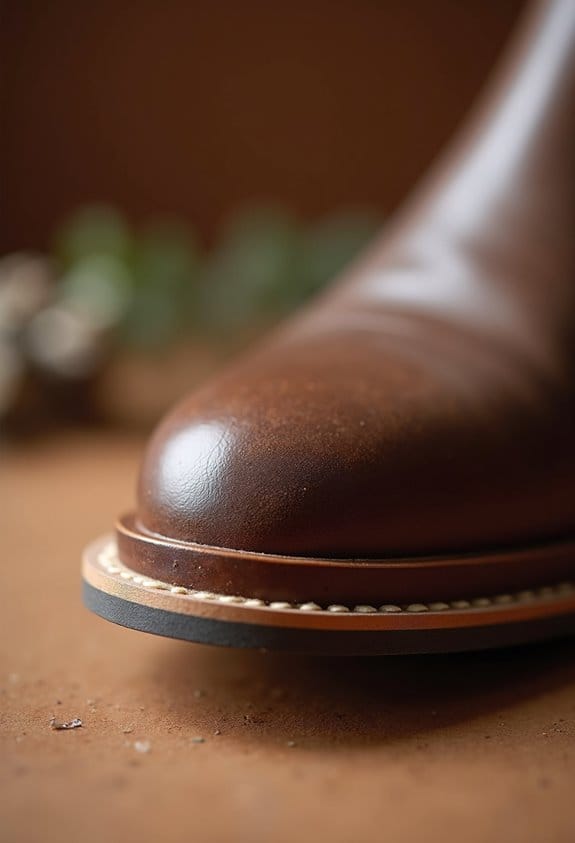
Properly applying shoe glue starts with choosing the right product, like a flexible adhesive designed specifically for soles that endure constant bending and abrasion. First, make sure the shoe’s sole and upper are in good shape—clean thoroughly to remove glue residue using rubbing alcohol. Sand each surface lightly to boost grip; this rough texture helps glue stick better. When you apply the glue, spread a thin layer evenly—too much glue can get messy and weaken the bond, too little, and the sole won’t hold. Press the sole firmly against the shoe, then keep it pressed for 12 to 24 hours. Let the glue dry undisturbed to prevent premature sole separation. Careful glue work isn’t rocket science, but the right approach keeps your shoes walking soundly. For added durability and eco-consciousness, consider adhesives compatible with natural rubber outsoles commonly used in eco-friendly shoes.
Maintaining Shoe Integrity Through Proper Glue Use

Choosing the right glue and treating shoes with care can feel like a small science experiment—just the right formula makes all the difference! Proper glue choice, like flexible polyurethane adhesives, helps match the natural flex of shoe materials, reducing the chance of sole separation while maintaining shoe integrity. But sticky magic isn’t enough; surface prep such as cleaning and sanding is vital to boost adhesive bonding and repair durability. Maintenance isn’t just a chore—regular inspection spots weak areas early, preventing bigger problems. Also, strong adhesion works best when shoes are stored in cool, dry spots (no sauna sessions allowed!). Understanding shoe materials and their flexibility guides smarter glue use, ensuring your shoes endure daily bends and twists. Who knew that a little elbow grease and smart glue could save your soles—and your soles! Using adhesives compatible with biodegradable materials is especially important when working with eco-friendly sneakers to preserve their environmental benefits.
Materials and Environmental Factors Impacting Glue Performance
While selecting the right glue is essential, understanding the materials involved and the environment shoes face plays an equally big role in keeping soles intact. Shoe materials like rubber and leather demand specific adhesives—polyurethane glue stands out with its moisture resistance and strong, flexible bond. Environmental factors, including humidity effects and heat, often trip up adhesive performance, causing bonding failure. Imagine your sneakers battling rain and sunshine—tough conditions can break down glue and lead to sole separation. This is why glue choice isn’t just about stickiness; it’s about matching the glue to both the shoe materials and the environment. Neglect this, and your soles may part ways sooner than expected. So, smart glue choice plus understanding weather battles equals happier, longer-lasting shoes! Choosing adhesives compatible with eco-friendly materials like recycled components can also improve durability and sustainability in athletic footwear.
Frequently Asked Questions
How to Prevent Sole Separation?
Sole separation isn’t inevitable; diligent shoe maintenance, using quality adhesives suited to sole materials, analyzing wear patterns, applying appropriate repair techniques, considering environmental factors, practicing proper storage and cleaning methods, and timely DIY repairs collectively enhance shoe longevity.
Is Flex Glue Good for Shoe Repair?
Flex Glue advantages include strong bonding and industrial strength adhesives. However, flexible adhesive options and water resistant glues often outperform it in shoe repair techniques. DIY shoe fixes risk common adhesive mistakes without temperature resistance factors or eco friendly options, limiting long lasting repairs.
Can You Fix Sole Separation With Super Glue?
While super glue effectiveness offers a cost-effective solution, it serves best for temporary fixes due to sole material compatibility issues and limited repair longevity. Proper bonding surface preparation and professional repair services guarantee durability, especially for outdoor activity concerns and shoe maintenance tips.
How to Fix Sole Separation Without Glue?
Sole separation can be fixed using alternative repair methods such as thread stitching options, heat bonding techniques, or reinforcing with fabric patches. DIY shoe tips emphasize shoe maintenance techniques and non adhesive fixes, enhancing footwear longevity through skillful shoe repair workshops.