As an Amazon Associate, we earn from qualifying purchases. Some links on this site are affiliate links at no extra cost to you. Our recommendations are based on thorough research and editorial judgment.

How to Compare Shoe Durability Without Brand Bias

To compare shoe durability without falling for flashy brand names, focus on material quality—full-grain leather beats synthetic any day for true toughness. Check if soles use thick rubber with deep treads or just glued materials prone to quick wear. Stitching matters more than you think; neat stitching often means shoes will outlast glued pairs (goodbye, early sole separations!). Don’t forget real user feedback and independent durability tests—they reveal what marketing won’t. Curious about maintaining that durability and other expert tips? There’s more ahead!
Key Takeaways
- Focus on material quality like full-grain leather versus synthetic uppers to assess durability beyond brand reputation.
- Prioritize shoes with stitched soles over glued ones for longer-lasting bonds and resistance to heat and moisture.
- Evaluate outsole design, preferring thick rubber soles with deep tread for enhanced traction and wear resistance.
- Analyze verified user reviews emphasizing real-world wear patterns, avoiding marketing-influenced or fake feedback.
- Consult independent durability tests and ratings alongside consumer feedback for an objective, comprehensive comparison.
Assessing Material Quality in Shoe Durability
You may be interested



When it comes to shoe durability, the choice of materials is king. Material quality directly influences how well shoes handle wear and tear. For example, high-quality materials like full-grain leather provide a sturdy structure that’s built to last, molding comfortably to the foot over time (unlike many synthetic alternatives, which can’t be repaired and often end up in the trash). Durable stitching, rather than glue alone, also plays a crucial role, reinforcing the shoe’s strength against daily stress. Don’t forget thick rubber outsoles—styles like commando or Dainite add abrasion resistance and better grip, improving lifespan dramatically. So, when evaluating shoe durability, focusing on premium materials and reinforced construction isn’t just a nice-to-have—it’s essential for shoes that don’t quit early. Who wants disposable shoes anyway? Additionally, choosing footwear with reinforced stitching and waterproofing can significantly enhance durability and reduce the frequency of replacements.
Importance of Upper Construction and Leather Types
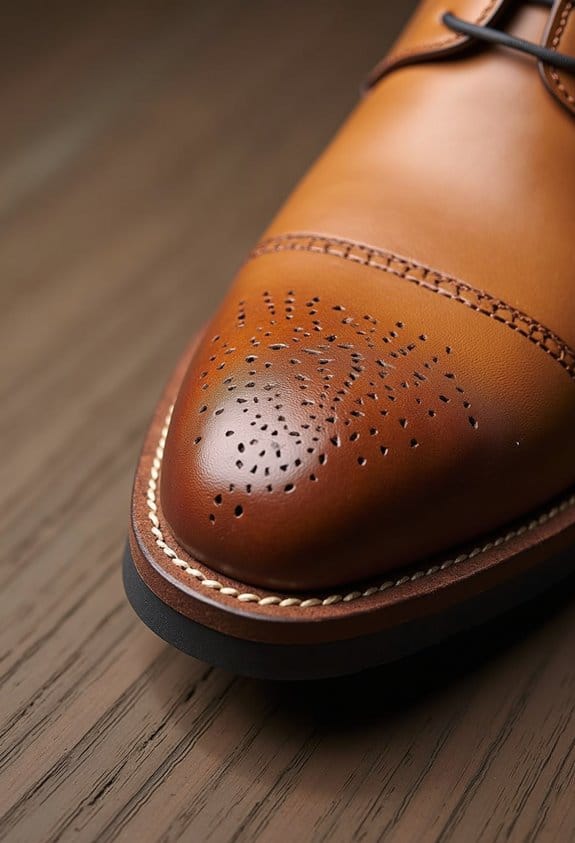
Quality upper construction holds the key to how long a shoe will last on your feet—and no, it’s not just about looks! Shoes made with real leather, especially full-grain varieties, offer unmatched durability and can often be repaired if scuffed or scratched, unlike synthetic materials that tend to give up after some wear. Did you know synthetic uppers, often found on budget shoes, frequently end up in the “disposable” pile? Real leather also breathes better and molds to your feet over time, helping with comfort—sort of like a custom hug for your toes! Craftsmanship matters too: neat stitching and secure fastenings make the upper construction tougher against daily wear and tear. So, when choosing shoes, skipping plastic-coated uppers might just save you money and frustration in the long run! Additionally, vegan hiking boots made from high-quality synthetic materials can match leather’s durability while offering benefits like waterproof membranes and lighter weight for rugged use.
Evaluating Sole Materials and Tread Patterns

Although many focus on uppers, the soles truly determine a shoe’s staying power on rough pavement or muddy trails. Sole materials like thick rubber—commando or Dainite—are prized for durability and traction, making quality shoes outlast their cheaper counterparts. Fancy leather soles? They often need rubber layers added to avoid early wear, especially dress shoes (because elegance shouldn’t mean fragility!). Tread patterns also play a starring role: deeper, aggressive designs enhance grip and stability, perfect for uneven terrain. What about midsoles? Thicker ones usually promise longer-lasting comfort and resilience. So, when evaluating shoes, don’t just admire the surface; dig deeper into sole materials and tread patterns. After all, without a tough sole, even the best-looking shoes won’t proudly withstand the test of time—or terrain! Additionally, considering materials like biodegradable foams such as ETPU cushioning can offer both durability and eco-friendly benefits.
Stitching Versus Gluing: What Lasts Longer?

Since the sole holds a shoe together much like mortar binds bricks, its method of attachment is essential. Stitching generally offers greater durability compared to glued construction because stitches create a stronger bond that better withstands foot stress and regular wear. Glue, charming as it seems at first, tends to deteriorate under heat, moisture, and repeated walking, often leading to sole separation and a shorter shoe lifespan. Shoes sporting visible stitching on the soles usually signal a smarter investment—less likely to fail under pressure than their glued cousins. Although glued shoes might lure buyers with a lower price, their reduced durability means more frequent replacements, ultimately costing more. So, when durability and shoe lifespan matter, choosing stitching over glue is often the way to go. Additionally, shoes made with water-based adhesives provide a more environmentally friendly alternative to traditional glues without compromising performance.
The Role of Fastenings in Shoe Longevity

Stitching might keep a sole firmly glued to the shoe, but what holds the shoe itself on your foot? The answer lies in fastenings, which play a critical role in durability and longevity. Strong buckles and reliable laces keep shoes secure and reduce the chance of breakage during use, while flimsy zippers often falter, cutting shoe life short. Oddly enough, more fastenings don’t always mean better durability—extra buckles and straps can add weak points, so simpler fastenings often last longer. Although slip-ons offer convenience, adjustable fastenings typically provide a more customized fit, boosting both comfort and lifespan. So yes, investing in sturdy, well-designed fastenings not only keeps your shoes on, but keeps them going strong, avoiding early replacements—because who wants to live in “one-zip disaster” shoes? Additionally, choosing shoes made with durable recycled materials can enhance both sustainability and longevity.
Analyzing Production Methods and Craftsmanship
Many shoe enthusiasts agree that how a pair is made often says more about its future than price tags ever could. Craftsmanship, paired with high-quality materials like full-grain leather, is a reliable durability predictor. Handcrafted shoes, often produced in smaller batches, boast attention to detail that mass production just can’t match. Construction techniques matter too—stitched seams generally outlast glued ones, keeping shoes structurally sound longer. Curious about where shoes come from? Domestic production often means better materials and tighter quality control, which can extend a shoe’s lifespan. Reinforced seams and durable outsole materials also signal smart design choices for longevity. So, next time you shop, consider how these factors combine—it’s like investing in a pair that’s ready to walk the walk for years! Additionally, choosing brands that demonstrate fair labor practices can ensure that durability also supports ethical sustainability efforts.
Understanding Maintenance for Prolonged Durability
A handful of simple habits can dramatically stretch the life of any shoe, turning a quick wear-out into a long-lasting companion. Maintenance is key to revealing high-quality durability; cleaning and conditioning leather, for example, prevents drying and cracking, which often sneak up unnoticed. Protective sprays tailored for materials like suede or leather shield shoes from water and stains, helping to extend lifespan. Ever thought about giving your shoes a day off? Rotating pairs reduces wear and tear, so no single pair suffers a heroic daily grind. Regular inspections catch worn soles or loose stitching early—because a stitch in time saves more than nine! Finally, storing shoes in a cool, dry place away from sunlight preserves their shape and materials. These habits together form a smart maintenance routine that truly pays off in durability. Choosing footwear made from durable sustainable leathers can also significantly extend shoe life while supporting eco-friendly practices.
Reading and Interpreting User Reviews Objectively
Before tossing out a pair of worn-out sneakers, why not listen to what other shoe owners have to say? User reviews offer a treasure trove of insights on durability that go beyond flashy brand logos. By spotting recurring mentions of sole wear, stitching failures, or material breakdown, buyers get a clearer picture of how high-quality materials really hold up over time. It’s wise to prioritize reviews from verified purchases to avoid the occasional sneaky fake praise. And when reviews specify usage—like running or hiking—it’s easier to understand whether a shoe’s durability suits one’s needs. Combining the overall rating and the volume of reviews helps reveal whether durability issues are isolated accidents or widespread trends. So, reading user reviews carefully might just save you from buying shoes that fall apart too soon! Considering factors such as material durability mentioned in expert guides can further improve your assessment of shoe longevity.
Utilizing Independent Ratings and Durability Tests
While user reviews provide helpful insights, independent ratings and durability tests add a layer of objectivity that can’t be ignored. These tests dig into the durability of materials like rubber soles, synthetic uppers, and reinforced stitching by simulating wear and tear in controlled environments—no magic brand spells involved! Durability tests evaluate factors such as sole wear resistance and how stitching holds up under stress. Meanwhile, consumer reviews from trusted sources like Runner’s World offer a reality check based on actual use, balancing lab results with street smarts. By comparing multiple independent ratings, shoppers dodge brand hype and gain clearer insight into which shoes truly stand the test of time. Isn’t it better to trust science and real feedback instead of flashy ads? Durability, after all, is what keeps your feet happy! Additionally, incorporating certified eco-friendly materials in work boots can provide durability without compromising sustainability.
Frequently Asked Questions
What Is the 3 Shoe Rule?
The three shoe philosophy involves rotating between multiple pairs to extend footwear lifespan. Durability indicators include consistent performance and wear patterns. Quality materials enhance longevity, supporting balanced use and minimizing repetitive stress on the feet.
How to Tell if a Shoe Is Durable?
Durability is a fortress built from material quality and construction techniques, fortified by maintenance tips. User reviews act as sentinels, disclosing real-world performance. Together, they disclose if a shoe withstands time’s relentless march.
Which Shoe Brand Is the Most Durable?
No single shoe brand is definitively the most durable; shoe material analysis, wear testing methods, lifespan statistics, and customer feedback collectively reveal varying results across brands, emphasizing the importance of evaluating each model’s specific construction and performance.
What Is the White Shoe Rule?
The white shoe rule involves white shoe guidelines emphasizing material quality and durability. Integrating shoe cleaning tips and fashion maintenance strategies supports sneaker lifespan analysis, revealing how well shoes resist dirt, scuffs, and wear, ensuring lasting appearance and functionality.