As an Amazon Associate, we earn from qualifying purchases. Some links on this site are affiliate links at no extra cost to you. Our recommendations are based on thorough research and editorial judgment.


Microfiber Vs PU in Footwear: Durability and Comfort Differences

Wondering which lasts longer and feels better in shoes—microfiber or PU leather? Microfiber leather is the tough contender, boasting three to five times more abrasion resistance and 40% better breathability than PU leather. It stays flexible in cold weather and fights odor, too—no stinky feet here! PU leather is cheaper and water-resistant but less durable, prone to peeling with use. Curious about how these materials stack up on cost, comfort, and eco-impact? Stick around to find out more!
Key Takeaways
- Microfiber leather is 3-5 times more abrasion-resistant than PU leather, making it ideal for long-lasting footwear.
- Microfiber leather offers 40% higher breathability than PU leather, enhancing overall foot comfort and flexibility.
- PU leather tends to peel and wear faster, while microfiber leather resists cracking even after 200,000 bends.
- Maintenance of microfiber leather is simpler, requiring only dusting and spot cleaning compared to more delicate PU care.
- Despite higher cost, microfiber leather delivers superior durability and comfort, appealing to premium and eco-conscious consumers.
What Is PU Leather?
You may be interested



PU leather, short for polyurethane leather, is a clever synthetic alternative to real leather that many shoe brands love to use. This synthetic leather is made by layering polyurethane over a fabric base, mimicking the look of genuine leather without the hard-to-pronounce biology class. PU leather offers water resistance and abrasion resistance, making it a practical choice for shoes needing durability and comfort without breaking the bank. Its high-performance qualities include easy cleaning and maintained toughness, but beware—over time, the top layer may peel or crack like a bad punchline. Compared to genuine leather’s natural breathability and flexibility, PU leather is less luxurious but more affordable and versatile, making it a popular, if slightly plastic-feeling, fallback in the fashion world. Many vegan footwear brands use PU leather combined with cushioned insoles and non-slip soles to enhance both comfort and durability.
Advantages of PU Leather in Footwear
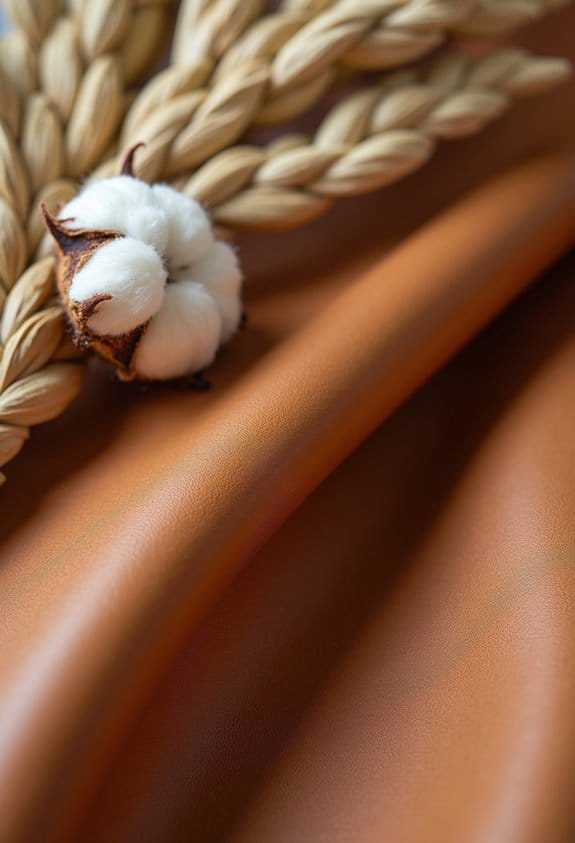
Countless footwear fans appreciate how affordable materials can still deliver stylish results. PU leather stands out as a cost-effective choice, offering both durability and versatility without breaking the bank. This high-performance synthetic leather resists water absorption, making cleaning a breeze—no more worrying about spilled coffee or unexpected rain! Its lightweight nature adds to comfort during long-term use, proving that synthetic leather alternatives can rival traditional materials. Plus, PU leather shoes come in a striking range of colors and styles, catering to versatile fashion choices for every occasion. While it might acquire a plastic-like feel over time (yes, shoes can have personality quirks), its ability to maintain appearance and withstand wear makes PU leather a smart pick for consumers seeking durability and style without fuss. Additionally, many shoes made with PU leather incorporate ethical manufacturing practices to ensure sustainability and fair labor conditions.
What Is Microfiber Leather?

While PU leather offers an affordable and stylish option for footwear, microfiber leather takes synthetic materials to the next level. Microfiber leather combines ultra-fine fiber bundles with polyurethane resin, mimicking natural leather’s texture and look. What sets it apart? Its durability and abrasion resistance blow standard PU leather away—three to five times greater, enduring over 200,000 bends without cracking! Plus, its microporous structure guarantees breathability is 40% better, meaning your feet stay comfy longer. Maintenance? Easier than you’d think, thanks to its smooth surface. Environmentally conscious buyers will also appreciate microfiber’s eco-friendly production, meeting strict environmental standards by using fewer harmful chemicals. So, could microfiber leather be the smarter, more sustainable synthetic choice for footwear lovers craving both durability and comfort? It certainly looks promising! Microfiber leather is also valued for being part of ethical manufacturing practices that support both the environment and fair labor conditions.
Properties of Microfiber Leather in Shoes
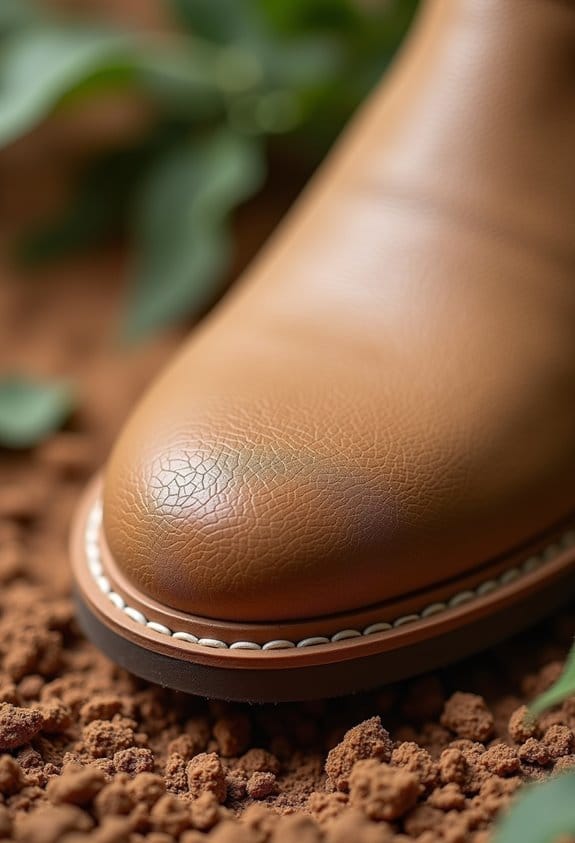
Durability and breathability are two standout qualities that make microfiber leather a game-changer in shoe materials. Compared to PU leather, microfiber leather boasts high resistance to wear, enduring up to 200,000 bends without cracking—quite the stamina test for synthetic leather! Its microporous structure enhances breathability, improving moisture absorption by over 40% versus traditional PU leather, which means feet stay drier and more comfortable. Plus, microfiber leather is lightweight and carries antibacterial, anti-odor traits that elevate comfort and hygiene. Its soft, genuine leather-like feel offers an aesthetic edge too. Unlike PU leather, which can peel or feel plastic-y over time, microfiber leather holds its ground, resisting wear and tear. Isn’t it amazing when durability meets comfort so effortlessly? Additionally, many vegan running shoes incorporate advanced materials to provide adequate arch support, benefiting both comfort and injury prevention in footwear design.
Durability Comparison Between PU and Microfiber Leather

Three to five times stronger abrasion resistance gives microfiber leather a clear edge over ordinary PU leather when it comes to footwear durability. Microfiber leather withstands over 200,000 bends without cracking, showing impressive longevity where PU leather often peels or cracks prematurely—no surprise it’s preferred for tough use. Its tear strength rivals genuine leather, making it ideal for high-wear scenarios like sports shoes, whereas PU leather tends to weaken faster under pressure. Even in cold conditions (-20°C), microfiber leather stays durable, while PU leather can deform and lose shape. So, if long-lasting shoes are a priority, microfiber leather clearly outperforms PU leather. Who wouldn’t want footwear that holds up like a champ instead of falling apart when the going gets tough? Additionally, microfiber leather’s use in the industry contributes to low-emission manufacturing processes, enhancing sustainability along with durability.
Comfort and Breathability Differences
Although footwear durability is critical, comfort and breathability often determine whether shoes will be a joy or a regret to wear all day long. Microfiber leather boasts breathability over 40% higher than PU leather, thanks to its microporous structure that speeds moisture conduction—goodbye sweaty feet! This enhanced airflow means better comfort and flexibility in varying temperatures, unlike PU leather’s plastic-like texture which can trap heat and cause discomfort. Plus, microfiber leather’s softness mimics real leather nicely, offering a gentle feel, while some PU leather feels firmer and less forgiving. Over time, microfiber leather retains its flexibility and durability, avoiding the stiffness and cracking PU leather often suffers with poorer long-term performance. When comfort and breathability take center stage, microfiber leather clearly steps ahead, making daily wear surprisingly pleasant. Additionally, choosing materials with material source transparency ensures both comfort and sustainability are prioritized in footwear selection.
Maintenance and Care for PU and Microfiber Leather
Footwear care makes a big difference in how long shoes look good and feel fresh. Microfiber leather is a breeze for maintenance; simply dust regularly, spot clean with mild soap, or vacuum to zap away dirt. PU leather demands a gentler touch—blot spills fast and wipe with a damp cloth to dodge peeling. Both synthetic leather types benefit from protective sprays that boost water resistance and durability. Did you know microfiber’s breathable, washable nature keeps comfort up without fancy conditioning? PU leather needs extra vigilance to avoid odors—neglect it, and well, your shoes might protest. So, isn’t it nice when care routines make life easier? Whether choosing microfiber leather or PU leather, smart cleaning and protection extend comfort and style, proving that a little care goes a long way! Ethical brands often use materials certified by Leather Working Group to ensure eco-friendly and durable leather sourcing.
Environmental Impact of Microfiber and PU Leather
When it comes to the environmental footprint of footwear materials, microfiber and PU leather each tell a unique story worth hearing. Microfiber PU leather uses water-based polyurethane, cutting VOC emissions compared to traditional PU’s solvent-heavy process—clearly an environmental benefit! Both have a lower carbon footprint than real leather, around 15.8 kg CO2e/m², yet microfiber struggles with biodegradability, leading to end-of-life challenges. Water usage is another factor; synthetic leather types like PU use far less water than the whopping 17,128 liters needed for real leather. Consumer awareness around microfiber’s eco-friendly edge is growing, appreciating durability without heavy water waste. So, is microfiber the greener choice? It’s a step ahead in emissions and water usage but still leaves recycling puzzles to solve—sustainability can be complex, after all! Additionally, integrating biodegradable materials in footwear can significantly reduce landfill waste and shortens the decomposition period.
Cost Differences in Footwear Materials
Cost differences between microfiber and PU leather highlight more than just price tags—they reveal choices shaped by quality, demand, and purpose. Microfiber leather, priced between $50 and $150 per square meter, tends to carry a high price compared to ordinary PU leather, which costs $15 to $30. This synthetic leather made from advanced processes offers greater durability and low maintenance, making footwear crafted from it a smart investment. But why pay more? For many, microfiber leather’s superior quality justifies the cost, especially in mid to high-end markets craving long-lasting shoes. Conversely, ordinary PU leather appeals to budget shoppers hunting for affordable, trendy footwear, even if it sacrifices some durability. So, when picking shoes, is it worth shelling out extra for quality that sticks around? Probably, yes! Additionally, the use of advanced synthetic materials in microfiber leather contributes significantly to enhanced durability and environmental sustainability in footwear.
Performance of PU and Microfiber Leather in Harsh Conditions
Although both materials mimic real leather, microfiber and PU leather behave quite differently under tough conditions. Microfiber leather shines with superior abrasion resistance, surviving over 200,000 bends at room temperature without cracking—PU leather simply can’t keep up. In harsh conditions like cold weather, microfiber leather remains durable after 30,000 bends at -20°C, while PU struggles, often deforming or breaking down. Plus, that microporous magic in microfiber leather boosts breathability by over 40%, helping keep feet comfy and dry even in high-wear scenarios. Water resistance? Microfiber leather laughs in the rain, resisting moisture better than PU leather, which tends to soak up water and demands more care. So, when it comes to comfort and durability in harsh conditions, microfiber leather clearly outperforms PU leather—who knew synthetic could be this tough (and cozy)? Many cruelty-free hiking boots also utilize materials like microfiber leather, combining durability with waterproofing and breathability that enhance outdoor performance.
Market Trends and Consumer Preferences in Synthetic Leathers
Synthetic leather is stepping into the spotlight as shoppers increasingly seek stylish, eco-friendly footwear. Market trends reveal a strong shift toward microfiber leather, favored for its superior durability and comfort compared to traditional PU leather. With 65% of consumers ready to pay more for sustainable materials, microfiber stands out as the go-to vegan alternative that combines performance with an environmentally friendly edge. Footwear brands are riding this wave, promoting advanced microfiber technology to catch the eye of eco-conscious buyers. Meanwhile, growing concerns about the environmental harm from conventional leather tanning have accelerated synthetic leather’s rise. So, whether it’s microfiber or PU leather, consumer preferences clearly lean toward options that offer both lasting wear and a smaller carbon footprint—a trend that’s here to stay. Who said being green couldn’t be fashionable?
Frequently Asked Questions
Is Microfiber Better Than PU?
Microfiber benefits include superior breathability factors and durability, while PU advantages involve lower cost differences and varied style options. Material comparison shows microfiber suits maintenance tips better. Consumer preferences weigh environmental impact alongside performance.
What Is the Most Durable Material for Shoes?
Ironically, the “most durable” shoe material often isn’t traditional leather but advanced leather alternatives like microfiber, which balance durability, breathability, eco-friendly aspects, cushioning technology, and price differences—appealing to modern consumer preferences amid evolving fashion trends and shoe maintenance demands.
What Are the Disadvantages of Microfiber Leather?
Disadvantages of microfiber leather include intensive microfiber cleaning needs, breathability issues, variable texture, moisture resistance limitations, maintenance requirements, potential color fading, higher cost comparison, environmental concerns, and uncertainties regarding long term lifespan compared to natural alternatives.
Are PU Shoes Comfortable?
PU shoes present practical perks, providing affordable price points and maintenance ease. However, comfort levels suffer due to poor shoe breathability, limited foot support, minimal cushioning effects, subpar moisture management, and weaker wear resistance compared to other materials.