As an Amazon Associate, we earn from qualifying purchases. Some links on this site are affiliate links at no extra cost to you. Our recommendations are based on thorough research and editorial judgment.


Do Recycled-Material Shoes Breathe Well? What Affects Breathability

Do recycled-material shoes breathe well? Absolutely, when they use smart materials like eucalyptus fiber and recycled cotton that channel air and whisk away sweat—your feet will thank you! Fabric density and moisture-wicking abilities are key players here; dense fabrics trap heat, while lighter ones let air dance freely. Recycled polyester often outperforms nylon in breathability, surprisingly! Curious how style, comfort, and eco-friendly tech combine? The next insights reveal more about turning trash into breathable treasure.
Key Takeaways
- Recycled cotton and eucalyptus fibers promote good breathability by allowing air circulation and moisture-wicking inside shoes.
- Denser recycled fabrics like some polyesters may restrict airflow, reducing breathability compared to natural fibers.
- Design features such as mesh panels and perforations significantly enhance ventilation in recycled-material shoes.
- Moisture management through sweat-wicking recycled materials helps maintain foot dryness and comfort.
- Advanced construction techniques like 3D knitting improve fit and airflow, boosting overall breathability in sustainable footwear.
Understanding Breathability in Footwear
You may be interested


Breathability in footwear is more than just a nice-to-have feature—it’s essential to keeping feet dry, comfy, and happy throughout the day. But what exactly influences breathability? It starts with materials: natural fibers like eucalyptus, known for their unique cellular structure, encourage airflow and moisture-wicking, making feet feel fresher. Synthetic options, including some recycled plastics, also play a role when engineered carefully. Construction techniques matter too—perforations or layered fabrics can boost ventilation. Together, these elements regulate temperature and reduce sweat buildup, vital for foot comfort and health. So, breathability isn’t just about letting air in; it’s about smart design choices that help feet breathe easier, preventing that soggy, “why-did-I-wear-these” feeling. Who knew footwear science could be this cool? Incorporating lightweight mesh designs further enhances airflow and reduces moisture buildup, making recycled-material shoes more breathable and comfortable.
Common Materials Used in Recycled-Material Shoes

Often overlooked but critically important, the materials used in recycled shoes hold the key to both comfort and eco-friendliness. Recycled cotton stands out for its lightweight, breathable nature, allowing excellent air circulation and moisture management. Meanwhile, eucalyptus fiber—a star among sustainable materials—features a unique cellular structure that channels air effortlessly, boosting breathability and comfort. Recycled plastics contribute with flexible structures that keep shoes light and well-ventilated, while plant starch offers a renewable option that balances durability and airflow. Even recycled polyurethane plays a role; though more insulating, it teams up with breathable uppers to maintain a cozy microclimate inside. Together, these components reduce environmental footprint without sacrificing breathability. Who knew sustainability could feel this comfortable on your feet? Additionally, the use of recycled PET bottles and ocean plastics in mesh uppers enhances both breathability and eco-conscious design.
How Fabric Density Impacts Airflow
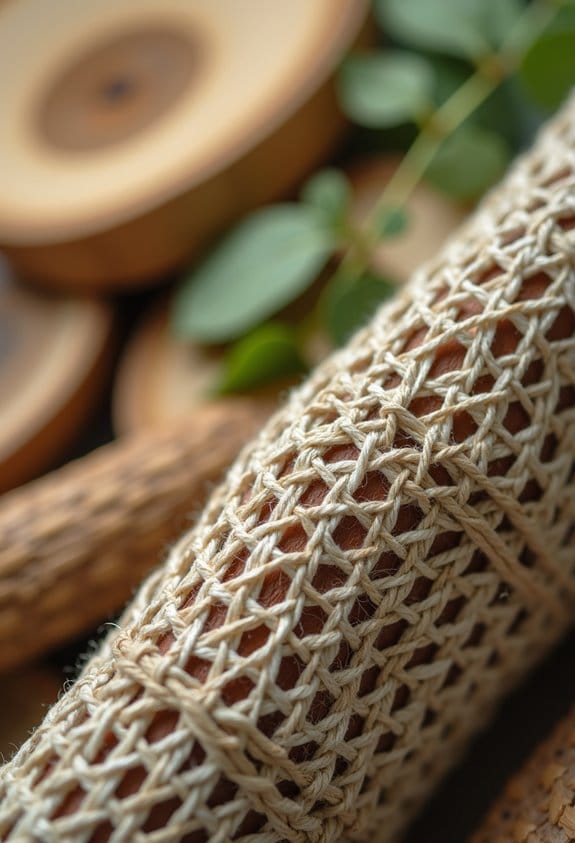
How exactly does fabric density influence the air you feel inside recycled-material shoes? Fabric density directly affects airflow; lower density materials let air circulate freely, enhancing breathability and comfort. Breathable fabrics like those made from eucalyptus fibers showcase unique cellular structures that boost air circulation, making shoes cooler and less sweaty. On the other hand, denser fabrics pack tightly, restricting airflow and trapping heat—less fun for feet craving freshness. Recycled-material shoes often balance durability with breathability, since denser weaves provide toughness but reduce comfort. Notably, recycled polyester tends to be less breathable than organic alternatives, so choosing materials wisely matters. Incorporating breathable mesh uppers helps prevent moisture buildup and improves ventilation in recycled shoes. Ultimately, fabric density is a key factor in whether recycled shoes stay comfy and breathable or leave feet gasping for air (not ideal, right?).
The Role of Moisture-Wicking Properties

Comfort sometimes hinges on an invisible hero: moisture-wicking. This clever property in recycled materials helps pull sweat away from the skin, improving breathability and overall comfort, even during active wear. Eucalyptus fiber, a popular choice in sustainable sneakers, excels at sweat management, keeping feet cooler and drier—no small feat when staying fresh matters! Recycled plastic and organic cotton, when engineered right, also enhance moisture-wicking, preventing odor buildup that can make shoes less inviting after a long day. The magic happens by creating an ideal microclimate inside the shoe—a breathable environment balancing moisture and airflow perfectly. So, don’t underestimate moisture-wicking; it’s a crucial factor in making recycled-material shoes not just eco-friendly, but truly comfortable for every step taken. Who said sustainability can’t be cozy? Additionally, incorporating certifications like GOTS ensures these materials meet rigorous standards for sustainability and safety.
Comparing Breathability of Recycled Polyester and Nylon

While both recycled polyester and nylon have their place in footwear fabrication, the former generally edges out the latter in breathability, especially when recycled polyester is crafted from plastic bottles designed for moisture management. Recycled polyester offers better moisture-wicking and airflow, essential for keeping feet cool and dry during athletic footwear activity. Nylon, with its tighter weave, tends to trap heat and moisture, reducing breathability and sometimes causing sweaty discomfort. Fabric blends mixing these fibers can balance durability and airflow, but higher recycled polyester content usually means improved temperature regulation and overall comfort. Isn’t it fascinating how a shoe’s fabric choice can impact cooling properties so much? In short, recycled polyester’s design offers breathable benefits that nylon simply can’t match in many recycled-material shoes. Additionally, incorporating breathable materials like recycled mesh or organic cotton further enhances moisture control and comfort in eco-friendly footwear.
Eucalyptus Tree Fiber and Its Unique Structure
Recycled materials don’t stop at polyester and nylon—eucalyptus tree fiber steps into the spotlight with a breathability game all its own. This fiber’s unique cellular structure, made of tiny nanofibrils, boosts air circulation like a natural fan inside your shoe. More surface area means eucalyptus tree fiber can absorb and release moisture quickly, keeping feet dry through sweat (goodbye soggy socks!). Its lightweight construction also reduces density, making the shoe feel airy rather than stuffy. Compared to traditional materials, eucalyptus fibers excel in warm weather, where breathability is no joke. Could this be the breathable hero recycled materials needed all along? With its efficient moisture absorption and superior airflow, eucalyptus tree fiber certainly makes a compelling case for footwear designed to keep you cool and comfy. Many top eco-friendly athletic shoes also combine such breathable materials with advanced cushioning to enhance overall comfort and performance.
Environmental Benefits of Using Eucalyptus Fiber
Because it uses a renewable resource, eucalyptus fiber stands out for its impressive environmental benefits in footwear production. This breathable material supports sustainable footwear by cutting carbon emissions in half compared to traditional fabrics—impressive, right? Plus, it requires 95% less water usage than cotton, making it a clear win for ecological responsibility. Its natural cellular structure not only boosts air circulation but also enhances moisture absorption, quickly wicking away sweat to help keep feet dry and comfortable. These properties make eucalyptus fiber ideal for creating comfortable shoes that prioritize both wearer health and the planet. So, when choosing eco-friendly shoes, why not favor materials that breathe easy—for your feet and the environment alike? It’s a smart step toward greener, guilt-free fashion. In addition, many eco-friendly shoes incorporate moisture-wicking lining to further enhance comfort and dryness.
Design Features That Enhance Shoe Breathability
How exactly do shoe designers create breathable footwear that keeps feet cool and dry? They start with breathable material like eucalyptus tree fiber, known for its cellular structure that boosts air circulation. Then, mesh panels and perforations are added to uppers, ramping up ventilation while moisture-wicking linings and breathable insoles fight sweat buildup. Lightweight materials also play a starring role, reducing heat retention so feet don’t feel trapped in their own shoe sauna. Of course, shoe construction matters too— a flexible fit encourages natural foot movement and lets cool air flow freely. These breathability features combine smart material choices with clever design, crafting shoes that feel invigorating all day long. It’s like giving feet their very own personal breeze—who wouldn’t want that? Choosing shoes made from eco-friendly materials further enhances breathability while promoting sustainability.
Balancing Style and Function in Eco-Friendly Shoes
Comfortable shoes that allow air to flow freely don’t have to look like something from a science lab experiment gone wrong. Eco-friendly footwear now blends breathable eucalyptus fiber and recycled materials with style, proving sustainability need not sacrifice flair. How can shoes be both moisture-wicking and fashion-forward? Innovative fabric technologies enhance air circulation while providing comfort, making breathable designs look effortlessly cool. Recycling plastics and cotton doesn’t just reduce waste—it also upgrades shoe breathability. The challenge? Striking a perfect balance where comfort meets style without compromising sustainability goals. Today’s eco-friendly shoes deliver on this, offering moisture-wicking properties and ventilation that rival traditional shoes. Stylish, functional, and green—why choose one when you can step into all three? Moreover, the use of breathable fabrics in sustainable sneakers plays a crucial role in maintaining foot comfort and temperature control.
Breathable Shoe Options Made From Sustainable Materials
While many might think breathable shoes require synthetic materials, sustainable options are now changing the game. Shoes crafted from eucalyptus fiber boast superior breathability thanks to their natural moisture-wicking cellular structure—perfect for breathable walking without overheating. Recycled materials, like plastics and cotton, also provide lightweight, comfortable alternatives that don’t skimp on air flow. Plant starch-based fabrics add another eco-friendly twist, combining renewability with effective ventilation. Brands such as Allbirds champion these innovations, crafting footwear that blends comfort with sustainability seamlessly. So, can shoes be both earth-friendly and breathable? Absolutely! With advances in sustainable materials, now it’s possible to enjoy comfortable, moisture-wicking shoes without sacrificing eco-consciousness—a win-win for feet and the planet alike. Many leading brands now ensure their shoes contain at least 20% recycled materials, demonstrating a real commitment to sustainable production with recycled content standards.
Activities Best Supported by Breathable Eco Sneakers
Breathable eco sneakers are not just a nod to sustainability—they actually boost performance across various activities. Made often with eucalyptus fiber, these sneakers offer excellent ventilation, vital for running and hiking where fresh air keeps feet cool and prevents overheating. Their lightweight design isn’t just about style; it enhances comfort during walking and cycling by efficiently managing moisture with moisture-wicking fabrics. Sports like golf also benefit from eco sneakers’ breathable uppers, which promote air circulation fundamental for those tricky multi-directional moves. Even for travel, these sneakers shine—easy to pack and comfy enough for long sightseeing days. Who knew sustainability and performance could share such a cozy pair of shoes? Clearly, breathable eco sneakers support a wide range of activities by blending ecology with everyday comfort—no sweaty feet required!
Future Innovations in Breathable Sustainable Footwear
How will tomorrow’s shoes keep feet fresh without costing the planet? Future innovations in breathable sustainable footwear promise exciting answers. Incorporating eucalyptus fiber, known for its natural air circulation and moisture-wicking properties, designers aim to create lightweight fabrics that feel like a breeze. Breathable options made from recycled materials and plant-based leathers will combine eco-friendliness with comfort—a win-win! Advanced weaving technologies and innovative manufacturing techniques, such as 3D knitting, will guarantee a snug fit that doesn’t trap heat or moisture. Meanwhile, biodegradable fabrics and breathable membranes developed from recycled plastics will enhance ventilation while staying durable. So, sustainable shoes might soon be as good at “letting sneakers breathe” as your favorite pair of socks (if not better), proving that style, comfort, and green living can happily coexist on your feet.
Frequently Asked Questions
How to Improve Shoe Breathability?
To improve shoe breathability, innovations in fabric choices and ventilation systems intersect with precise shoe design, moisture management, and climate considerations. Performance testing, foot anatomy insights, user feedback, and sustainability impact all shape effective technology innovations.
What Is the Healthiest Material for Shoes?
Natural fibers rank as the healthiest shoe materials due to their superior moisture control, temperature regulation, and comfort features. Eco friendly options outperform synthetic fabrics, enhancing foot health while supporting sustainability impact in performance footwear designs.
What Materials Are Breathable in Shoes?
Though synthetic fabrics may hinder breathability, natural fibers paired with breathable mesh and perforated designs enhance air circulation and moisture wicking. Lightweight constructions and cushioned materials improve temperature regulation and humidity control in shoes effectively.
How to Tell if Shoes Are Breathable?
Breathable shoes can be identified by examining shoe design elements like mesh panels that enhance airflow dynamics, which aid foot perspiration and moisture management, thereby improving comfort levels, temperature regulation, athletic performance, and suitability for outdoor activities alongside style choices.