As an Amazon Associate, we earn from qualifying purchases. Some links on this site are affiliate links at no extra cost to you. Our recommendations are based on thorough research and editorial judgment.


Outsole Vs Upper: Which Part Matters Most for Shoe Lifespan?

When it comes to shoe lifespan, the outsole usually steals the show. Made from durable rubber like Vibram, it faces daily battles on heels and balls of feet, often wearing down first—no wonder it dictates shoe retirement more than the upper! The upper matters too, keeping feet comfy and protected, but outsoles handle the toughest abuse. Care for both wisely, and shoes stay happier longer. Curious about how materials, foot mechanics, and smart care tip the scales?
Key Takeaways
- The outsole endures the most wear and directly affects shoe lifespan due to traction and durability loss.
- Outsole damage like smooth patches or worn lugs signals the need for shoe replacement first.
- Upper condition impacts comfort and fit but generally wears slower than the outsole in normal use.
- Both outsole and upper inspections are essential since outsole wear compromises grip and upper damage reduces stability.
- Proper outsole material and outsole maintenance typically dictate overall shoe longevity more than upper condition.
The Role of the Outsole in Shoe Durability
You may be interested



Although often overlooked, the outsole plays a starring role in how long a shoe lasts. This part touches the ground first, meaning it takes the brunt of wear and tear, directly influencing overall durability. Did you know that worn-out outsoles not only shorten shoe lifespan but also risk slippery mishaps? Checking for smooth patches or uneven wear is like giving shoes a mini health check—essential for knowing when to retire them. Outsoles crafted from tough rubber compounds and designed with specific tread patterns cater to activities like running or casual strolls, balancing grip with longevity. Careful monitoring, combined with rotating shoes, can stretch their life noticeably. So next time you lace up, remember: the outsole might just be the unsung hero protecting you every step of the way. Additionally, selecting shoes with durable construction, such as those made with recycled materials, can contribute significantly to longer-lasting footwear.
How the Upper Affects Shoe Comfort and Longevity
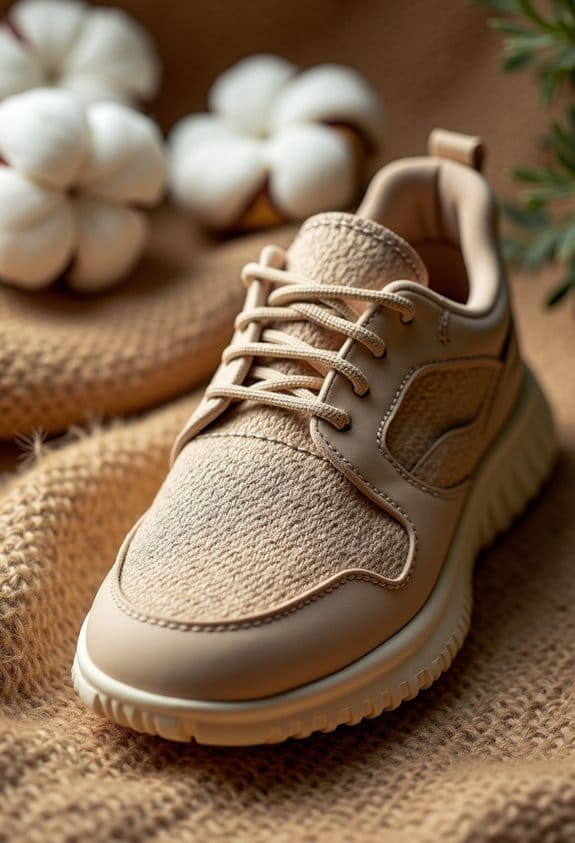
When considering shoe comfort and lifespan, the upper often gets less attention than the rugged outsole, yet it deserves equal credit. Made from materials like leather or synthetic fabrics, the upper plays a key role in how comfortable a shoe feels, fitting snugly while distributing pressure evenly across the foot. Neglecting this part can lead to annoying wear spots—hello, holes by the big toe or Achilles area!—which suggest it’s time for an upgrade. Proper care, such as regular cleaning and avoiding mud, can seriously boost the upper’s longevity, preserving its shape and support. After all, a sagging upper isn’t just a fashion faux pas; it messes with foot stability and stride, making every step less enjoyable (and less efficient). Who knew? Choosing natural materials for the upper can enhance breathability and comfort while supporting long-term foot health.
Comparing Wear Patterns of Outsole and Upper

Shoes tell a story through their wear patterns, with the outsole often playing the starring role. Typically, the outsole wears down first—especially at the heel and ball—where smooth patches or flattened treads can sneakily reduce traction and stability. But what about the upper? This part shows its age with holes or frays, mainly in high-friction spots, affecting comfort and fit. Outsole wear impacts grip and durability, while upper damage changes foot support and ease of movement. So, which tells the fuller story? Both matter. Neglecting either can lead to poor performance or injury—kind of like ignoring a plot twist in a thriller! Ultimately, combining these wear signals helps decide when it’s time to retire your trusty shoes and step into a new chapter. Choosing shoes made with durable synthetic materials, such as recycled polyester, can extend the lifespan of both the outsole and upper while supporting sustainability.
Materials Used in Outsoles and Their Impact on Lifespan

Outsoles act as the unsung heroes of shoe durability, bearing the brunt of every step taken. Typically made from rubber or synthetic materials, outsoles greatly influence a shoe’s lifespan through their durability and grip. High-quality rubber, like Vibram, is famed for tackling rocky trails and resisting wear far better than cheaper alternatives. Did you know thicker outsoles usually last longer, though they might make shoes feel less like clouds and more like bricks? Tread patterns and lugs also matter—a clever design means even wear and better traction, essential for different surfaces. Keeping an eye on outsole wear helps decide when to retire a favorite pair before accidents happen. So, the materials chosen for outsoles truly matter—after all, they’re the shoe’s frontline defenders! Additionally, choosing shoes with durable construction and eco-friendly materials supports longer-lasting shoes that reduce waste and promote smarter shopping habits.
Quality and Maintenance of Leather Uppers

A good deal of leather uppers can effortlessly outlast other shoe parts, aging like fine wine rather than cheap juice. The secret? Quality and maintenance. High-quality leather resists wear far better, and with regular conditioning and polishing, it stays supple—no cracks, no unpleasant creases! Who wants a shoe that screams “I’m falling apart”? Adding water-repellent treatments also shields them from pesky moisture damage and stains, keeping shoes looking sharp. Neglect leather—ignore holes or wrinkles—and the shoe’s structure and comfort take a hit, leading to misalignment and discomfort. So, is investing time in maintenance really worth it? Absolutely! Proper care means these uppers can last decades, proving that quality leather, with a little love, truly shapes a shoe’s lifespan more than you might think. Moreover, using low-chemical faux leather can offer an environmentally friendly alternative without sacrificing durability or appearance.
Common Signs of Outsole Wear to Watch For
While leather uppers demand attention to stay in prime shape, the outsole quietly carries most of a shoe’s daily punishment—and it shows in very telling ways. Common outsole wear includes smooth patches, especially on the outer heel and ball of the foot, signaling reduced grip. Ever glanced at the bottom and noticed uneven wear? That might hint at misalignment or a fit that’s a little off. Worn lugs or faded tread? They’re not just cosmetic—they can lead to slips, so it’s smart to replace your running shoes before disaster strikes. Visible cracks or holes let moisture sneak in, weakening the shoe’s structure. Ignoring these signs risks more than bad style; it can increase strain on joints and lead to injuries—a clear reason to keep an eagle eye on outsole wear! High-quality outsoles engineered with deep lugs and smart tread patterns are vital to maintaining traction and extending shoe lifespan.
Identifying When Upper Wear Affects Shoe Performance
The upper of a shoe acts like a trusted glove, wrapping the foot snugly and supporting every step, but it’s not invincible. When the upper starts sagging or thinning—especially near high-friction spots like the big toe or Achilles tendon—foot comfort drops and blisters can appear. Without firm support, shoes feel unstable, and running performance takes a hit. Have you noticed uneven fit or that your feet wobble inside? That’s a clear sign the upper is wearing out. Regularly checking for holes or stretched material helps people know when to replace their shoes before discomfort or injury occurs. After all, no one wants to run in shoes that have lost their snug grip—it’s like wearing a glove with holes. Recognizing upper wear is key to keeping shoes both comfy and safe. Choosing uppers made from breathable materials such as engineered mesh can also enhance comfort by promoting airflow and reducing irritation.
The Influence of Foot Mechanics on Outsole and Upper Wear
Because every runner’s foot moves a little differently, foot mechanics play a major role in how shoes wear out—both on the outsole and the upper. Consider pronation or supination: these motions cause specific outsole wear patterns, often highlighting which parts take the hardest hits. Heavier footfalls accelerate outsole breakdown, especially at the heel and forefoot—ouch! Meanwhile, midsole compression varies widely, particularly in flat-footed runners, leading to uneven shoe stress that’s hard to ignore. The upper, too, suffers; friction from toe rubbing can wear thin spots near the big or pinky toe. So, isn’t it clear that matching shoes to your unique foot mechanics is key? Otherwise, your sneakers might ‘call it quits’ sooner than you’d like, despite fancy materials and tech promising durability. Additionally, selecting shoes made from eco-friendly materials can also influence durability and environmental impact.
Practical Tips for Extending Outsole Life
Countless shoe wearers might overlook this simple truth: giving outsoles a little TLC goes a long way. Outsoles need regular inspection for wear, particularly on the outer heel and ball of the foot—these spots tend to show the most damage. Ever thought about rotating pairs? Wearing different shoes lets each outsole decompress, extending their life—kind of like a mini vacation for your soles! Dirt isn’t just ugly; it sneaks into the outsole’s grooves, compromising traction and causing premature wear. Also, why risk your running shoes on rugged trails? Using shoes only for their intended purpose helps them last longer. Finally, storing shoes in cool, dry places keeps outsoles resilient, avoiding warping from moisture or heat. Choosing shoes made with durable materials can also significantly increase their lifespan and performance. Follow these tips, and your shoes need replacements far less often!
Caring for the Upper to Preserve Shoe Integrity
While outsoles often steal the spotlight, caring for the upper is just as essential for prolonging shoe life. Regularly inspecting the upper for holes or fraying, especially around the big toe and heel, helps avoid unexpected discomfort or the need to replace a favorite pair prematurely. Cleaning is key—dirt and moisture wear down materials like leather, suede, or synthetics, so use cleaners tailored to each type. Protective sprays boost water resistance and fend off stains, keeping uppers looking fresh. Storing shoes in a cool, dry spot prevents warping or cracking. Plus, rotating shoes gives uppers time to breathe and hold their shape longer. So, who says the upper can’t be the shoe’s MVP when properly cared for? Additionally, using water-repellent finishes can greatly increase the durability of the upper material against wear and tear.
Balancing Outsole and Upper Wear for Optimal Replacement Timing
Every pair of shoes tells a story through its wear patterns—especially on the outsole and upper, which work together to keep feet comfortable and supported. How can one decide when to replace a shoe? Monitoring both outsole wear, like tread loss that threatens grip, and upper damage, such as holes or rubbing spots, is key. Neglecting either can lead to discomfort or poor fit, but replacing just one part early often causes misalignment (shoe drama, anyone?). Ideally, the outsole and upper should be inspected every six months. Although the midsole greatly impacts cushioning and performance, balancing outsole and upper wear guarantees peak replacement timing. After all, a shoe is only as strong as its weakest part—why settle for less than perfect?
Frequently Asked Questions
What Is the 3 Shoe Rule?
The 3 Shoe Rule promotes shoe rotation by owning three pairs for training, racing, and recovery. This footwear maintenance strategy extends shoe lifespan, prevents overuse injuries, and guarantees consistent support by allowing midsoles time to decompress between uses.
What Shortens Running Shoe Lifespan?
Clearly, running shoes enjoy rapid self-destruction through unpredictable sorcery. In reality, poor running technique and harsh terrain impact accelerate wear, while sole compression and upper damage collectively conspire to curtail the cherished lifespan of footwear.
How to Make the Sole of a Shoe Last Longer?
Sole maintenance involves regular inspection and rotating shoes to minimize wear. Shoe cleaning keeps materials intact by removing dirt and moisture, which prevents deterioration. Proper storage also supports sole longevity, ultimately extending the shoe’s functional lifespan.
What Is the Average Lifespan of a Shoe?
Beneath worn soles and frayed uppers, the average shoe’s lifespan spans 300 to 500 miles. Shoe materials and durability factors, such as cushioning breakdown and fabric wear, dictate when these companions must finally retire from service.