As an Amazon Associate, we earn from qualifying purchases. Some links on this site are affiliate links at no extra cost to you. Our recommendations are based on thorough research and editorial judgment.

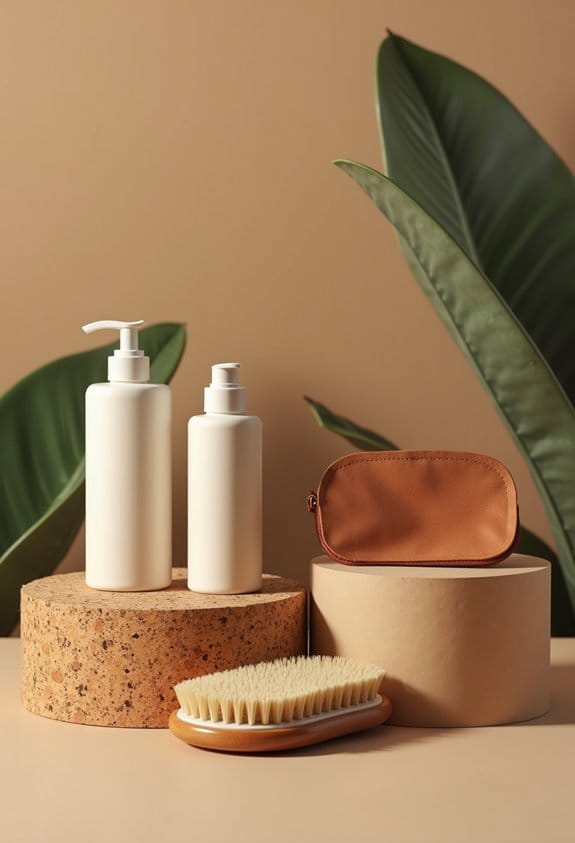
Removing Scuffs From Vegan Leather: What Works and What Doesn’T

Removing scuffs from vegan leather isn’t rocket science, but it needs a gentle touch! Since vegan leather resists oils and can crack under harsh chemicals, using a soft microfiber cloth with mild soap or distilled white vinegar works wonders on light marks. Magic erasers may help, but beware—they can be a bit aggressive. Avoid strong solvents, or you’ll end up with peeling! Want to keep that faux-leather looking fresh and flawless? There’s smarter care ahead to keep scuffs at bay.
Key Takeaways
- Gently clean scuffs with a soft microfiber cloth and mild soap to avoid damaging vegan leather’s non-porous surface.
- Distilled white vinegar on a soft cloth effectively removes stubborn scuff marks without harsh chemicals.
- Avoid abrasive tools and harsh chemicals like alcohol or acetone, as they cause cracking and peeling.
- Test cleaning methods on a small hidden area first to prevent discoloration or material damage.
- Regular conditioning and using protective sprays keep vegan leather flexible and minimize scuffs over time.
Understanding Vegan Leather and Its Sensitivity
You may be interested



Vegan leather, often crafted from materials like polyurethane (PU) or polyvinyl chloride (PVC), offers an animal-friendly alternative to traditional leather, but it comes with its own quirks. Unlike real leather, vegan leather’s non-porous surface won’t soak up oils or conditioners, making it a bit fussier to maintain. Have you ever tried scrubbing something only to make it worse? That’s why harsh chemicals are a big no-no—they can cause cracking or peeling faster than you can say “clean.” Instead, gentle cleaning methods using mild soaps or professional-grade products work best. Regular conditioning also keeps vegan leather flexible, preventing stiffening or chipping. So, while it’s eco-friendly and stylish, taking care of vegan leather requires a thoughtful approach—because nobody wants a jacket that flakes like old paint! Using products made with recycled materials can further support sustainable fashion choices while maintaining your vegan leather items.
Common Causes of Scuffs on Vegan Leather
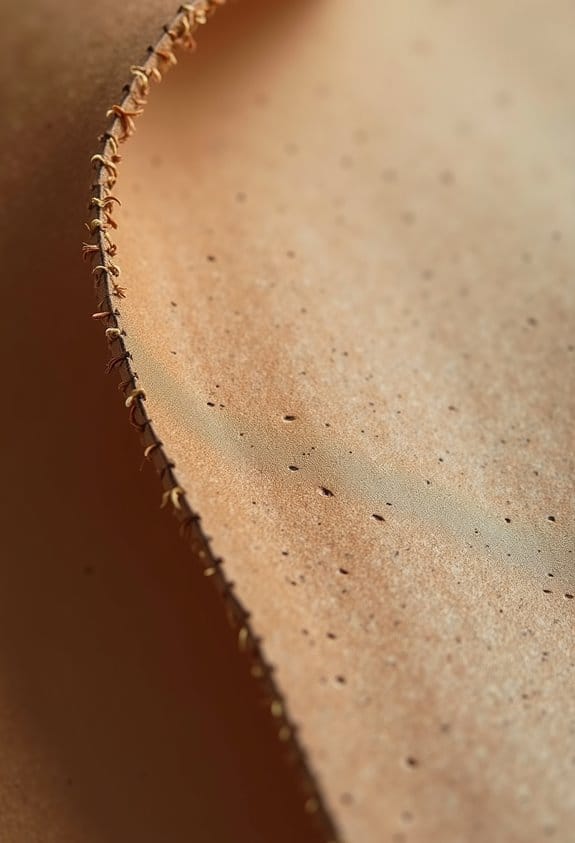
Several everyday situations can cause those frustrating scuff marks on vegan leather items, turning sleek surfaces into scratched messes. Most scuffs happen when vegan leather brushes against rough surfaces like walls or sharp furniture edges during everyday movement or storage. Footwear, often a superstar of scuff susceptibility, faces constant friction with hard grounds, making marks almost inevitable. Ever notice how keys or jewelry can leave unpleasant scratches? That’s another common culprit sneaking up on your precious material. Even the way accessories cuddle up in storage can cause rubbing, resulting in scuffs. Surprisingly, environmental factors like temperature swings and humidity changes can also weaken the surface’s elasticity, leaving it more vulnerable. So, handling vegan leather with some care can avoid scuffs—but who hasn’t bumped into trouble? Additionally, choosing vegan leather products with non-toxic materials can help maintain durability and reduce surface damage over time.
Immediate Steps to Take When a Scuff Appears
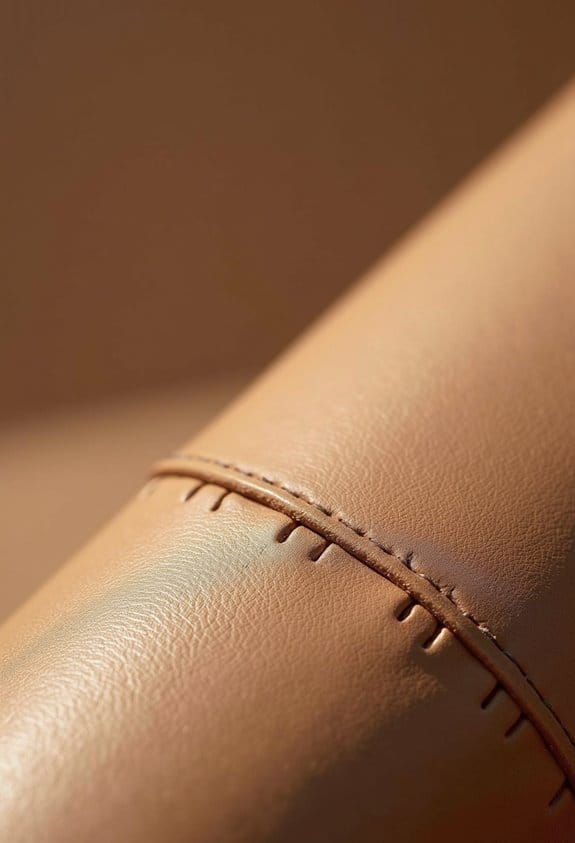
When a scuff suddenly appears on that prized piece, swift action can save the day (and the look). First, gently wipe the area with a soft microfiber cloth to remove any dirt—because no one wants extra grime rubbing in! Next, a dampened clean cloth with mild soap can work wonders; rubbing in a gentle circular motion carefully lifts the mark without harsh scrubbing. If the scuff is stubborn, a tiny dab of distilled white vinegar on a clean cloth might just break it down, but caution—test carefully! Afterward, dry the spot thoroughly to avoid water damage. Quick, gentle, and precise steps keep vegan leather looking fresh; who knew saving the day could be this simple? For ongoing maintenance, regular cleaning and proper storage promote material sustainability and extend the life of vegan leather items.
Effective Home Remedies for Light Scuffs
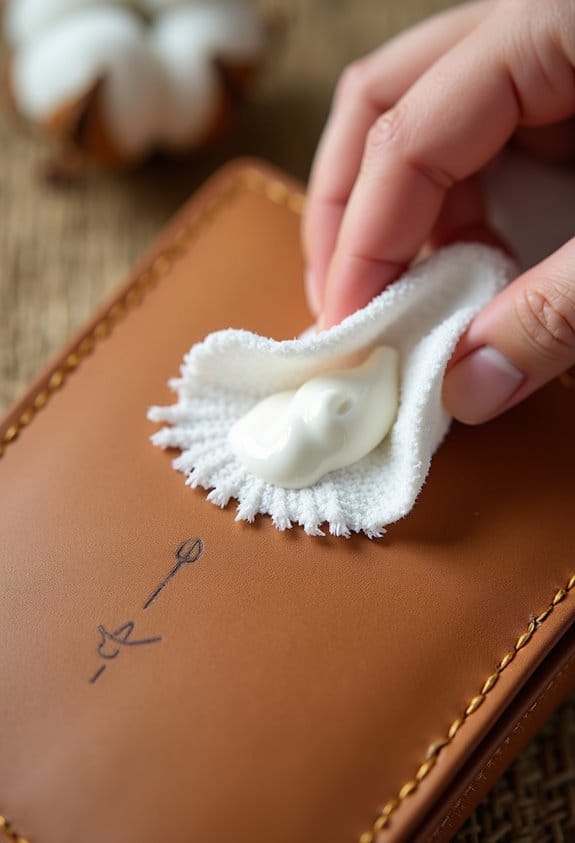
Tackling light scuffs on faux leather can be surprisingly straightforward with a few common household items. Using a damp microfiber cloth is a gentle way to wipe away surface marks without harming the vegan leather’s delicate finish. For a deeper clean, mixing mild soap with water and applying it to a soft cloth allows for effective scuff removal while keeping the material intact. Ever tried rubbing a magic eraser carefully? It can zap away superficial scuffs, but overdoing it may cause unintended damage—so, go easy! Another favorite? Distilled white vinegar on a soft cloth, working like a natural scuff lifter. Quick, simple, and budget-friendly—who knew cleaning could be this satisfying? Regularly cleaning and promptly treating marks keeps vegan leather looking sharp and extends its life. To maintain the material’s quality, it’s also important to use products designed to support shock-absorbing soles and prevent wear during daily use.
Professional Products Designed for Vegan Leather Scuff Repair
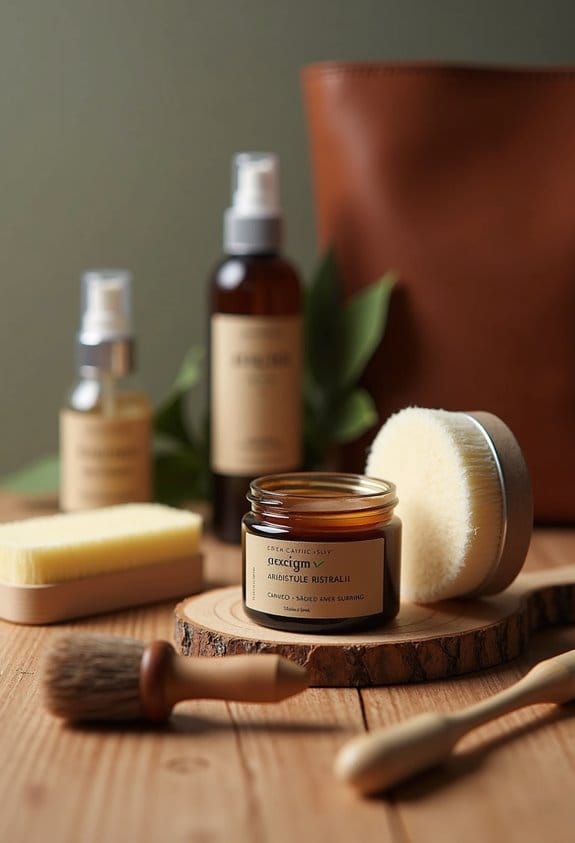
Home remedies can work wonders on light scuffs, but sometimes your vegan leather needs a bit more specialized care. That’s when professional products come into play, boasting specialized formulations designed specifically for vegan leather. These aren’t your average cleaners—they penetrate the material carefully, ensuring no damage while effectively restoring appearance. Many come with color-matching options, blending repairs seamlessly, so goodbye to awkward mismatched patches! Some creams and sprays even add a protective barrier, helping fend off future scuffs and stains. Who wouldn’t want their faux leather to stay looking fresh longer? Regular use of these professional products can extend the life of vegan leather goods, making them look newer and minimizing everyday wear. Choosing brands labeled for vegan leather guarantees the right care for your synthetic treasures. Additionally, using gentle cleaners and protective sprays recommended for synthetic materials helps maintain fabric integrity and prolong the shoe’s lifespan.
How to Use a Vegan Leather Conditioner to Restore Appearance
Revealing the secret to a fresh, supple look for vegan leather often starts with a dedicated conditioner designed just for synthetic materials. A vegan leather conditioner works to penetrate and moisturize, keeping the surface flexible and shiny—kind of like a spa day for your favorite bag. To restore appearance, one should apply a small amount onto a clean microfiber cloth and rub it in gently using circular motions; this spreads the product evenly without causing damage. Regular conditioning, roughly every three to six months, prevents drying or cracking, prolonging the item’s life. Always test first on an unseen spot to avoid surprises (no one wants a color makeover). Finally, removing any excess with a dry cloth prevents greasy buildup that attracts dirt and more scuffs—talk about a double win! Many vegan leather products are made with eco-friendly materials, so using a conditioner tailored for synthetics helps maintain their durability and ethical appeal.
Techniques to Avoid When Treating Vegan Leather Scuffs
Although it might be tempting to reach for common household cleaners or DIY fixes when scuffs appear on vegan leather, some methods can do more harm than good. For instance, harsh chemicals like bleach or acetone should be avoided; they can cause cracking and discoloration, ruining the material’s look. Many also make the mistake of over-wetting vegan leather, which can lead to warping or peeling—definitely not the proper care to look your best! Abrasive scrubbers? Big no-no—they scratch the surface and leave permanent marks. And while it might sound natural, avoid using cooking oils; they stain and attract dirt. Finally, don’t ever apply heat with a hairdryer, as it distorts shape and texture. Who knew scuff-fighting needed such finesse? Using gentle care methods with mild soap and a damp cloth is key to maintaining the material’s integrity and appearance.
Long-Term Maintenance Tips to Prevent Future Damage
Mistakes made while treating scuffs can sometimes feel like a battle lost, but keeping vegan leather in top shape over the long haul is actually quite manageable. Regularly cleaning with a mild soap solution helps wipe away dirt that quietly invites scuffs—imagine it as a gentle wake-up call for your favorite jacket! Applying a vegan leather conditioner every few months keeps the material soft and flexible, preventing the dreaded cracking and peeling that no one wants. Protective sprays act like tiny bodyguards, creating invisible barriers against stains and scrapes, extending your item’s lifespan. Plus, storing vegan leather away from sunlight and heat avoids fading. Quick spill cleanup? Absolutely essential. Selecting shoes with durable vegan leather uppers also helps reduce wear and tear during daily use. With these tips, future damage becomes less of a threat—wise maintenance wins the war every time!
Frequently Asked Questions
How to Get Scuff Marks Out of Vegan Leather?
Studies show 65% of vegan leather users struggle with scuff marks. Effective cleaning methods include gentle soap solutions, magic erasers, and vinegar. Incorporating scuff prevention tips into regular vegan leather maintenance guarantees prolonged material durability and appearance.
What Is the Best Cleaner for Vegan Leather?
The best cleaner for vegan leather incorporates gentle cleaning solutions like non-toxic all-purpose cleaners or mild soap mixtures. Effective vegan leather care relies on stain removal techniques that preserve material integrity without harsh chemicals or abrasive tools.
Will White Vinegar Damage Faux Leather?
White vinegar can be as volatile as a tempest to faux leather if misused, potentially damaging material durability. Proper dilution and immediate blotting make it a manageable cleaning solution, emphasizing the importance of preventative care for longevity.
Will Rubbing Alcohol Damage Faux Leather?
Rubbing alcohol can negatively affect vegan leather durability by stripping protective coatings and causing dryness. Safer alternative cleaning methods include mild soap solutions or specialized cleaners, which maintain material integrity and prevent the harsh effects of alcohol on faux leather.