As an Amazon Associate, we earn from qualifying purchases. Some links on this site are affiliate links at no extra cost to you. Our recommendations are based on thorough research and editorial judgment.


Apple-Based Vegan Leather: What’s Plant, What’s Plastic

Apple-based vegan leather is half plant, half plastic—50% comes from apple waste like pomace and peel, and 50% is polyurethane (a type of plastic). This clever mix cuts carbon emissions by over 5 kg per kilogram compared to regular PU leather, making it a greener choice. But don’t be fooled; it’s not 100% natural. The plastic part adds durability but complicates biodegradability. Curious about how this blend works and what’s next for apple leather? Keep exploring!
Key Takeaways
- Apple leather is composed of 50% plant-based material from apple pomace and peel, and 50% synthetic polyurethane plastic.
- The plant portion comes from dehydrated apple waste, offering eco-friendly appeal and reducing food waste.
- Polyurethane, a petroleum-derived plastic, is necessary for durability but limits biodegradability and full sustainability.
- Certifications like OEKO-TEX and USDA Biopreferred ensure limited harmful chemicals despite the plastic content.
- Ongoing innovations aim to replace plastic coatings with greener alternatives to improve plant-based composition.
Origins and Development of Apple Leather
You may be interested


The story of apple leather begins in the picturesque northern Italian city of Bolzano, where Alberto Volcan first dreamed up this clever material back in 2004. Teaming up with Frumat, a waste recycling company, and manufacturer Mabel, Volcan transformed leftover apple pomace and peel—otherwise destined for the compost heap—into a durable material by blending it with polyurethane. This eco-friendly innovation doesn’t just reuse waste; it slashes carbon dioxide emissions by 5.28 kg per kilogram compared to traditional PU leather. Apple leather’s impressive manufacturing process earned it certifications like PETA approved Vegan, USDA Biopreferred, and OEKO-TEX. So, how did apple peels become fashion statements? By cleverly turning fruit remnants into sustainable style, apple leather proves green innovation can be pretty sweet indeed! It is also prized for its sustainability and biodegradability, using significantly less water than traditional leather production.
Manufacturing Process of Apple Leather

Countless apple cores and peels wouldn’t usually catch anyone’s eye, but here they become the stars of a smart manufacturing process. Apple waste, like pomace and peel, is powdered and dehydrated, then mixed with polyurethane—yes, plant meets plastic—to form apple leather that’s half real fruit. This blend is carefully spread onto a cotton backing, sometimes mixed with polyester, creating a soft yet tough fabric perfect for small accessories. Why cotton backing? It adds strength and comfort, making apple leather feel almost like the genuine article. This manufacturing process highlights sustainable practices by turning millions of tons of fruit waste into something useful, while slashing carbon emissions—1 kg of apple leather saves 5.28 kg of CO2 versus traditional PU leather. Similarly, pineapple leather often reduces carbon emissions by up to 70%, showcasing the powerful environmental benefits of plant-based leathers.
Environmental Impact of Apple Leather Production
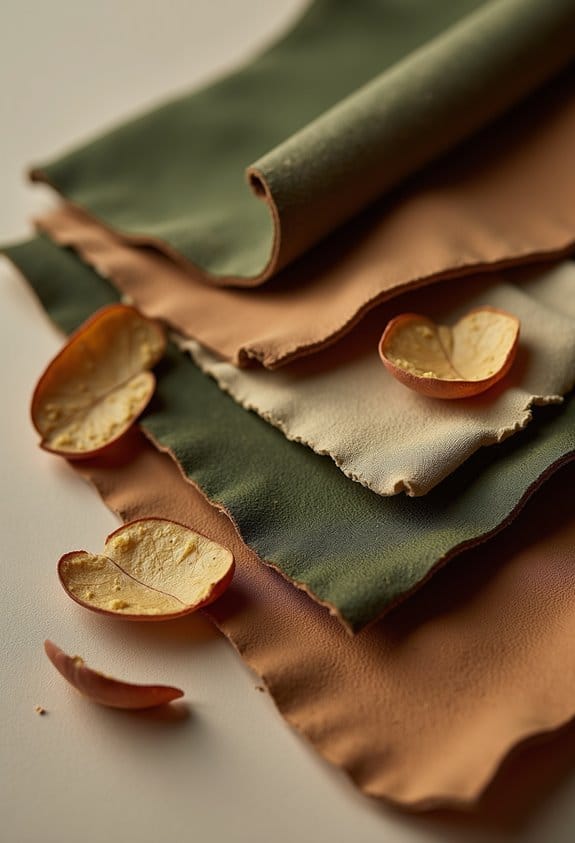
While some might dismiss fruit scraps as mere kitchen trash, apple leather production turns this waste into an environmental win. By using apple pomace—leftover from juicing—apple leather, which is 50% plant-based, cuts carbon emissions compared to fully synthetic materials. Waste reduction is a key benefit: 1 kg of apple leather reclaims apple waste that would have generated 5.28 kg of CO2 emissions, preventing methane release in landfills. Life Cycle Assessment data reveals this sustainable alternative also lowers land use and marine pollution, a bonus for eco-conscious consumers. Could apple leather be the fruit-powered answer to conventional faux leather’s environmental troubles? Its smart mix balances nature and necessity—an exciting step forward in plant-based innovation. Who knew trash could be so trendy? Furthermore, the use of sustainable apple waste in production promotes recycling efforts crucial for a circular economy.
Material Composition: Plant-Based vs. Synthetic Components

Because apple leather blends half plant-based goodness with half synthetic strength, it walks a fine line between eco-friendly appeal and practical durability. Apple leather combines 50% apple waste—mainly pomace and peel—with 50% polyurethane, a plastic polymer that boosts durability. This mix helps create a tougher, longer-lasting plant-based leather, but it also means synthetic materials remain part of the equation. While apple leather reduces CO2 emissions compared to fully plastic counterparts, it’s not entirely free from environmental impact and struggles with biodegradability. So, is it the best of both worlds or a clever compromise? For those craving sustainable style with lasting wear, apple leather offers a promising middle ground—but keep in mind, its synthetic side still plays a role in plastic pollution challenges. Additionally, selecting materials verified by certifications such as OEKO-TEX ensures greater confidence in their sustainability credentials.
Certifications and Industry Standards
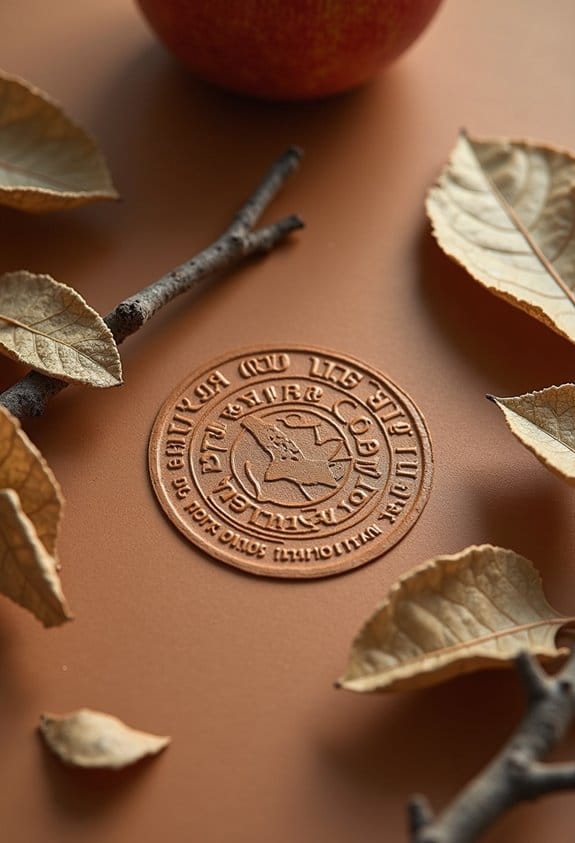
Its blend of natural apple byproducts and synthetic polymers raises important questions about quality and responsibility. Apple leather is PETA approved Vegan, USDA Biopreferred, and OEKO-TEX certified—credentials that show it’s not just a fashion fad. Using 50% apple waste, the material taps into renewable resources and champions sustainability by reducing food industry leftovers. The USDA label highlights this clever use of nature’s leftovers, ensuring the product qualifies as verified sustainable. OEKO-TEX certification guarantees no nasty chemicals lurk beneath the surface, protecting both wearer and environment. These rigorous standards offer transparency and trust, answering the growing hunger for eco-friendly fashion alternatives. So next time you spot apple leather, remember: it’s a certified blend of ethics and innovation, making greener choices a bit tastier! Incorporating vegan certification ensures the material is free from animal-derived ingredients, aligning with ethical and eco-conscious fashion values.
Durability and Practical Use of Apple Leather
Many people wonder if apple leather can truly match traditional leather in durability and everyday use. This vegan leather blends 50% apple waste with polyurethane, a clever combo boosting durability and practical use—perfect for wallets and bags enduring daily wear. Its coating on cotton/polyester backing means it resists typical scuffs and scratches, offering longevity comparable to classic leather. Though not fully biodegradable (that pesky polyurethane again), apple leather reduces waste and carbon footprint considerably, saving about 5.28 kg of CO2 per kilogram produced versus conventional PU leather. Plus, it feels softer and breathes better, enhancing comfort without sacrificing strength. So, sustainable options can still stand up to life’s rough-and-tumble moments—proving apple leather is no softie, but a tough, eco-friendly contender in the vegan leather arena. This material’s lightweight construction makes it not only durable but also comfortable and versatile for daily use.
Comparing Apple Leather With Other Plant-Based Leathers
While apple leather cleverly mixes 50% apple waste with polyurethane for durability, how does it stack up against other plant-based leathers? Cactus leather, made from mature nopal cactus leaves, is impressively biodegradable and free from harmful chemicals, unlike apple leather, which relies partly on synthetic polyurethane. Pineapple leather, or Piñatex, uses pineapple leaf fibers but also depends on non-biodegradable polyurethane resin. Both apple and cactus leather offer eco-friendly alternatives, saving significant carbon emissions—apple leather saves 5.28 kg CO2 per kg produced, while cactus farms absorb thousands annually. Yet, cactus leather shines with a ten-year durability test and minimal environmental impact. Apple leather balances nature and tech but falls short in full biodegradability. So, plant-based leathers vary a lot—choose wisely if eco-friendly and practicality matter! Additionally, some sustainable footwear opts for biodegradable materials to further reduce environmental footprints.
Challenges and Limitations of Apple-Based Vegan Leather
Apple-based vegan leather faces some tricky challenges despite its innovative appeal. It’s made of roughly 50% apple waste and 50% polyurethane, meaning it’s not entirely plant-based or biodegradable—sorry, nature lovers! This mix improves durability but also includes 30% petroleum-derived polyurethane, raising questions about its true environmental impact. While apple leather produces fewer CO2 emissions than traditional leather, can it really claim to be eco-friendly with fossil fuels involved? Another snag: consumer transparency. Many buyers might assume it’s fully natural, but the plastic content clouds those good vibes. So, while apple leather offers a promising middle ground between synthetic and plant-based options, it still struggles with material honesty and balancing durability versus sustainability. Can it squash these challenges without losing its green glow? Time will tell. Considering factors like breathability and ventilation is crucial in evaluating alternative materials’ overall benefits and user comfort.
Future Prospects and Innovations in Apple Leather
Although still a work in progress, apple leather’s future looks remarkably bright, fueled by ongoing innovations that aim to shrink its environmental footprint even more. Currently made of 50% plant-based materials mixed with polyurethane, this sustainable material already reduces CO2 emissions by transforming apple waste into durable leather-like products. But could apple leather get even greener? Researchers in biopolymers are diving deep, experimenting with fully biodegradable formulations to cut out plastics entirely (yes, plastic-free apple leather!). Life cycle assessments show it outperforms synthetic leather in environmental impacts like land use and emissions—so why stop now? With smarter coatings and better production techniques, apple leather might soon become a true eco-champion. In the race for greener materials, isn’t innovation the apple of everyone’s eye? Many new plant-based leathers, including apple leather, also focus on reducing water usage significantly compared to traditional leather production.
Frequently Asked Questions
What Is Apple Vegan Leather?
Apple vegan leather is an eco-friendly material combining apple waste with polyurethane, offering durability comparable to traditional leather. It supports sustainable fashion by utilizing waste, aligns with market trends, and boosts consumer awareness of eco-friendly materials and production processes.
Does Apple Leather Contain Plastic?
Apple leather composition includes plastic, blending eco-friendly materials with polyurethane, balancing sustainability and durability. Its manufacturing processes promote sustainable fashion and animal cruelty alternatives, though it’s not fully biodegradable. Enhanced consumer awareness supports informed choices within evolving eco-conscious markets.
What Is Plant-Based Leather Made Of?
Plant-based leather is crafted from sustainable materials like fruit waste, offering textile innovation that reduces environmental impact. It provides cruelty-free alternatives for the fashion industry, promotes consumer awareness, and explores biodegradable options amid evolving eco-friendly solutions.
Is Vegan Leather Basically Plastic?
Vegan leather often contains significant plastic components, raising sustainability concerns and environmental impact issues. Manufacturing processes influence consumer perceptions, while the fashion industry explores alternative materials. Market trends increasingly favor innovative, less plastic-dependent options for better sustainability.