As an Amazon Associate, we earn from qualifying purchases. Some links on this site are affiliate links at no extra cost to you. Our recommendations are based on thorough research and editorial judgment.


Is Shoe Glue Vegan? The Adhesives Detail People Miss

Is shoe glue vegan? Often yes, but it’s not as simple as you think! Traditional shoe glues used horse-based ingredients, but today’s vegan shoes mostly rely on synthetic adhesives made from man-made materials. These modern glues excel in durability and water resistance—better than grandma’s glue trap! However, watch out for solvent-based glues that release pollutants and may harm workers’ health. Curious about which adhesives pass the vegan test and which don’t? There’s more to explore in this sticky topic!
Key Takeaways
- Most modern shoe glues in vegan shoes are synthetic, avoiding animal-based ingredients traditionally used in footwear adhesives.
- Animal-based glues, once common in shoemaking, have poor durability and are rarely used today due to advances in synthetic adhesives.
- Vegan shoe labels may not mention glue content, so checking for “all man-made materials” helps confirm cruelty-free adhesives.
- Synthetic adhesives offer better water resistance, flexibility, and durability, aligning with ethical and environmental manufacturing practices.
- Some synthetic adhesives emit VOCs, posing health and environmental concerns despite being vegan, requiring careful choice and ventilation.
Historical Use of Animal-Based Glues in Footwear
You may be interested



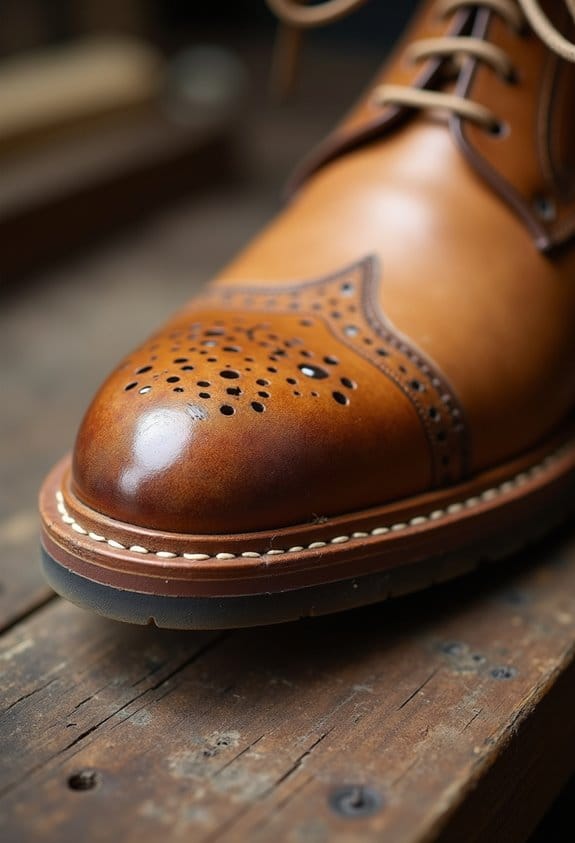
Though it may come as a surprise, shoemakers centuries ago relied heavily on animal-based glues, especially those made from horses, to hold their creations together. Historically, these glues played a vital role in footwear manufacturing, providing the necessary bond before modern methods emerged. However, while animal-based glues worked well enough, they struggled with stability and durability, especially under harsh weather conditions or when soles stretched during use. Despite their charm, these glues weren’t perfect, leading to advancements in adhesive technology. Synthetic adhesives eventually stole the show, offering stronger, longer-lasting bonds without the quirky limitations of their animal-based predecessors. Ethical concerns? Not so much the driver here—it was mostly about making shoes that stayed put! So, next time you slip on your shoes, remember how far adhesive science has come since those humble horse-based glues. Modern cruelty-free dress shoes often utilize these Synthetic adhesives not only to enhance durability but also to align with vegan and ethical manufacturing standards.
Transition to Synthetic Adhesives in the Shoe Industry

As adhesive technology evolved, the shoe industry naturally shifted away from traditional animal-based glues—those once popular horse-derived adhesives—to embrace synthetic alternatives that pack a serious punch. This change wasn’t driven by vegan ideals alone, but more by synthetic adhesives offering better performance and durability under real-world conditions. Animal-based glues have become a rarity in footwear, mostly found now in woodworking and bookbinding. Synthetic shoe adhesives resist water, flex with foot movements, and hold up longer, making them the smart choice for manufacturers and wearers alike. Vegan companies confirm this shift, showing that most modern shoes rely on synthetic bonding. So, while ethics might win some applause, it’s really the practical gains in strength and weather resistance that cement synthetic adhesives’ place in today’s shoe industry. Many sustainable work boots also utilize these synthetic adhesives as part of their commitment to eco-friendly materials and durability.
Technical Advantages of Synthetic Shoe Glues
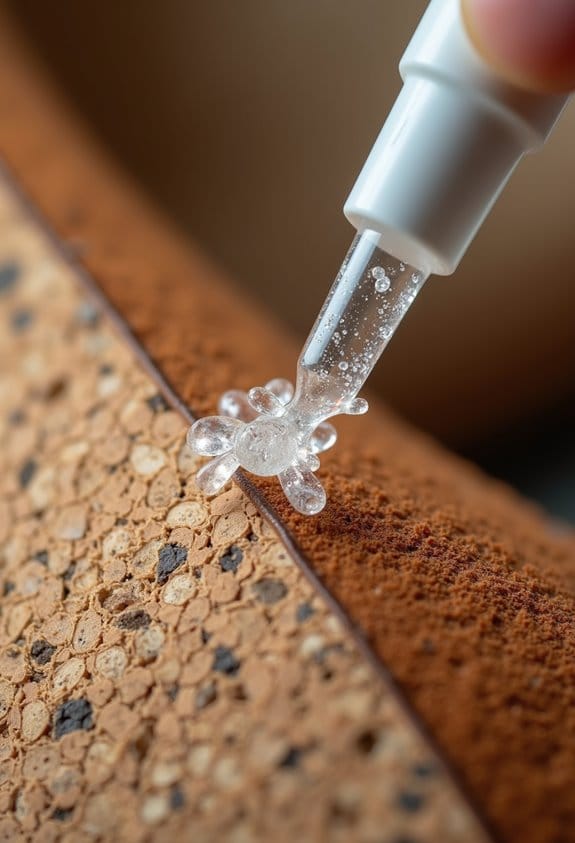
Synthetic shoe glues have revolutionized footwear manufacturing, offering a winning combo of strength, flexibility, and durability that animal-based glues simply can’t match. Modern synthetic adhesives provide superior stability, ensuring shoes perform well regardless of weather conditions—rain or shine, they hold up! Unlike animal-based glues, these synthetics resist deterioration over time, handling stress and stretching with ease. Their impressive durability extends the life of shoes while speeding up production in the shoe industry, thanks to faster and more secure bonding. Plus, they minimize volatility—a win for workers’ health by creating a safer production environment. So, why stick with old-school glues that fade and flake? Modern synthetic adhesives deliver reliable, long-lasting performance that keeps both manufacturers and shoe lovers happily glued! Additionally, combining these adhesives with anti-slip soles enhances shoe safety and durability in various conditions.
Investigating Glue Composition in Vegan Shoes

Modern shoe brands have largely waved goodbye to glues made from horses, cows, or pigs—once common but now mostly retired from the scene. Today’s vegan shoes primarily feature synthetic adhesives, which offer superior durability and weather resistance compared to animal-based glues. But what exactly goes into glue composition? Most footwear uses man-made materials engineered for strength and flexibility, not farmyard leftovers. Yet, consumer awareness remains essential—some brands still confuse shoppers by not clearly labeling glue content. Thankfully, phrases like “all man-made materials” often hint at vegan-friendly glue, making shopping less of a guessing game. So, while animal-derived glues have mostly trotted off into history, a quick ingredient check never hurts—because who wants their sneakers stuck together by a cow’s old glue? Many vegan canvas sneakers also incorporate water-based adhesives as part of their sustainable production practices.
Environmental and Health Concerns of Solvent-Based Adhesives

Though solvent-based adhesives excel at sticking shoes together, they often come with a hidden downside: volatile organic compounds, or VOCs. These sneaky chemicals release into the air during glue application, causing not only poor indoor air quality but also contributing heavily to environmental contamination like soil and groundwater pollution. Workers exposed to VOCs may suffer immediate health effects, such as headaches and respiratory irritation—not exactly a glamorous job perk! Even worse, long-term exposure can lead to chronic risks, making safety in glue booths a serious concern. Factory ventilation often falls short, allowing VOC levels to soar. So, while solvent-based adhesives might hold your shoes firmly, their environmental and health footprint is no small matter—something shoe lovers and factory workers alike should think twice about! Opting for shoes with water-based adhesives can significantly reduce these harmful impacts.
Benefits and Safety of Water-Based Adhesives
Many shoe manufacturers have enthusiastically embraced water-based adhesives, and it’s easy to see why. These glues considerably cut VOC emissions, greatly improving air quality and making factory workers breathe easier—literally. Without hazardous fumes, employee health improves, boosting workplace morale. But don’t think water-based means weak; their strong bonding capabilities rival traditional solvent-based types, ensuring excellent footwear durability. Add quick drying times, perfect for fast-paced production, and you have a winning combo. Plus, cleanup is a breeze, requiring only soap and water, which reduces environmental impact and wastes less. Isn’t it invigorating when safety and strength team up? Water-based adhesives offer a smarter, greener solution that balances effective shoe construction with responsible manufacturing practices. Shoes that stick well and factories that don’t stink? Sign us up! Incorporating these adhesives alongside non-toxic dyes further minimizes environmental harm and supports sustainable material choices.
Consumer Awareness and Transparency in Shoe Glue Ingredients
How much do consumers really know about the sticky stuff holding their shoes together? Despite advances in synthetic adhesives within footwear production, many remain unaware of shoe glue ingredients, often missing the fine print on animal-derived components like collagen or gelatin. Transparency is lacking, as numerous brands keep adhesive sources under wraps, leaving shoppers guessing if their favorite vegan-friendly shoes truly avoid non-vegan additives. This gap in consumer awareness challenges ethical shopping efforts and fuels calls for clearer disclosure from manufacturers. After all, it’s not just about style—it’s about values sticking together! Increased dialogue around glue ingredients and demands for transparency signal a shift toward more responsible, informed footwear choices where ethics and comfort go hand in hand. Shoe glue matters, and so should what’s inside it. Choosing footwear with material sustainability can further align purchase decisions with ethical and environmental values.
How to Identify Truly Vegan Adhesive Products
Where does one begin when trying to spot truly vegan adhesives? Start with glue labels that proudly flaunt “vegan” or “plant-based” badges, steering clear of any hint of animal-derived ingredients like gelatin, casein, or collagen. Some sticky culprits hide less obvious ingredients such as blood meal or shellac—surprise! Many household adhesives may blur the lines, claiming synthetic but slipping in animal components sneakily. Thankfully, plant-based alternatives, often made from cellulose or starch, provide cruelty-free, effective options for conscientious consumers. Isn’t it invigorating to find glue that sticks without guilt? Transparency is key—checking brand ingredient lists and engaging in communities can expose questionable practices and fuel demand for clearer labels. After all, who wouldn’t want their adhesive to be as ethical as their footwear? Additionally, understanding the materials and construction behind vegan products can help ensure you choose adhesives that align with sustainable and cruelty-free values.
The Role of Ethical Manufacturing in Footwear Choices
Choosing footwear today isn’t just about style or comfort—it’s increasingly about how shoes are made, especially the glues holding them together. Ethical manufacturing now drives many brands to ditch animal-based glues in favor of cruelty-free, synthetic adhesives that last longer and better respect the environment. With growing consumer demand for vegan-certified products, transparency matters more than ever—shoppers want to know if their shoes use sustainable materials and adhesives free from animal cruelty. This shift reduces environmental impact by cutting reliance on resource-heavy animal agriculture, making the process kinder to both animals and the planet. So, next time you pick shoes, consider ethical manufacturing—it’s not just a trend, but a movement toward smarter, more compassionate choices (and who wouldn’t want that?). Many vegan ankle boots now incorporate sustainable materials that further reduce carbon footprints and environmental harm.
Frequently Asked Questions
What Is the Vegan Glue for Shoes?
Plant-based glues serve as the invisible thread stitching vegan alternatives into footwear sustainability. These eco-friendly options, favored by adhesive brands, enable ethical choices in sneaker care and shoe repair, embracing cruelty-free materials for impactful DIY projects.
What Is Shoe Glue Made Of?
Shoe glue ingredients typically include synthetic adhesives and occasionally animal-derived components. Adhesive types vary by industrial applications, with vegan alternatives growing. Material sourcing, crafting methods, adhesive regulations, and product labeling influence environmental impact and consumer preferences.
What Is Vegan Glue Made Of?
Vegan glue consists of plant-based adhesives, synthetic alternatives, and biodegradable materials, emphasizing ethical sourcing and sustainable practices. It excludes animal-derived ingredients, boasts reliable adhesive properties, and often carries vegan certifications to promote eco-friendly options and consumer awareness.
Does Nike Use Vegan Glue?
Nike shoe adhesives primarily use synthetic materials, aligning with sustainability in fashion and eco friendly materials but lack full sneaker production transparency. Ethical footwear choices remain debated, fueling consumer awareness initiatives around vegan brand options and animal welfare concerns.