As an Amazon Associate, we earn from qualifying purchases. Some links on this site are affiliate links at no extra cost to you. Our recommendations are based on thorough research and editorial judgment.


Is Microfiber Vegan Leather More Durable Than PU?

Is microfiber vegan leather more durable than PU leather? Absolutely! Thanks to tightly woven ultra-fine fibers, microfiber can handle over 100,000 flex cycles and often lasts 10 to 15 years—way longer than PU’s typical 3 to 5 years. Plus, it resists water and wear better (no cracking or peeling here!). Microfiber’s eco-friendly production and lasting quality make it a savvy choice. Curious about how this durable hero stacks up in costs and style? Let’s explore further.
Key Takeaways
- Microfiber vegan leather is denser and more robust than PU leather, enhancing wear resistance and longevity.
- It can withstand over 100,000 flex cycles without damage, showing higher flexibility than PU leather.
- Microfiber leather lasts 10-15 years, significantly outlasting PU leather’s typical 3-5 year lifespan.
- Its three-dimensional fiber structure offers superior water resistance compared to PU leather.
- Microfiber leather resists cracking and peeling better, maintaining appearance longer than PU leather.
Understanding Microfiber Vegan Leather

You may be interested

Microfiber vegan leather is a modern marvel in the world of faux leather—impressive, isn’t it? Crafted from ultra-fine fibers woven tightly together, this material boasts remarkable durability and wear and tear resistance, often outlasting typical PU leather. Its superior water resistance means it can brave rain and spills better, making it a practical choice for various climates. Eco-friendliness also plays a starring role, as microfiber vegan leather typically avoids the harmful chemicals found in some PU leather productions, appealing to environmentally conscious buyers. With a lifespan averaging 10 to 15 years—provided it’s well cared for—this material balances performance and sustainability smartly. In short, microfiber vegan leather isn’t just another imitation; it’s a tough, stylish, and greener alternative to traditional PU leather. Who knew faux could be this good? Many high-quality vegan products, like cushioned vegan running shoes, leverage such durable and eco-friendly materials to enhance both comfort and environmental responsibility, exemplifying the benefits of vegan-friendly designs in practical applications.
Characteristics of PU Faux Leather
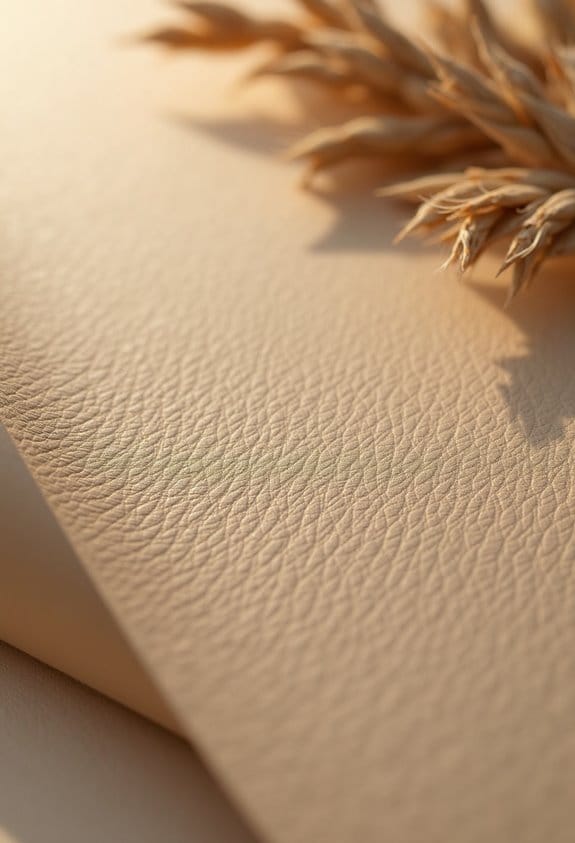
Artificial leather made from thermoplastic polymers, commonly known as PU faux leather, offers a stylish and budget-friendly alternative to genuine leather. Made from synthetic fibers, PU provides good abrasion resistance and wear resistance, making it ideal for daily use on furniture and shoes. Unlike microfiber, PU does not absorb water, offering easy-to-clean surfaces and practical water resistance—no more worrying about spilled coffee! However, its synthetic nature brings a significant environmental impact since PU is not biodegradable, raising concerns about disposal. PU is often 50-70% cheaper than real leather, which explains its popularity. While lacking the unique textures of genuine leather or the finer breathability of microfiber, PU remains a durable, affordable choice for those seeking synthetic leather with decent longevity and straightforward care. It’s also worth noting that biodegradable materials in footwear can significantly reduce environmental footprints compared to non-biodegradable options like PU.
Structural Differences Between Microfiber and PU Leather
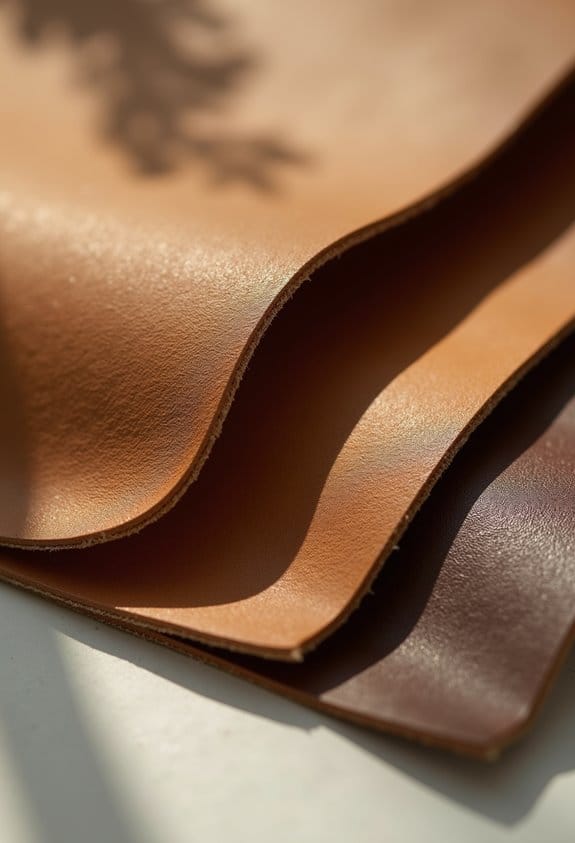
When comparing synthetic leathers, structural differences stand out as key factors influencing quality and performance. Microfiber leather is made from tightly woven ultra-fine fibers, creating a dense, robust composition. In contrast, PU leather tends to have a less compact base fabric, making it less durable overall. This unique structure gives microfiber leather impressive wear resistance and abrasion toughness—think of it as the heavyweight champion of synthetic hides. Additionally, microfiber’s three-dimensional makeup boosts its water resistance, unlike PU leather, which can become soggy over time. Ever wonder why microfiber can handle over 100,000 flex cycles without peeling and cracking? Its durable design is the secret! Meanwhile, PU leather might start showing wear much sooner, with more visible damage after extended use. Clearly, structure matters when durability is on the line. Choosing materials with wear resistance and abrasion toughness is essential for sustainable footwear longevity.
Durability Comparison: Flexibility and Resistance
Although synthetic leather options abound, not all are created equal in the durability department. Microfiber leather boasts superior durability thanks to its tightly woven, ultra-fine fibers and unique three-dimensional structure, which enhances both flexibility and wear resistance. Can PU leather keep up? Not quite. While PU leather has a flatter makeup, microfiber’s design allows it to endure over 100,000 flex cycles, markedly surpassing typical PU leather’s lifespan. This means microfiber leather resists stretching and cracking far better, especially under high-traffic usage. Plus, it’s naturally more water-resistant—handy for those unexpected spills (or spilled coffee, anyone?). With a longevity of 10-15 years when cared for properly, microfiber leather clearly offers a robust, flexible alternative, making it a wise choice for durable, stylish vegan leather products. Additionally, some innovative materials like apple leather are emerging, combining sustainability with impressive durability.
Water Resistance and Wear Resistance Analysis
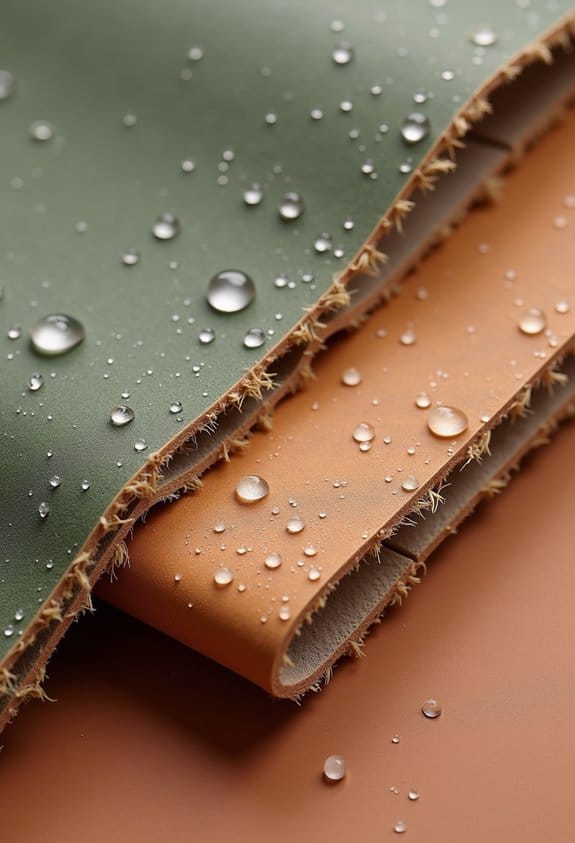
Water resistance and wear resistance are key features that set microfiber vegan leather apart from traditional PU leather. Thanks to its tightly woven fibers, microfiber leather offers superior scratch resistance and considerably less moisture absorption, making it far more water resistant. Could your PU leather do the same? Probably not—with a tendency to peel and crack, it struggles under wet conditions and prolonged use. Studies show microfiber leather can withstand over 100,000 flex cycles, highlighting its impressive durability and longevity compared to PU leather. This robust structure improves overall performance, ensuring products last longer without showing wear and tear. So, if you’re seeking a material that truly stands up to daily life’s challenges (and missteps), microfiber vegan leather’s water resistance and wear resistance might just make it the smarter, tougher choice! Additionally, vegan high heels made from materials like microfiber are known for their comfort due to cushioned insoles designed for all-day wear.
Maintenance and Cleaning Requirements
Maintenance can make or break the lifespan of any leather alternative—microfiber vegan leather proves its worth by demanding far less fuss than traditional PU leather. Thanks to its water-resistant nature, microfiber leather easily resists stains and requires only regular dusting and spot cleaning with mild soap to keep its fresh look. PU leather, less forgiving to wear and tear, often needs more delicate cleaning to avoid surface damage—which sounds like a hassle, right? Though microfiber attracts pet hair and dust, simple vacuuming or lint rolling handles this with ease. Its superior durability means with proper maintenance, microfiber leather can last 10-15 years, far outlasting PU leather’s typical 3-5 years. So, isn’t longevity and low-maintenance care a winning combo? Additionally, choosing alternatives like mushroom leather sneakers, made from mycelium-based materials, highlights how sustainable options can combine durability with eco-friendly benefits.
Environmental Impact of Both Materials
The story of leather alternatives doesn’t end with maintenance—it extends into their environmental footprints, where microfiber vegan leather shines in its own unique way. Both microfiber leather and PU leather offer noticeably lower carbon footprints than real leather, at about 15.8 kg CO2e/m² compared to 110 kg CO2e/m²—quite the difference! Microfiber leather gains points for often using recycled materials in its production process, reducing waste more than PU leather, which contains stubborn synthetic components limiting recyclability. When it comes to water usage, microfiber leather typically consumes less than PU leather, another win for sustainability. While neither material is biodegradable, microfiber’s durability means fewer replacements, cutting environmental impact over time. So, when thinking eco-friendly, microfiber leather might just be the smarter choice—saving the planet, one stitch at a time! Additionally, choosing products made with biodegradable materials can further reduce environmental damage by breaking down more quickly after disposal.
Cost Implications and Longevity
How much does durability really affect cost when choosing between microfiber vegan leather and PU leather? Microfiber leather offers remarkable longevity, lasting up to 25 years, while PU leather barely reaches 3-5 years. Sure, microfiber’s manufacturing cost ranges from $50 to $150 per square meter, higher than PU leather, but doesn’t this extra durability pay off? It resists wear and tear, moisture absorption, and survives over 100,000 flex cycles—talk about tough! PU leather, though cheaper upfront, needs frequent replacement, making microfiber a more cost-effective synthetic leather alternative over time. Is it worth investing in something that stays looking sharp longer, or settling for a quick fix? Given microfiber’s blend of durability and longevity, it makes a compelling case for those valuing long-term savings and quality in vegan leather choices. Moreover, selecting materials with a lower environmental footprint contributes to sustainable and ethical manufacturing practices, enhancing overall value beyond durability alone.
Suitability for Various Applications
Choosing the right vegan leather isn’t just about cost or lifespan—it also depends on what the material will actually be used for. Microfiber leather, known for its superior durability, handles scratches and scuffs better than PU leather, making it a top choice for high-demand applications like furniture and car upholstery. Its water-resistant quality suits travel bags and outdoor gear, where moisture is no friend. PU leather, although more common, often falls short in longevity and toughness. For eco-conscious consumers, microfiber leather offers an eco-friendly option that aligns with sustainable fashion values. With a lifespan up to 25 years, it outperforms PU’s mere 3 to 5, showing why it increasingly fits various applications, from rugged daily use to stylish vegan accessories—proof that toughness and green can go hand in hand! Additionally, selecting materials with water-resistant features is crucial for maintaining durability and comfort in various climates.
Aesthetic and Tactile Qualities
Texture and appearance matter a lot when it comes to vegan leather options—after all, nobody wants their jacket or sofa to scream “fake!” Microfiber vegan leather steals the spotlight here, mimicking real leather’s luxurious look and smooth feel far better than standard PU leather. Thanks to its tightly woven fibers, microfiber boasts a polished look that even skeptics might admire, combining durability with that rich, inviting texture. Unlike polyurethane leather, which can crack and peel, microfiber maintains its appearance with less visible wear and tear, ensuring it stays stunning longer. Plus, its superior breathability offers a comfortable, soft touch that makes clothing and accessories feel less like plastic and more like the real (leather) deal. Who knew durability could look this good? Additionally, microfiber vegan leather is often crafted from bio-based or recycled materials, enhancing its eco-friendly appeal without compromising quality.
Making the Right Choice Based on Lifestyle and Values
When lifestyle demands both durability and eco-consciousness, microfiber vegan leather often pulls ahead of standard PU options. It stands out as a more durable material, resisting daily wear and tear with tightly woven fibers that last 10-15 years—quite the upgrade from PU leather’s typical 3-5 years. Water resistance is another win, making it practical for those soggy days or accidental spills. But is durability everything? For those weighing sustainability and ethical concerns, microfiber offers a cruelty-free alternative with fewer harmful chemicals, aligning well with conscious lifestyle choices. So, why settle for less? Choosing between microfiber vegan leather and PU leather depends on whether one values long-lasting quality, environmental impact, or both—a stylish and ethical decision, indeed!
Frequently Asked Questions
Is Microfiber Leather Better Than PU Leather?
Like a finely woven tapestry, microfiber leather outshines PU leather in durability and aesthetic appeal. The microfiber comparison highlights better maintenance, breathability issues, cost effectiveness, and sustainability concerns, influencing consumer preferences despite slight environmental impact differences.
Is Microfiber Vegan Leather Durable?
Microfiber leather durability is demonstrated through its impressive lifespan, superior abrasion resistance qualities, and moisture resistance features. Consumer satisfaction ratings highlight its softness evaluation, while wear resistance assessment and cleaning microfiber products ease support diverse microfiber leather applications and eco-friendly alternatives.
Which Is the Most Durable Vegan Leather?
Durability dominates microfiber vegan leather in durability comparison of synthetic materials. Vegan leather benefits include superior surface textures, color retention, and eco-friendly options. Market trends favor its cost analysis, production processes, and maintenance tips, confirming microfiber’s market superiority.
What Are the Disadvantages of Microfiber Leather?
Microfiber leather’s disadvantages include challenging microfiber maintenance, potential wear and tear, debated eco friendliness due to production processes, environmental impact, higher cost compared to alternatives, poorer breathability, texture differences, lower stain resistance, and mixed consumer preferences.