As an Amazon Associate, we earn from qualifying purchases. Some links on this site are affiliate links at no extra cost to you. Our recommendations are based on thorough research and editorial judgment.

Are Vegan Shoes Waterproof? What “Water-Resistant” Usually Means

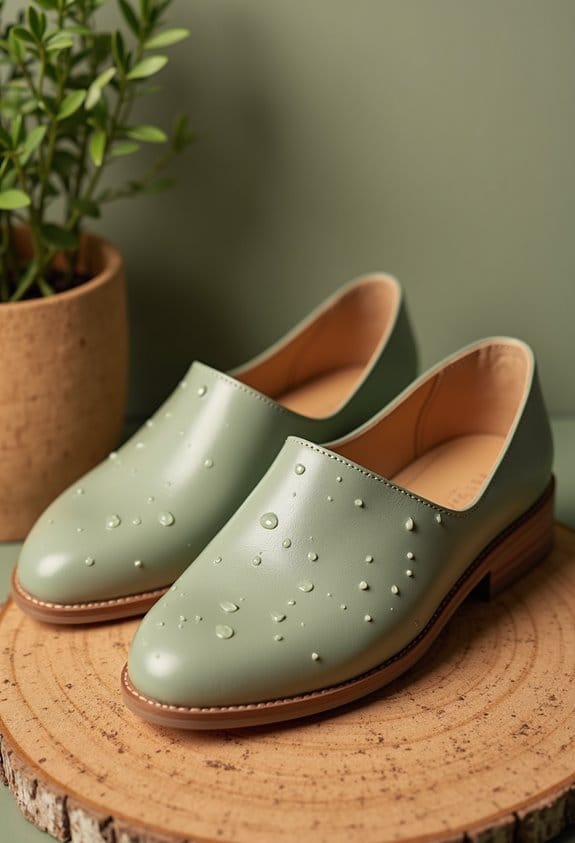
Are vegan shoes waterproof? Not exactly. Most use water-resistant materials like treated synthetic leathers, PU, or piñatex to fend off light drizzle but aren’t suited for heavy downpours (sorry, puddle jumpers!). Water-resistant means they repel moisture to keep feet comfy without sealing out all water. These eco-friendly fabrics prioritize breathability over total waterproofing, so wearing them in a monsoon might backfire. Curious about how to protect and pick the best pair for rainy days?
Key Takeaways
- Vegan shoes are typically water-resistant, not fully waterproof, protecting against light moisture but not heavy rain or immersion.
- Water-resistant means shoes have coatings or materials that repel light rain and drizzle but allow some breathability.
- Waterproof footwear uses impenetrable materials, offering complete protection from water, unlike most vegan shoes.
- Water resistance in vegan shoes often relies on synthetic or plant-based materials with water-repellent treatments.
- Regular maintenance with cleaning and waterproof sprays helps maintain water resistance but doesn’t guarantee full waterproofing.
Understanding Water Resistance in Vegan Shoes
You may be interested
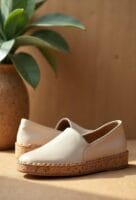
Although vegan shoes can’t magically shrug off every raindrop like a duck’s back, many are engineered with clever water-resistant materials that keep feet drier during light showers and damp conditions. These shoes often use treated synthetic leathers or plant-based fabrics that create a barrier against moisture penetration while maintaining breathability—key for avoiding swampy feet! However, water resistance isn’t the same across all vegan shoes; product specifications can vary widely, so checking details before buying is wise. Durability depends heavily on regular maintenance, including cleaning and protective treatments to preserve that water-resistant magic. So, while these shoes brave light rain admirably, prolonged wet exposure remains their nemesis, requiring extra care to keep them in top shape for every weather plot twist. For more demanding adventures, choosing vegan shoes with advanced traction outsoles designed for slippery or rough terrain can enhance both comfort and safety.
Differences Between Water-Resistant and Waterproof Footwear
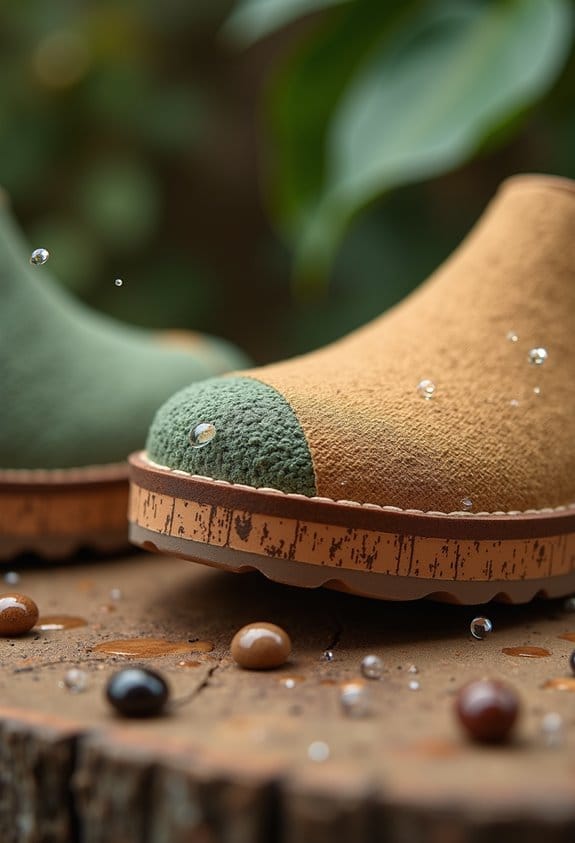
The difference between water-resistant and waterproof footwear often confuses shoppers, but it’s clearer than it seems once you plunge in. Water-resistant shoes resist light moisture like rain or spills using special coatings that, unfortunately, can wear off—think of them as mild weather guardians. Waterproof footwear, however, uses impenetrable materials and membranes to keep feet bone-dry during heavy downpours or muddy adventures. While waterproof options offer superior protection, they may sacrifice some breathability compared to water-resistant kinds, which prioritize comfort and airflow. Consumers should watch for these terms—“water-resistant” doesn’t mean full waterproofing! Understanding these differences helps shoppers pick the right shoes for their needs, keeping feet dry without mystery or disappointment. After all, a little knowledge goes a long way in avoiding soggy feet! For those interested in eco-conscious choices, many vegan Oxfords incorporate high-quality synthetic materials that balance durability and water resistance.
Common Materials Used in Water-Resistant Vegan Shoes
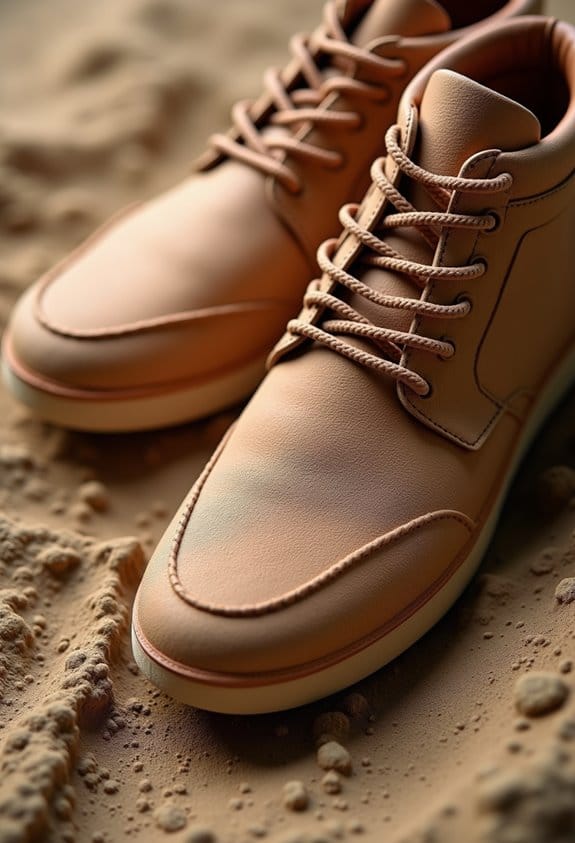
When searching for water-resistant vegan shoes, what materials actually keep those feet dry without harming animals or the planet? Common choices include synthetic microfibers, PU and PVC, and vulcanized rubber, which balance durability with water resistance. Many vegan shoes also sport water-repellent treatments that fend off light moisture (think drizzles, not downpours). Plant-based materials like piñatex and recycled plastics are trendy eco-friendly options, too. To boost comfort, breathable linings often accompany these water-resistant layers, allowing feet to stay dry and cozy. While synthetic and recycled components work wonders, they don’t create fully waterproof shoes—so don’t test them with a duck swim! Still, these innovative materials help vegan shoes bravely combat damp days while keeping sustainability stylish and practical. Brands offering water-resistant vegan loafers often incorporate cushioned insoles and flexible designs to ensure comfort alongside protection.
Limitations of Water Resistance for Vegan Leather
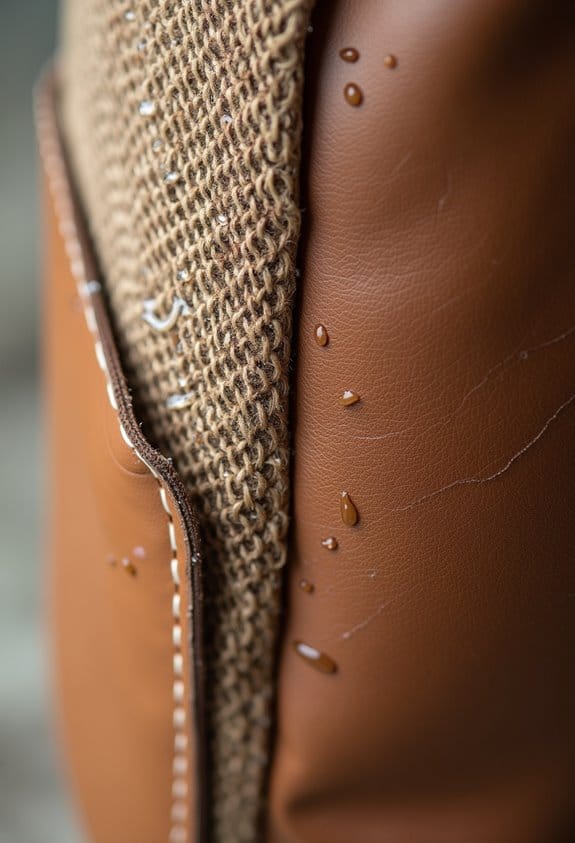
Since water-resistant vegan leather is designed to shrug off light rain and everyday splashes, can it truly brave a torrential downpour or a surprise puddle party? The answer lies in its limitations. While synthetic materials like Piñatex and cactus leather offer decent water resistance, they are not fully waterproof. Prolonged exposure to water can punch through these barriers, leaving the shoe’s interior soggy and uncomfortable. Also, water resistance mainly depends on special coatings that fade over time, reducing the shoe’s long-lasting protective properties. So, while water-resistant vegan leather performs well under typical conditions, its effectiveness dims with extended wetness and wear. In short, it’s great for daily splash defense but not ready to swim laps anytime soon! For more robust protection, boots with Durable Water Repellent coatings and synthetic membranes provide significantly enhanced water resistance.
Tips for Maintaining Water-Resistant Properties in Vegan Shoes
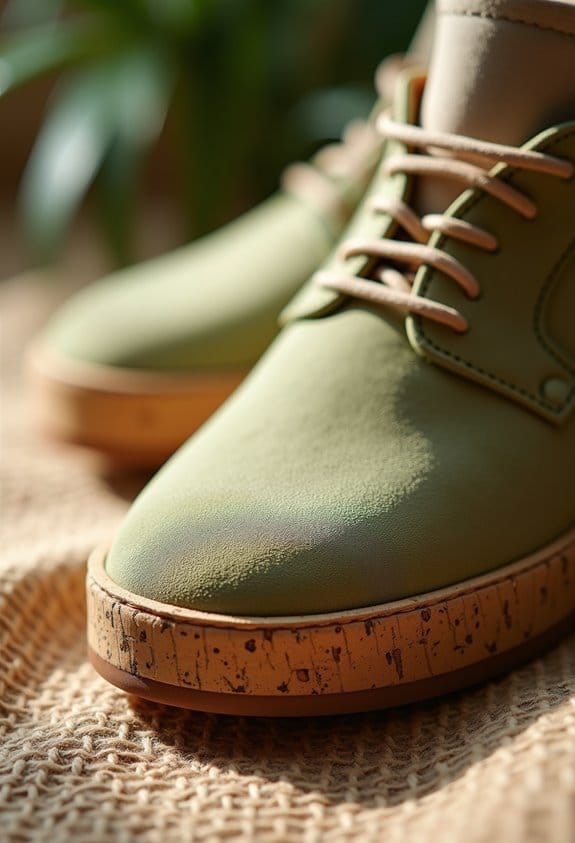
Caring for water-resistant vegan shoes isn’t rocket science, but it does require some thoughtful habits. Regular cleaning with a soft cloth and mild soap solution helps remove dirt that might otherwise wear down the water-resistant coating. Think of it as giving your shoes a gentle spa treatment—no harsh scrubbing needed! Applying specialized products, like waterproofing sprays designed for synthetic materials, can further protect against moisture, boosting their resistance. It’s wise to store vegan shoes in a cool, dry place—away from sunlight—to preserve their protective layers. And don’t forget to monitor for signs of wear: cracks or scuffs aren’t just ugly; they can let water sneak in. Stay proactive, and those shoes will keep you dry and stylish, rain or shine! Using a silicone-based spray for maintenance can help preserve the shiny appearance and extend the life of water-resistant coatings.
How Environment Affects the Longevity of Vegan Shoe Coatings
Although vegan shoes often boast impressive water-resistant coatings made from synthetic materials like polyurethane, their durability depends heavily on the environment they face. Did you know that extreme heat or cold can make these coatings crack or lose flexibility? Prolonged sunlight exposure isn’t just bad for your skin—it also breaks down water-resistant layers, shortening their longevity. Moist, humid conditions? They wear down coatings faster, demanding more frequent cleaning and reapplication to keep the vegan leather effective. Storing shoes in dry, cool places sounds simple but works wonders for preserving synthetic coatings. So, while vegan shoes offer great water resistance, understanding and managing environmental factors truly extend their life. Who knew that caring for vegan footwear involved almost as much attention as choosing what to wear with them? Incorporating recycled materials in vegan shoe construction can also influence the durability of water-resistant coatings.
Choosing the Right Vegan Shoe for Wet Conditions
When it comes to picking vegan shoes for wet weather, not all water resistance is created equal. Some water-resistant vegan footwear handles light rain like a champ but might falter in a downpour. So, how to choose? Look for shoes with quality waterproof membranes or treated fabrics that really block water. Plant-based alternatives, like Piñatex or cactus leather, often beat synthetic PU in water defense. Don’t forget traction and support—those slippery puddles demand non-slip soles for safety! And yes, proper maintenance is key: regular cleaning and reapplying protective treatments keep these shoes performing well. After all, even the best water resistance requires TLC to maintain its magic. Selecting the right vegan pair guarantees dry, comfy steps and a stylish stride no matter the weather! It’s also helpful to consider waterproof membrane technology to ensure your shoes keep moisture completely out during extended exposure.
Frequently Asked Questions
Are Vegan Shoes Waterproof?
Vegan shoes often offer a gentle embrace against moisture rather than full waterproofing. Their vegan materials balance shoe durability and environmental impact, providing moisture protection with maintenance tips and style options that align with evolving consumer preferences for animal alternatives.
What’s the Difference Between Water Resistant and Waterproof Shoes?
Waterproof shoes use impermeable materials ensuring complete dryness, while water-resistant shoes repel water temporarily. Vegan alternatives balance sustainability concerns and fashion choices, influencing consumer preferences for outdoor activities. Proper shoe care mitigates climate impact.
What Is the Downside of Vegan Leather?
The downside of vegan leather includes variable durability, potential environmental impact from manufacturing processes, and sometimes higher maintenance needs. Despite ethical fashion and animal welfare benefits, cost comparison and style options may influence consumer choice.
Can Vegan Leather Shoes Get Wet?
Like a shield that withstands gentle rain, vegan leather shoes can get wet but require careful adherence to care instructions to maintain performance durability, comfort levels, and style options, balancing sustainable materials and ethical sourcing with weather conditions’ environmental impact.