As an Amazon Associate, we earn from qualifying purchases. Some links on this site are affiliate links at no extra cost to you. Our recommendations are based on thorough research and editorial judgment.


What “Cruelty-Free” Means for Shoes Vs “Vegan

Cruelty-free shoes mean no animal testing during production but might still use animal materials like leather or wool—yes, sometimes the glue is sneaky, too! Vegan shoes take it further by ditching all animal ingredients, opting for innovative plant-based or recycled materials. Since about half of the shoe market relies on leather, going vegan can make a notable difference. Want to explore how these choices impact fashion and ethics? There’s plenty more to uncover!
Key Takeaways
- Cruelty-free shoes guarantee no animal testing but may contain animal-derived materials like leather or wool.
- Vegan shoes exclude all animal products, including leather, suede, wool, and animal-based glues or coatings.
- Certified logos like PETA’s cruelty-free badge ensure no animal testing, while PETA-Approved Vegan confirms no animal ingredients.
- Vegan footwear uses sustainable, plant-based, or recycled materials, reducing environmental impact compared to traditional leather.
- Checking labels and brand claims helps consumers distinguish between cruelty-free and truly vegan shoe options for ethical choices.
Defining Cruelty-Free in Footwear
You may be interested



Cruelty-free footwear might sound like a simple concept, but is it really? While cruelty-free products promise no animal testing during manufacturing, this label doesn’t mean shoes are free from animal-derived ingredients or by-products, such as leather, suede, or wool. Some brands tout cruelty-free claims like Cruelty-Free Cosmetics, yet they might still test in certain countries where laws demand it—sneaky, isn’t it? Certified logos like The Leaping Bunny or PETA’s cruelty-free badge confirm no animal testing, but they do not guarantee materials are animal-free, which can confuse shoppers seeking truly compassionate choices. So, understanding what “cruelty-free” entails in shoes helps shoppers support ethical practices thoughtfully, without assuming that cruelty-free always means vegan—because it often doesn’t. It’s equally important to consider material sustainability when choosing footwear, as it ensures ethical production goes beyond just avoiding animal testing.
Understanding Vegan Shoes and Materials
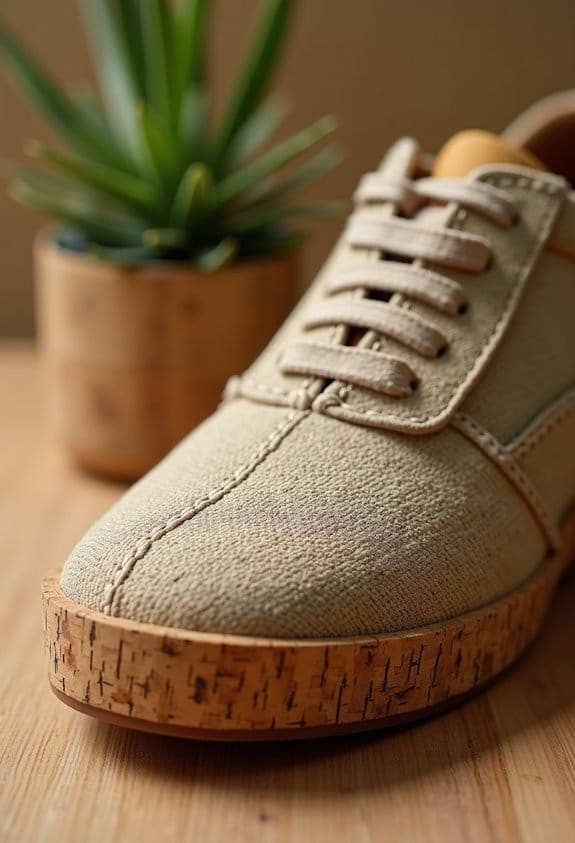
Imagine slipping into a sneaker made from pineapple leaves or cactus fibers—sounds futuristic, right? Vegan shoes avoid animal ingredients entirely, using innovative materials like mushroom leather, organic cotton, and recycled plastics. These plant-based alternatives not only provide style and comfort but also cut down environmental impact compared to traditional leather. While cruelty-free shoes focus on avoiding animal testing, vegan shoes go a step further by excluding all animal components. Major brands like Nike and adidas now offer vegan options, reflecting growing demand for ethical footwear. So, vegan shoes aren’t just about kindness— they’re about clever materials that reduce harm and boost sustainability. Who knew shoes could be heroes in both fashion and planet care, without any animal cruelty involved? Many vegan casual shoes also emphasize breathable materials like mesh and canvas to keep feet cool and comfortable during wear.
Differences Between Cruelty-Free and Vegan Shoes
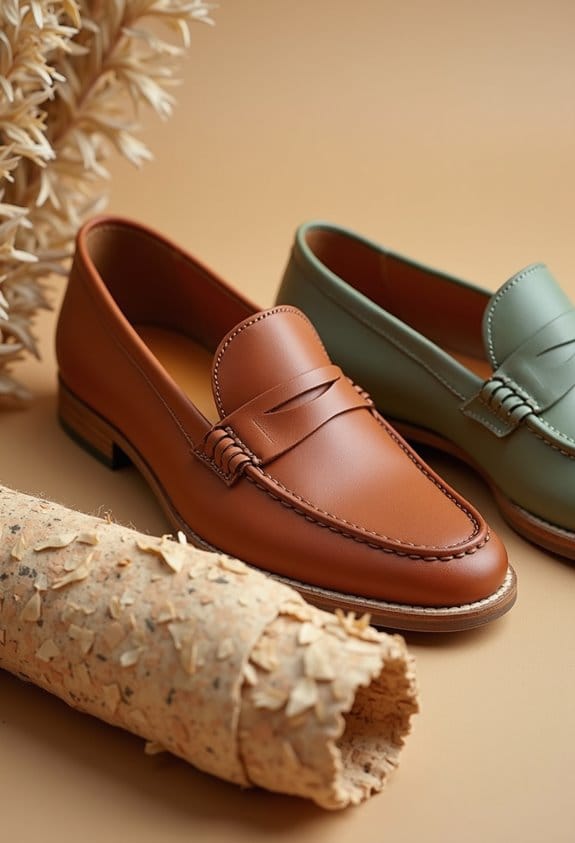
Not all animal-friendly shoes carry the same meaning, which can confuse even the savviest shoppers. A cruelty-free brand guarantees no animal testing occurs during production, but that doesn’t always mean the shoes are vegan. Vegan options, by contrast, completely exclude animal products like leather or suede. This means some cruelty-free shoes might still use animal-derived glues or coatings—unexpected, right? Meanwhile, true vegan shoes avoid all animal-based ingredients and may also be cruelty-free if no animal testing is done. So, is being cruelty-free the same as vegan? Not always! Shoppers seeking ethical footwear should check labels carefully, because a cruelty-free logo doesn’t guarantee the absence of animal materials. With vegan options growing, understanding these differences helps consumers stride consciously without stepping on ethical lines. Many brands also emphasize ethical sourcing and eco-friendly manufacturing practices, ensuring their vegan shoes align with broader sustainability goals.
Common Animal-Derived Materials in Footwear

Animal-derived materials are surprisingly common in footwear, shaping much of the industry’s look and feel. Leather, for example, dominates about 50% of the global footwear market—talk about a tough competitor! Suede, made from the underside of animal hides, often adds style but at an environmental cost. Wool, too, finds its way into shoes, bringing concerns like mulesing, a painful practice for sheep. Even less obvious are animal-based glues and adhesives, hidden ingredients complicating the vegan product scene. These animal ingredients contribute to pollution and raise ethical questions—so not just a step but a leap towards consideration, if you ask the conscientious shopper. Vegan products aim to sidestep all these issues, offering alternatives without animal harm or tricky by-products. Who knew shoes could be so complicated? Many innovative brands now incorporate plant-based materials to reduce environmental impact while maintaining durability and performance.
How to Identify Vegan Shoes When Shopping

Although spotting vegan shoes can sometimes feel like decoding a secret language, a few savvy tips make the quest much easier. First, look for labels boldly stating “vegan” or the PETA-Approved Vegan logo, signaling no animal materials or animal testing involved. Shoppers should also know typical non-vegan culprits like leather, suede, and wool to dodge accidentally supporting cruelty-free but not fully vegan designs. Curious souls might explore brands such as Rungg and NAE Vegan Shoes, champions of the vegan cause with stylish, animal-friendly selections. Online guides, especially on Instagram, offer great advice for identifying true vegan footwear. And hey, why not check out secondhand options? Sustainable and vegan-friendly finds combine eco-awareness with cruelty reduction—because saving animals and the planet can be fashionable too! Many vegan sneakers also use innovative eco-friendly BLOOM Foam insoles derived from algae, enhancing sustainability without sacrificing comfort.
Labels and Certifications for Ethical Footwear
Labels and certifications act like road signs in the often-confusing world of ethical footwear, guiding consumers toward informed choices. With the rise of the vegan lifestyle, understanding the difference between cruelty-free vs vegan labels and certifications has never been more essential. Cruelty-free shoes avoid animal testing but may still use leather or suede, while vegan-certified shoes ban all animal-derived materials. Look for trustworthy stamps like the PETA-Approved Vegan logo or the Vegan Society’s Vegan Trademark—the gold standard ensuring shoes contain no animal ingredients. These labels and certifications help buyers confidently support their values, avoiding guesswork and greenwashing. So, next time you shop, don’t just guess—read those labels and certifications carefully to step into kindness, one ethical shoe at a time! Choosing footwear made from vegan suede or faux-leather also ensures durability and style without compromising ethical standards.
Environmental Impact of Vegan vs. Leather Shoes
Understanding labels and certifications helps shoppers make kinder choices, but what about the Earth beneath those shoes? Vegan shoes often have a smaller environmental footprint since they avoid animal agriculture’s heavy toll on land, water, and emissions. Unlike leather, which relies on environmentally harmful tanneries spewing toxic waste (not the kind of pollution anyone wants), cruelty-free vegan options use sustainable materials like recycled plastic, organic cotton, and funky new stuff like mushroom or pineapple leather. These alternatives reduce resource depletion and greenhouse gases considerably. Plus, the manufacturing process for vegan shoes typically burns less energy, making them gentler on the planet. So, when thinking green and cruelty-free, it’s not just about comfort for animals—it’s about stepping lightly on Earth, too. Who knew saving the planet could start from your feet? Choosing brands that prioritize biodegradable footwear can further reduce landfill contributions and environmental harm.
Popular Brands Offering Vegan and Cruelty-Free Footwear
The world of vegan and cruelty-free footwear is growing fast, with big names like Nike, Reebok, and Adidas stepping up to the plate by offering shoes made without any animal-derived materials. Over 1,000 brands carry the PETA-Approved Vegan logo, certifying their products as truly vegan and cruelty-free. Mainstream companies like Toms and Vans also join the race, expanding their lines to meet rising demand. Meanwhile, Dr. Martens and Wills Vegan Store focus on stylish, durable options using innovative materials—no cowhide here! With such variety, finding ethical, cruelty-free footwear has never been easier. Who says you can’t be fashionable and kind at the same time? Whether for casual wear or statement pieces, these products prove cruelty-free and vegan can walk hand-in-hand toward a more compassionate future. Many of these shoes also prioritize sustainability through the use of eco-friendly materials, reducing environmental impact while delivering quality and performance.
Durability and Care of Vegan Shoes
Choosing vegan shoes often means balancing style, ethics, and—crucially—durability. How long do vegan shoes last? It depends! Using vegan materials like recycled PET, canvas, and plant-based leathers, many brands deliver impressive durability that rivals traditional leather. Care practices are key: regular cleaning and shielding shoes from moisture can keep them looking fresh and functional for years. High-quality vegan shoes from brands such as Dr. Martens and Wills Vegan Store show that ethical choices don’t mean short-lived footwear. But beware of cheap fast fashion knockoffs—they often lack durability and quickly wear out. So, investing in well-made vegan shoes and following proper care practices can turn cruelty-free style into a long-lasting, guilt-free wardrobe staple. Who knew caring for vegan shoes could be this rewarding? Additionally, selecting shoes with breathable materials helps prevent moisture buildup, which extends their lifespan and comfort.
The Role of Vegan and Cruelty-Free Shoes in Ethical Consumerism
Many consumers today are rethinking their wardrobe choices, especially when it comes to shoes. The rise of cruelty-free and vegan footwear reflects a deeper concern for ethical treatment and environmental responsibility. Cruelty-free shoes avoid animal testing but might still include leather or wool—so not entirely guilt-free. Vegan shoes take it a step further, containing no animal-derived materials, championing a truly ethical approach. With over 1,000 brands carrying the PETA-Approved Vegan logo, shoppers have plenty of stylish options to choose from. Isn’t it great when ethics meet fashion? This shift towards sustainable choices signals a new era in ethical consumerism, where compassion and style walk hand-in-hand—no animals harmed, no meltdowns at the checkout. So, who knew being kind could look so good on your feet? Many vegan shoes also feature breathable materials that enhance comfort and durability while supporting eco-friendliness.
Frequently Asked Questions
Are Cruelty-Free and Vegan the Same?
Cruelty-free and vegan are not the same. Cruelty-free avoids animal testing, while vegan excludes animal materials. Both impact sustainability differently through animal testing and material sourcing practices in footwear production.
What Does It Mean When Shoes Say Vegan?
When shoes are labeled vegan, they are made from vegan materials, ensuring no animal-derived components are used. This often involves sustainable sourcing practices, reflecting a commitment to animal rights and environmentally conscious production methods.
Can Shoes Be Cruelty-Free?
Absolutely, shoes can be cruelty-free—no animal testing, no cruelty. They often involve ethical sourcing and sustainable materials, reflecting a commitment to protect animals and the planet while offering stylish, conscientious footwear options for mindful consumers everywhere.
Does 100% Vegan Mean Cruelty-Free?
100% vegan does not necessarily mean cruelty-free, as material sourcing lacks animal ingredients but may still involve animal testing. Ethical manufacturing practices differentiate cruelty-free products, emphasizing no harm in testing, beyond just animal-free materials used.