As an Amazon Associate, we earn from qualifying purchases. Some links on this site are affiliate links at no extra cost to you. Our recommendations are based on thorough research and editorial judgment.


PU Vs Plant-Based Leather: Which Is Lower Impact (And When)?

PU leather, made from synthetic polyurethane coatings, lasts about 5 to 7 years but relies on fossil fuels and emits around 20 kg CO₂e per square foot—kind of like a gas-guzzling car for your jacket. Plant-based leather, crafted from pineapple leaves, mushrooms, or apple peels, cuts emissions nearly in half and biodegrades much faster, though it may last a bit less. Curious which material fits your style and planet goals best? Keep exploring to find out!
Key Takeaways
- Plant-based leather has a lower carbon footprint (12-15 kg CO₂e/sq ft) compared to PU leather (about 20 kg CO₂e/sq ft), making it more eco-friendly.
- PU leather lasts longer (5-7 years) than plant-based leather (3-6 years), offering better durability but with higher environmental costs.
- Plant-based leather avoids harmful chemicals and VOC emissions, promoting safer conditions for workers and consumers than PU leather.
- PU leather resists decomposition and pollutes landfills, while plant-based leather is biodegradable, compostable, and reduces long-term waste impact.
- Choose plant-based leather for ethical, lower-impact fashion; opt for PU leather when durability and cost-effectiveness are prioritized.
Understanding PU Leather: Composition and Characteristics
You may be interested



PU leather, short for polyurethane leather, is quite the clever invention in the world of materials. As a synthetic fabric, PU combines a polyurethane coating with polyester or cotton bases, creating a water-resistant, flexible surface that mimics real leather fairly well. Isn’t it fascinating how this material offers durability of 5 to 7 years, making it a dependable choice for apparel and upholstery alike? While PU leather has low breathability compared to natural leather, it shines by reducing environmental impact through avoiding animal products—an eco-friendly alternative that supports animal welfare. However, being petrochemical-based, production can emit some volatile organic compounds, raising minor indoor air quality concerns. Still, for those seeking stylish and practical leather-like goods without animal harm, PU leather remains a smart, modern solution. Additionally, many brands aim to incorporate eco-conscious manufacturing processes to reduce the overall footprint of such synthetic materials.
Exploring Plant-Based Leather: Types and Sources
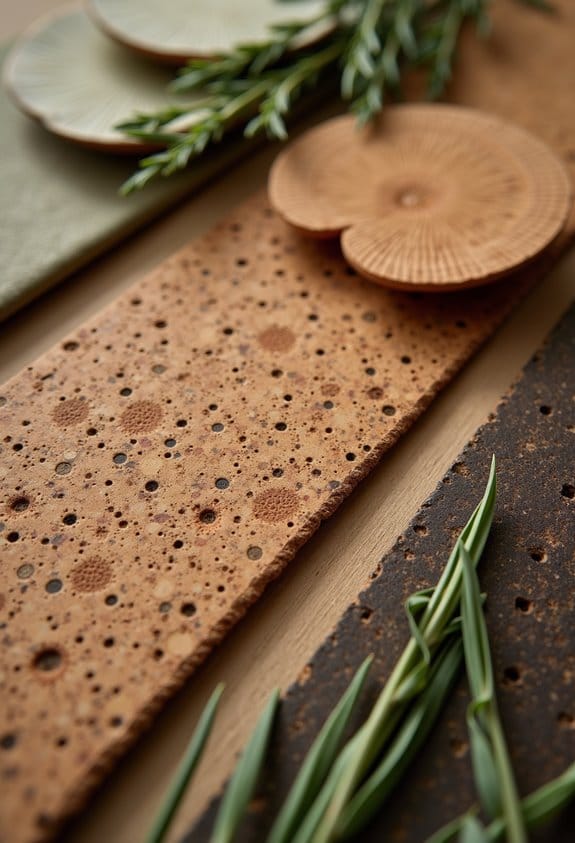
Plant-based leather is turning heads in the sustainable fashion world as a clever alternative to animal hides. Unlike traditional PU leather, which relies on synthetic polymers, plant-based leathers use natural, renewable sources—offering innovative and sustainable options. For instance, Piñatex comes from pineapple leaves, cleverly reusing agricultural waste; apple leather combines leftover apple peels with binders, reducing food waste; mycelium leather is cultivated from mushroom roots, creating a biodegradable mat; and cork leather comes from tree bark, which allows the tree to keep thriving. These types of vegan leather provide exciting, sustainable alternatives for environmentally conscious consumers. Curious which one fits best? Think of plant-based leathers as nature’s creative toolbox—building fashionable, lower-impact materials without the cowhide guilt or PU’s plastic problem. Mushroom leather, in particular, stands out due to its durability and breathability, making it an excellent choice for footwear alternatives.
Environmental Footprint of PU Leather Production
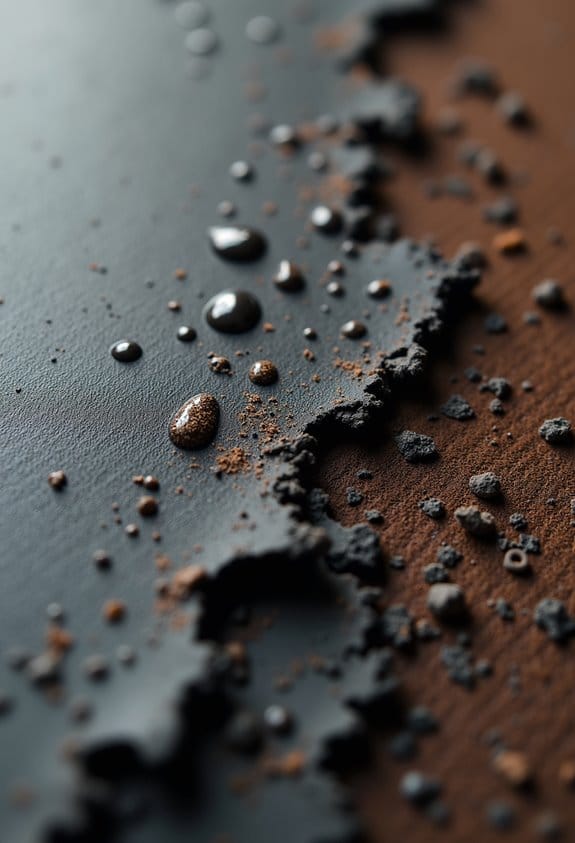
Although often hailed as a more eco-friendly alternative to animal hides, the production of synthetic leather made from polyurethane (PU) brings its own environmental challenges. PU leather’s environmental footprint includes roughly 20 kg CO₂e emissions per square foot—less than traditional leather’s 75 kg, but still notable. Made from petrochemicals, it relies heavily on fossil fuels, raising questions about long-term sustainability. The manufacturing process is energy-intensive, involving polymerization and solvent emissions that contribute to pollution. Unlike plant-based options, PU leather does not use renewable resources or biodegradable materials, missing out on those green perks. Plus, the chemicals involved pose health risks if safety protocols slip (not exactly the “vegan-friendly” image one might expect!). So, is PU leather truly a clean alternative, or just a slightly tidier cousin? In contrast, innovative materials like apple leather utilize apple waste to create a more sustainable and biodegradable leather alternative.
Sustainability Benefits of Plant-Based Leather
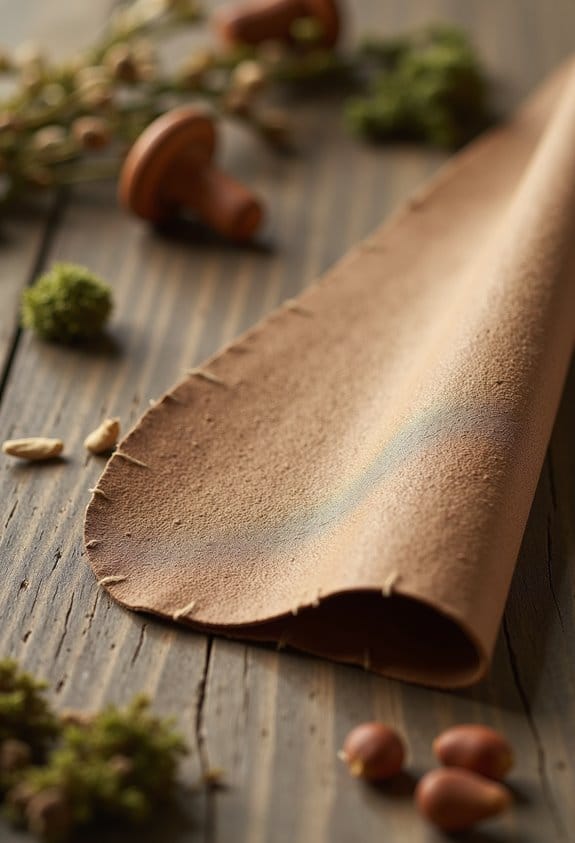
While synthetic alternatives have their place, leather derived from plants truly steps up the sustainability game with surprising environmental perks. Plant-based leather, made from agricultural byproducts like pineapple leaves or apple peels, reduces carbon emissions considerably—just 12-15 kg CO₂e per square foot, compared to about 20 kg for PU leather. Better yet, many are biodegradable or compostable, cutting down on environmental pollution (goodbye, landfill guilt!). By using renewable resources and skipping harmful chemicals linked to traditional tanning processes—hello, toxic chromium salts—these leathers offer a cleaner, greener option. So, isn’t it invigorating to know there’s a leather that’s stylish *and* kinder to the planet? This makes plant-based leather a compelling choice for those prioritizing sustainability without compromising fashion sense. Moreover, brands often incorporate recycled materials in their designs, enhancing environmental benefits further.
Durability and Lifespan Comparisons
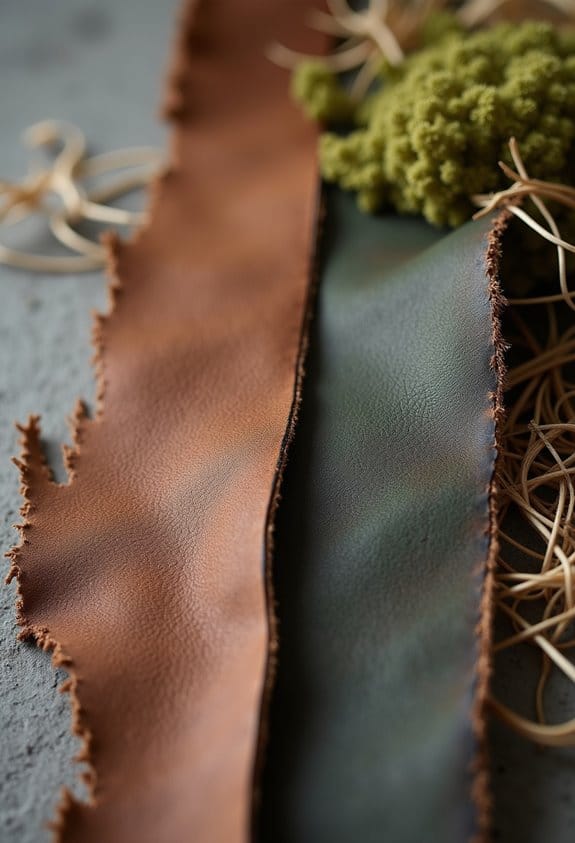
Durability often plays a starring role when choosing between leather options, and here the story gets interesting. High-quality PU leather boasts impressive flexibility and a lifespan of 5 to 7 years—perfect for fashion accessories and upholstery that stand the test of time. Plant-based leathers like Piñatex or apple leather generally last 3 to 6 years, improving steadily as production techniques evolve. Ever wondered why consumer choice balances durability against sustainability? PU leather’s toughness competes with the strong environmental benefits of plant-based leathers. Meanwhile, PVC leather lags behind, lasting only 1 to 2 years—not exactly a marathon runner in the durability race. So, when durability and lifespan matter, both PU and plant-based leathers offer attractive options with distinct pros, proving that sustainability and strength can sometimes go hand in hand. Additionally, incorporating materials like microfiber and other synthetic fabrics can enhance the durability of vegan shoes, combining ethical choices with long-lasting wear.
Chemical Use and Health Considerations
Since the materials we wear and use touch our lives daily, chemical safety becomes a key factor when comparing leather types. PU leather relies on petrochemicals, which can release volatile organic compounds during production—potentially risky if not carefully managed. But premium PU suppliers now often comply with safety standards like REACH and OEKO-TEX®, reducing harmful substances. Meanwhile, plant-based leathers mostly avoid toxic chemicals such as chromium salts and phthalates—common villains in leather tanning and PVC leather manufacturing. Made from renewable resources like pineapple leaves and apple peels, these alternatives offer a safer profile for both workers and consumers. So, when choosing leather, isn’t it nice to know some materials tread lightly on health, not just the planet? Additionally, choosing footwear made with eco-friendly materials can help minimize chemical exposure while supporting sustainable practices.
Manufacturing Processes and Resource Consumption
Exploring the manufacturing processes behind PU and plant-based leathers reveals striking differences in resource use and environmental impact. PU leather depends on a polyurethane coating applied to fabric, mostly from petrochemicals, driving significant resource consumption and releasing volatile organic compounds during production. On the flip side, plant-based leather cleverly uses sustainable materials like pineapple leaves, apple peels, and mushroom mycelium—yes, agricultural waste not destined for a fruit salad! Lifecycle assessments show these eco-friendly alternatives cut greenhouse gas emissions by 20-50% compared to PU. While plant-based leather may cost more, its lower environmental impact from renewable sourcing and cleaner manufacturing processes makes it a tempting choice. So, when it comes to environmental impact and resource consumption, is it time to think outside the PU box? Pineapple leather, for instance, promotes sustainability by utilizing agricultural byproducts, reducing waste and the need for intensive resource inputs.
Disposal, Biodegradability, and End-of-Life Impact
When it comes to disposal and biodegradability, the story between PU and plant-based leather could not be more different. PU leather, made from synthetic materials, stubbornly resists decomposition and can linger in landfills for centuries, releasing nasty chemicals along the way. Not exactly a party for the environment! In contrast, plant-based leather, crafted from pineapple or apple waste, often decomposes in mere months to a couple of years, embracing compostability and reducing environmental impact dramatically. This makes sustainable waste management easier and helps close the loop with a circular economy approach, returning nutrients to the soil rather than poisoning it. So, when thinking about end-of-life impact, plant-based options clearly offer a greener path, leaving PU leather to rot (literally) in the past. These materials also reduce carbon emissions by up to 70% compared to conventional leather, highlighting their contribution to sustainability impact.
Market Trends and Consumer Preferences
The rise of plant-based leather is turning heads across the fashion world, catching the eye of big names like Stella McCartney and Gucci. Vegan leather made from sustainable materials offers a cruelty-free option that many eco-conscious consumers prefer. Studies show plant-based leathers can cut carbon footprints by nearly 50% compared to PU leather, which remains popular for its affordability, especially in fast fashion. Yet, price differences—$20–$50/m² for plant-based versus $5–$15/m² for PU leather—reflect higher production costs tied to ethical sourcing and environmental impact. Market trends reveal that consumers increasingly demand transparency about materials and sustainability. So, who wins? It depends on what you value—cost, carbon savings, or ethical sourcing—but one thing’s clear: both styles are reshaping what we expect from vegan leather today. Brands that integrate plant-based materials also support durability and low-waste production practices that further reduce environmental harm.
Selecting the Right Leather Alternative for Your Needs
Choosing a leather alternative involves weighing multiple factors that go beyond just looks or price tags. Environmental impact takes center stage; plant-based leathers like Piñatex lower carbon footprints by up to 50% compared to PU leather. Durability and resistance also matter—PU leather often lasts 5-7 years, while plant-based varieties usually hold up for 3-6 years. What about breathability and comfort? Plant-based options generally win here, offering a cooler, less sweaty feel. Cost could steer decisions, with PU leather ranging from $5–$15/m² and plant-based leathers costing $20–$50/m², thanks to sustainable materials. Maintenance requires gentle care for both, but natural conditioners give plant-based leathers a green edge. Selecting leather alternatives means balancing these traits—eco-consciousness, longevity, comfort, and yes, a budget that makes sense. Additionally, choosing ethically sourced leather alternatives supports animal welfare and reduces environmental harm.
Frequently Asked Questions
What Are the Disadvantages of PU Leather?
PU leather’s disadvantages include a chemically intensive production process causing significant environmental impact, durability concerns due to shorter longevity, breathability issues affecting comfort, maintenance challenges, mixed consumer perception, and cost factors less favorable compared to natural alternatives.
What Is the Downside of Vegan Leather?
Vegan leather’s downside includes toxic chemicals impacting the environment, durability concerns, aesthetic differences, and higher maintenance. Though favored for animal welfare, consumer perception varies, with price comparison and sustainable alternatives influencing choices amid ongoing environmental impact debates.
What Is the Lowest Quality of Leather Called?
The lowest quality of leather, known as bonded leather, ironically wears thin in durability factors. Composed mainly of synthetic materials and leather scraps, it often sacrifices genuine alternatives, affecting environmental impact, production process, market demand, pricing comparison, and consumer preferences within cheap leather options.
Does PU Leather Age Well?
PU leather generally ages poorly compared to natural leather, showing fading and cracking. Durability comparisons highlight maintenance tips are essential. Consumer perceptions vary with texture variations and market demand, influencing cost analysis and sustainability practices amid evolving fashion trends and environmental impact concerns.