As an Amazon Associate, we earn from qualifying purchases. Some links on this site are affiliate links at no extra cost to you. Our recommendations are based on thorough research and editorial judgment.


Does Vegan Leather Peel? What Causes It (and How to Avoid It)

Does vegan leather peel? Yes, it can, especially when made from common synthetics like polyurethane. Peeling happens due to wear, harsh cleaners, sunlight exposure, and friction—imagine your bag enduring a rough commute or chemical attack! Avoid this by choosing high-quality PU products, wiping gently with damp cloths, and stashing items away from heat and overstuffing. A little care goes a long way to keep vegan leather looking fresh. Curious about smarter care habits to extend its life?
Key Takeaways
- Yes, vegan leather can peel due to material breakdown from wear and environmental exposure.
- Peeling is often caused by harsh chemicals, sun damage, friction, and overstuffing.
- Regular cleaning with gentle products and prompt spill removal helps prevent peeling.
- Conditioning vegan leather maintains suppleness, reducing brittleness and cracking.
- Proper storage away from sunlight and avoiding overcrowding prolongs vegan leather durability.
Understanding Vegan Leather: Materials and Characteristics
You may be interested


Vegan leather—sometimes called faux leather—is a crafty invention designed to look and feel like real leather but without using animal hides. This material is mostly made from synthetic substances like polyurethane (PU) and polyvinyl chloride (PVC), which cleverly mimic leather’s texture and appearance. Fascinatingly, there are newer, eco-friendly options such as cork, Piñatex (from pineapple leaves), and mushroom mycelium, showcasing Mother Nature’s creativity. However, unlike genuine leather, vegan leather tends not to develop that charming, worn-in patina over time—so don’t expect it to age like a fine wine. Durability varies widely; some vegan leather can crack or peel as the synthetic layers break down. So, while vegan leather offers a cruelty-free, stylish alternative, proper care—gentle cleaning and avoiding harsh chemicals—is key to keeping it looking fresh and fabulous! Choosing vegan leather made from sustainable materials can also improve longevity and environmental impact.
Common Causes of Peeling in Vegan Leather
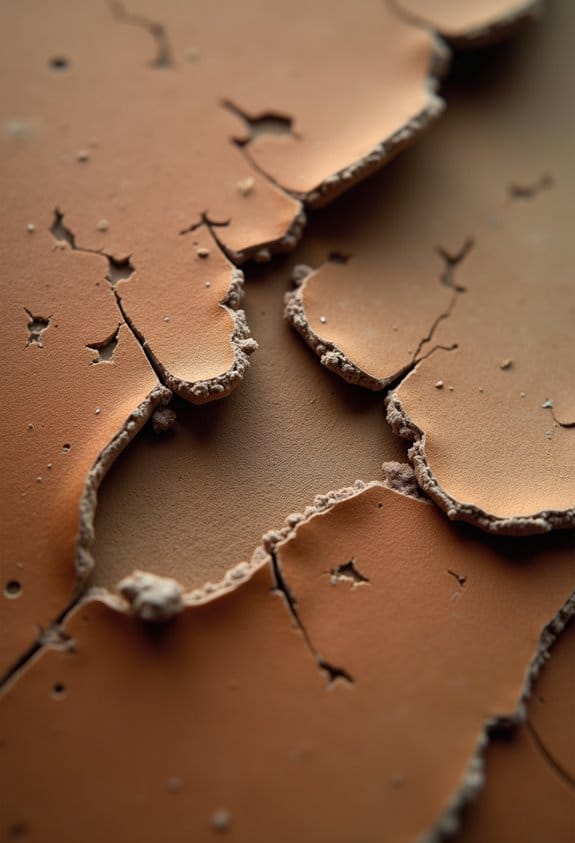
Many synthetic leather items, especially those made from PU or PVC, face one pesky problem over time: peeling. This peeling faux leather usually happens because the material breaks down, especially after regular wear or neglect. Did you know that harsh cleaning chemicals can speed up this deterioration? They strip away the protective layers, causing flaking and peeling almost like an unwanted makeover. Prolonged sun exposure turns vegan leather brittle, drying it out until it starts to peel—a bit like a sunburn, but less fun. Skipping regular cleaning and conditioning adds to the problem; without care, the material loses its softness and cracks under pressure. Plus, overstuffing bags or jackets stresses the faux leather, making peeling more likely. Choosing shoes or items made from natural materials can help avoid these issues by reducing chemical-related damage. So, avoiding these pitfalls goes a long way in keeping vegan leather looking fresh!
The Role of Friction and Sharp Objects in Damage
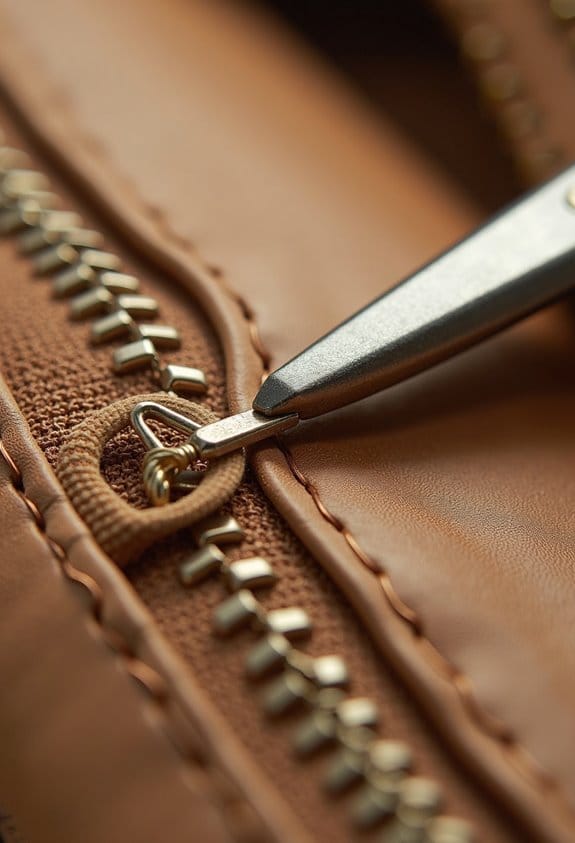
Although peeling is often linked to chemical damage or sun exposure, friction and sharp objects quietly play a major role in wearing down synthetic leather over time. Faux leather, while durable, can lose its charm when rubbed against rough surfaces or snagged by sharp edges, causing the material to weaken and peel. Who knew everyday bumps could be such villains? Avoiding overstuffing bags reduces pressure and friction, helping maintain a smooth finish. Regular inspections for tiny tears or worn spots can save faux leather goods from early demise. Protecting these items from rough contact is vital, as even small punctures can become peeling hotspots. So, think of faux leather like a delicate dance partner—handle with care to keep it looking fresh and fabulous! Choosing shoes made from certified better leather or other eco-friendly materials can also reduce the risk of peeling while supporting sustainable practices.
How Improper Cleaning Affects Vegan Leather Longevity
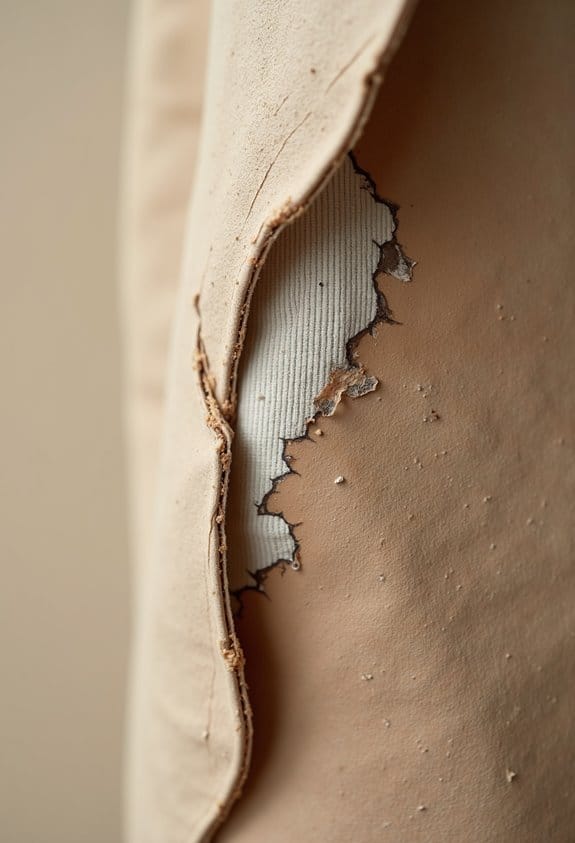
When left to the mercy of harsh chemicals like bleach or alcohol, synthetic leather can quickly lose its charm, peeling and flaking more than one might expect. Improper cleaning—really, aren’t we all guilty sometimes?—accelerates this decline, breaking down the surface and weakening the vegan leather’s structure. Excessive moisture, for instance, isn’t just wetness; it can cause the material to warp or soften, inviting cracks. On the flip side, neglecting to wipe with a damp cloth lets dirt settle in, subtly eroding the finish. And forget about skipping a conditioner designed for faux leather—that dryness leads straight to cracking and peeling. So, while vegan leather might fool the eye, improper cleaning is like a bad relationship: neglect and harshness don’t end well for either party! Additionally, choosing high-quality materials with natural breathability helps prolong the life of vegan leather by reducing moisture buildup and potential damage.
Effective Cleaning Techniques for Vegan Leather
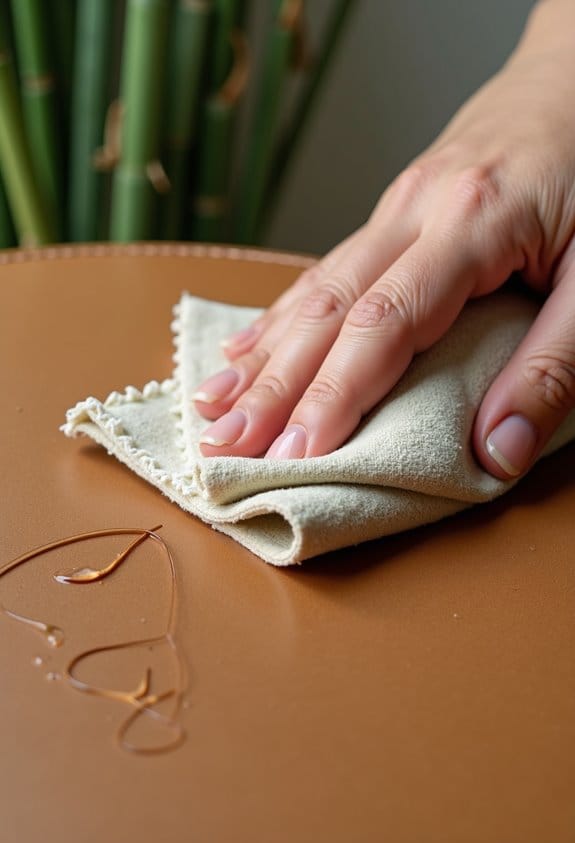
A vegan leather’s true lifespan depends heavily on the cleaning habits it endures. Regularly wiping faux materials with a soft, damp cloth removes dirt without scratching—simple, right? Using gentle cleansers made for faux leather keeps the surface intact, unlike harsh chemicals like bleach that can cause peeling and cracking. Spills? Act fast! Immediate cleanup prevents moisture damage, and letting the piece air dry naturally avoids heat-induced wear. While conditioners are fantastic for maintaining suppleness (more on that later), this stage focuses on cleaning fundamentals. Stick to mild products, gentle cloths, and prompt attention to messes, and the faux leather will thank you. After all, no one wants their stylish vegan jacket to look like it went through a salad spinner disaster! Additionally, selecting items made from high-quality vegan materials can significantly reduce the risk of peeling and increase durability.
Essential Care Products to Protect and Condition Vegan Leather
Conditioners and protective sprays are the secret weapons for anyone serious about keeping vegan leather looking fresh and fabulous. Proper care begins with applying a suitable faux leather conditioner, which helps maintain softness and elasticity—no one wants a cracking handbag! Protective sprays form a barrier against scratches and environmental damage, extending vegan leather’s life, much like sunscreen does for your skin. Regular cleaning with gentle, vegan leather-specific cleansers guarantees dirt doesn’t set in and cause peeling. However, proper care means following product instructions closely; overdoing conditioners or sprays can lead to oversaturation, doing more harm than good. By combining these essential products thoughtfully, vegan leather can stay supple, scratch-free, and ready for whatever the day throws its way—sort of like a superhero’s trusty sidekick. Choosing products crafted from bio-based or recycled materials also supports eco-friendly practices while caring for your vegan leather items.
Proper Storage Practices to Prevent Peeling
Proper storage can truly make or break the longevity of vegan leather items—think of it as setting the stage for your accessory’s grand performance. Stashing vegan leather in a cool, dry spot combats moisture, a notorious villain behind peeling and deterioration. Just like genuine leather, do avoid exposing vegan alternatives to harsh sunlight; UV rays can cause cracking and weaken the material’s structure. Wrapping items in dust bags shields them from pesky dirt and environmental nasties, while good ventilation keeps humidity low, preventing mold’s unhappy invasion. These simple steps create an ideal backstage environment, ensuring your vegan leather shines long after the final applause. After all, who wants their stylish bag peeling when it should be stealing the show? Proper storage is a smart, easy way to keep faux leather fabulous! Additionally, choosing products made with environmentally responsible materials can further enhance their durability and reduce peeling.
Avoiding Overstuffing and Excessive Pressure on Vegan Leather Bags
Resisting the urge to cram every little thing into a vegan leather bag can save the accessory from serious wear and tear. Overstuffing puts unwanted pressure on seams and material, often causing peeling or cracking – who knew your bag could feel the strain? Keeping a light load preserves the bag’s shape and keeps that sleek look intact. Heavy compression isn’t just uncomfortable for you; prolonged squishing distorts the bag’s structure and leads to permanent damage over time. Regularly checking for stiffness or signs of cracking helps catch problems early—no one wants a peeling disaster mid-day! So, when it comes to vegan leather, treat it gently. A little less stuffing means a lot less stress, and your favorite bag stays fabulous for longer. Additionally, choosing vegan leather products made with high-quality vegan leather can help reduce the likelihood of peeling and extend the lifespan of your accessories.
Tips for Extending the Lifespan of Your Vegan Leather Items
Extending the life of vegan leather items begins with simple but essential care routines anyone can master. Regularly using a soft, damp cloth to wipe away dirt prevents grime buildup, the sneaky villain behind early wear. Applying a vegan leather conditioner keeps the material supple, reducing the risk of cracking and peeling—because who wants brittle fashion? Protective sprays offer a helpful barrier against scratches, but beware of soaking your prized possessions; moderation is key. Also, storing items in a cool, dry place away from harsh sunlight keeps them looking fresh, avoiding heat-induced damage. Finally, treating bags gently—no overstuffing or rough rides—helps maintain shape and longevity. These methods might seem small, but together, they greatly extend the lifespan of vegan leather goods while keeping eco-friendly pride intact. Choosing products made from durable PU materials can further reduce peeling and extend usability.
Frequently Asked Questions
How to Prevent Vegan Leather From Peeling?
To prevent vegan leather from peeling, effective care techniques include regular cleaning with soft cloths, applying protective sprays, avoiding harsh chemicals, conditioning with specialized lotions, and storing items in cool, dry locations away from direct sunlight to maintain durability.
What Is the Downside of Vegan Leather?
Like a fading photograph, vegan leather faces sustainability concerns and durability issues. It often peels faster than genuine leather, contributing to environmental pollution through chemical production, which diminishes its appeal and overall lifespan compared to traditional materials.
Why Do Fake Leather Peel?
Peeling causes in fake leather stem from material breakdown due to wear, moisture, harsh chemicals, and heat exposure. Additionally, poor-quality manufacturing can lead to delamination, where the outer layer separates from the base fabric, accelerating deterioration.
How to Protect Vegan Leather?
To protect vegan leather, meticulous Vegan Leather Care is essential. Regular gentle cleaning, protective sprays, and careful storage away from sunlight dramatically extend its life. Handling with care reveals the secret to avoiding frustrating damage and peeling.