As an Amazon Associate, we earn from qualifying purchases. Some links on this site are affiliate links at no extra cost to you. Our recommendations are based on thorough research and editorial judgment.


Microfiber “Leather” for Shoes: What It Is and Why Brands Use It

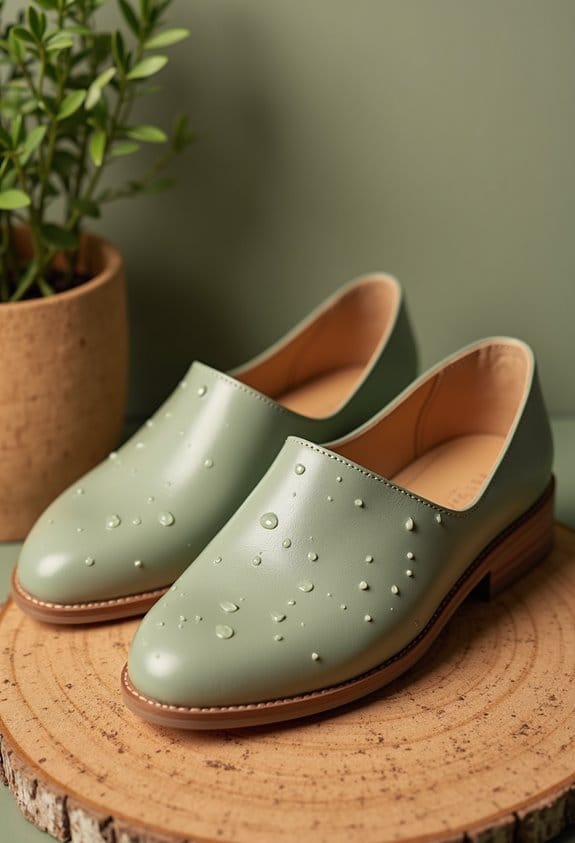
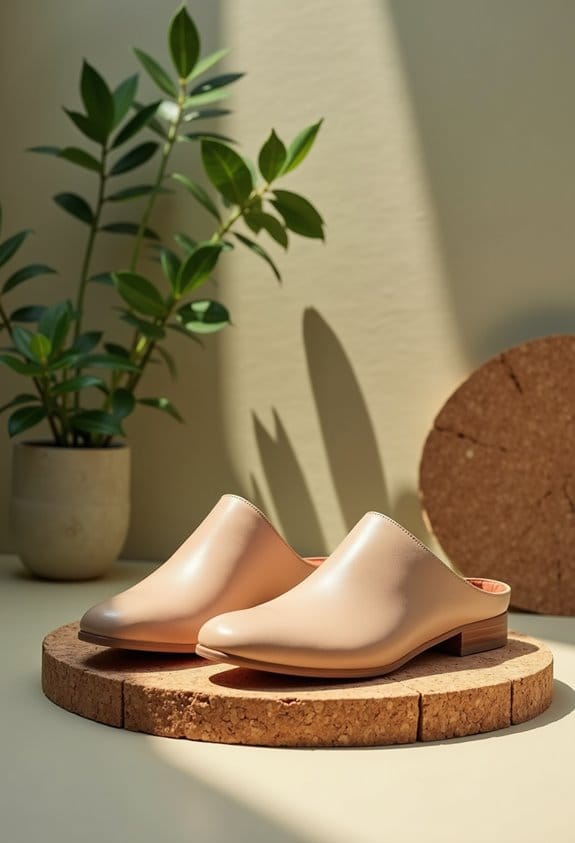
Microfiber leather, made from ultra-fine polyester, nylon fibers, and polyurethane, mimics real leather’s look but costs less and resists water, stains, and wear—a shoe brand’s dream material! It’s lightweight, breathable, and vegan-friendly, skipping animal products and nasty chemicals. Though it lacks genuine leather’s scent, microfiber offers consistent color and durability, tackling fast fashion waste. Curious how it’s crafted or how to care for these shoes? Keep exploring to find out more!
Key Takeaways
- Microfiber leather is a synthetic material made from ultra-fine polyester, nylon fibers, and polyurethane, replicating genuine leather’s look and feel.
- Brands use it for footwear due to its high durability, water resistance, and easy maintenance without special treatments.
- It is a vegan, environmentally friendlier alternative that avoids animal products and harmful chemicals like PVC.
- Microfiber leather offers lightweight, breathable comfort and allows diverse designs through embossing, dyeing, or printing.
- Its affordability and consistent appearance make it a popular substitute, resisting wear and maintaining color better than genuine leather.
What Is Microfiber Leather?
You may be interested



Microfiber leather might just be the superhero of synthetic materials, combining ultra-fine polyester and nylon fibers with a clever layer of polyurethane resin to mimic genuine leather’s look and feel. This high-quality synthetic marvel is a vegan leather alternative that offers water resistance and is remarkably easy to maintain— no special creams required! Durable enough to withstand scratches and heavy use, it’s a favorite for shoes that need to endure daily wear. Plus, it sidesteps animal by-products, scoring points for being environmentally friendly and appealing to cruelty-free fashion fans. Priced affordably between $1 and $5 per square foot, microfiber leather provides a smart, stylish solution that balances sustainability with functionality. Who knew synthetic could be so sophisticated? Unlike microfiber leather, some innovative materials like mushroom leather offer biodegradable and low environmental footprint benefits that elevate sustainable fashion even further.
How Microfiber Leather Is Made
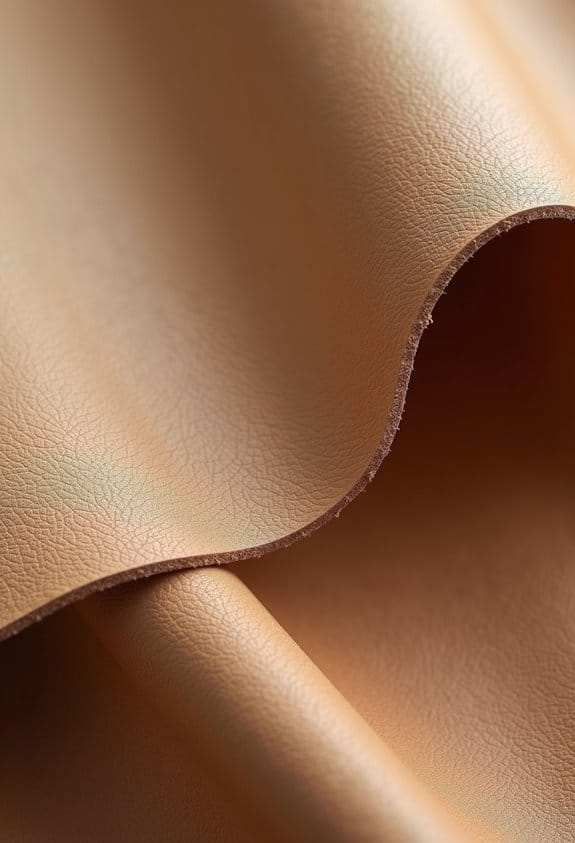
Crafting this clever material starts with melting polyester and nylon polymers until they’re transformed into ultra-fine fibers—thinner than silk strands, can you imagine? These ultra-fine fibers are then woven or knitted into a fabric, setting the stage for the next phase. Microfiber leather is made by coating this fabric with synthetic materials like polyurethane (PU), enhancing durability while adding the signature appearance and texture that mimics real leather. The production process includes mechanical tricks such as buffing and embossing to perfect its look. Thanks to the close-knit fibers and PU layer, it boasts stain and water resistance, making it practical for shoes—and even home textiles! Plus, it comes in a rainbow of colors and textures, offering plenty of style options without the guilt. Many brands utilize microfiber leather as part of their eco-conscious manufacturing practices to reduce environmental impact.
Benefits of Using Microfiber Leather in Footwear
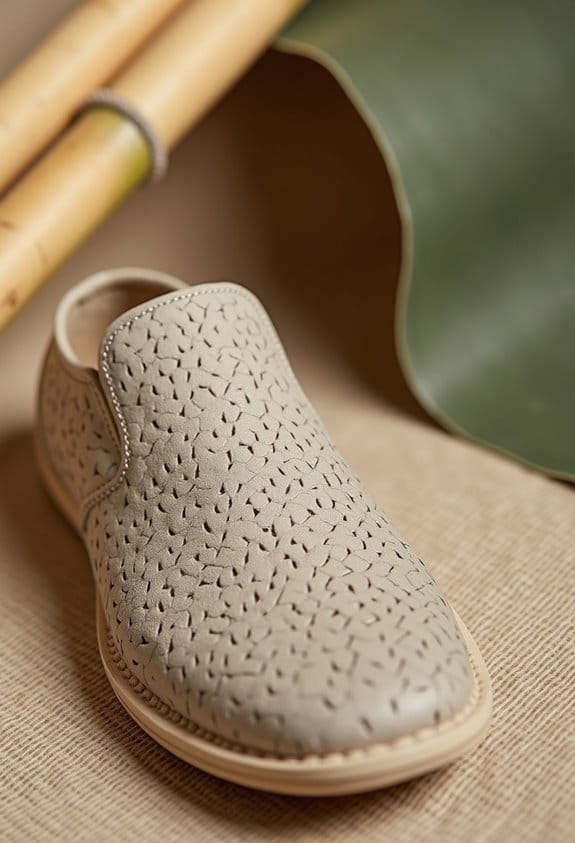
The choice of materials can make or break a shoe’s performance and lifespan, so why settle for less? Microfiber leather offers numerous benefits of microfiber that appeal to both brands and consumers. Its highly durable and resistant to wear nature guarantees shoes last longer, even through daily adventures—or accidental puddle splashes. As a sustainable option, microfiber leather is environmentally friendly, free from harsh chemicals like PVC, aligning with today’s eco-conscious mindset. Plus, it’s breathable, reducing moisture buildup and keeping feet comfortable all day long. Lightweight and flexible, it moves with the wearer rather than against them. Brands love it too, thanks to the ability to create unique designs by easily embossing, dyeing, or printing, proving that durability doesn’t mean dull style! Moreover, microfiber leather contributes to material sustainability by often incorporating recycled or organic components that reduce environmental impact.
Comparison Between Microfiber Leather and Genuine Leather
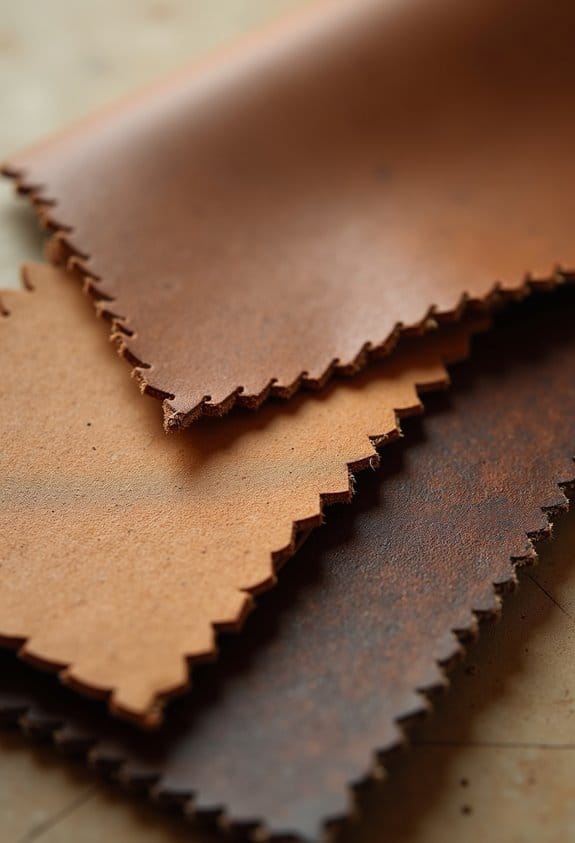
Though genuine leather has long been hailed as the gold standard in shoe materials, one might wonder how its newer cousin stacks up—especially when price tags and ethics come into play. Microfiber leather vs genuine leather brings an interesting debate: microfiber leather, crafted from synthetic materials like polyester and polyurethane resin (yes, the same stuff trusted by the automotive industry), offers notable advantages. It’s more affordable, highly durable, and resists wear and tear, stains, and water better than authentic leather. Plus, it’s a vegan alternative, containing no animal by-products. Unlike genuine leather, which develops a unique patina, microfiber leather maintains consistent color options and texture without aging. While synthetic leather may lack that classic scent and grain, its durability and ethical appeal (not to mention price!) make it a worthy rival in footwear. Many brands also incorporate cruelty-free certifications to verify their commitment to no animal-derived materials and sustainable production practices.
Environmental Impact of Microfiber Leather

While microfiber leather avoids many environmental pitfalls tied to traditional leather production, is it the perfect green choice? Made from synthetic materials, microfiber leather reduces animal cruelty and sidesteps toxic chemicals used in tanning. However, it still relies heavily on petroleum-based materials, raising concerns about plastic pollution and fossil fuel dependence—no magic eco-friendly wand here! On the bright side, integrating recycled materials helps cut waste and lower resource use, making it more sustainable than expected. Its notable durability means shoes last longer, fighting fast fashion’s throwaway culture. Compared to traditional leather, which demands extensive land and water resources, microfiber leather offers a strikingly lower environmental impact. So, while not flawless, microfiber leather balances pros and cons—can a compromise ever be this stylishly practical? Additionally, employing biodegradable materials in footwear helps reduce landfill waste and lessens environmental harm overall.
Popular Shoe Styles Featuring Microfiber Leather
Flexibility and durability team up in microfiber leather to elevate a variety of shoe styles. This popular choice among synthetic leathers offers lightweight properties perfect for sneakers and casual footwear, boosting comfort and mobility. Sports shoes, including running and basketball models, often feature microfiber leather for its excellent durability and breathability—ideal for athletes who stay on their toes. Work shoes benefit, too; rugged enough to withstand tough conditions without weighing wearers down. What about style? Customization possibilities turn microfiber leather into a playground for innovative textures and designs, catching the eye of fashion lovers (and their feet). Plus, many eco-conscious brands favor this material, cutting out nasty chemicals and making greener choices easier. Could microfiber leather be the secret ingredient in your next all-day shoe? Probably so! Its use aligns with sustainable materials trends that promote eco-friendly and durable footwear solutions.
Care and Maintenance of Microfiber Leather Shoes
Taking care of microfiber leather shoes isn’t rocket science, but a little attention goes a long way in keeping them looking sharp. Proper care and maintenance begin by cleaning the surface gently with a damp cloth and mild soap—no need to scrub like a detective chasing clues! Although microfiber leather is water-resistant, it’s wise to avoid prolonged exposure to moisture to prevent damage. Applying a leather conditioner designed for synthetics every few months helps keep the material supple and vibrant. To prevent color fading, storing microfiber leather shoes in a cool, dry place away from direct sunlight is essential. Don’t forget to remove debris from seams using a vacuum or soft brush. These simple steps will prolong lifespan and preserve that fresh-from-the-box appeal. Easy, right? Choosing boots made with high-performance materials can also greatly increase their durability and resistance to wear.
Frequently Asked Questions
What Are the Benefits of Microfiber Leather?
Microfiber leather offers notable sustainability benefits and reduced environmental impact through innovative production processes. Its durability comparison favors longevity, while cost efficiency and maintenance ease appeal commercially. Enhanced breathability levels, stain resistance, color variety, and texture differences further distinguish this material.
Is Microfiber Leather Good for Shoes?
Microfiber leather stands as a fortress of durability, excelling in longevity and cost efficiency. Its lightweight texture and superior breathability align with fashion trends and environmental impact concerns, meeting consumer preferences with easy maintenance and versatile production processes.
Is Microfiber Leather as Good as Real Leather?
Microfiber durability surpasses that of many leather alternatives, offering eco-friendly materials at a favorable price comparison. However, breathability factors and ethical considerations affect consumer preferences. Performance assessments and fashion trends influence maintenance tips and overall appeal.
What Are the Disadvantages of Microfiber Leather?
Microfiber leather exhibits durability concerns, breathability issues, and color fading, impacting long-term performance and wear resistance. Environmental impact and ethical considerations arise from its production, while maintenance requirements and aesthetic limitations affect its cost implications and appeal.