As an Amazon Associate, we earn from qualifying purchases. Some links on this site are affiliate links at no extra cost to you. Our recommendations are based on thorough research and editorial judgment.

Cork in Shoes: Insoles Vs Uppers (Where Cork Works Best)

Cork suits insoles and uppers differently but well. Insoles mold to your foot in about 10 hours, offering smart arch support and natural shock absorption—great for comfort and joint relief. Uppers bring lightweight durability and breathability, keeping feet cool and dry while resisting wear (plus, they look naturally stylish without fake materials). Both fight odor and support eco-friendly choices. Curious about care tips or why cork’s eco-cred matters? Keep exploring!
Key Takeaways
- Cork insoles provide personalized cushioning and reliable arch support by molding to the unique foot shape for enhanced comfort and posture.
- Cork uppers combine breathability, flexibility, and durability, keeping feet cool while resisting wear and maintaining lightweight comfort.
- Cork insoles excel in moisture-wicking and antimicrobial properties, reducing odors and keeping feet dry during extended wear.
- Cork uppers offer sustainable, eco-friendly styling with natural aesthetics and support responsible fashion choices without synthetic materials.
- Cork insoles are best for shock absorption and foot health, whereas cork uppers are ideal for durability, breathability, and environmental benefits.
Properties of Cork Relevant to Footwear
You may be interested

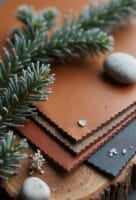
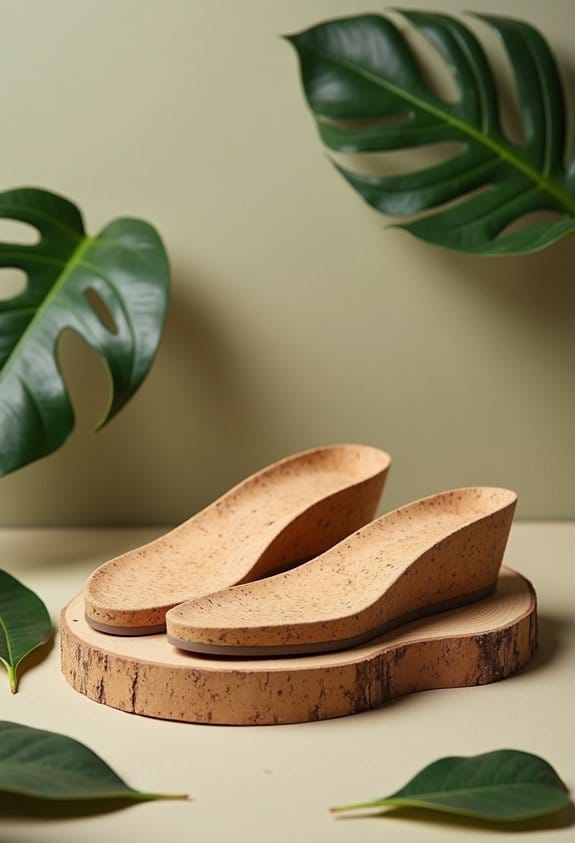
Cork, that curious yet clever material harvested from the bark of cork oak trees, stands out as a superstar in footwear for good reasons. Its properties of cork make it a top choice for insoles, offering lightweight yet strong support that cushions each footstep while reducing joint impact—imagine walking on tiny pillows! Cork’s moisture-wicking and breathable nature keeps feet dry and cool, a real win during long days. Plus, is there anything better than shoes that fight odors? Cork’s antimicrobial qualities do just that by inhibiting bacteria and mold growth inside insoles. Adding to the charm, cork molds to the unique shape of each foot, providing personalized comfort. Could footwear get any smarter? Cork proves it can—and with natural style, too! Moreover, the contoured cork footbeds provide reliable arch support that helps maintain posture and reduce foot fatigue during prolonged wear.
Advantages of Using Cork in Insoles

Many folks would be surprised at how quickly cork insoles adapt to their feet—after just around 10 hours of walking, they form a custom fit that enhances comfort like a glove (or rather, a perfectly shaped sock). Cork footbeds offer personalized support by molding precisely to each individual’s arch, improving foot health with balanced pressure distribution. Beyond comfort, cork’s natural shock absorption cushions every step, easing strain on knees and joints—quite the relief, especially for active days. Plus, cork’s moisture-wicking and antimicrobial properties keep feet dry and fresh, fighting odor and fungal foes silently. This makes cork insoles a smart choice for those seeking comfortable shoes that support posture and maintain foot hygiene effortlessly. Who knew cork could be such a hardworking, cozy companion inside your shoes? Its shock-absorbing nature also plays a key role in reducing foot fatigue during long periods of wear.
Benefits of Cork in Shoe Uppers
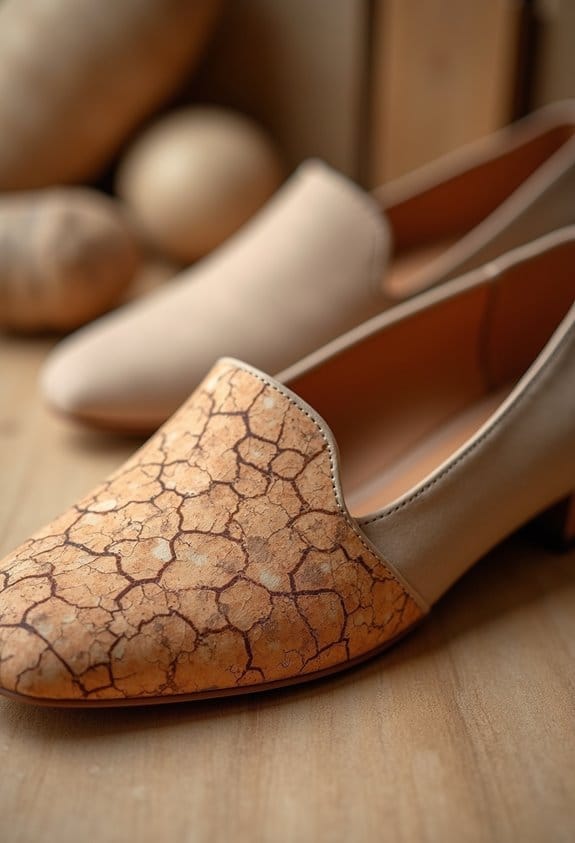
When it comes to shoe uppers, a material that blends breathability and resilience is often sought after—enter cork, the unsung hero of sustainable footwear. Cork uppers offer remarkable breathability and moisture management, naturally keeping feet cool and dry without synthetic additives. As a natural material, cork is both flexible and durable, molding comfortably to each foot while resisting wear and tear. Plus, its lightweight nature makes shoes feel less like heavy boots and more like cozy clouds—okay, maybe not quite clouds, but close! From an eco-friendly perspective, cork’s sustainability appeals strongly to those mindful of their fashion footprint. So, cork uppers don’t just promise comfort and lasting structure; they champion responsible style, marrying science and nature with every step. Could footwear get any greener—or comfier? Additionally, cork insoles contour to feet for extra comfort and cushioning, enhancing foot health through natural moisture control.
Comparison of Cork Insoles and Synthetic Alternatives
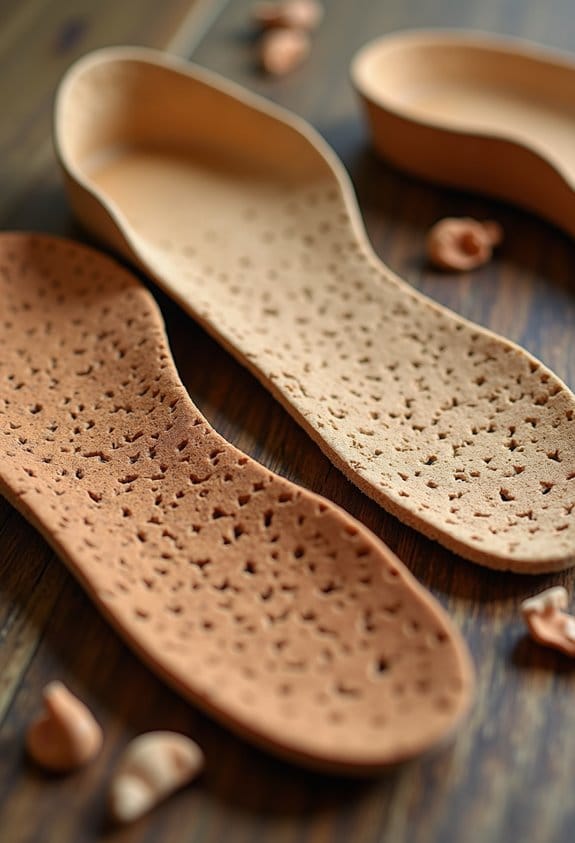
A notable choice in footwear comfort lies beneath the footbed, where insoles made from different materials battle it out for support supremacy. Cork insoles excel with natural shock absorption and personalized support, molding snugly to each foot’s unique shape. Meanwhile, synthetic materials often miss the mark on foot support, sometimes leaving wearers wincing after long days—and nobody loves that! Breathability is another win for cork, which wicks moisture away, keeping feet fresh, unlike many synthetic options prone to odor buildup. Plus, cork stands tall as a sustainable material, renewable and biodegradable—good news for eco-conscious shoe lovers. Those battling plantar fasciitis? Cork insoles offer reliable arch support, often outperforming synthetic rivals. So, why settle for less beneath your soles? Many eco-friendly shoes integrate cork insoles for their durability and longevity, making them a smart investment for both comfort and sustainability.
Durability and Support Offered by Cork Insoles
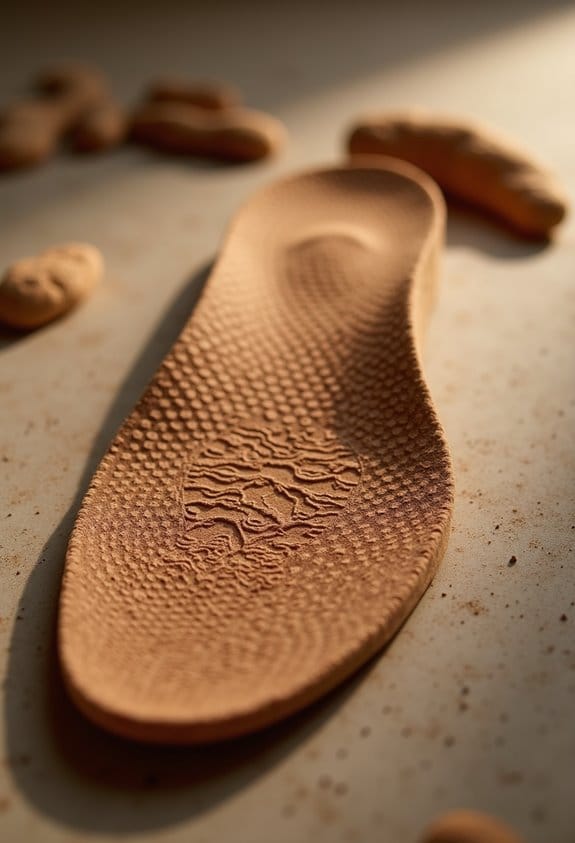
Cork insoles don’t just whisper comfort—they shout durability. These insoles resist compression, maintaining their supportive shape for years, unlike many synthetic alternatives that sag and lose bounce (goodbye, flat feet dilemmas!). Their natural arch support molds to individual feet, offering tailored comfort that helps conditions like plantar fasciitis. How cool is that? Beyond support, cork’s antimicrobial properties keep insoles fresh—no funky odors tagging along on your steps. Plus, cork naturally absorbs shock, easing joint stress and boosting overall foot health through every stride. And here’s a win-win: cork insoles are environmentally sustainable, made from renewable materials with a low carbon footprint. So, not only do they support your feet, but they also tread lightly on the planet. Durable, comfortable, and kind to feet and Earth—what’s not to like? Many earth-friendly footwear brands prioritize using cork for its low-emission manufacturing benefits, aligning with sustainable production practices.
Aesthetic and Functional Aspects of Cork Uppers
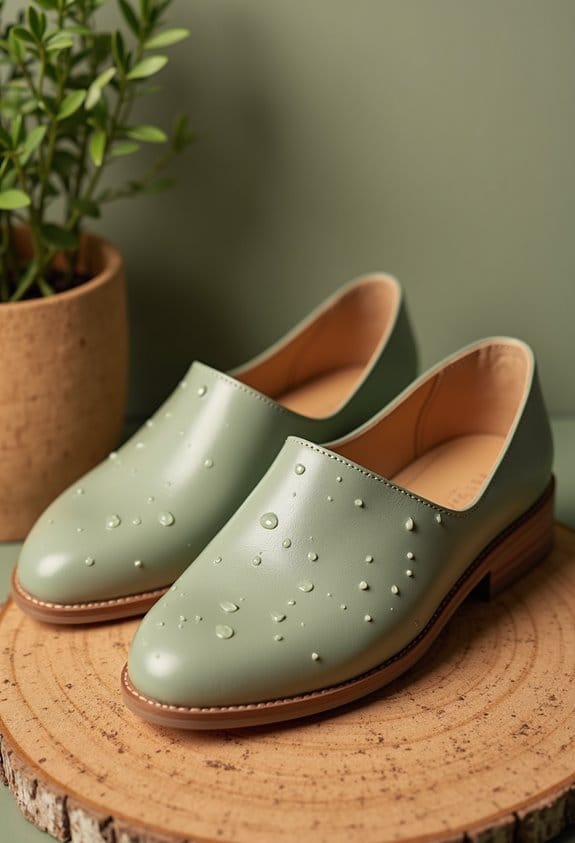
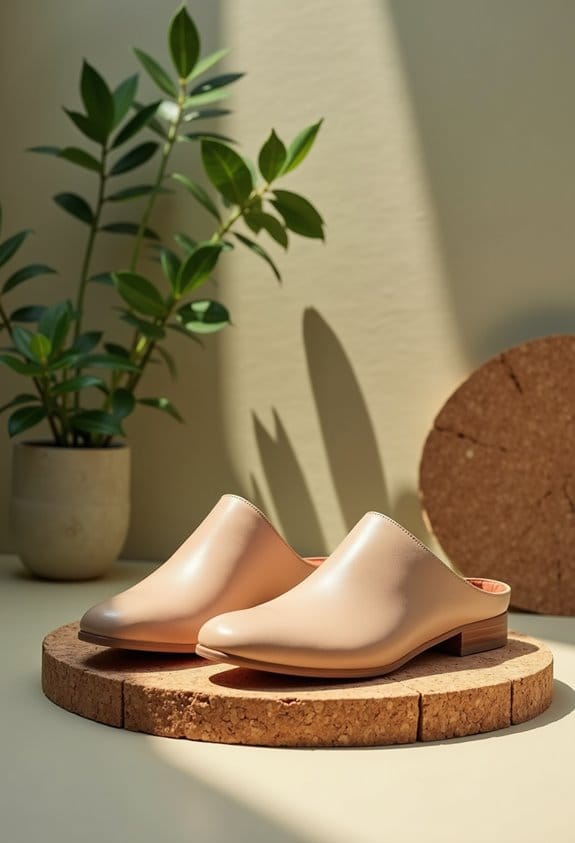
Natural beauty meets smart design in footwear outfitted with cork uppers, turning ordinary shoes into stylish statements with practical perks. Cork uppers captivate with their unique aesthetic, available in natural hues or creatively stained and painted finishes, perfect for diverse shoe styles. Beyond looks, cork is both breathable and moisture-resistant, keeping feet dry and comfy even during long wear. Ever smelled a shoe you wished you hadn’t? Cork’s natural antimicrobial traits help fend off odor, offering a fresher experience. Lightweight yet durable, cork uppers provide flexibility without adding bulk, enhancing comfort throughout the day. Plus, cork’s eco-friendly nature (harvested sustainably without harming trees) appeals to shoppers wanting style with a conscience. Who knew being comfortable could look this good? Additionally, cork’s natural shock absorption helps protect joints, enabling a softer walking experience.
Environmental Impact of Cork in Footwear
Though it might not be the first thing you think about when buying shoes, the material inside them plays a huge role in environmental impact. Cork, a renewable resource harvested every nine years without harming the tree, stands out as an environmentally friendly choice. Its carbon-negative production process actually helps reduce overall carbon footprints—a win for sustainable footwear! Plus, cork is fully biodegradable and recyclable, ensuring shoe components don’t clutter landfills. Supporting cork also means protecting diverse ecosystems since cork forests promote rich biodiversity. Compared to synthetic materials, cork’s lifecycle is much kinder to the planet. So, choosing cork in shoes—whether insoles or uppers—isn’t just smart; it’s an eco-friendly step forward for those seeking sustainability with a bit of style. Who knew your soles could save the soil? Additionally, many brands now combine cork with recycled materials to enhance both sustainability and durability in footwear designs.
Care and Maintenance for Cork Insoles and Uppers
Maintaining the longevity of cork insoles and uppers requires some simple, regular care—after all, who wants their eco-friendly shoes falling apart too soon? Cork insoles need a gentle clean with a soft, damp cloth; harsh chemicals? Big no-no—they threaten cork’s natural charm. If these insoles get wet, letting them dry thoroughly is vital since moisture weakens their structure and comfort. Cork uppers enjoy some love too—a periodic rub with cork conditioner keeps them flexible and looking sharp. Storing the shoes in a dry spot prevents mold and helps maintain their shape. Regular checks for wear guarantee cork insoles keep offering reliable support and comfort. With these easy maintenance steps, cork footwear stays comfy and lasts longer, proving that good care equals happy feet! Like apple leather, cork is part of an emerging group of eco-friendly materials that contribute to sustainable footwear options.
Trends and Innovations in Cork Footwear Materials
Innovation is reshaping the way cork is used in footwear, turning this humble tree bark into high-tech shoe components. Cork uppers have soared in popularity thanks to their lightweight and breathable nature, offering a sustainable alternative to leather. Meanwhile, cork insoles team up with advanced cushioning tech, delivering impressive comfort and shock absorption—finally, shoes that feel as good as they look! Intriguingly, antimicrobial cork materials are emerging to fight odor, making uppers more hygienic for active wearers. Brands emphasize cork’s renewable and biodegradable qualities, appealing to eco-conscious customers who want sustainable shoes without sacrificing style or comfort. Even 3D-printed cork elements are entering the scene, improving durability and design possibilities. Who said cork was just for wine bottle stoppers? It’s truly a cork revolution in footwear! Additionally, integrating sustainable materials made from recycled plastics alongside cork is becoming a key trend in eco-friendly shoe design.
Frequently Asked Questions
Are Cork Insoles Good for Feet?
Cork insoles provide excellent cork support and foot comfort through natural material cushioning impact. They offer moisture control with low heat retention, balance durability factors, and serve as an eco friendly option, enhancing overall foot health effectively.
What Are the #1 Podiatrist Recommended Insoles?
Podiatrist recommendations prioritize custom insoles with superior arch support, enhancing shoe comfort and foot alignment. These insoles aid foot health, especially for plantar fasciitis, and are favored in athletic footwear for their durable, adaptive properties.
What Are the Benefits of a Cork Footbed?
Cork footbed benefits include natural cushioning and superior shock absorption, disproving doubts about comfort. Its lightweight material excels in moisture absorption, temperature regulation, and durability factor, making it an eco friendly option for long-lasting footwear comfort and support.
How to Break in Cork Insoles?
Breaking in cork insoles involves a gradual wear-in period, allowing the texture feel to adjust fit and improve comfort level. Moisture absorption should be minimized to prevent durability concerns, while arch support strengthens through consistent use.