As an Amazon Associate, we earn from qualifying purchases. Some links on this site are affiliate links at no extra cost to you. Our recommendations are based on thorough research and editorial judgment.

What Makes a Shoe “Vegan” (And What Doesn’t)?

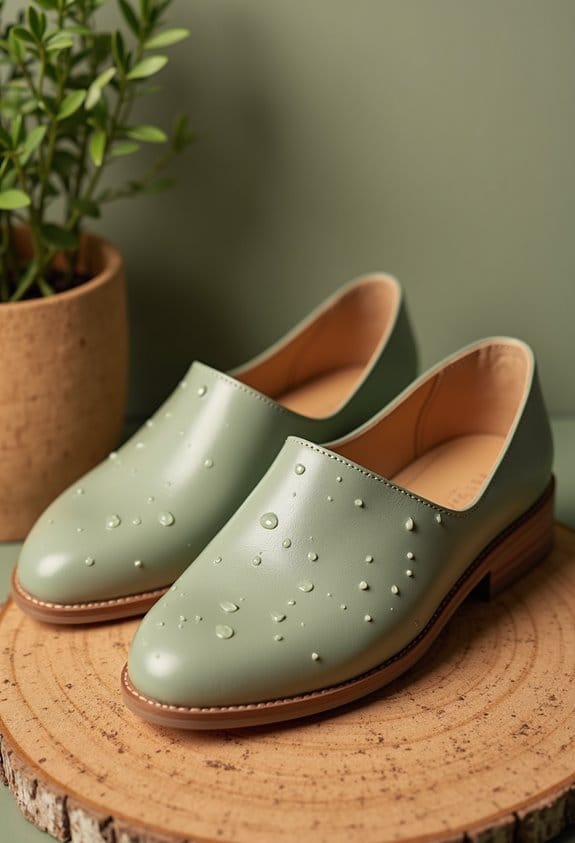
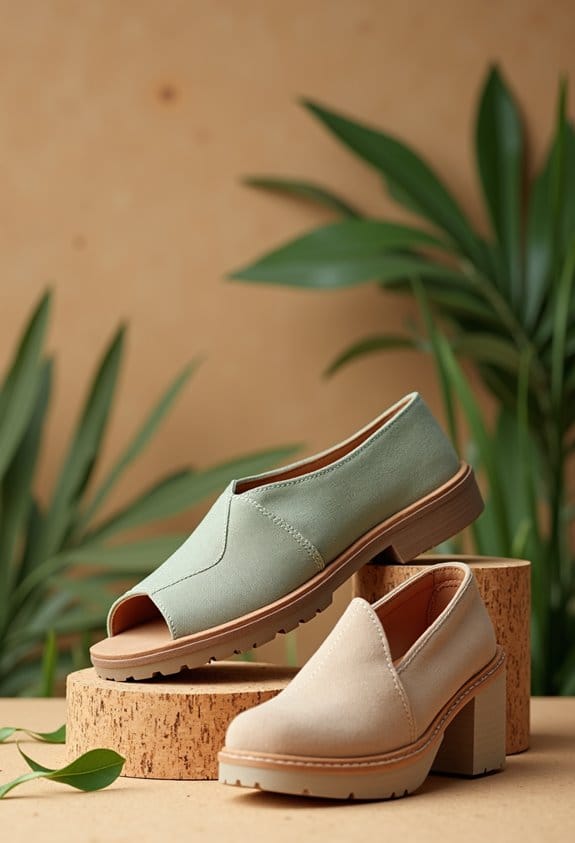
What makes a shoe truly vegan? Simply put, no animal products allowed—no leather, wool, or even sneaky adhesives made from casein! Instead, vegan shoes use synthetic materials like polyurethane, recycled plastics, and plant-based fibers such as pineapple leather to keep feet stylish and cruelty-free. Look for trusted labels like the PETA-Approved Vegan logo to skip guesswork. Vegan shoes boast a lower environmental footprint, though synthetics have their quirks. Curious about spotting real vegan kicks and their eco impact?
Key Takeaways
- Vegan shoes exclude all animal-derived materials like leather, suede, wool, and animal-based adhesives.
- They use synthetic materials such as polyurethane, recycled plastics, and plant-based options like pineapple fibers.
- Vegan shoes often carry certifications like the PETA-Approved Vegan logo for authenticity.
- Non-vegan components can hide in linings, adhesives, dyes, or finishes derived from animals.
- Ethical vegan shoes emphasize cruelty-free production, sustainability, and reduced environmental impact compared to traditional leather.
Defining Vegan Shoes: Key Characteristics
You may be interested


The world of footwear has grown to include vegan shoes, an exciting category defined by its strict avoidance of animal products—no leather, suede, or wool here! Vegan shoes are made using innovative materials, both synthetic and plant-based, ensuring no harm comes to animals in their crafting. Conscious consumers appreciate how these shoes exclude all animal products, including common but lesser-known sources like animal-based adhesives (no sticky situations!). While synthetic materials like polyurethane offer durability, plant-based options such as pineapple fibers and apple leather add environmental flair. However, environmental impact can still vary widely depending on manufacturing methods. Thankfully, certifications like the PETA-Approved Vegan logo help buyers identify true vegan shoes. Isn’t it great when fashion meets ethics and eco-awareness, all strapped onto your feet? Many brands are increasingly transparent about their material sourcing and labor practices, boosting consumer confidence in vegan footwear options.
Common Materials Used in Vegan Footwear
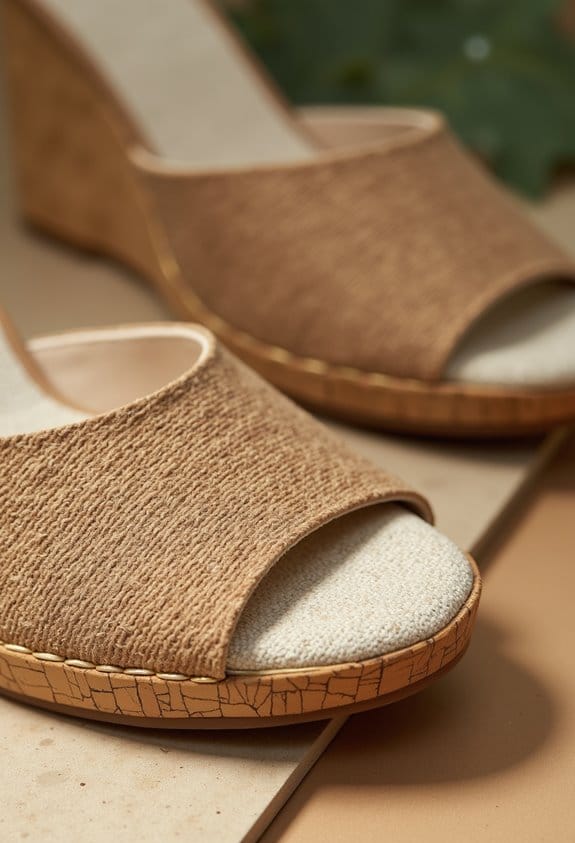
Materials make or break any pair of shoes, and vegan footwear boasts an impressive lineup! Vegan shoes made today avoid all animal-derived materials like leather or wool, instead favoring plant-based options such as organic cotton and innovative materials made from pineapple (yes, pineapple!). Synthetic materials like polyurethane (PU) and recycled plastics offer durability, though their environmental impact raises questions—climate change isn’t waiting. Recycled rubber and innovative recycled materials drive sustainable footwear forward, reducing waste with style in mind. Canvas blends—often cotton mixed with polyester—also provide comfort and toughness. So, can shoes be eco-friendly and cruelty-free? Absolutely! Though synthetic components pose some challenges, the ongoing push for greener alternatives keeps the vegan shoe market fresh, fun, and fashionably kind-hearted. Who knew shoes could save the planet, one step at a time? Choosing sneakers certified by EPA Safer Choice or OEKO-TEX ensures they meet strict chemical safety standards, making sustainability and health a priority.
Identifying Non-Vegan Components in Shoes
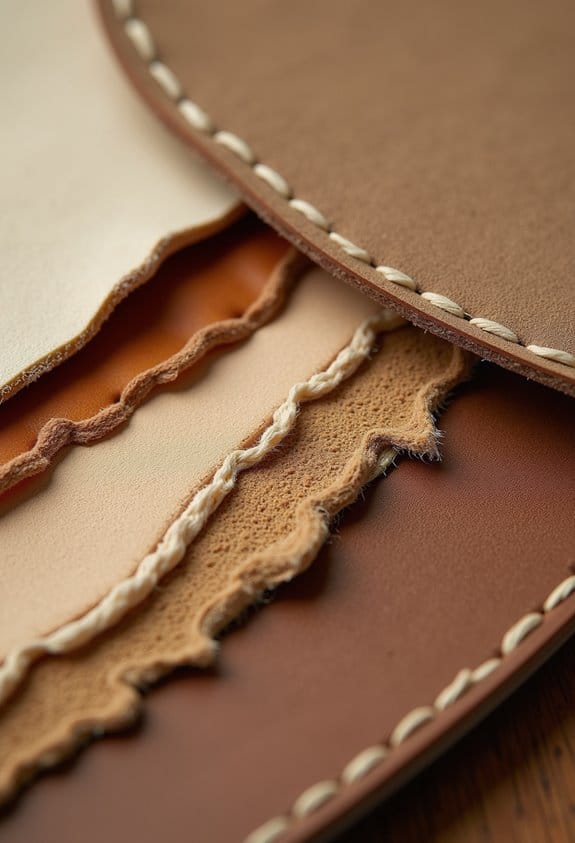
Spotting non-vegan components in shoes can feel like detective work, but it’s worth the effort for anyone committed to cruelty-free fashion. Non-vegan shoes often hide leather, suede, wool, or cashmere, which instantly disqualify them from veganhood. Even shoe adhesives aren’t innocent; many contain animal by-products like casein from milk—yikes, who knew glue had secrets? Linings crafted from fur or leather are sneaky culprits, so checking materials is key. Some synthetic leathers claim to be vegan, yet questions about energy consumption and environmental impact may linger. Beware decorative elements too; animal-based dyes or finishes might spoil the vegan party. While materials are vegan, the overall footprint requires scrutiny. For now, recognizing these hidden non-vegan details is essential before deciding which shoes truly deserve a spot in your collection. Choosing footwear made from sustainable hemp materials offers a durable, eco-friendly alternative free from animal products.
How to Verify If a Shoe Is Truly Vegan
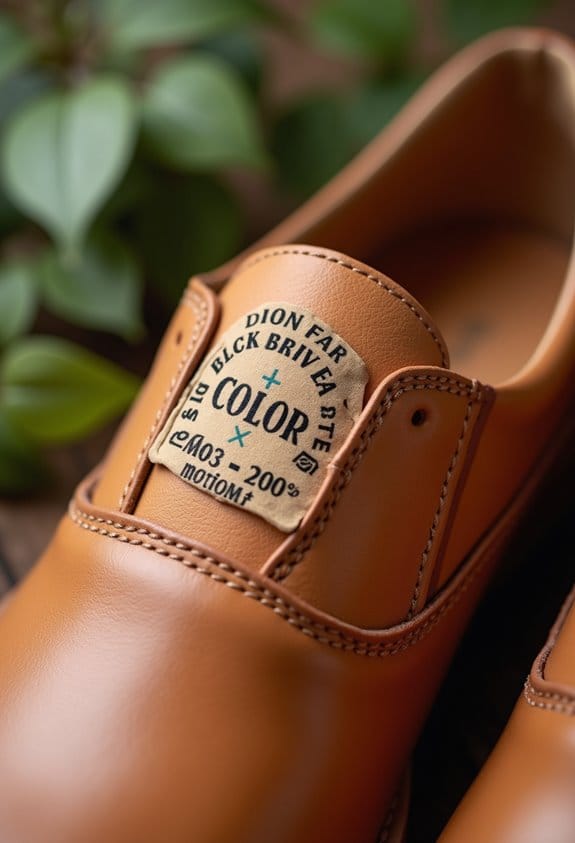
After uncovering sneaky animal-based ingredients lurking in shoe linings and glue, figuring out whether a shoe truly counts as vegan becomes a bit like solving a fashion mystery. One smart move is to look for labels like the PETA-Approved Vegan stamp, signaling that these shoes are made without leather, suede, or animal glue. In a shoe store, checking product descriptions for materials made from plants or synthetics is key—common vegan alternatives include microfiber or recycled plastic. Curious if a brand is vegan-friendly? Research their transparency; conscious choices often mean calling customer service for a materials rundown. Don’t forget to spot symbols too: a diamond or crosshatch suggests Vegan Footwear, while an animal-hide icon screams not vegan. Stylish and comfortable—vegan shoes prove you don’t need the leather industry to look good! Additionally, considering factors like the use of sustainable materials ensures ethical and environmentally conscious choices in vegan footwear.
The Environmental and Ethical Implications of Vegan Shoes
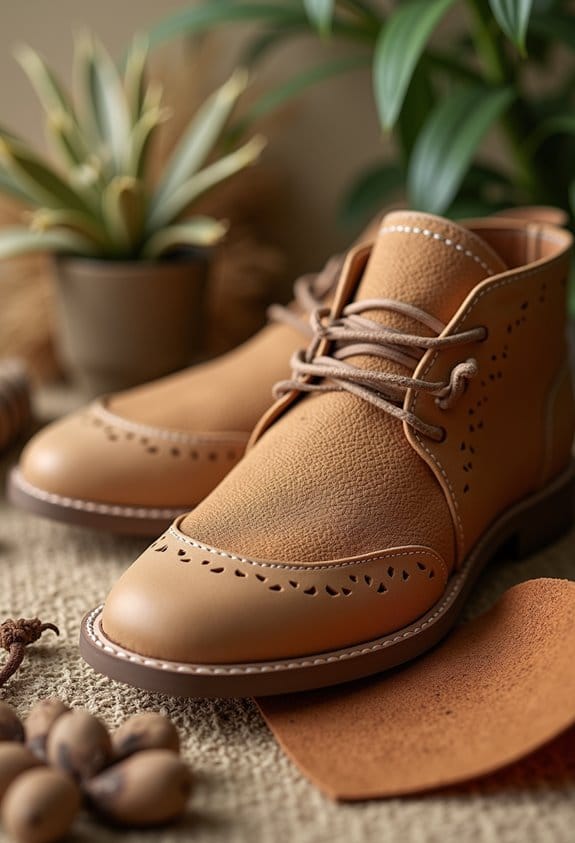
While vegan shoes skip animal skins and furs, their environmental story isn’t entirely black and white. Vegan shoes focus on cruelty-free production by avoiding animal exploitation, often using synthetic materials like recycled plastics and plant-based fibers. These alternatives generally lower the environmental footprint compared to traditional leather, but synthetic materials can pose pollution risks due to reliance on petroleum products—so it’s not totally guilt-free! Many brands embrace ethical manufacturing, prioritizing fair labor and transparent practices in the name of sustainable fashion. So, can vegan shoes be perfectly green? Not quite, but they represent a significant step forward. With growing consumer awareness, these shoes offer a kind-hearted—if imperfect—option that balances style, ethics, and the planet’s needs. Moreover, some vegan shoes incorporate recycled materials that reduce waste and environmental impact compared to conventional synthetic footwear.
Popular Brands Offering Genuine Vegan Footwear
Interest in cruelty-free and eco-conscious footwear has driven many well-known brands to expand their vegan offerings in recent years. Nike, for instance, has used vegan glue since 2015, ensuring their shoes vegan status without sacrificing quality. Adidas proudly labels its growing line of vegan shoes, often made with synthetic materials like polyurethane (PU) derived from recycled sources. Vans and Dr. Martens also offer trendy, ethically made pairs of shoes perfect for those wanting the best vegan option. New Balance emphasizes sustainability and responsible working conditions, making shoes more eco-friendly while keeping comfort high. Brands like Toms contribute by combining style with compassion—making sure consumers can pick shoes vegan through and through. Additionally, companies like Blowfish Malibu incorporate eco-friendly insoles made from algae, further advancing the sustainability of vegan footwear. So, which brand will your feet thank first?
Frequently Asked Questions
What Makes Shoes Vegan?
Vegan shoes are defined by using vegan materials, including sustainable alternatives and plant-based options, combined with ethical production methods. They embody cruelty free fashion and innovative textiles, reflecting consumer awareness and evolving fashion trends despite potential environmental impact concerns.
What Is the Downside of Vegan Leather?
The downside of vegan leather includes durability concerns and longevity issues, reliance on chemical usage and plant-based materials with high environmental impact. Despite animal welfare benefits, consumer perceptions, fashion trends, and price comparisons often overlook these significant drawbacks.
How to Identify Vegan Shoes?
A young woman choosing cruelty-free fashion discovered a vegan shoe brand with clear certifications and brand transparency. Identifying vegan shoes involves recognizing sustainable materials, eco-friendly fabric types, ethical production methods, and promoting consumer awareness in vegan shoe brands.
Why Aren’t Shoes Vegan?
Shoes aren’t vegan due to animal derived materials, ethical concerns surrounding animal cruelty, and environmental impact from manufacturing processes. Fashion trends, consumer awareness, market demand, and sustainable practices also influence their production and availability in the market.