As an Amazon Associate, we earn from qualifying purchases. Some links on this site are affiliate links at no extra cost to you. Our recommendations are based on thorough research and editorial judgment.

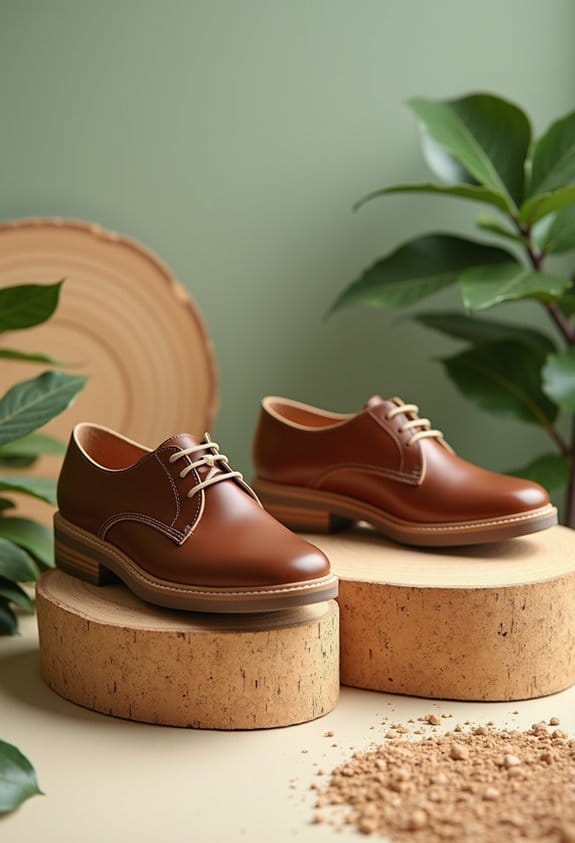
Vegan Shoes Vs Leather Shoes: the Materials Breakdown (No Brands)

Vegan shoes ditch animal hides for materials like cork, hemp, and synthetic polyurethane—yes, man-made but much kinder to cows (and calves!). Leather shoes, made from tanned animal skins, have a hefty environmental toll, producing up to 110 kg CO2 per square meter, plus toxic tanning waste. Vegan alternatives cut emissions but beware of PU and PVC—they’re less eco-friendly than they seem and can shed microplastics. Curious about the evolving eco-friendly materials and ethical choices? There’s more to explore ahead!
Key Takeaways
- Vegan shoes use plant-based and synthetic materials like cork, hemp, PU, and recycled fibers, avoiding animal hides found in leather shoes.
- Leather shoes rely on animal hides and involve toxic tanning chemicals, while vegan shoes often use eco-friendlier, biodegradable, or recycled materials.
- Cow leather production emits up to 110 kg CO2e/m², surpassing PU synthetic leather’s 15.8 kg CO2e/m², highlighting vegan options’ lower carbon footprint.
- Common vegan materials like PU and PVC are non-biodegradable, potentially causing microplastic pollution despite being cruelty-free and sustainable in other aspects.
- Innovative vegan materials include apple, pineapple, mycelium, and cactus leathers, offering biodegradable and plant-based alternatives to traditional and synthetic leathers.
Differences in Composition Between Vegan and Leather Shoes
You may be interested


Although both vegan and leather shoes serve the same purpose, their makeup couldn’t be more different. Vegan materials often come from plants like cork and hemp or synthetic materials such as polyurethane and vinyl, offering an ethical and sustainable alternative. Unlike leather tanning, which involves toxic chemicals and has significant environmental impacts—including high water usage and considerable carbon emissions—vegan shoes often incorporate recycled materials like ocean plastics to reduce waste. Leather relies on animal hides, typically cow or calf, and while it ages beautifully, the tanning process can harm ecosystems. So, why choose vegan? It’s not just about style; it’s a step toward lowering your carbon footprint and avoiding the heavy environmental cost tied to traditional leather production. Shoes, but friendlier to the planet! Many brands also adopt sustainable manufacturing practices to further minimize their environmental impact.
Common Materials Used in Vegan Footwear

Materials are the heart and sole of vegan footwear—pun intended! Common materials used in vegan footwear include innovative vegan leather like apple and pineapple leather, cork, and hemp, all offering eco-friendly and stylish alternatives. Synthetic leather, typically made from polyurethane (PU) or polyvinyl chloride (PVC), provides affordable options but raises ethical concerns due to fossil fuel origins. High-quality materials also embrace recycled materials, such as ocean plastics and recycled polyester, reinforcing sustainable practices. Emerging biodegradable materials, including mycelium from mushrooms and other plant fibers, promise a greener future. Unlike traditional leather, many vegan alternatives avoid harmful tanning chemicals, reducing environmental damage during production. Additionally, pineapple leather’s sustainable production uses less water and energy while emitting fewer greenhouse gases compared to traditional leather. So, can vegan footwear truly marry style, ethics, and durability? With these diverse materials, it certainly seems possible (and quite trendy)!
Environmental Impacts of Leather Production

The environmental footprint of leather production is staggering, with cow leather alone releasing up to 110 kilograms of CO2 equivalent per square meter—yep, that’s as much as a short car trip! Leather production, an animal-derived material process, heavily contributes to climate change and natural resources depletion—think vast land and water use. The tanning process often uses chromium, creating toxic waste that causes environmental pollution, harming ecosystems and posing risks to workers. Footwear companies add roughly 17 kilograms of CO2 emissions per square meter during leather processing, upping the carbon footprint further. So, while some might swoon over leather’s durability, synthetic materials offer an intriguing alternative with potentially lower environmental costs. Considering all this, is leather really the eco-friendly choice, or just a luxury with a hefty environmental bill? In contrast, biodegradable materials such as organic cotton and natural rubber offer a more sustainable option by reducing landfill waste through natural decomposition.
Environmental Footprint of Synthetic and Plant-Based Materials
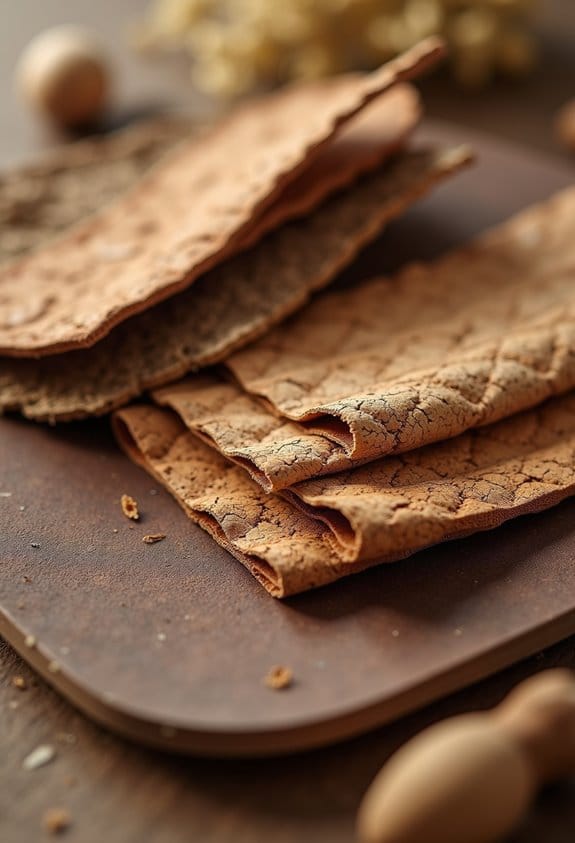
While traditional leather carries a hefty environmental price tag, synthetic and plant-based alternatives present a curious mix of pros and cons. Synthetic materials like polyurethane (PU) and PVC—common in vegan shoes—stem from fossil fuels and don’t biodegrade, eventually breaking down into pesky microplastics. Yet, PU synthetic leather’s carbon footprint (about 15.8kg CO2e per square meter) is much lower than traditional leather’s whopping 110kg CO2e, factoring in farming and tanning pollution. Plant-based leathers, made from cork, pineapple, or apple, often shine by slashing water usage and avoiding toxic tannery waste. Plus, emerging bio-based options from mushrooms and cacti promise to shrink the environmental impact even further. So, are vegan shoes truly greener? Well, it depends—each material has its quirks, but they generally tread lighter than leather’s muddy footprint. For instance, apple leather uses 25% less water than traditional leather, making it a notable option for reducing water consumption.
Animal Welfare Considerations in Leather Shoe Manufacturing
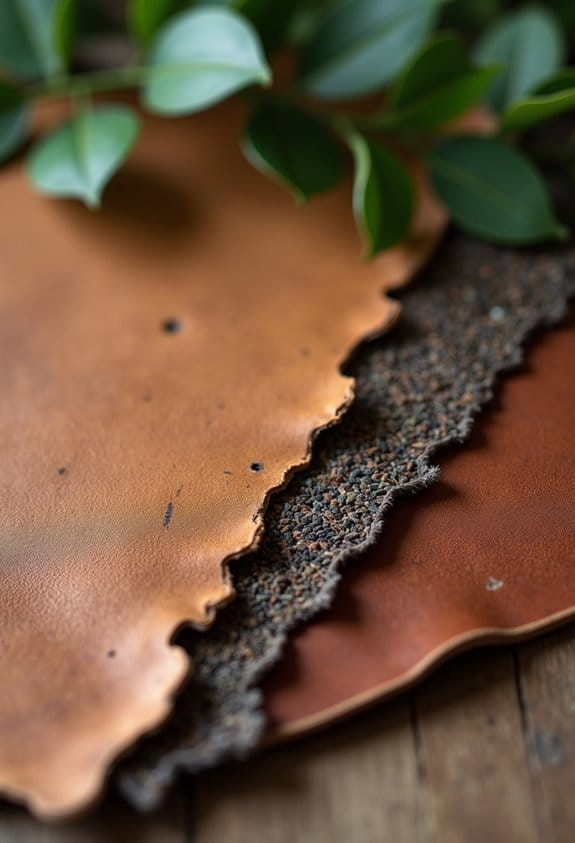
Shoe fans might wonder if worrying about the environment is enough when choosing vegan over leather shoes. The leather industry, valued around £200 billion, often hides animal welfare issues, treating animal hides mainly as leftovers from meat production. Ethical farming? Rarely the focus. Plus, leather’s journey isn’t guilt-free—cattle farming emits loads of greenhouse gases, with cow leather producing up to 110kg CO2e per square meter. And let’s not forget tanning processes, which commonly use chromium, exposing workers and nature to hazardous substances, making the whole process ethically questionable. Certifications like the Leather Working Group mostly tackle environmental matters, not animal welfare. Given these concerns, leather alternatives become more appealing, offering consumers choices that sidestep questionable practices and support better treatment of animals—something to chew on while lacing up! Many quality vegan shoes also feature PETA-approved vegan certifications ensuring cruelty-free production and ethical sourcing.
Durability Comparison: Vegan Versus Leather Shoes
Although durability often tips many buyers toward traditional leather shoes, high-quality vegan alternatives are closing the gap faster than one might expect. Vegan shoes made from synthetic materials like polyurethane (PU) or microfiber can rival leather shoes in toughness, but their lifespan varies based on material choice and construction. Leather shoes are known for aging gracefully with proper maintenance, though they demand more care. Meanwhile, vegan shoes made from recycled materials often boast a lower carbon footprint, easing concerns about environmental impact—though some synthetics may shed microplastics over time (not exactly the desert island souvenir you want). So, is durability a trade-off or a tie? For eco-conscious consumers facing daily wear and tear, both options now offer compelling reasons to step confidently. Additionally, advances in waterproof vegan mesh technology are enhancing durability and comfort for outdoor footwear applications.
Advantages of Choosing Vegan Shoes
Durability is key, but what makes vegan shoes truly stand out are the unique benefits they bring beyond toughness. Crafted from plant-based materials like cork and apple leather or synthetic options such as polyurethane (PU), vegan footwear offers a cruelty-free alternative to traditional leather. Did you know PU leather’s carbon footprint is about 15.8kg CO2e per square meter—far less than cow leather’s hefty 110kg? Sustainable practices, including the use of recycled ocean plastics, reduce environmental impact and waste, making vegan shoes a smarter eco-choice. Ethically conscious consumers appreciate avoiding livestock-based materials, aligning their style with animal welfare values. Plus, these shoes often require less maintenance while keeping up with the latest trends. Isn’t it time footwear could be both fashionable and kind? Additionally, selecting shoes made with natural dyes and sustainable materials further minimizes environmental harm and enhances skin comfort.
Challenges and Limitations of Vegan Footwear Materials
Often praised for their eco-friendly appeal, vegan footwear materials also come with their own set of challenges that deserve a closer look. Synthetic shoes commonly use materials like polyurethane (PU) and polyvinyl chloride (PVC), both derived from fossil fuels. These choices raise environmental concerns due to low biodegradability and microplastic pollution as they degrade—hardly the green dream! The manufacturing process is energy-intensive too, sometimes causing a higher carbon footprint than expected. Even innovative vegan alternatives, such as apple and grape leather, often include synthetic components, complicating sustainable footwear claims. Durability varies widely, with cheaper materials wearing out faster than traditional leather. So, while vegan options tackle animal welfare brilliantly, the materials used present hurdles in achieving truly eco-friendly footwear, reminding us that every shoe drops a complex footprint on the planet. Choosing biodegradable materials can help reduce long-term waste and environmental harm.
Identifying Ethical and Sustainable Vegan Shoe Brands
Spotting truly ethical and sustainable vegan shoe brands can feel like traversing a jungle of buzzwords and clever marketing (who hasn’t been fooled by a green label or two?). Genuine vegan footwear is made without animal products and focuses on a lower environmental impact by using eco-friendly materials like recycled plastics or plant-based leathers. Transparency in the supply chain is key—brands committed to sustainability openly share where and how their shoes are made. Certifications like PETA-Approved Vegan or GOTS help identify ethical and environmentally friendly practices. Fair labor practices also matter, ensuring workers are treated well and paid fairly. So, how can one avoid animal-friendly greenwashing? A little digging always helps—trust but verify, to keep those sneaky faux-ethical brands at bay! Many brands today also emphasize ethical manufacturing practices, which include fair wages, safe working conditions, and transparency in their production processes.
Innovations in Bio-Based Vegan Shoe Materials
Exploring the world of vegan shoes reveals some pretty cool innovations in bio-based materials that are making old-school leather look a bit jealous. Apple leather and pineapple leather, crafted from agricultural leftovers, show how plant-based leathers are stepping up sustainability. Biodegradable alternatives like fungal and cactus leather reduce environmental impact even further, breaking down naturally when you’re done with them. Recycled materials have joined the party too—think ocean plastics and recycled polyester, turning trash into treasure and supporting circular economy goals. While some materials still sneak in tiny synthetic parts (not quite 100% fossil fuel-free yet), ongoing research promises greener kicks ahead. With sustainable practices evolving fast, bio-based vegan shoes aren’t just kind to animals—they’re kinder to the planet too. Who knew saving the world could look this stylish? Hemp fibers, known for their durability and sustainability, are increasingly being used to create eco-friendly footwear options that complement these innovations.
Factors to Consider When Purchasing Vegan Shoes
What should shoppers keep in mind when choosing vegan shoes in a market bursting with options? First, look beyond synthetic faux leather to eco-friendly materials like apple leather or cork, which offer durability rivaling animal leather while boosting sustainability. High-quality vegan shoes aren’t just about looks—they demand comfort and performance fit for daily wear. Checking brands’ ethical practices is essential; do they openly share supply chains or flaunt certifications such as PETA-Approved Vegan? Beware of greenwashing—some claims sound impressive but lack proof. Reading customer reviews can reveal if these shoes truly deliver or just pretend to. In this ever-growing market, a savvy shopper weighs durability, ethics, and eco-friendliness, making choices that honor animals and the planet—while keeping feet happy, too!
Frequently Asked Questions
What Is the Healthiest Material for Shoes?
Studies show 65% fewer allergenic reactions with natural materials in shoes. Eco-friendly options offer superior breathability factors, comfort levels, and sustainability benefits compared to synthetic materials, while also presenting balanced durability comparisons essential for healthier, long-lasting footwear choices.
What Is the Downside of Vegan Leather?
The downside of vegan leather includes durability concerns, higher maintenance requirements, and lower comfort levels due to less breathability. Its environmental impact from production processes contrasts with ethical considerations. Price comparisons and aesthetic variety vary widely.
Do Luxury Brands Use Vegan Leather?
Luxury brands embrace vegan leather as a beacon in the evolving landscape of sustainable fashion, weaving cruelty-free alternatives into their collections. This shift reflects ethical consumerism, refined production processes, and changing consumer perceptions favoring luxury sustainability amidst market trends.
What Are Vegan Shoes Made Out Of?
Vegan shoes are made from plant-based materials, synthetic alternatives, natural fibers, recycled plastics, and cork soles. These eco-friendly options prioritize sustainable manufacturing, aiming to reduce environmental impact while offering durable, cruelty-free footwear choices.