As an Amazon Associate, we earn from qualifying purchases. Some links on this site are affiliate links at no extra cost to you. Our recommendations are based on thorough research and editorial judgment.


Vegan Materials Basics: A Simple Guide for Shoes

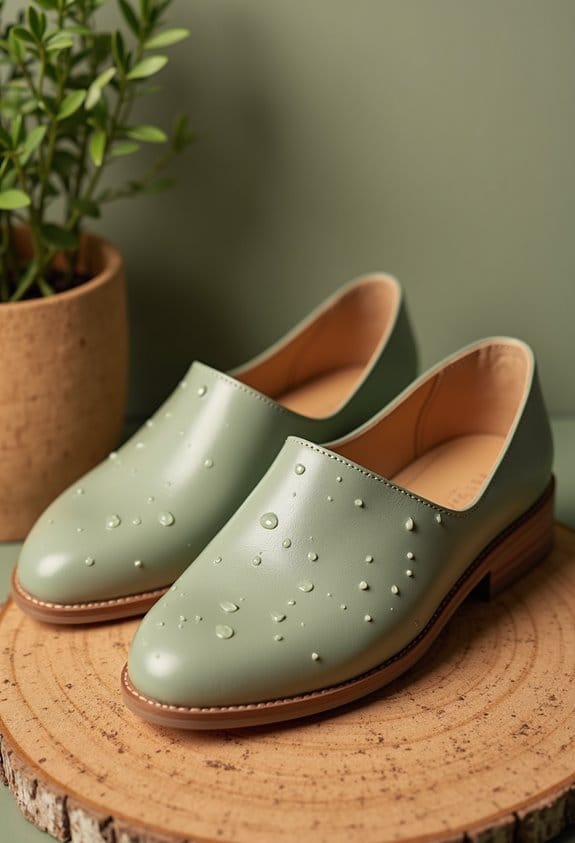
Vegan shoes skip animal skins, wool, and fur, using smart alternatives like Piñatex from pineapple leaves and cactus-based Desserto instead. These materials save over a billion animals yearly while cutting environmental harm—talk about a win-win! Common choices include recycled plastics, organic cotton, and mushroom-based MuSkin, all paired with non-toxic glues and plant-fiber insoles for comfort and durability. Curious how these clever components come together? It’s worth exploring more fascinating vegan footwear facts ahead!
Key Takeaways
- Vegan shoes exclude all animal products like leather, wool, and fur to ensure cruelty-free footwear.
- Common vegan shoe materials include synthetic polyurethane, microfiber, recycled plastics, and organic cotton.
- Innovative plant-based leathers such as Piñatex, apple leather, cork, MuSkin, and cactus promote sustainability.
- Construction involves natural fibers for linings, plant-based insoles, cellulose stiffeners, and water-based non-toxic adhesives.
- Labels like “100% Synthetic” or “All Manmade” help identify vegan shoes for easy and ethical purchasing.
Defining Vegan Shoes and Their Importance
You may be interested


Imagine stepping into shoes that don’t cost a single animal’s life—this is the promise of vegan footwear. Vegan shoes are crafted entirely without animal products like leather, wool, or fur, eliminating the ethical concerns surrounding these materials. Did you know leather production leads to over one billion animal deaths annually? That’s a lot of unhappy cows and sheep! Instead, vegan shoes often use sustainable materials, offering a kinder footprint on the planet. Plus, many brands proudly display certifications such as the PETA-Approved Vegan logo, making it easy for shoppers to spot cruelty-free options. With their blend of ethical clarity and innovation, vegan shoes invite consumers to make conscientious choices, combining style with a commitment to animal welfare—proving fashion truly can be guilt-free! One exciting example is the use of apple leather, a sustainable material derived from apple processing waste, which combines durability with eco-friendly innovation.
Common Materials Used in Vegan Footwear

When choosing shoes without animal products, the question arises: what materials take the place of leather and wool? Vegan footwear often relies on synthetic materials like polyurethane (PU) and microfiber, which offer durability and flexibility without the ethical baggage of animal-based goods. Vegan leather made from recycled plastics—often sourced from PET bottles—helps reduce ocean pollution while creating strong, flexible fibers. Additionally, breathable organic cotton provides a chemical-free, biodegradable fabric option that’s comfortable and earth-friendly. While plant-based leathers such as pineapple leaf-based Piñatex and cork exist, these eco-friendly heroes are saved for later (don’t want to spoil the next topic!). These common materials deliver both style and sustainability, proving vegan shoes can be functional and fashionable without a hint of animal cruelty. Many vegan shoes also incorporate fair trade certifications to ensure ethical labor and sustainable material sourcing, aligning footwear choices with broader social and environmental values.
Innovative Plant-Based Leather Alternatives

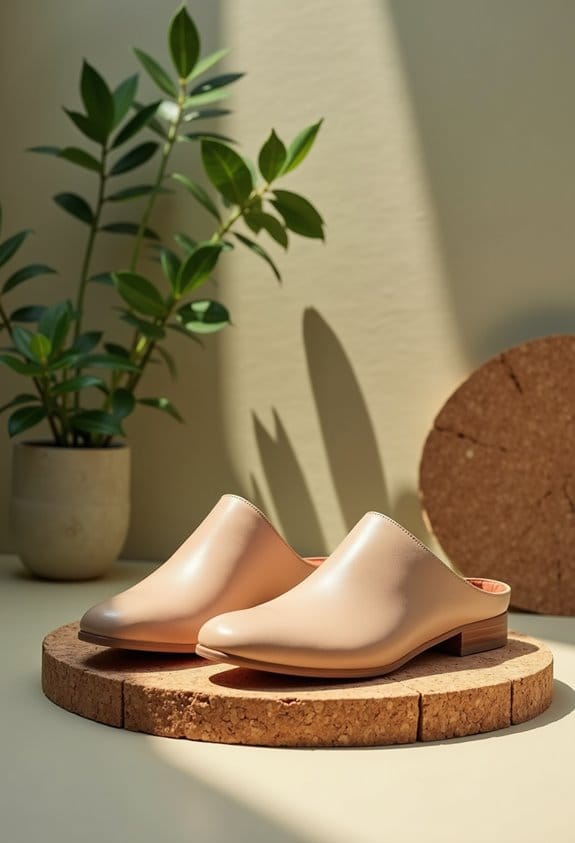
Although traditional leather has long dominated the footwear market, a fresh wave of innovative plant-based alternatives is changing the game for vegan shoes. Materials like Piñatex, made from pineapple leaf fibers, cleverly turn agricultural waste into durable leather alternatives, helping farmers earn extra income. Apple leather, created from leftover apple bits, looks and feels like classic leather, but with a zero-waste twist. Cork, harvested without hurting trees, is lightweight and waterproof—a truly eco-friendly material. Ever heard of MuSkin? This mushroom-based leather alternative is surprisingly tough and all-natural. Then there’s Desserto, crafted from cactus, supporting sustainable agriculture by making the most of arid lands. These plant-based leather alternatives combine style, sustainability, and practicality—proof that vegan shoes matter, and innovation is thriving! Additionally, apple leather’s production process involves transforming pulp from apple waste into leather-like sheets, making it a highly sustainable option.
Components of Vegan Shoe Construction

Crafting vegan shoes involves more than just swapping out animal leather for plant-based alternatives like MuSkin or Mirum—it’s a whole system of materials working in harmony. Vegan materials extend to linings made from natural fibers such as cotton or hemp, and insoles often combine plant fibers with natural latex and recycled synthetics for comfort. Supporting structures, called stiffeners, use cellulose-based sheets or polyester, keeping shoes sturdy without animal products. Isn’t it cool how even glue matters? Vegan shoe construction relies on non-toxic adhesives that are water-based, ditching animal-derived glues for a cleaner, kinder process. This thoughtful mix guarantees durability and ethical standards, proving that sustainable shoes don’t just walk the walk—they strut it, too! Additionally, the use of bamboo fibers in components like insoles and uppers improves breathability and moisture control, enhancing wearer comfort naturally.
Identifying and Caring for Vegan Shoes

How can one confidently spot vegan shoes amid a sea of options? Look for labels like “100% Synthetic” or “All Manmade,” then double-check product details and brand websites to verify no animal-derived materials sneak in. Vegan sneakers often use materials like faux leather, microsuede, faux wool, and hemp. Caring for vegan shoes means tailoring cleaning methods: wipe faux leather with a damp cloth, avoid water with microsuede, and hand wash faux wool carefully. Don’t forget—some shoes use glues with animal products, so ask if unsure. Store vegan shoes in ventilated spots away from sunlight, stuffing toes with tissue or newspaper to keep their shape intact. Following these tips guarantees your vegan sneakers stay stylish and strong—because cruelty-free doesn’t have to mean low-quality! Additionally, choosing sneakers with podiatrist-certified arch support can enhance comfort while maintaining your ethical standards.
Popular Vegan-Friendly Shoe Brands and Retailers
When hunting for vegan shoes, knowing which brands and retailers lead the charge can save both time and second-guessing. Popular vegan shoe brands like Cridecoeur mix hemp, organic cotton, and recycled plastics to craft stylish, environmentally friendly footwear. Oka-B also champions durability and cruelty-free comfort with synthetic shoes made from recycled materials. Meanwhile, Indosole takes recycling up a notch by turning tire waste into eco-friendly shoes—talk about putting your sole to good use! Vegetarian Shoes offers pleather options with fashion sense straight from the UK. For those who want a broader selection, Unicorn Goods provides an online hub endorsed by PETA that brings together many vegan footwear options, making it easier than ever to shop consciously without sacrificing style or ethics. Many of these brands also prioritize eco-friendly manufacturing practices, using recycled or organic materials and water-based adhesives to minimize environmental impact.
Frequently Asked Questions
What Is the Downside of Vegan Leather?
The downside of vegan leather is that it’s not all sunshine and roses; durability concerns and environmental impact remain significant, while consumer perception often questions its breathability and comfort compared to traditional leather, complicating widespread acceptance.
What Is the Healthiest Material for Shoes?
The healthiest material for shoes combines sustainable sourcing with natural fibers, emphasizing breathable options like organic cotton and plant-based leathers. These materials promote comfort, reduce toxins, and support environmental well-being, ideal for health-conscious footwear choices.
What Is a Vegan Shoe Made Of?
A vegan shoe is made of natural alternatives like cork, apple peels, and Piñatex, combined with synthetic materials. These choices emphasize sustainable sourcing to minimize environmental impact, promoting eco-friendly and animal-free footwear options for conscientious consumers.
How Do You Make Vegan Shoes?
Vegan shoes are made through shoe production techniques emphasizing sustainable sourcing methods, utilizing plant-based or synthetic materials. Ethical manufacturing practices guarantee non-animal components, environmentally friendly adhesives, and cruelty-free processes, resulting in durable, eco-conscious footwear.