As an Amazon Associate, we earn from qualifying purchases. Some links on this site are affiliate links at no extra cost to you. Our recommendations are based on thorough research and editorial judgment.


Vegan Leather Vs Knit Uppers: Which Feels Cooler in Heat?

Wondering which feels cooler in heat—vegan leather or knit uppers? Knit uppers win by offering 30-50% more airflow, thanks to their breathable, moisture-wicking design that keeps feet dry and fresh. Vegan leather, though durable and stylish, traps heat and sweat, creating a sauna effect inside your shoe (not exactly summer chic!). Lightweight and quick-drying knit uppers reduce clamminess and foot fatigue. Curious about durability or which material best suits summer fun? Keep exploring!
Key Takeaways
- Knit uppers provide 30-50% better airflow than vegan leather, allowing feet to stay cooler in hot conditions.
- Vegan leather traps heat and moisture due to its dense, impermeable structure, causing feet to feel hotter and clammy.
- Knit uppers wick sweat away from skin, enhancing evaporation and maintaining a dry, comfortable environment in summer heat.
- Vegan leather’s lack of ventilation leads to poor moisture control and increased heat retention during extended wear in warm weather.
- Lightweight knit uppers reduce foot fatigue and improve breathability, making them the preferred choice for cooler comfort in heat.
Understanding the Breathability of Vegan Leather

You may be interested


Although vegan leather scores high marks for style and animal-friendliness, it struggles to keep feet cool and comfy when temperatures rise. Breathability is a key challenge here. Unlike knit uppers, vegan leather lacks tiny ventilation holes, limiting air circulation and increasing heat retention. This synthetic material tends to trap moisture and warmth against the skin—no fun when the sun’s blazing! Moisture management is less effective too, making feet feel clammy during long wear. Comparing breathability, knit uppers outperform vegan leather by 30–50%, thanks to their engineered fabric weave designed for better temperature regulation. So, while vegan leather looks sleek, it doesn’t exactly win the race for staying cool, especially when the heat is on. Who knew keeping feet fresh could be so complicated? Additionally, the use of moisture-wicking properties in knit uppers helps pull sweat away from the skin, enhancing overall comfort during extended wear.
Breathability Features of Knit Uppers

When it comes to staying cool and comfortable, knit uppers really raise the bar—delivering 30 to 50% more airflow than traditional materials. These breathable knit uppers promote excellent moisture management, helping feet stay dry and fresh even on scorching days. Their seamless, lightweight design not only supports better temperature regulation but also boosts overall comfort—no wonder they’re favored for warm weather wear! Variable density zones in knit uppers target airflow precisely where it’s needed, enhancing the cooling experience during intense activities. Plus, they dry quickly—within 20 to 40 minutes after getting wet—so soggy feet are a thing of the past. Who knew your shoes could double as little personal fans? This clever airflow is a game-changer for anyone tired of overheating feet. Combining knit uppers with breathable cork materials further enhances moisture control and foot comfort in hot conditions.
Heat Retention Properties of Vegan Leather

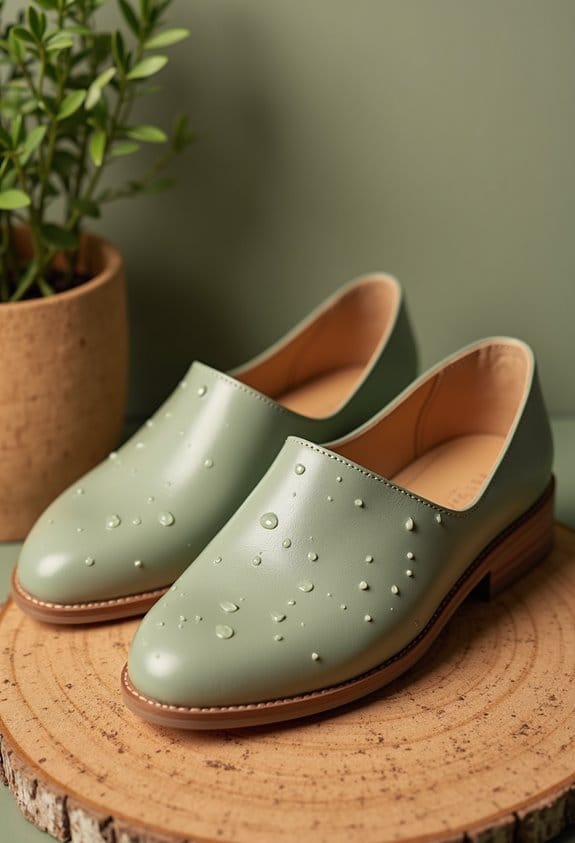
Vegan leather often struggles to keep feet cool during hot weather runs, mainly because its dense structure slows airflow. These shoes, made from thicker, less breathable materials, tend to trap heat rather than release it. Unlike knit uppers, which resemble airy fabrics allowing natural ventilation, vegan leather restricts airflow considerably. This leads to moisture buildup as sweat lingers longer, making feet feel warmer and less comfortable—yikes! While vegan leather scores points for durability and water resistance, its heat retention properties can be a drawback in summer. So, if you’re prioritizing coolness and breathability, you might find vegan leather less forgiving when the temperatures rise. After all, no one wants soggy, overheated feet—especially not during a hot run! Many brands now use low-impact dyes to conserve water and reduce chemical pollution in the production of vegan leather sneakers.
How Knit Uppers Promote Airflow and Cooling

Since airflow is king when it comes to keeping feet cool and dry, knit uppers rise to the challenge with impressive ventilation features. These breathable shoes use knit materials designed with variable density zones to boost air flow and breathability far beyond what vegan leather offers. Think of summer footwear with mesh uppers that act like tiny fans for your feet—moisture wicking and fast drying within 20-40 minutes! Studies show knit uppers provide 30-50% greater air permeability, which means less sweaty discomfort and fewer blisters. The seamless, sock-like fit not only maximizes ventilation but also regulates temperature cleverly. Who knew shoes could keep you this cool? It’s clear knit uppers make a winning choice when summer heat tries to bake your feet alive. Additionally, knit uppers often incorporate recycled plastics which contribute to sustainability while enhancing breathability.
Sweat Management in Vegan Leather Shoes

Airflow does wonders for keeping feet cool, but not all materials play by the same rules. Vegan leather, despite its stylish appeal, often struggles with breathability, trapping heat and moisture inside the shoe. Without sufficient airflow, sweat management becomes a real challenge, turning foot comfort into a sweaty, smelly ordeal—definitely not ideal in hot weather! Unlike bamboo-based materials known for their natural breathability, many vegan leather shoes have a non-porous surface that holds in heat and humidity, increasing the risk of blisters and fungal infections. So, while vegan leather is durable and animal-friendly, its heat and moisture control isn’t winning any awards. For those seeking drier, cooler feet, this sweat management drawback is worth considering—because no one wants their shoes to turn into mini saunas, right? Many eco-friendly slip-on shoes overcome this issue by incorporating breathable materials designed to regulate temperature and moisture effectively.
Moisture Control Benefits of Knit Uppers
Although some footwear materials struggle with breathability, knit uppers stand out for their impressive moisture control. Engineered for superior airflow, they offer 30–50% greater shoes breathability compared to traditional fabrics, aiding in keeping your feet cool even in high heat. Knit uppers wick sweat away from skin, promoting evaporation and reducing moisture buildup, which helps prevent blisters and supports better foot health. Unlike vegan leather that can trap heat and sweat, these uppers create a well-ventilated environment, perfect for hot, humid days. With moisture control and lightweight design (because no one wants feet feeling like bricks), knit uppers make hot-weather footwear more comfortable and functional. Isn’t it invigorating when your shoes actually help your feet breathe? It’s a win-win for anyone battling summer heat! Additionally, many knit uppers incorporate organic cotton blends which further enhance breathability and sustainability in performance footwear.
Durability and Comfort Trade-Offs Between Materials
When choosing between vegan leather and knit uppers, the durability and comfort balance often takes center stage. Vegan leather boasts impressive durability, resisting wear and tear far better than knit uppers, which can fray or develop holes over time. But is durability everything? Knit uppers shine in breathability and moisture wicking, drying within 20-40 minutes and keeping feet cooler in heat. They’re also lightweight—around 7.5 to 9 oz—offering flexibility that adapts easily to foot shape, unlike vegan leather’s typically stiffer and heavier 10 to 14 oz range, which might need a break-in period. So, it’s a trade-off: tougher vegan leather versus the comfort and airflow of knits. Don’t you want your shoes to survive while letting your feet breathe? Additionally, choosing materials with proper arch and heel support is vital for maintaining comfort during extended wear.
Ideal Summer Activities for Vegan Leather Shoes
Balancing durability with comfort is one thing, but what summer activities truly suit vegan leather shoes? Designed for casual events, vegan leather sneakers shine at outdoor barbecues or strolls through city streets. While not the most breathable option, pairing them with moisture-wicking socks can ease any heat troubles. Thanks to their water-resistant nature, these shoes handle light summer rain or beach splashes without losing style points. Versatile enough to complement a sundress or shorts, vegan leather offers a polished look that stays fresh even after a day out. Sure, they might not rival knit uppers in breathability, but their easy-to-clean surface and durability make them ideal for many summer moments when you want both comfort and class. Who said summer shoes can’t multitask? Additionally, choosing footwear with a water-based adhesive ensures environmental friendliness without sacrificing durability.
Best Use Cases for Knit Upper Footwear in Hot Weather
Offering a revitalizing change in hot weather, knit upper footwear excels at keeping feet cool and comfortable. Thanks to their engineered breathability, knit shoes allow 30–50% more air to flow than leather alternatives. This means less sweaty discomfort during summer runs or long outdoor strolls. Their moisture-wicking qualities efficiently manage sweat, while a quick-drying knit fabric—ready in 20-40 minutes—beats leather’s sluggish 3-6 hour dry time. The lightweight design minimizes foot fatigue, and the fabric’s flexibility hugs varied foot shapes, lowering blister risks. So, whether pounding pavement or just lounging in the sun, knit uppers balance comfort and performance with sporty flair. Isn’t it time feet enjoyed a cooler, breezier companion? Additionally, selecting footwear with ULTRA LIGHT cushioning enhances comfort for prolonged wear in hot conditions.
Practical Tips for Choosing Breathable Shoes in Summer
Since choosing the right summer shoe means more than just style, prioritizing breathability can transform a hot day into a cool breeze for your feet. When looking for breathable running shoes, opt for mesh or knit uppers, which boast 30-50% better air permeability than vegan leather. A lightweight shoe—typically 7.5 to 9 oz for knit—helps reduce foot fatigue in summer. Want to stay dry? Choose the right shoes upper with moisture-wicking properties to pull sweat away efficiently. Shoes designed with strategic ventilation zones enhance airflow, preventing your feet from feeling like a sauna. Not sure how breathable your shoe is? Try blowing through the material—if air passes, it’s game on for summer comfort! Practical, airy footwear isn’t just smart—it’s essential. Additionally, selecting shoes made from recycled polyester can support sustainability while enhancing breathability and durability.
Frequently Asked Questions
What Is the Best Material for Running Shoes Uppers?
Running shoe materials prioritizing breathability testing, moisture wicking, and shoe weight impact often favor knit uppers. Comfort levels comparison shows enhanced ventilation and reduced heat. Durability factors and environmental impact remain considerations when selecting ideal uppers.
Are Leather Sneakers Hot in the Summer?
Leather materials often reduce summer comfort due to limited sneaker breathability and poor sweat management. Texture comparison reveals they trap heat, hindering temperature regulation. Although stylish, leather compromises ventilation, making it less suitable for hot-weather wear despite appearance advantages.
What Are the Most Breathable Shoes?
The most breathable shoes feature moisture-wicking fabrics and engineered mesh uppers, optimizing shoe ventilation for superior heat management. These summer footwear choices enhance foot comfort and athletic performance by utilizing breathable materials designed for effective airflow.
Is Leather More Breathable Than Canvas?
Leather is less breathable than canvas due to its dense leather properties, limiting shoe ventilation and moisture management. Canvas benefits include superior breathable materials, enhancing temperature regulation and overall comfort levels in footwear.