As an Amazon Associate, we earn from qualifying purchases. Some links on this site are affiliate links at no extra cost to you. Our recommendations are based on thorough research and editorial judgment.

Vegan Leather 101: PU Vs Microfiber Vs Plant-Based

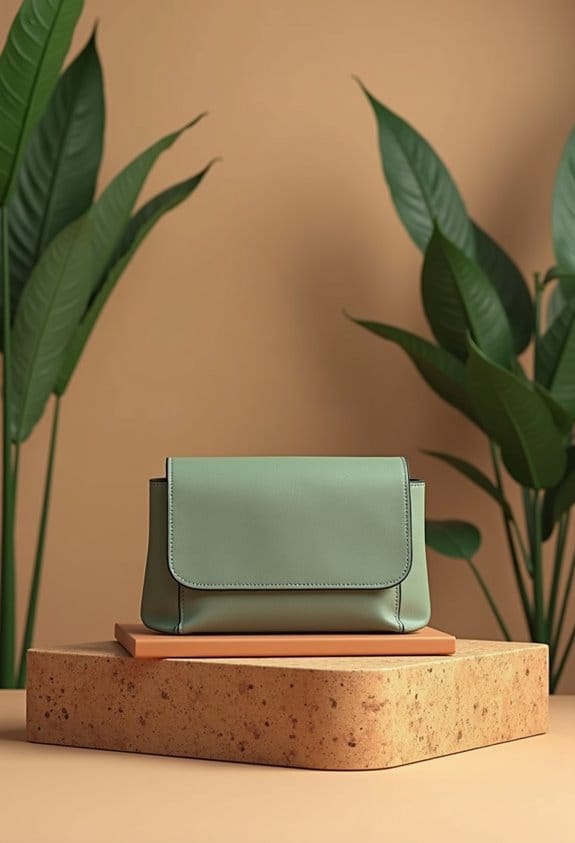
Vegan leather offers three popular options: PU, microfiber, and plant-based. PU leather is soft and flexible but may peel over time (think 10-20 years). Microfiber leather is tougher, lasting about 25 years with better breathability—great for durability lovers! Plant-based leathers, made from pineapple, cactus, or mushrooms, are eco-friendly and often biodegradable, though sometimes less durable. Each suits different needs and ethics, blending style with sustainability. Curious how they stack up on care and impact?
Key Takeaways
- PU vegan leather is made by coating fabric with polyurethane, offering flexibility and cruelty-free appeal but limited biodegradability and durability.
- Microfiber vegan leather features ultra-fine fibers with polyurethane, providing superior durability, breathability, and a lifespan up to 25 years.
- Plant-based vegan leather uses renewable materials like pineapple, cactus, and mushrooms, offering biodegradability and unique textures with variable durability.
- Microfiber leather resists tearing and abrasion better than PU, while plant-based options vary widely in longevity and maintenance needs.
- Environmentally, plant-based leathers are often biodegradable, PU has a lower carbon footprint than real leather, and microfiber raises concerns over microplastic pollution.
Understanding Polyurethane (PU) Vegan Leather
You may be interested


Polyurethane (PU) vegan leather is one of the most common types of artificial leather, offering a surprisingly soft and supple feel that mimics genuine leather quite well. Made by coating fabric with polyurethane, PU leather provides a durable, cruelty-free option for those seeking a vegan alternative to traditional animal hides. While synthetic leather like PU has a lower environmental impact than PVC, its manufacturing process still involves chemicals that aren’t exactly eco-friendly, and it’s not biodegradable. PU leather is sturdy and resists daily wear, lasting about 10-20 years, though it may peel or crack over time. Compared to microfiber leather or plant-based leathers, PU is more affordable but somewhat less durable—making it a popular, if not perfect, choice for many consumers. Who knew leather without cows could feel this good? However, consumers should consider material source transparency to better assess the environmental footprint of their vegan leather products.
Features and Benefits of Microfiber Vegan Leather

Many appreciate microfiber vegan leather for its impressive blend of strength and style. Crafted from ultra-fine fibers combined with polyurethane resin, it closely mimics genuine leather’s texture, offering a true luxury feel. What makes this material stand out? Its superior durability resists tearing, abrasion, and hydrolysis, making it perfect for high-wear applications like bags and upholstery. Plus, unlike some vegan alternatives, microfiber vegan leather boasts excellent breathability, keeping comfort in check during long use. Sustainable manufacturing practices reduce harmful solvents, enhancing eco-friendliness—a win for environmentally conscious consumers. When recycled materials or water-based polyurethane join the mix, microfiber vegan leather becomes even greener. So, is this the future of leather alternatives? For those seeking durability with a conscience, it just might be! Additionally, it shares some sustainability traits with innovative materials like apple leather, which uses natural fruit waste to reduce environmental impact.
Exploring Plant-Based Vegan Leather Options

While microfiber vegan leather impresses with durability and style, plant-based alternatives are turning heads for different reasons altogether. Made from renewable sources like pineapple leaves, cactus, and mushroom mycelium, plant-based vegan leather offers a cruelty-free and sustainable alternative to animal hides. Unlike synthetic versions, many of these leathers are biodegradable, easing environmental concerns when they reach the end of their life. Production uses fewer harmful chemicals, making the process kinder to the planet. What’s more, plant-based leather often boasts unique textures and aesthetics that catch the eye of eco-conscious consumers seeking fresh fashion with a conscience. With the market booming—valued around $71.4 billion in 2022—these sustainable alternatives are more than just a trend; they’re reshaping what ethical leather can be. Who knew saving the planet could feel this good? The production of plant-based leather also significantly reduces water usage and greenhouse gas emissions, contributing to its overall eco-friendly profile.
Durability and Performance Comparison

Durability is often the deciding factor when choosing between different types of vegan leather—after all, who wants a jacket that falls apart after one season? Microfiber leather shines here, boasting a lifespan of around 25 years and resisting wear far better than PU, which tends to peel and crack over time. PU leather, meanwhile, scores points for flexibility and easy maintenance but struggles with long-term performance and appearance retention. Plant-based leather alternatives, like mushroom leather, vary widely; some can’t match the durability or breathability of synthetic leather alternatives. Microfiber’s ability to mimic real leather’s soft feel and breathability adds to its appeal. While all types require care to keep looking fresh, microfiber leather ages more gracefully, making it a smart pick for those prioritizing durability without sacrificing comfort or style. Additionally, durable and breathable features found in some vegan products, like the Floette Mens High Top Basketball Sneakers, highlight how performance and comfort can be balanced effectively.
Environmental Impact of Different Vegan Leathers

How green is green enough when it comes to vegan leather? PU leather offers a lower carbon footprint—about 15.8 kg CO2e per square meter—compared to real leather, but it still relies on fossil fuels and non-biodegradable synthetic materials. Microfiber PU leather is tough and long-lasting, yet it’s not biodegradable, raising eco-friendly concerns like microplastic pollution (nasty stuff). PVC leather is less kind, employing harmful chemicals and adding rigidity issues, making it a less sustainable alternative. Enter plant-based leathers, made from pineapple leaves, apple peels, or mushroom mycelium, which are often biodegradable and compostable—a win for the planet and animal welfare concerns alike. Though still growing in popularity, these options clearly have a brighter environmental future, balancing style with a genuinely reduced environmental impact. One promising example is apple leather made from sustainable apple waste, which offers durability and breathability while promoting recycling efforts.
Maintenance and Care for Vegan Leather Materials
Caring for vegan leather materials varies quite a bit depending on the type—after all, your pineapple bag won’t behave like a PU jacket. PU leather demands regular cleaning with mild soap and water to fend off peeling over time, which means maintenance can be a bit of a chore. Microfiber leather, on the other hand, loves regular dusting, spot cleaning, and even vacuuming, keeping dirt and spills at bay with ease. Both PU and microfiber benefit from immediate blotting of spills to prevent stains. Plant-based leathers boast better resistance to staining and generally require gentler care, but it’s smart to follow specific manufacturer guidelines. Ultimately, careful adherence to care instructions guarantees the longevity of all vegan leathers—because even the toughest pineapple can’t handle neglect! Using water-based, non-toxic alternatives over harmful glues and dyes helps preserve both the material’s integrity and environmental safety.
Market Trends and Consumer Preferences in Vegan Leather
Although synthetic materials once faced skepticism, the vegan leather market is now booming, valued at around $71.4 billion in 2022 and expected to climb over $100 billion by 2028. What’s driving this surge? Consumer demand for sustainable materials and ethical alternatives is reshaping market trends. PU leather dominates as the go-to synthetic leather, but plant-based leathers are quickly gaining fans thanks to their eco-friendliness and cruelty-free production. Curiously, about 64% of consumers actively seek animal-friendly options—proof that brand transparency isn’t just trend fluff. Labels now shout eco-friendly claims louder than ever, influencing purchasing decisions dramatically. So, whether it’s shiny PU or innovative plant-based leathers, the market clearly favors products that champion sustainability and kindness over mere style. Now that’s something to smile about! Additionally, the rise of vegan-friendly materials extends beyond fashion and accessories into functional products like cycling shoes, where cruelty-free and breathable synthetic options improve both performance and ethical standards.
Frequently Asked Questions
Which Is Better, Microfiber Leather or PU Leather?
Microfiber benefits include superior longevity, enhanced texture differences, and improved sustainability issues compared to PU leather. Despite higher cost analysis, its environmental impact and consumer preferences favor microfiber, aligning with fashion trends and simpler cleaning methods over PU options.
Is Microfiber Vegan Leather Durable?
Microfiber leather benefits include exceptional durability as confirmed by microfiber durability analysis. Its texture comparison shows resilience, while microfiber cleaning methods and microfiber longevity tips contribute to sustained performance. Microfiber environmental impact remains debated amid microfiber alternatives assessment and fashion trends.
What Is Plant-Based Vegan Leather?
Plant-based vegan leather, derived from sustainable materials, offers environmental impact benefits and diverse texture variations. Its manufacturing process enhances comfort levels. Competitive pricing influences consumer preferences, while market trends favor eco-friendly options. Proper care instructions extend longevity.
Should I Avoid PU Leather?
PU leather should be considered cautiously due to sustainability concerns and environmental footprint; despite cost advantages and durability factors, eco friendly alternatives offer better animal welfare impact, improved production processes, and growing popularity trends, urging consumer awareness and maintenance tips.