As an Amazon Associate, we earn from qualifying purchases. Some links on this site are affiliate links at no extra cost to you. Our recommendations are based on thorough research and editorial judgment.


Vegan Footwear Durability Myths: What Actually Fails First

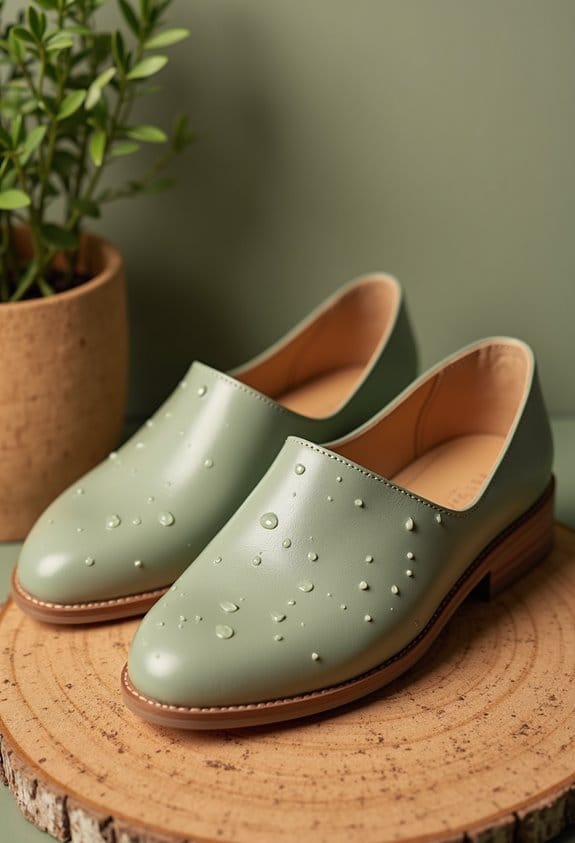
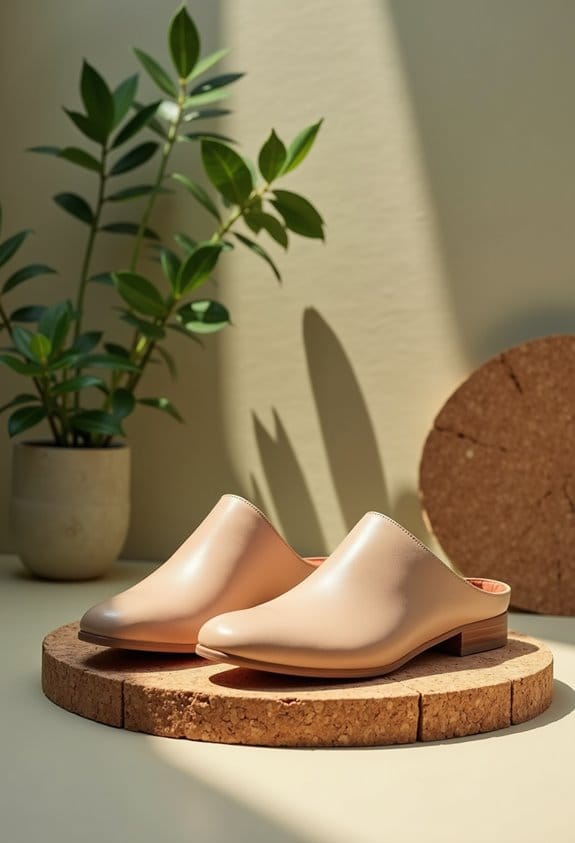
Many think vegan shoes fall apart quickly, but guess what? It’s usually the glue or stitching that gives out first, not the fancy synthetic or plant-based leather. High-quality vegan footwear often uses durable materials like polyurethane and reinforced microfiber, rivaling traditional leather strength. Waterproofing and thoughtful craftsmanship help these shoes last longer—surprising, right? So before dismissing vegan kicks as flimsy, it’s worth exploring what really impacts their durability and how innovations are changing the game.
Key Takeaways
- Misconception: Vegan shoes are less durable than leather; actual durability depends on material quality and craftsmanship.
- Seams and bonding areas typically fail first due to weak adhesives or stitching in vegan footwear.
- Soles made from low-grade synthetics wear out faster compared to those with reinforced rubber or recycled plastics.
- Moisture and heat exposure degrade synthetic materials faster, weakening vegan shoes if not properly maintained.
- Reinforced toe boxes and heels in high-quality vegan shoes prevent early wear and extend lifespan.
Common Misconceptions About Vegan Shoe Durability
You may be interested

Although many consumers automatically assume vegan shoes fall short on durability, the truth is more encouraging than skeptics might expect. Vegan shoes can hold their own, often crafted from synthetic materials known for toughness and long-lasting wear. For instance, microfibers and synthetic leathers aren’t just trendy—they’ve been rigorously tested for strength, rivaling traditional leather’s lifespan. Durability isn’t accidental; it’s built in through thoughtful design—double stitching and reinforced soles add resilience against daily wear (no shoe drama here!). Maintenance plays a key role too—regular cleaning and keeping them dry keeps these shoes stepping strong. Plus, waterproof options mean no soggy surprises. So, why doubt vegan footwear durability? They’re not just ethical; many models are engineered to endure, stepping firmly on myths and muddy puddles alike! Many cruelty-free work boots also incorporate reinforced toe caps and all-terrain outsoles that enhance protection and longevity.
Materials Used in Vegan Footwear
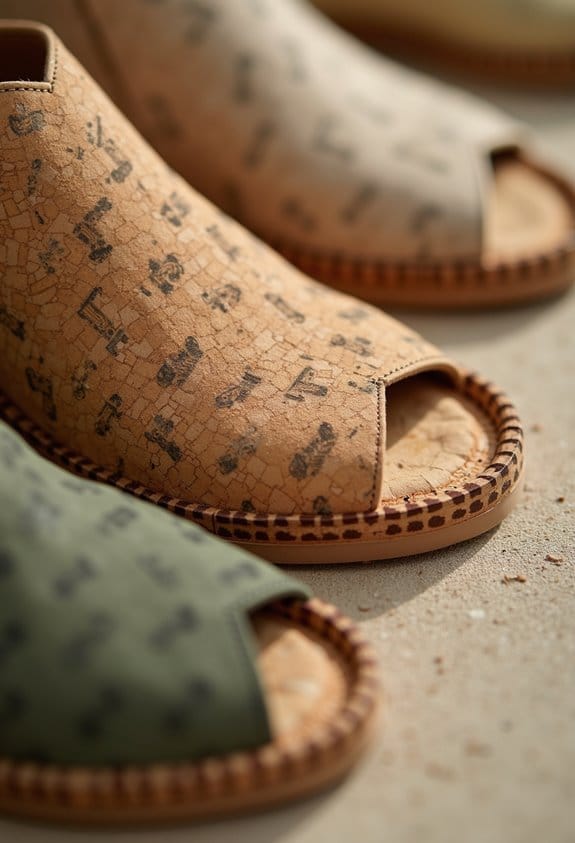
When considering what keeps vegan shoes tough and reliable, looking at the materials is a great place to start. Many vegan footwear brands rely on synthetic options like vegan leather—often made from polyurethane—which offers water resistance and impressive longevity. Ever heard of microfiber? It’s another star, blending durability with flexibility, perfect for daily adventures. Some clever makers incorporate recycled plastics and rubber, proving eco-friendly choices can be sturdy too. Natural fibers such as cotton, hemp, and linen also make appearances, offering lightweight comfort plus biodegradability—for those who dream of shoes that don’t outlast the planet. So, while the materials used vary, they share a common goal: durability paired with responsibility. Who said eco-conscious can’t be long-lasting? Additionally, organic cotton shoes with certified organic cotton provide a durable, breathable option that aligns with sustainable and ethical standards.
How Quality Influences Vegan Shoe Lifespan

The secret sauce behind vegan footwear’s impressive lifespan often boils down to quality—yes, quality materials and craftsmanship matter more than one might guess! High-grade vegan footwear uses quality materials like microfiber and recycled plastics, which dramatically boost durability compared to cheap knockoffs. Skilled workmanship—think double-stitching and reinforced soles—adds strength that rivals traditional shoes. Synthetic vegan leathers, crafted with care, have undergone tough testing, proving they can handle daily wear and tear without throwing in the towel early. Plus, choosing eco-friendly materials often means these shoes aren’t just tough but kinder to the planet—a win-win! So, when durability is a priority, investing in well-made vegan footwear pays off, making them last longer and sparking joy every step of the way (no premature shoe retirement parties needed). Brands such as Blowfish Malibu and Skechers demonstrate that using eco-friendly insoles and sustainable production enhances both comfort and longevity in vegan footwear.
Comparison: Vegan Shoes vs. Traditional Leather Shoes

Five decades ago, traditional leather shoes dominated the market with a reputation for toughness and longevity, but today vegan shoes have stepped up in impressive ways. Vegan footwear, made from synthetic leather, microfiber, and recycled plastics, offers durability comparable to leather shoes when designed with care. Surprisingly, vegan shoes often provide better breathability and comfort, which leather lacks. Many brands add waterproofing, making vegan options weather-resistant much like traditional leather shoes. Is the myth that vegan shoes fall apart faster still sticking around? With proper maintenance, these alternatives can last just as long. It turns out that durability depends more on material quality and craftsmanship than on whether shoes come from animal hides or plant-based sources—shoes aren’t secret superheroes, but close enough! Additionally, innovative materials like apple leather demonstrate that plant-based options can achieve longevity and performance on par with traditional leathers.
Common Failure Points in Vegan Shoes
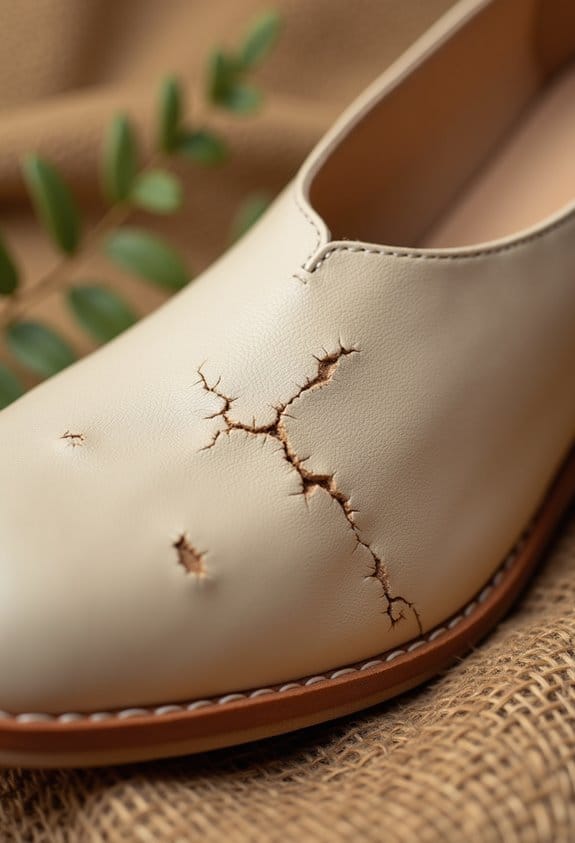
Several key areas tend to cause trouble in vegan shoes, raising questions about their lifespan. Common failure points often include seams and bonding areas, where less reliable adhesives or stitching result in premature tears—ouch! Vegan alternatives frequently use synthetic materials, which can degrade faster under moisture or heat, making care a big durability factor. Plus, soles made from lower-quality synthetics wear down quickly, unlike high-grade rubber options in sturdier models. Toe boxes and heels without reinforced stress points may weaken with regular wear, risking early breakdown. Nevertheless, when crafted with quality microfiber or synthetic leather and proper attention, vegan shoes can keep pace durability-wise. So, is it really the materials or the craftsmanship that decides how long they last? Often, it’s both working together—good news for conscientious shoe lovers! Additionally, choosing footwear with durable synthetic leather and slip-resistant soles designed for various conditions can significantly enhance longevity.
The Role of Manufacturing Processes
Crafting vegan footwear is a careful dance of skill and smart material choices. Manufacturing processes heavily influence durability, making or breaking the shoe’s lifespan. High-quality vegan shoes often use synthetic leather paired with double-stitching and reinforced soles, designed to endure daily wear and weather challenges. Eco-friendly brands don’t just aim for style—they select robust materials like recycled plastics and durable microfibers, boosting longevity. But beware of shortcuts! Poor adhesives or sloppy stitching can cause early failures (ouch). When done right, vegan footwear’s durability rivals traditional leather shoes, proving that careful craftsmanship matters. Isn’t it comforting to know your stylish, cruelty-free shoes can keep up with your busy life? Indeed, manufacturing processes hold the key to lasting vegan footwear success. Paying attention to material quality ensures the shoes maintain their look and function for years to come.
Maintenance Tips to Extend Vegan Shoe Life
Regular care frequently makes all the difference in extending the life of vegan shoes. Simple maintenance tips, like wiping them down with a damp cloth and mild soap, keep dirt at bay and the shoe’s integrity intact. Who knew cleaning could also trim your carbon footprint? Using water-repellent sprays designed for specific materials—especially canvas—prevents moisture damage without guilt. Proper storage matters too: cool, dry spots away from sunlight stop cracking and fading (sunburns aren’t just for humans!). Shoe trees help maintain shape, preventing awkward creases and distortion over time. Following these straightforward habits can stretch vegan footwear lifespan to rival leather’s, demonstrating that choosing vegan doesn’t mean sacrificing durability or increasing environmental impact. Additionally, choosing shoes with reinforced stitching and sturdy materials ensures your footwear stays durable through repeated wear. So, why not give your vegan shoes the care they deserve and enjoy a lower environmental impact?
Sustainable Alternatives Within Vegan Footwear
What materials make vegan footwear both eco-friendly and tough enough for everyday wear? Sustainable fashion blends innovation with responsibility by using shoes made from synthetic options like polyurethane and microfiber, which mimic leather’s durability and water resistance without involving animal products. Plant-based wonders, such as cactus and mushroom leather, add unique textures while shrinking environmental footprints—a win-win! Natural fibers like hemp and organic cotton boost breathability and biodegradability, demanding less water during production. Quality craftsmanship—think reinforced stitching and strong adhesives—further guarantees these alternatives can handle daily wear. Brands focusing on eco-conscious choices carefully test materials, proving that sustainable footwear needn’t skimp on toughness. So, can sustainable shoes replace traditional leather? Quite possibly, yes—and with fewer guilt trips along the way! Additionally, innovations such as algae-infused foam cushioning enhance both comfort and environmental sustainability in modern vegan footwear.
Frequently Asked Questions
Are Vegan Shoes Durable?
Durability of vegan shoes is no flash in the pan; they withstand wear through eco-friendly materials and advanced manufacturing processes. Coupled with high comfort levels, these shoes offer a sustainable, long-lasting alternative to traditional footwear.
What Is the Downside of Vegan Leather?
The downside of vegan leather includes significant environmental impact due to synthetic material sourcing, potential harmful chemical emissions, and often compromised comfort level caused by lower breathability and moisture-wicking compared to natural leather alternatives.
Does Vegan Leather Tear Easily?
Only 15% of high-quality vegan alternatives exhibit tear resistance lower than traditional leather. In material comparison, superior craftsmanship and innovative composites enable many vegan leathers to resist tearing as effectively, debunking common durability misconceptions.
How Long Will Vegan Leather Shoes Last?
Vegan leather shoes, made from durable plant-based materials, typically last three to five years with proper maintenance. Following recommended maintenance tips reduces environmental impact while ensuring longevity comparable to traditional leather footwear.