As an Amazon Associate, we earn from qualifying purchases. Some links on this site are affiliate links at no extra cost to you. Our recommendations are based on thorough research and editorial judgment.


Toe-Box Space for Large Sizes: How Much Is “Enough”?

For large shoe sizes, how much toe-box space counts as “enough”? Experts say about half an inch from longest toe to shoe front is key to prevent cramped feet and nasty mishaps like ingrown toenails. Width matters too—wider designs avoid uncomfortable pressure points that make your toes scream. Breathable materials keep the space fresh and dry, boosting comfort during all-day wear. Curious about testing the perfect fit and boosting performance? Stay tuned for tips on choosing footwear that gets your big feet happily moving!
Key Takeaways
- Toe-box space should provide about half an inch of length beyond the longest toe for large sizes to prevent pressure and discomfort.
- Adequate width is crucial; larger feet need wider toe-boxes to avoid cramped toes and foot health issues.
- Toe-box height must allow natural toe splay without restricting movement or causing nail problems.
- Proper toe-box space enhances stability and athletic performance by allowing natural flexing and preventing pain.
- Choose breathable materials with roomy toe-box designs for comfort, hygiene, and overall foot health in large sizes.
Why Toe-Box Space Matters for Large Shoe Sizes
You may be interested

Many people underestimate how important a roomy toe-box is, especially when it comes to larger shoe sizes. Why? Because toe-box space in large shoe sizes requires more than just length—it demands adequate space width-wise too. Without enough room, toes get cramped, creating pressure points that lead to discomfort and foot health problems like ingrown toenails or even Morton’s Neuroma. Properly fitting shoes, particularly athletic shoes, must accommodate foot expansion during movement, enhancing stability and preventing injuries. Since larger feet often need wider designs, ignoring toe-box space can turn a good pair of shoes into a torture device. So, isn’t it worth choosing shoes that give your toes the freedom they deserve? After all, healthy feet make for happier steps! Additionally, incorporating features like shock-absorbing insoles can greatly enhance comfort for those with large feet who spend extended hours on their feet.
Measuring Toe-Box Width and Height Accurately
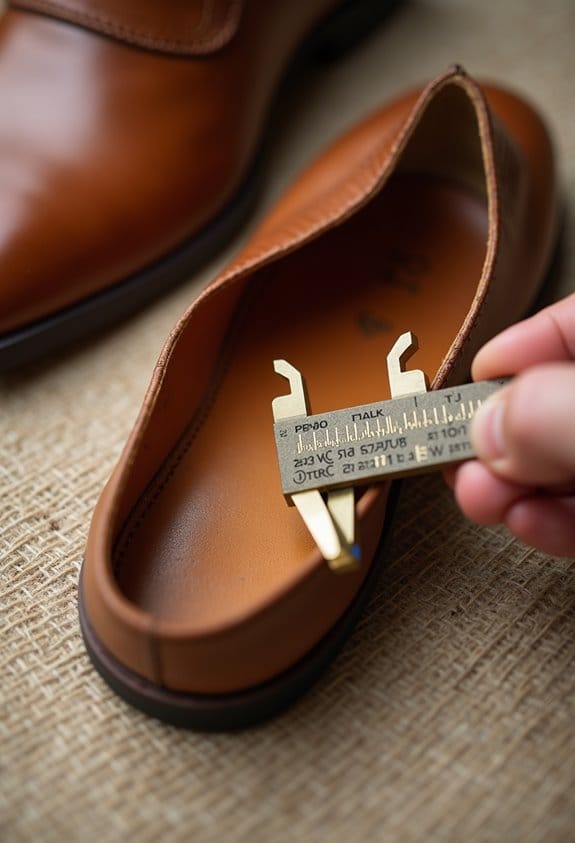
Although measuring toe-box width and height might sound like a straightforward task, getting it right takes more than just a quick guess. Accurate measurements are key to ensuring running shoes fit well, providing enough space without squishing toes or causing unwanted pressure. The standard calls for about half an inch of space from the longest toe to the shoe’s front—think thumb’s width—offering comfort and toe mobility. Width is often assessed using a custom placeholder method, allowing consistent, reliable fits across different shoe models. Height matters too; too low, and toes can’t splay properly, risking discomfort or injury. Since wider uppers correlate with big toe area size, specialized running shoes with adjusted width designs champion better foot health in larger sizes. Who knew measuring could actually be this important? Additionally, choosing shoes with breathable, moisture-wicking fibers helps maintain comfort and prevents foot odor during extended wear.
Impact of Toe-Box Fit on Foot Health and Comfort
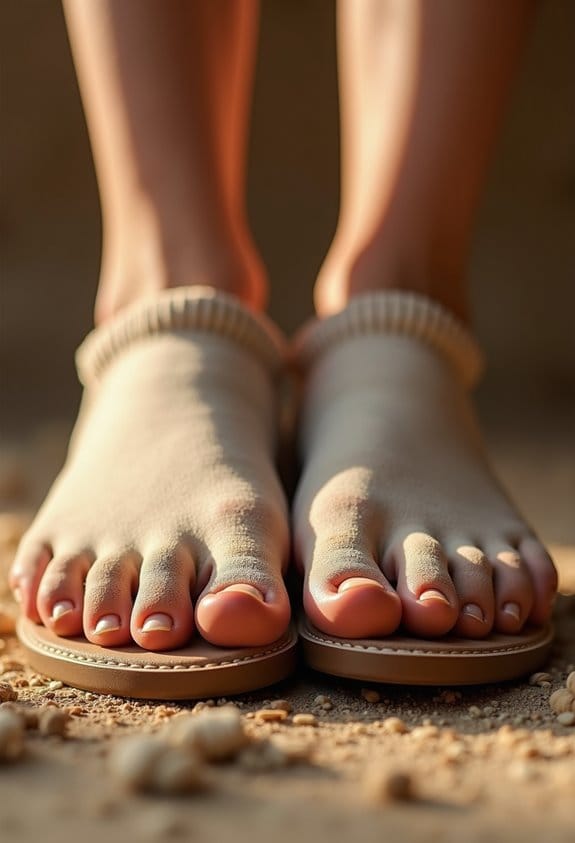
Getting the toe-box just right isn’t merely about comfort—it plays a starring role in foot health. Adequate toe-box space, roughly a thumb’s width from the longest toe to shoe front, allows toes to flex naturally, avoiding tight squeezes that cause ingrown toenails or black toenails. Surprised? Statistics show 63-72% of people wear shoes with improperly fitted toe-boxes, leading to painful pressure points and other foot problems. For larger shoe sizes, it’s not just about length but also adequate width to prevent restricting toe splay and discomfort. Shoes with rigid materials or cramped toe-boxes can really do a number on feet during long walks or runs. So, how much space is enough? Enough to keep your feet happy, healthy, and ready to step out painlessly every day! Considering foot width considerations is essential to ensure that larger boots offer the right combination of length and width for lasting comfort.
The Relationship Between Toe-Box Width and Shoe Performance
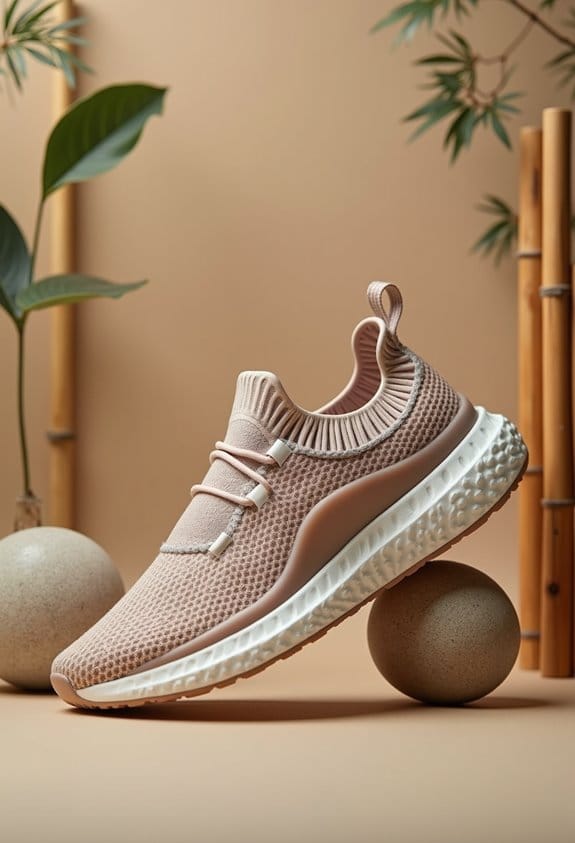
When selecting shoes, the width of the toe-box can make or break athletic performance—and comfort, of course! A toe-box width that allows for at least half an inch of space before the longest toe is crucial. This wide toe-box promotes natural toe splay, helping toes spread for better stability and propulsion during runs. Ill-fitting shoes with tight toe-boxes can cause painful issues like ingrown toenails, harming foot health and slowing performance. Running shoes designed for larger sizes often emphasize a wide toe-box to fit properly, balancing comfort and function. While comfort-focused daily running shoes benefit most from extra width, racing shoes usually sacrifice toe-box room for speed. So, how wide is “enough”? Enough to keep your toes happy—and your performance sharp! Additionally, choosing footwear made from biodegradable materials can enhance both comfort and environmental responsibility.
Comparing Conventional and Foot-Shaped Toe-Box Designs
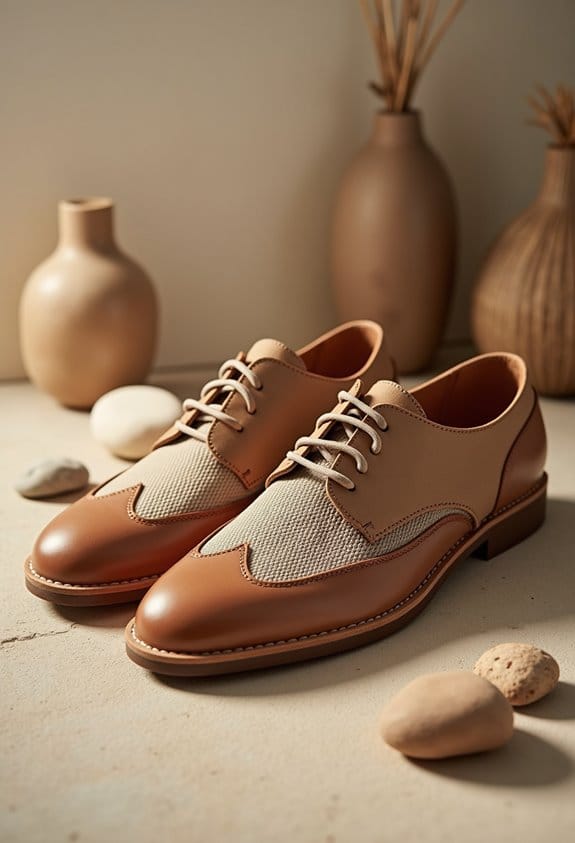
Toe-box design shapes how toes move—and shoe designers don’t all agree on the ideal style. Conventional shoes often sport a tapered toe-box, which can squeeze toes, limiting flexibility and causing pressure on the toes. Foot-shaped designs, like those from Altra and Topo, offer wider toe boxes that mimic natural foot shapes, providing greater comfort and room for toe splay—important for preventing injuries like ingrown toenails or Morton’s Neuroma. For example, the Nike Pegasus 41 has a 94.6mm toe-box width with 22.9% taper, while the Altra Torin 8 boasts a slightly wider 95.3mm width and just 12.3% taper. So, isn’t a foot-shaped toe-box simply better? It sure seems so, especially for those craving adequate toe-box space without sacrificing comfort or natural movement.
How Toe-Box Space Varies Across Different Running Shoe Types
Frequently overlooked but critically important, the amount of toe-box space varies quite a bit across running shoe types, much to the surprise of many shoppers. For instance, daily training shoes often provide extra space—around half an inch—allowing toes to move comfortably during runs. Racing shoes? Not so much—these tend to have a narrower toe-box to boost performance but might cause fit issues for wider feet. Athletic shoe types like tempo trainers and hiking models strike a different balance, with some shoe models offering wide or extra-wide options to suit various foot shapes. Brands such as Altra embrace foot-shaped toe-boxes, enhancing comfort by letting toes splay naturally. Choosing the right shoe width matters, especially for those prone to discomfort or foot injuries due to tight toe-box designs. Who knew toe-box space could be such a big deal? Additionally, cushioned vegan running shoes from brands like ASICS and Skechers offer adjustable fit options that help accommodate different toe-box space needs comfortably during runs.
Practical Tips for Testing Toe-Box Fit at Home
Often overlooked, testing the fit of a shoe’s toe-box at home is easier than many imagine—and just as essential as trying shoes on in a store. One practical tip? Remove the insole and stand on it. If your foot hangs over the edges, that shoe probably isn’t offering enough space. Next, check for roughly half an inch—about a thumb’s width—between your longest toe and the shoe’s front. This “wiggle room” supports natural movement and keeps the foot comfortable. Remember to test while standing since feet spread during activity, which sitting won’t reveal. Finally, pay attention to toe-box height; enough vertical room prevents black toenails and discomfort, especially with stiff uppers. Want a snug yet comfy fit? Thin socks during testing help strike that balance perfectly! For added support and comfort, consider boots with built-in arch support to ensure better balance and reduce injury risk.
Enhancing Toe-Box Comfort With Socks and Materials
Many factors shape comfort inside a shoe’s toe box, not least the choice of socks and materials. To allow natural movement, a toe box space with half an inch between the longest toe and shoe front is essential, especially for larger sizes. Soft materials in the upper reduce rigidity, making wider toe boxes feel like a gentle hug rather than a squeeze. Thin socks can optimize fit in wider boxes, preventing bulk while maintaining snugness—think of them as the Goldilocks of sock thickness. Adequate toebox height supports proper toe splay and helps reduce pressure, avoiding painful issues like black toenails. Brands with foot-shaped designs offer great comfort for larger sizes, combining smart space and materials (no pinching here!). So, why settle? Comfort is really about balancing space, softness, and fit—simple yet vital! Additionally, using shoes with breathable materials enhances comfort by allowing airflow that keeps feet cool and dry within the toe box.
Frequently Asked Questions
How Much Space Should You Have in a Toe Box?
Research shows 15mm toe space optimizes fit comfort in athletic shoes. Proper sizing guidelines, accommodating foot shape, width adjustments, and shoe materials guarantee foot health, aligning with arch support preferences and length preference, preventing discomfort and injury.
What Is the 3 Shoe Rule?
The 3 shoe rule promotes alternating footwear to optimize shoe fitting, accommodate size measurement variations, and preserve foot health. It considers arch support, width variation, material flexibility, brand differences, custom orthotics, fashion versus comfort, and children’s footwear needs.
Is It Better to Buy a Shoe That Is Slightly Larger or Tight?
Choosing slightly larger shoes is like giving feet a gentle breeze rather than a tight grip, balancing sizing options and comfort preferences. Considering foot health, shoe materials, arch support, walking styles, activity levels, and fit adjustments guarantees long-term wear without compromising style choices.
How to Tell if a Toe Box Is Wide Enough?
The toe box is wide enough when foot width is accommodated without pressure, ensuring comfort level aligns with foot shape. Shoe fitting varies by brand, material flexibility, and size variation, impacting arch support and overall foot health.