As an Amazon Associate, we earn from qualifying purchases. Some links on this site are affiliate links at no extra cost to you. Our recommendations are based on thorough research and editorial judgment.


Insoles for Big Shoes: How to Choose Size and Trim Safely

Choosing insoles for big shoes means sizing right and trimming smartly—after all, no one wants sock smush or foot prison! Start by measuring feet and comparing them to brand charts, picking a slightly larger insole to trim down if needed. Full-length memory foam or gel varieties cushion and mold perfectly, filling extra space without bulk. Remove old insoles first for a snug fit. Curious how to avoid common trimming blunders and boost comfort? There’s more to discover ahead!
Key Takeaways
- Measure your foot accurately and use the insole brand’s sizing chart to select the correct size, opting larger if between sizes for safe trimming.
- Choose full-length insoles for oversized shoes, as they can be trimmed to fit snugly without creating pressure points.
- Remove existing insoles before adding new ones to avoid bulk and help the new insole lay flat for maximum comfort.
- Trim insoles carefully from the toe or heel edges using the provided guidelines to match shoe size safely without damaging support areas.
- Test the fit by walking with insoles inserted to ensure no discomfort or slipping, adjusting trimming if necessary for optimal fit and comfort.
Understanding Shoe and Insole Size Differences
You may be interested


Often overlooked but essential, understanding the differences between shoe and insole sizes can save wearers from unexpected discomfort—why settle for sore feet when a simple fit check can help? Shoe sizes vary not only by brand but also by material and design, making it tricky to pick the perfect insole. Full-length insoles are designed to replace existing liners inside shoes and can be trimmed for a custom fit, giving wearers some cutting-room (pun intended). The fit should always be snug but never tight to avoid pressure points or instability. Matching shoe sizes with insoles isn’t as straightforward as it seems; it’s an art of balance, ensuring the insole complements the shoe’s size and shape rather than just mirroring it. Choosing insoles made with sustainable materials can also enhance comfort while supporting ethical production practices.
Full-Length vs. ¾-Length Insoles: What Works Best
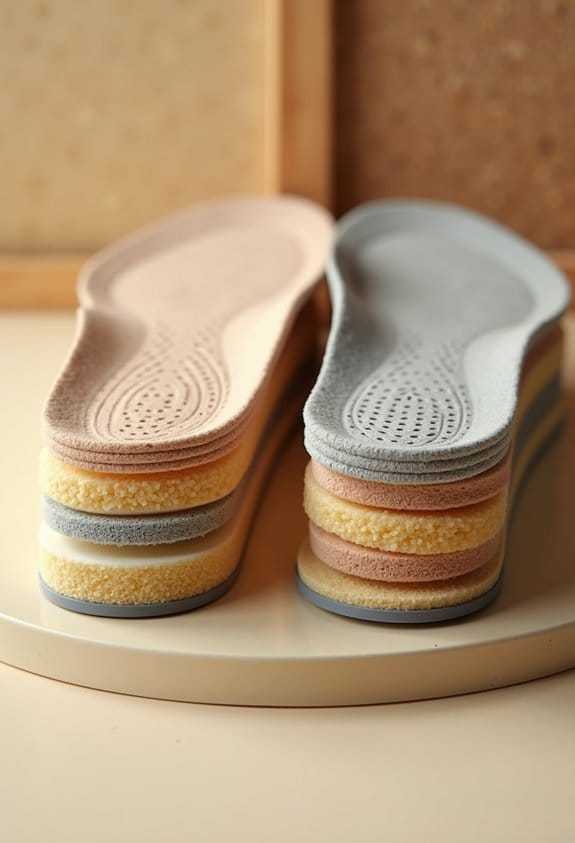
When faced with oversized shoes, deciding between full-length and ¾-length insoles can feel like choosing between a generous sandwich or a hearty snack—both satisfy, but in very different ways. Full-length insoles offer a customized fit by replacing existing liners and can be trimmed to size, providing substantial foot coverage and better support for bigger shoes. They take up more space, though, so shoe fit must be considered carefully. Meanwhile, ¾-length insoles usually sit atop the original liner, offering targeted support without the bulk of a full replacement. Though typically non-trimmable, they’re a nifty option for those craving less shoe stuffing. Ultimately, the choice depends on personal preference: more coverage and stability, or less bulk with adequate support? Both have their charm! Given that size 15 sneakers often require cushioning and support features to ensure long-term comfort, selecting the right insole type becomes even more crucial.
How Insoles Improve Fit in Oversized Shoes
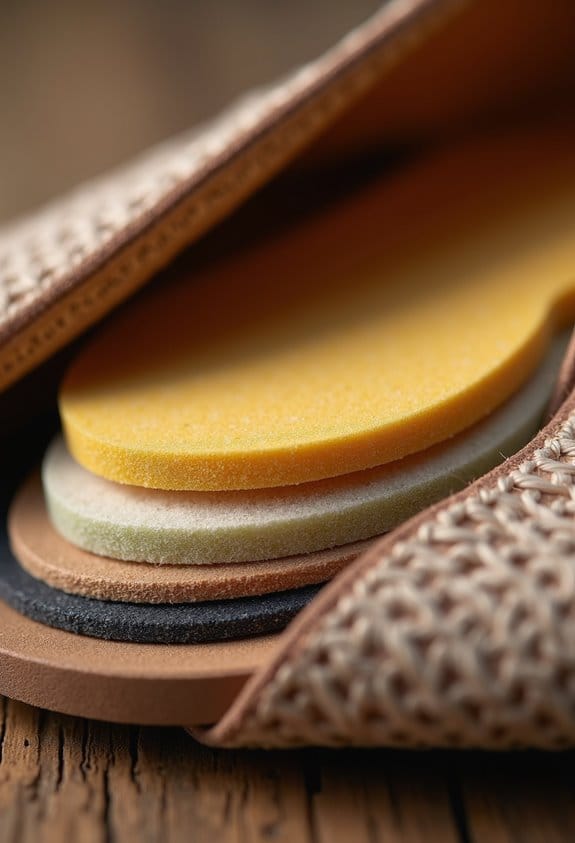
How exactly do insoles transform the fit of oversized shoes from sloppy to snug? Insoles fill extra space, stopping feet from slipping—and that means steadier steps and less wobbling. Both full-length insoles, which can be trimmed to size, and ¾-length ones that add arch support, improve fit and comfort by customizing the interior of big shoes. Slip in a memory foam or gel insole, and surprise! Cushioning and impact absorption boost comfort, making those large shoes feel like they were made just for you. But don’t forget to check the fit after inserting insoles; a happy foot means no annoying pressure points. Insoles truly are the unsung heroes ensuring large shoes feel just right—proving comfort and fit can coexist even when shoes are a bit too big. Additionally, selecting materials that enhance breathability and ventilation can further improve comfort by reducing moisture buildup inside the shoes.
Choosing the Right Material for Insoles in Big Shoes
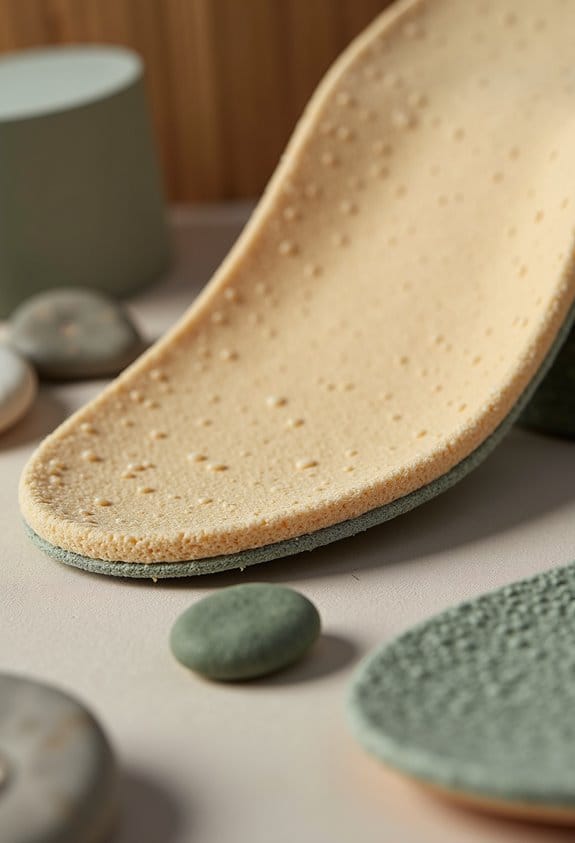
After discovering that insoles can turn roomy shoes into cozy fits, the next step becomes picking the perfect material. Memory foam is a popular choice, offering soft cushioning that molds to your foot—talk about personalized comfort! For those needing extra arch support, semi-rigid insoles provide stability without feeling like walking on bricks. Gels, on the other hand, excel at shock absorption and evenly distribute pressure—great for long days on your feet. Lightweight options such as EVA foam balance comfort and support without adding bulk to oversized shoes. Don’t forget anti-microbial foams; they fight odor and keep moisture in check, especially handy since extra space can trap sweat. Choosing insoles is like picking teammates for your feet—each material shines depending on your specific needs! Additionally, insoles with contoured footbeds help mold to your foot shape for enhanced stability and reduced fatigue.
Steps to Measure and Select the Proper Insole Size
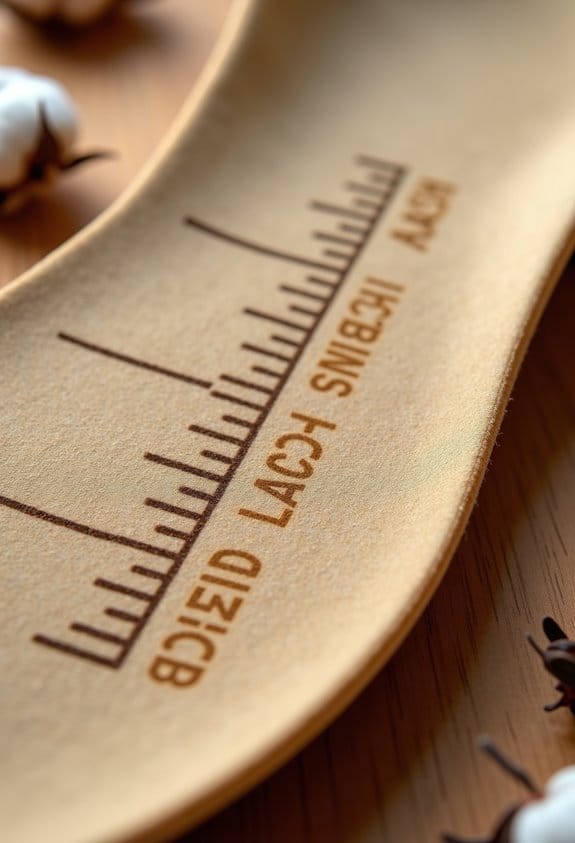
Selecting the right insole size involves just a few simple yet essential steps—think of it as tailoring a suit, but for your feet! First, measure your foot length accurately in inches or centimeters. Compare this to the insole brand’s sizing chart to find your perfect match. If you find yourself between sizes, opt for the larger one; it’s designed to be trimmed before use for a customized fit. Don’t forget to remove any existing insoles to avoid extra bulk and guarantee the new insole fits well. Checking the insole inside your shoe after trimming (yes, trimming is next!) ensures it lies flat, supports comfortably, and doesn’t slip or pinch—because uncomfortable feet are a big no-no! Additionally, choosing insoles that offer structured arch support can significantly enhance comfort and foot alignment.
How to Trim Full-Length Insoles for a Perfect Fit
A well-trimmed full-length insole can make all the difference between a shoe that fits like a charm and one that feels like a tight squeeze. Start by removing the old insole and using it as a template to match the shoe size exactly. Always trim along the designated lines or at the toe and heel—this prevents any awkward shapes or discomfort. Remember, trimming is a gradual art; cut a little at a time and keep testing the fit. Too much snip, and you risk a loose fit; too little, and those trimmed insoles won’t sit right. Ideally, the insole hugs your foot comfortably without causing pressure points. After trimming, a quick walk will reveal if the fit is spot-on or needs slight tweaks—because who wants a shoe that talks back? Also, consider insoles with memory foam cushioning for added comfort during long hours.
Tips for Properly Inserting Insoles in Loose Footwear
Several subtle steps can transform loose footwear into snug, comfortable companions. First, removing any existing insoles guarantees the new inserts can fit perfectly without extra bulk—that’s proper support right from the start. For those using full-length insoles, careful trimming to match shoe size is key; otherwise, you might end up with an awkward fit (no one wants that!). Three-quarter length inserts should sit directly atop the liners, no trimming needed, just a cozy placement. Aligning the insole properly inside the shoe prevents unwanted shifting that can annoy every step. Finally, a quick test walk helps detect any discomfort; a little tweaking, trimming, or repositioning can make all the difference. With these tips, loose shoes become trusty, supportive companions rather than foot annoyers. Easy, right? Additionally, choosing insoles with adequate arch support can significantly enhance comfort and prevent foot fatigue throughout the day.
Common Mistakes to Avoid When Using Insoles for Big Shoes
Though insoles can turn oversized shoes from sloppy to snug, missteps in their use often cause more foot drama than relief. Ignoring trimming guidelines is a classic blunder; failing to cut full-length insoles properly leads to uncomfortable bunching or slipping inside shoes. Thickness matters too—too thick, and shoes feel like clown heels! People also overlook arch support, risking painful foot strain by choosing insoles that don’t match their arch type. Material choice shouldn’t be an afterthought: gel and memory foam offer different cushioning levels, affecting comfort and stability. Finally, many skip the essential fit test after inserting insoles. Walking around helps confirm comfort—a step nobody should avoid. Avoid these mistakes to keep large shoes feeling just right, not a painful circus act. Selecting insoles made from recycled materials can enhance comfort while supporting environmental sustainability.
Enhancing Comfort and Support With Arch and Cushioning Insoles
Getting insoles right involves more than just a good fit—it’s about enhancing comfort and foot health with smart support. Arch supports are key, designed to mirror the foot’s natural shape, redistributing weight and easing pressure—especially for flat or high arches. Ever wondered why standing all day feels like a marathon? Cushioning insoles made from memory foam or gel absorb impact, reducing fatigue and keeping feet happy. Larger shoes often lack proper support, but well-chosen arch supports can boost balance and stability. And herein lies the magic: trimmable insoles provide a custom fit without crowding toes, ensuring maximum comfort. Who knew that a little cushioning and smart arch support could turn big shoes into cozy companions for your feet? Comfort just got a serious upgrade! Many eco-friendly sneakers incorporate anatomic cushioning and arch support to enhance foot comfort sustainably.
Frequently Asked Questions
What Insoles to Use if Shoes Are Too Big?
Despite concerns about bulkiness, using insoles tailored to the wearer’s arch type enhances foot support and boosts comfort level in oversized shoes. Proper-fitting ones prevent slipping and pressure points, ensuring a secure, stable stride.
Should You Size up or Down for Insoles?
They should size up when selecting insoles to accommodate insole thickness considerations and allow for trimming. Comfort fit guidelines recommend ensuring proper arch support options without creating pressure, achieving a secure, comfortable fit inside the shoe.
How Do I Know What Size Insoles to Get?
Selecting the right insole size is like finding the perfect key; it must align with foot arch shape and fit within shoe confines. Considering insole materials and comfort factors guarantees a harmonious balance for each step taken.
Are You Supposed to Cut Insoles to Size?
Insole trimming tips recommend cutting insoles along marked size lines using precise cutting techniques for safe sizing. Proper trimming guarantees a snug fit without discomfort, while users unsure about cutting should consider professional advice or pre-sized insoles.