As an Amazon Associate, we earn from qualifying purchases. Some links on this site are affiliate links at no extra cost to you. Our recommendations are based on thorough research and editorial judgment.


PU Vegan Leather Explained: Feel, Wear, and Tradeoffs

PU vegan leather is made by coating fabric with polyurethane, a plastic that mimics real leather’s look and smooth feel—great for cruelty-free fashion! It’s affordable but watch out: it tends to crack and peel faster than genuine leather, especially with sun exposure. Plus, it’s non-biodegradable and tied to petroleum use, so eco-friendliness is a mixed bag. Interested in how it stacks up against leather or eco options? There’s plenty more to uncover about its feel, wear, and tradeoffs!
Key Takeaways
- PU vegan leather is made from polyurethane coated fabric, mimicking real leather’s look and feel without animal products.
- It offers a smooth, water-resistant surface but is less durable, prone to cracking and peeling over time.
- PU leather lacks the natural patina of genuine leather and may deteriorate faster with heat and sunlight exposure.
- Production involves petroleum and toxic chemicals, raising environmental and health concerns due to non-biodegradability and pollution.
- Alternatives like Piñatex and mycelium leather offer eco-friendly, biodegradable options combining style and sustainability.
What Is PU Vegan Leather Made Of
You may be interested


Although it might sound like a high-tech experiment, PU vegan leather is actually a clever synthetic material made mainly from polyurethane, a man-made polymer designed to imitate real leather’s look and feel—without harming any animals. This faux leather combines a polyurethane layer applied over fabric, often stamped with grain patterns, to achieve that authentic touch. Unlike real leather, PU contains no animal products, appealing to vegans and eco-conscious shoppers alike. However, its manufacturing process isn’t all sunshine: although versatile in color and texture, PU leather is non-biodegradable, raising environmental concerns about plastic waste. So, while it avoids animal harm, does it trade one problem for another? Nonetheless, PU remains a popular choice for those seeking cruelty-free style without sacrificing durability or variety. Many brands producing PU vegan leather also focus on eco-friendly manufacturing practices to reduce environmental impact.
Comparing PU Leather and Genuine Leather

When deciding between PU leather and genuine leather, one might wonder what trade-offs come with choosing a synthetic alternative made from polyurethane instead of the real deal crafted from animal hides. PU leather offers an affordable, animal-welfare-friendly option, sparing cows (and their moody leather). Yet, synthetic materials like PU tend to crack and peel faster, raising questions about durability. Genuine leather boasts a rich, unique character and ages like fine wine—developing a patina that PU simply can’t mimic. Environmental impact is tricky: PU production uses petroleum-based processes that may pollute, while genuine leather, responsibly sourced, can be greener. So, is PU leather the perfect alternative to genuine leather? It depends if you prioritize cost, ethical concerns, or lasting craftsmanship—each has its quirks, like choosing between a digital photo and a Polaroid. In footwear, vegan products such as high-top basketball sneakers demonstrate how PU leather can balance performance with ethical design.
The Texture and Durability of PU Leather
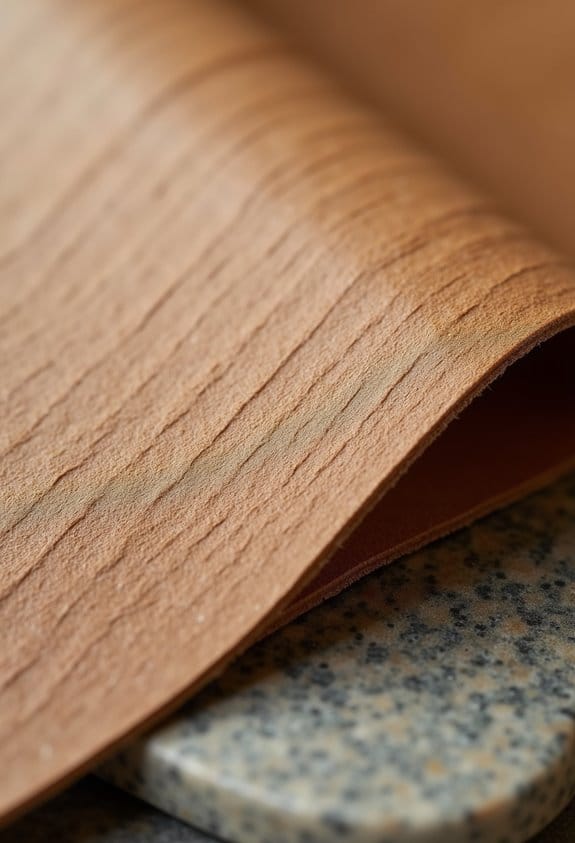
Texture plays a big role in what makes PU leather so appealing—and sometimes surprisingly tricky. PU leather is crafted by coating fabric with polyurethane, creating a smooth, flawless surface that mimics genuine leather’s look but without its natural imperfections. This synthetic material offers versatile texture options and colors, which can make it hard to resist. However, when it comes to durability, PU leather doesn’t match genuine leather’s resilience. It tends to crack and peel with wear, shortening its lifespan noticeably. On the bright side, its water resistance simplifies cleaning and maintenance—a definite plus! Yet, exposure to heat or sunlight can dull its shine and accelerate wear. So, while PU leather’s texture impresses, its durability raises a few questions for those seeking long-term use. Choosing materials like organic cotton or recycled polyester can often provide more sustainable and durable alternatives to synthetic leathers such as PU leather, contributing to environmental impact reduction.
Environmental Impact of PU Vegan Leather

Five surprising facts about PU vegan leather’s environmental impact reveal a complex picture beneath its shiny surface. PU leather relies heavily on petroleum-based synthetic materials, resulting in a notable carbon footprint during production methods. While it spares land and water compared to animal farming, the tradeoff comes with harmful substances like volatile organic compounds polluting air quality. Unlike genuine leather, PU leather is not biodegradable, contributing to plastic pollution as it lingers in landfills for decades. Worse yet, recycling-friendly practices are scarce in this industry. So, is PU leather the eco-choice it claims to be? It’s a mixed bag—less natural resource use but persistent waste and toxic emissions. Understanding these nuances helps consumers balance ethics, style, and sustainability—because shiny isn’t always green! Considering alternatives like recycled plastics in sustainable footwear can provide a more eco-friendly option.
Health Considerations With PU Leather

A closer look at PU leather reveals some health considerations that might surprise consumers who focus only on style and price. PU leather often contains toxic chemicals, like volatile organic compounds (VOCs), which can cause headaches or skin irritation—yikes! Manufacturing processes use harmful solvents, contributing to air and water pollution that affects everyone, especially factory workers. Over time, PU leather products may emit off-gassing odors as synthetic materials break down, potentially lowering indoor air quality. Not all PU leather products are equal; cheaper versions often sidestep safety regulations, increasing chemical exposure risks. So, should one worry? Smart shoppers weigh these health risks carefully and opt for brands with transparent practices and safety certifications—because looking good shouldn’t cost your well-being or the planet’s cleanliness, right? Choosing footwear made from natural materials like organic cotton can significantly reduce chemical exposure and improve overall foot health.
Ethical Perspectives on PU Vegan Leather
While PU vegan leather wins major points for being cruelty-free (no animals harmed in this process!), its ethical story isn’t quite black and white. PU leather aligns with ethical values by avoiding animal exploitation, appealing to those championing sustainable fashion. Yet, concerns arise over chemical usage during production, which can negatively impact the environment. This non-biodegradability challenges eco-friendly claims, as PU leather may linger in landfills longer than desired. Can a material that’s kind to animals but tough on the planet truly be called ethical? Brands are endeavoring to balance this by developing better eco-friendly materials, but questions remain. In the end, PU leather’s ethical position depends on weighing animal welfare against environmental impact—a modern conundrum in the quest for truly sustainable fashion. Exploring alternatives like biodegradable materials in footwear offers promising solutions to mitigate environmental harm.
Benefits of Choosing PU Leather
Because cost matters to many shoppers, PU leather stands out as an affordable alternative that still looks and feels like genuine leather—without emptying wallets. This synthetic material offers a vegan leather option for those who seek cruelty-free choices, skipping animal products altogether. Plus, PU leather is water-resistant, making it easier to clean and great for everyday use—no need to panic over spills! The environmental impact is also lighter compared to traditional leather since it avoids harmful tanning chemicals tied to animal hides. On top of that, PU leather provides versatile design options with numerous textures and colors, letting manufacturers mimic that luxurious look without the luxurious price. So why not enjoy style and practicality wrapped in synthetic materials? It’s a win-win for fashion and conscience! Many brands also complement PU leather with eco-friendly manufacturing practices to further reduce their environmental footprint.
Common Drawbacks and Limitations
Though PU vegan leather offers an appealing cruelty-free alternative, it does carry some notable drawbacks worth considering. PU leather, made from synthetic materials, often lacks the durability of genuine leather, prone to cracking and peeling over time—no one wants a jacket that flakes like dandruff! Also, unlike animal alternatives, it isn’t breathable, which can make wearing it in warm weather less comfortable due to trapped moisture. Plus, the environmental impact isn’t all sunshine and roses; petroleum-based chemicals used in production contribute to pollution and release harmful chemicals affecting workers and consumers alike. And because PU leather isn’t biodegradable, it adds to landfill waste, joining the plastic pollution party nobody asked for. So, while it’s a kinder choice for animals, PU leather does come with its own set of compromises. However, some high-quality vegan materials like microfiber offer improved durability and water resistance compared to PU leather, making them a more sustainable alternative for products like vegan desert boots.
Caring for Your PU Leather Products
A few simple care steps can make a big difference in keeping PU leather products looking fresh and durable. Caring for your PU leather means regularly cleaning it with a damp cloth—no harsh chemicals, please! To maintain quality and durability, it’s wise to condition it occasionally with a specialized PU leather conditioner. Ever thought about what too much sun or heat can do? Minimize exposure to direct sunlight to prevent fading or brittleness. Store PU leather in a cool, dry place, avoiding folds or creases that cause permanent marks. And remember, avoid heavy loads and excessive wear—these common culprits lead to cracking and peeling. Production of vegan leather significantly reduces water use and avoids harmful chemicals due to eco-friendly production practices. With just a little attention, your PU leather items can last longer and keep their charm (no magic spells required).
Sustainable Alternatives to PU Leather
Five innovative materials are reshaping the world of leather alternatives, combining sustainability with style and durability. Sustainable, vegan options like Piñatex, derived from pineapple leaves, and mycelium leather, grown from mushroom roots, offer biodegradable, eco-friendly materials that reduce environmental harm. Cork leather, harvested from tree bark without damage, is lightweight, long-lasting, and completely biodegradable—nature’s way of saying “no hard feelings.” Vegetable-tanned leather uses organic substances in a less toxic process, making it another ethical alternative. Recyclable materials like ocean plastics and waste textiles also enter the fray, turning trash into trendy goods. Even lab-grown leathers, crafted through bio-fabrication, promise a future where fashion respects the planet without compromising quality. Isn’t it thrilling? Sustainable alternatives to PU leather prove eco-conscious can also mean stylish! Incorporating durable materials similar to those used in big-size men’s shoes enhances the longevity and functionality of these alternatives.
Frequently Asked Questions
What Are the Disadvantages of PU Leather?
Are PU leather benefits worth the environmental impact? Its lesser durability and potential VOC emissions challenge consumer perceptions. Despite a favorable cost comparison, limited breathability and care tips favor alternative materials amid evolving vegan leather types and fashion trends.
What Are the Downsides of Vegan Leather?
Vegan leather faces sustainability concerns due to manufacturing processes causing environmental impact. Despite animal welfare benefits, durability issues persist. Consumer perceptions vary, influenced by cost comparisons and fashion trends, complicating its acceptance as a long-lasting, eco-friendly alternative.
Does Vegan Leather Wear Out Quickly?
Vegan leather can wear out in the blink of an eye, especially lower-quality varieties. Durability comparison reveals it often lags behind genuine leather, influencing consumer perceptions, cost considerations, environmental impact, maintenance tips, and fashion trends within varied usage scenarios.
What Is the Lifespan of PU Leather?
The lifespan of PU leather typically spans 3 to 5 years, influenced by durability factors, production methods, and usage scenarios. Adhering to care tips and maintenance requirements is essential, balancing cost comparison and environmental impact against consumer preferences.