As an Amazon Associate, we earn from qualifying purchases. Some links on this site are affiliate links at no extra cost to you. Our recommendations are based on thorough research and editorial judgment.

Piñatex Footwear Explained: Pineapple Leaf Fiber in Shoes

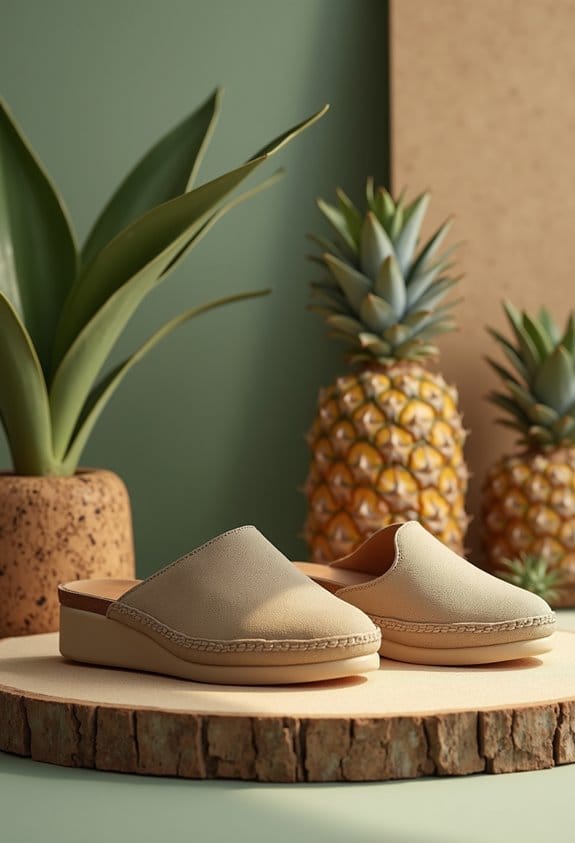
Piñatex footwear is made from pineapple leaf fibers—yes, pineapple leaves! This clever idea transforms tough agricultural waste into lightweight, durable, and breathable material that looks like leather but skips the animal part. Over 460 leaves create one square meter, supporting farmers with extra income and using no extra water or pesticides. It’s vegan, eco-friendly, and stylish—perfect for those who want to reduce their footprint without sacrificing flair. Curious how these tropical leaves turn into your next favorite shoe?
Key Takeaways
- Piñatex is a sustainable leather alternative made from pineapple leaf fibers, a byproduct of pineapple harvesting.
- It offers a soft, durable, lightweight, and breathable texture suitable for various shoe styles.
- Its production uses no additional water, pesticides, or harmful chemicals, promoting eco-friendly manufacturing.
- Piñatex supports farmers by providing extra income from agricultural waste and fosters ethical labor practices.
- Being plant-based and vegan, Piñatex appeals to cruelty-free consumers and reduces the ecological footprint of footwear.
Origin and Inventor of Piñatex
You may be interested



Piñatex, a clever invention born from both necessity and creativity, was developed by Carmen Hijosa, who left behind her career as a leather goods consultant to pursue something more ethical and eco-friendly. Inspired by traditional weaving and a desire to find alternatives, Carmen created a material made from pineapple leaf fibres—yes, pineapple! These fibres, usually discarded after harvest, are collected and transformed into Piñatex, an environmentally friendly textile. It’s a smart way to use what would otherwise be waste, turning pineapple leaves into a sustainable fabric. This innovation is owned by Ananas Anam, a company committed to social responsibility. Isn’t it amazing how something as simple as pineapple leaves can lead to a practical, stylish vegan leather alternative? A true game-changer in footwear materials. Piñatex also significantly reduces environmental impact by using leftover pineapple leaves, requiring no additional farming or pesticides and thus promoting sustainability.
Environmental Impact Compared to Traditional Leather
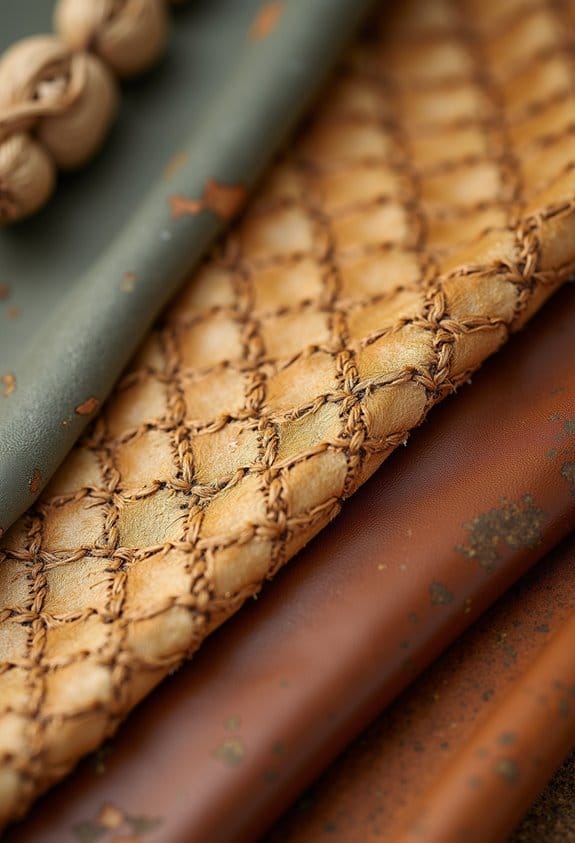
Every year, a staggering 27 million tonnes of pineapple leaves go to waste, but imagine turning that mountain of leftovers into something useful instead! Piñatex cleverly transforms this agricultural waste into durable pineapple fibres, offering a sustainable alternative with a much lighter environmental impact than traditional leather. Unlike conventional leather processing, which relies on approximately 250 harmful chemicals (yikes!), Piñatex production involves zero toxic substances, cutting down pollution drastically. Plus, it uses no extra water, land, fertilizers, or pesticides—making it surprisingly resource-efficient. Traditional leather’s footprint is heavy, from deforestation to animal loss, while Piñatex supports a circular economy by repurposing byproducts and boosting farmers’ income. So, when comparing environmental impacts, Piñatex clearly steps ahead in greener footwear innovation. Similarly, other plant-based leathers like apple leather also use fruit waste to create eco-friendly, durable, and biodegradable materials for shoes.
Unique Properties and Advantages of Pineapple Leaf Leather
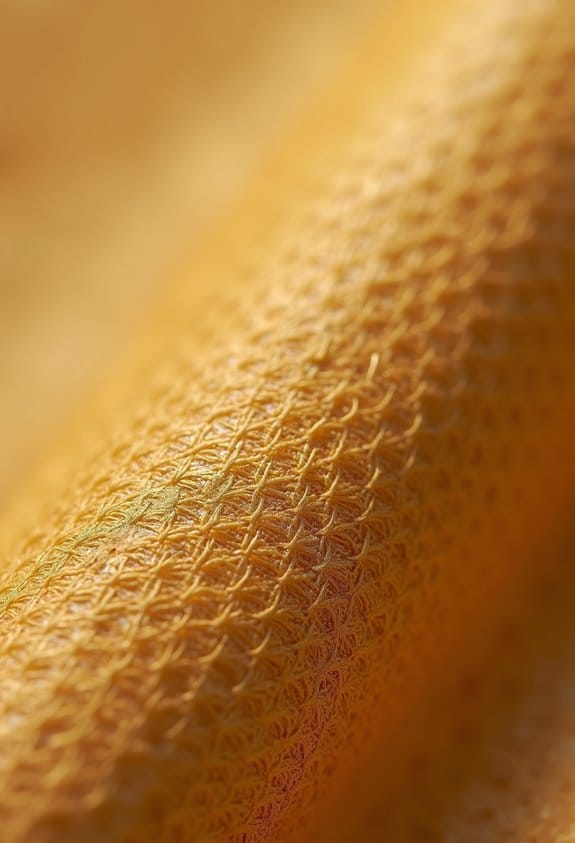
Harnessing the cellulose-rich fibers found in pineapple leaves, this innovative material offers a surprisingly soft yet durable texture that feels quite like traditional leather. Piñatex, a sustainable material made from pineapple leaves, transforms what would be agricultural waste into a valuable resource. Did you know each square meter uses about 480 pineapple leaves? That’s a clever way to support farmers with a new source of income, especially in the Philippines. Beyond being eco-friendly—with no extra land, water, or pesticides needed—Piñatex is lightweight, breathable, and flexible, ideal for the fashion industry seeking green alternatives. Who knew pineapple leaves could be so stylish? This fruit-inspired leather not only pleases the eye but also advances sustainability, adding a fresh twist to eco-conscious footwear choices. Produced using less water and energy than traditional leather, it also reduces greenhouse gas emissions, making it an impressive eco-friendly material.
The Production Process of Piñatex Material
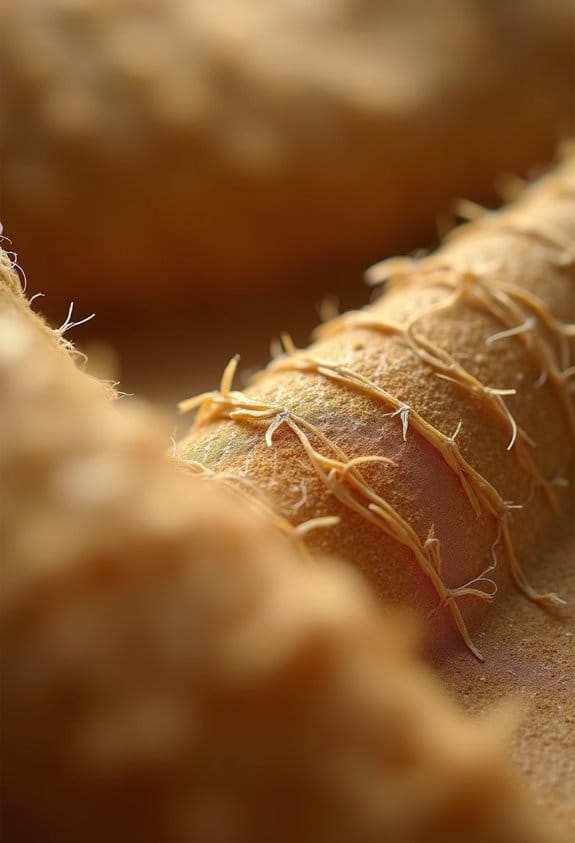
Although pineapple leaves might seem like humble scraps from harvests, they form the backbone of a clever, eco-friendly material creation process. The Piñatex production process starts by gathering over 460 pineapple leaves per square meter—turning what could be waste into a sustainable resource (farmer-approved, too). Automated machines extract fibers efficiently; the leftover bits aren’t tossed—they become organic fertilizers or biofuels, closing the eco-loop nicely. After fiber extraction, washing, drying, and enzyme treatments boost quality, resulting in a durable, lightweight, and water-resistant material. Best of all, no harmful chemicals sneak in—making Piñatex a genuinely green alternative to traditional leather. This sustainable fabric is perfectly suited for footwear, proving that clever use of pineapple leaves can lead to stylish, earth-friendly shoes. Who knew pineapple leaves had such potential? Similar to mushroom leather, Piñatex represents an innovative sustainable material option that enhances eco-conscious fashion choices.
Diverse Applications of Piñatex in Footwear
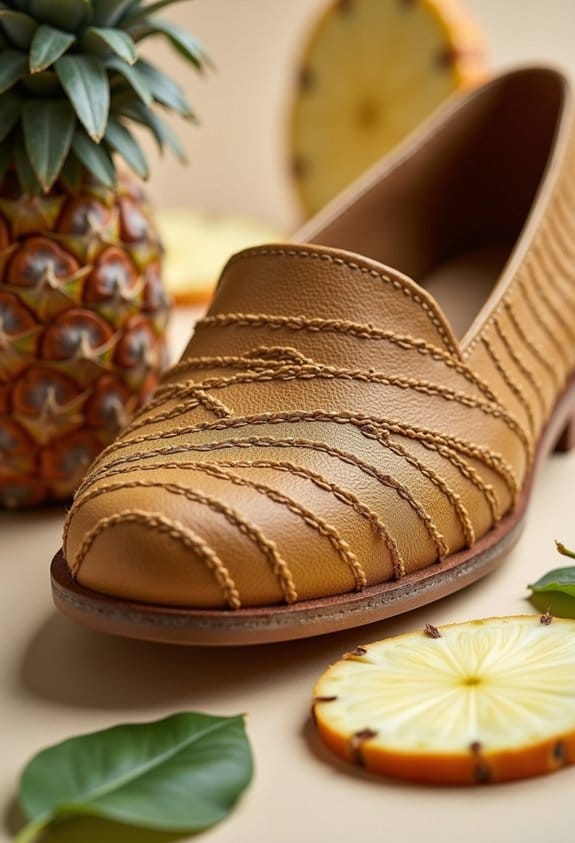
Since sustainability is becoming a top priority for many consumers, Piñatex has found its way into a surprising variety of footwear styles, proving that eco-friendly doesn’t mean boring. This innovative material, made from the pineapple plant’s leaves, offers a sustainable alternative to traditional leather. Lightweight, breathable, and water-resistant, Piñatex footwear suits casual sneakers and elegant shoes alike—each piece boasting unique textures that celebrate individuality. Beyond style, its production supports pineapple farmers with an additional income, turning agricultural waste into a valuable resource. Brands like No Saints and NAE Vegan Shoes showcase Piñatex’s versatility, making eco-conscious choices easier for shoppers. Who knew pineapple leaves could step up fashion while helping the planet and people? That’s sustainability with flair—and soles with a story. Many Piñatex shoes also incorporate memory foam cushioned insoles to provide superior comfort for all-day wear.
How to Maintain and Care for Piñatex Shoes
Caring for Piñatex shoes might sound like a delicate dance, but it’s really about simple, smart habits that boost their lifespan and keep them looking sharp. To maintain this innovative material, periodic waxing with natural wax is key—it adds shine and shields the fibers from moisture. Cleaning calls for gentle hand washing with cold water and mild soap, steering clear of harsh chemicals that could fray those precious pineapple leaf fibers. Once clean, air-drying away from direct sunlight or heat helps protect the material’s integrity. Proper care doesn’t stop there; storing Piñatex shoes in well-ventilated spaces, away from chemicals, prevents mold and mildew, keeping them fresh and durable. Who knew that nurturing these eco-friendly kicks was this straightforward? Additionally, using plant-based oils can condition and extend the life of Piñatex shoes, enhancing their durability.
Supporting Sustainable Agriculture Through Piñatex
Every year, pineapple farms generate an astounding 27 million tonnes of leaf waste—that’s a mountain of fibers just waiting for a clever solution! Piñatex is MADE by transforming this by-product of the pineapple into a new material, offering a sustainable alternative to leather. This innovative use of raw material supports farming communities by providing an extra income without demanding more land, water, or pesticides—talk about efficiency! Not only does Piñatex help reduce waste, but it also contributes to a circular economy since leftover biomass can be repurposed as organic fertilizer or biofuel. Who knew pineapple leaves could be so versatile? By turning agricultural waste into valuable products, Piñatex promotes sustainable agriculture while uplifting the people who grow the fruit. That’s a win-win for everyone involved! Additionally, using such innovative materials complements other eco-friendly footwear options like hemp sandals that provide durability, breathability, and sustainable production benefits.
Frequently Asked Questions
What Is Pineapple Leaf Fiber?
Pineapple leaf fiber is nature’s eco-friendly cowboy, wrangling waste from pineapple cultivation into textile gold. Through fiber extraction, it pioneers sustainable fashion, offering biodegradable materials with minimal environmental impact for diverse textile applications.
What Are the Pros and Cons of Piñatex?
Piñatex offers ethical production and reduced environmental impact, addressing sustainability issues effectively. However, durability concerns and variable market acceptance persist. Consumer awareness influences adoption, as the material’s unique texture challenges traditional preferences within footwear choices.
What Shoes Are Made of Pineapple Fiber?
Shoes made of pineapple fiber include sustainable footwear options by brands like No Saints and NAE Vegan Shoes, reflecting pineapple fiber benefits, innovative material uses, and the Piñatex production process in eco friendly fashion and vegan shoe alternatives.
What Are the Properties of Piñatex Fabric?
Piñatex fabric offers durability, flexibility, and water resistance, aligning with sustainability benefits through an eco-friendly manufacturing process. It supports fashion trends embracing environmental impact, with care instructions enhancing longevity while addressing durability concerns in diverse applications.