As an Amazon Associate, we earn from qualifying purchases. Some links on this site are affiliate links at no extra cost to you. Our recommendations are based on thorough research and editorial judgment.

Is Rubber Always Vegan? What to Check in Shoe Materials

Is rubber always vegan? Mostly yes—natural rubber comes from rubber trees, and synthetic rubber is petroleum-based, both plant or mineral-derived. But here’s the catch: additives like stearic acid or shoe glues might sneak in animal bits, making ethics a guessing game. Vegan shoes often sport labels like “synthetic rubber” or proudly flash PETA-approved badges. Wondering how to spot truly cruelty-free kicks and dodge hidden animal ingredients? Stick around for some savvy shoe sleuthing!
Key Takeaways
- Natural and synthetic rubber are typically vegan but may be combined with animal-derived additives in shoe materials.
- Check labels for terms like “natural rubber” or “synthetic rubber” and seek vegan certifications such as PETA-Approved Vegan.
- Some rubber products contain animal-based additives like stearic acid, casein, or animal-derived dyes and glues.
- Research brand transparency regarding material sourcing and cruelty-free manufacturing to ensure vegan compliance.
- Choose brands known for vegan rubber use, like Veja, Nae Vegan Shoes, and Will’s Vegan Store, which avoid animal materials.
Understanding Rubber and Its Sources
You may be interested



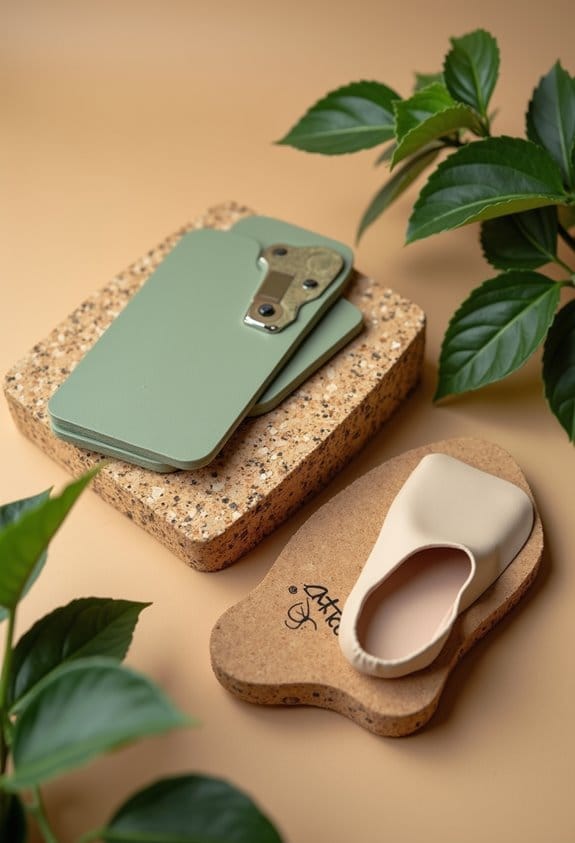
Rubber, a material many take for granted, actually comes from a fascinating source—the sap of rubber trees, known scientifically as Hevea brasiliensis. This natural rubber is generally considered vegan because it’s plant-based, unlike animal-derived materials found in some products. However, not all rubber is natural; synthetic rubber, made from petroleum, also qualifies as vegan since it lacks animal components. So, is rubber always vegan? Well, it depends on the product composition. Some shoes combine rubber soles with leather or other animal-derived materials—sneaky! That’s why checking ingredient labels becomes essential for anyone aiming to stay strictly vegan-friendly. Thankfully, more brands now proudly share their rubber sources, helping consumers avoid surprises and confidently choose ethical, vegan materials in their footwear. Who knew rubber could be such a detective job? Additionally, paying attention to the durable sole material used in sandals can help ensure you select options that offer both comfort and ethical compliance.
Common Animal-Derived Additives in Rubber Products
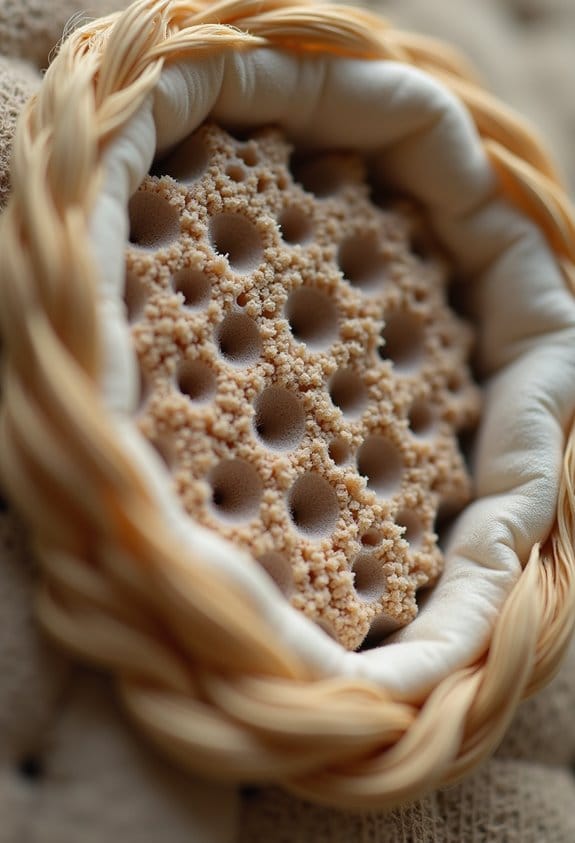
At least a handful of common additives in rubber products come from animal origins, which can surprise those trying to keep things strictly vegan. For instance, stearic acid—a slippery name for a fat often sourced from animals—frequently appears in rubber formulations. Then there’s casein, a milk protein sometimes hidden in rubber shoe adhesives, quietly undermining vegan-friendly footwear claims. Even some accelerators used during rubber processing might hitch a ride from animal-derived additives. Are materials used in rubber really that sneaky? Absolutely. Plus, dyes derived from animals can add an unexpected twist. This is why checking for vegan certifications becomes essential when selecting rubber products. Without such labels, it’s tough to guarantee shoes are genuinely vegan, proving that rubber’s not always the straightforward hero it seems! Additionally, choosing footwear with biodegradable materials like bamboo can offer a truly sustainable and animal-friendly alternative to conventional rubber shoes.
How to Identify Vegan Rubber on Shoe Labels

Although it might seem tricky, figuring out if rubber in shoes is truly vegan-friendly can be straightforward with a little know-how. First, check the label for terms like synthetic rubber or natural rubber; both can be vegan if no animal-derived components sneak in. Don’t rely solely on words—look for PETA-Approved Vegan certification, a reliable badge signaling cruelty-free manufacturing practices. Symbols indicating vegan classifications can also help; avoid rubber with animal-hide icons, which scream non-vegan. Wondering about hidden surprises? Contact the brand—sometimes glues or dyes impact vegan status, but that’s another story. By paying attention to these details, shoppers can confidently choose rubber shoes that align with their ethical values. Isn’t it nice when fashion and compassion walk side by side? For added assurance, choosing shoes with Fair Trade certifications can ensure that both materials and production practices meet strict ethical standards.
The Role of Glues and Dyes in Determining Vegan Status
The secret to a shoe’s vegan credibility often lies beyond its outer materials, tucked quietly in the sticky world of glues and the colorful domain of dyes. Many glues and adhesives used in shoes can contain animal-derived ingredients, sneaky culprits that often escape scrutiny. Are your favorite shoes vegan-friendly? Checking for vegan certifications like the PETA-Approved Vegan logo is key—these marks confirm no animal-derived glues or dyes were involved. Dyes, too, can hide animal-based inks, so seeking transparency from brands matters (because who wants a surprise ingredient list?). When in doubt, a quick call or email to the manufacturer can save the day, ensuring adhesives and colors align with vegan principles. After all, what’s a shoe without some honest glue and dye storytelling? Additionally, choosing brands that prioritize ethical sourcing and eco-friendly manufacturing helps guarantee that no animal products are used in any component of the shoe.
Natural Rubber vs. Synthetic Rubber: What to Know
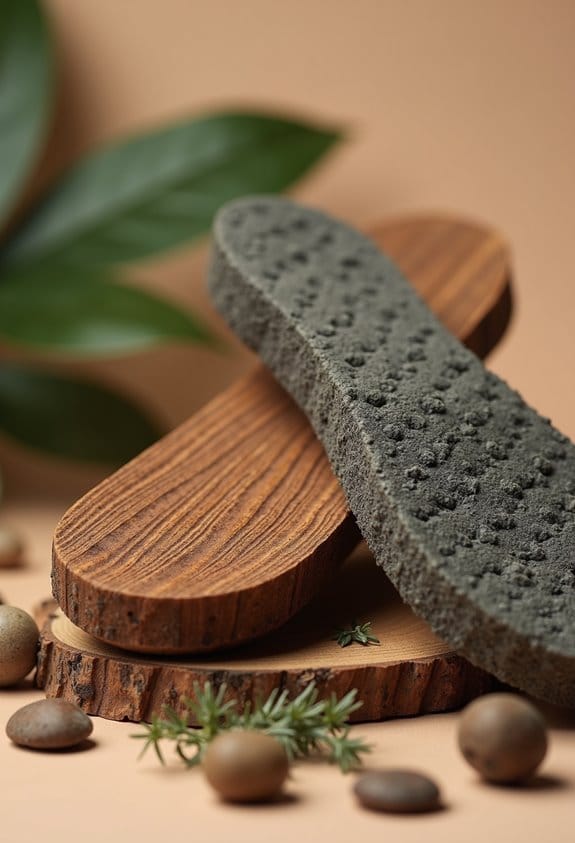
Sticky secrets in glues and dyes prompt a closer look at rubber itself. Natural rubber comes from the sap of rubber trees, making it a fairly straightforward vegan alternative since it doesn’t involve animal products or suffering during harvest. Synthetic rubber, on the other hand, is made from petroleum and also avoids animal ingredients, offering another PETA-Approved Vegan-friendly option. So, can rubber be vegan? Often yes—but here’s the catch: some shoes might use animal-based adhesives or dyes in their material composition. Checking shoe labels for “natural rubber” or “synthetic rubber” can help, but it’s wise to ask about the full makeup of the product. After all, knowing your rubber’s origin keeps your vegan choices truly guilt-free—no sticky situations! Also, prioritizing eco-friendly sourcing in materials helps ensure your shoes are both comfortable and sustainable.
Certified Vegan Symbols and What They Represent
When shopping for truly vegan products, how can one be sure they’re not accidentally slipping animal ingredients into their cart? Certified vegan symbols offer a handy solution. The PETA-Approved Vegan logo guarantees a product is free from animal-derived materials and cruelty, a solid green flag for shoppers seeking ethical sourcing. Meanwhile, The Vegan Society’s certification confirms strict vegan status, ensuring no hidden animal bits sneak in. Consumers can also spot material tags marked with diamond or crosshatch patterns—subtle but telling clues. Just as the animal-hide rug symbol loudly shouts “not vegan,” these certified vegan symbols quietly assure transparency and honesty. Learning these signs simplifies finding genuinely vegan shoes, making ethical buys less of a mystery and more of a savvy shopping game! Additionally, many high-quality vegan shoes incorporate memory foam cushioned insoles to blend comfort with ethical materials, enhancing the appeal of certified vegan footwear.
Trusted Vegan Shoe Brands Using Rubber Materials
Although rubber might sound like just a simple, stretchy material, several trusted vegan shoe brands have turned it into a hero for ethical footwear. Brands like Freebird and Bhava source rubber materials from sustainable plantations, avoiding harm to ecosystems or wildlife through strict ethical production practices. Allbirds mixes natural rubber with renewable ingredients to craft durable soles without straying from cruelty-free principles. Veja’s use of wild Amazonian rubber supports local communities and highlights sustainable harvesting methods—a win-win! Nae Vegan Shoes cleverly employs recycled rubber soles, proving eco-friendly can be stylish. Meanwhile, Will’s Vegan Store steers clear of any animal-derived materials, earning their PETA-approved reputation. So, when it comes to rubber in vegan shoes, it’s not just about flexibility but also about values that matter. Moreover, many brands incorporate recycled materials to reduce water usage and environmental impact during production. Intrigued yet?
Tips for Verifying Vegan Compliance in Shoe Manufacturing
Selecting a vegan shoe with rubber soles might sound straightforward, but verifying its full vegan integrity takes a little sleuthing. First, check labels to confirm rubber is synthetic, not natural latex, which may sneak in animal-derived bits. Vegan certifications, like the PETA-Approved Vegan logo, offer quick clues for vegan compliance—because who wants animal-tested shoes? Investigate the brand’s manufacturing practices and material sourcing; transparency hints at cruelty-free care. Don’t hesitate to ask customer service about hidden culprits such as glues or dyes, since those often hide animal ingredients despite a rubber exterior. Finally, learn label symbols: a diamond or crosshatch signals synthetic, while anything resembling animal-hide means non-vegan. With these tips, finding truly vegan shoes becomes a fun detective game rather than a confusing maze! Additionally, choosing brands that emphasize material transparency can greatly simplify verifying the vegan status of all shoe components.
Frequently Asked Questions
Is Rubber in Shoes Vegan?
Rubber in shoes can be vegan, especially natural rubber from ethical sourcing and synthetic rubber alternatives. Shoe sustainability involves evaluating environmental impact and alternative materials to guarantee no animal-derived additives compromise vegan standards.
How to Check if Shoes Are Vegan?
Like inspecting a telegram in the digital age, shoe labels reveal material sourcing and production processes. Consumer awareness helps identify animal byproducts, while sustainable alternatives guarantee vegan footwear, guiding ethical choices beyond mere appearances in modern markets.
Is Rubber Considered Vegan?
Rubber sources vary, with natural rubber typically vegan, derived from rubber trees. Synthetic rubber, petroleum-based, can also be vegan. Rubber alternatives and ethical footwear prioritize transparent rubber manufacturing to guarantee no animal-derived compounds are involved in products.
What Is the Healthiest Material for Shoes?
The healthiest shoe materials combine breathable fabrics and natural fibers with sustainable materials, offering eco friendly options. Coupled with ergonomic design and long lasting durability, these choices prioritize wearer comfort, environmental impact, and extended usability.