As an Amazon Associate, we earn from qualifying purchases. Some links on this site are affiliate links at no extra cost to you. Our recommendations are based on thorough research and editorial judgment.

Is PVC Vegan Leather Still Common in Shoes? Pros and Cons

PVC vegan leather is still common in shoes, favored for its durability, moisture resistance, and budget-friendly price—who wouldn’t want stylish kicks that last without breaking the bank? However, it’s no eco-hero; PVC production releases toxic chemicals and isn’t biodegradable, piling up environmental headaches. Despite this, many brands rely on it for affordable vegan options. Curious how it stacks against newer, greener materials and what ethical questions it raises? You’re about to find out.
Key Takeaways
- PVC vegan leather remains common in shoes due to its affordability and wide range of designs.
- It offers durability, moisture resistance, and comfort suitable for everyday footwear.
- Environmental concerns arise from PVC’s non-biodegradability and toxic production processes.
- Ethical debates focus on the balance between animal-free materials and PVC’s environmental impact.
- Growing demand for sustainable alternatives is driving innovation away from PVC to plant-based and recycled leathers.
Understanding PVC Vegan Leather in Footwear

You may be interested


While PVC vegan leather has earned its place in shoe production thanks to its toughness and wallet-friendly price, it’s a bit of a double-edged sword. This synthetic leather, widely used in footwear, offers notable durability but lacks breathability compared to other materials like PU leather. As a budget-friendly alternative, PVC appeals to many, especially for sturdy boots; however, the production process involves harmful chemicals and fossil fuels, contributing heavily to plastic pollution. What’s more, shoes made from PVC often wear out faster, meaning more frequent replacements and more waste. With rising awareness of these environmental impacts, consumers are beginning to question if PVC leather is the best choice. Could sustainable alternatives finally step in to give plastic pollution the boot? Only time will tell! Some modern options, such as the Floette Mens High Top Basketball Sneakers, are designed with both durability and breathability in mind, offering a promising direction away from traditional PVC materials.
Advantages of PVC Vegan Leather Shoes
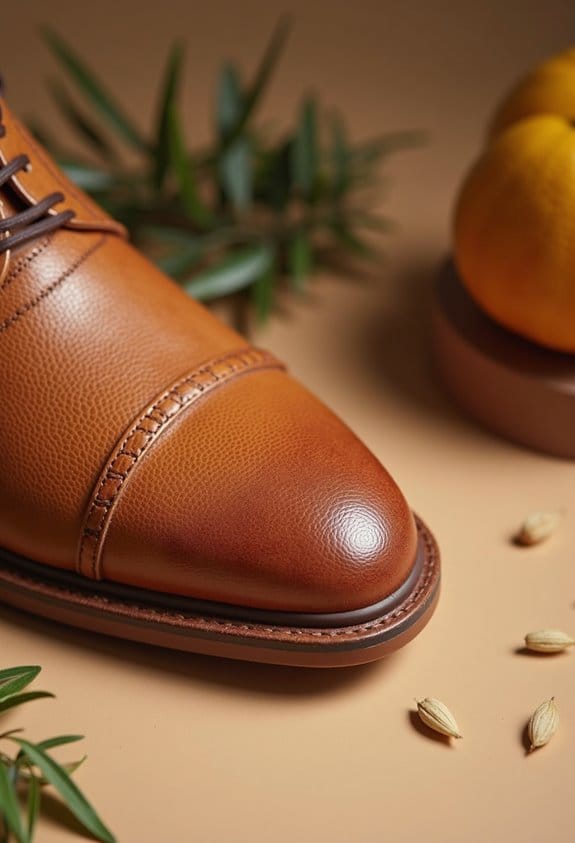
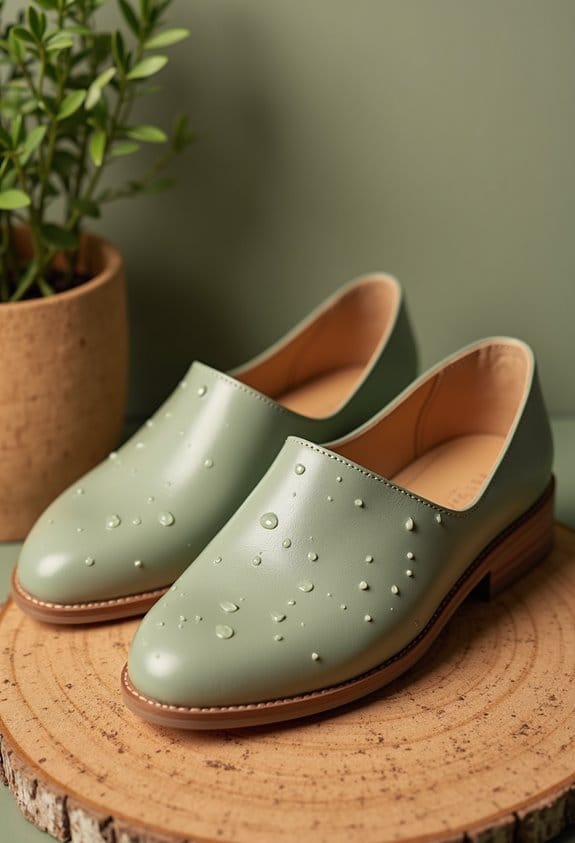
Because PVC vegan leather shoes combine affordability with toughness, they have become a popular choice among budget-conscious shoppers seeking stylish, long-lasting footwear. These shoes offer impressive durability, resisting wear and tear better than many expect. Plus, their moisture-resistant surface means spills or rain won’t turn them into a soggy mess—easy to clean, too, which is a win for low-maintenance lifestyles. PVC also delivers versatile options, sporting a range of colors and textures that mimic real leather without the hefty price tag. Comfort isn’t sacrificed either: the material’s flexibility and softness make these shoes great for everyday wear. In short, PVC vegan leather shoes blend durability, affordability, and comfort in a way that proves stylish choices can be both practical and kind to wallets. Who wouldn’t love that? Additionally, many vegan work shoes incorporate water-resistant materials that enhance their practicality and longevity.
Environmental Challenges Posed by PVC Leather
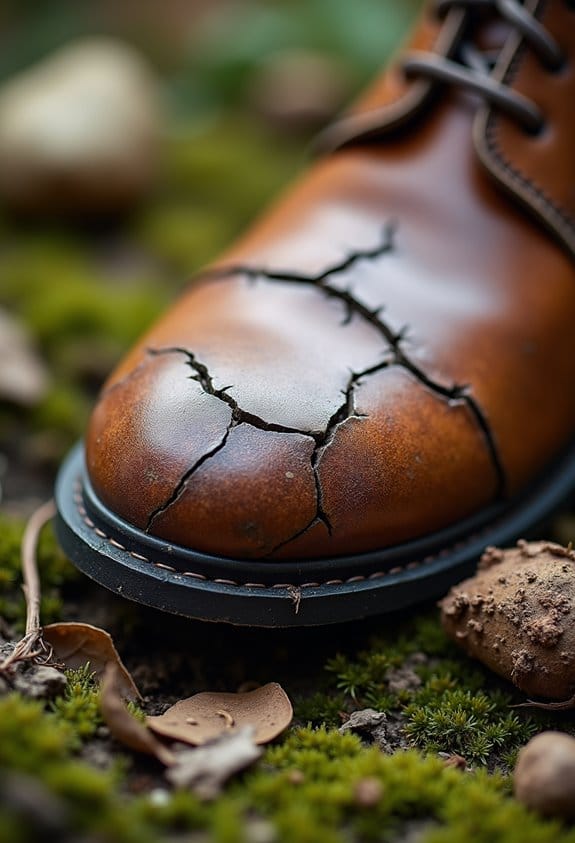
Affordable and durable as PVC vegan leather shoes are, there’s a less shiny side to their story. PVC, made from fossil fuels, carries a heavy environmental impact due to its plastic composition. Did you know it’s non-biodegradable? These shoes can linger in landfills for centuries, adding to persistent waste problems. The production process isn’t any greener—it releases harmful chemicals like dioxins, polluting air and water, and calls for toxic plasticizers that challenge sustainability. With ethical fashion on the rise, consumers and brands ask: are there better, eco-friendly alternatives? While PVC has its perks, its environmental costs raise serious questions about its place in tomorrow’s sustainable shoe market. Who knew your stylish kicks could have such a complex footprint? Many brands now use eco-friendly BLOOM Foam and recycled materials as sustainable alternatives to traditional PVC leather.
Ethical Considerations in Choosing PVC Vegan Leather

Although PVC vegan leather offers a cruelty-free alternative to animal skins, it raises some eyebrow-raising ethical questions. Its production involves environmental toxicity from chlorine-based chemicals, which isn’t exactly a secret handshake in ethical fashion circles. PVC relies heavily on fossil fuels, contributing notably to plastic pollution, and it stubbornly refuses to biodegrade, lingering in landfills like that one sock you can’t find. Consumers face challenges in transparent sourcing, making it tricky to determine whether the footwear market truly values sustainability or just green marketing. While PVC vegan leather sidesteps animal harm, the ethical implications stretch further, urging a shift toward biodegradable options. Shouldn’t ethical fashion balance compassion for animals with care for the planet? Choosing smarter materials might just be the next big leap forward. Many sustainable alternatives incorporate recycled rubber and organic fibers to reduce environmental impact without compromising durability.
Comparing PVC to Other Vegan Leather Materials

A variety of vegan leather materials compete in the shoe market, each with its own strengths and quirks. PVC, known for its toughness and cost-effectiveness, offers excellent durability in footwear but falls short on breathability and flexibility, leaving some feet less happy after long wear. PU leather steps in as a softer, more breathable synthetic leather alternative, often favored for comfort, yet still raises ethical concerns tied to petrochemical use. Meanwhile, plant-based leathers attract attention by tackling environmental concerns head-on, presenting a greener option that appeals to eco-conscious shoppers. Bi-cast leather tries to blend the best of both worlds but can’t quite match the durability of pure synthetics. So, how do you balance performance with conscience? It seems the vegan leather debate just keeps getting juicier! Selecting appropriate shoes also involves considering waterproofing and breathability to maintain comfort during outdoor activities.
Impact of PVC Production on Workers and Ecosystems
When choosing PVC for vegan leather shoes, it’s worth asking—what’s happening behind the scenes at the factory? PVC production releases harmful dioxins and chlorine-based chemicals, exposing workers to serious health risks. These hazardous conditions often involve contact with toxic substances, sometimes without enough safety measures—definitely not a walk in the park! Plus, PVC manufacturing burns through fossil fuels, resulting in greenhouse gas emissions that worsen climate change. The pollution generated doesn’t stop there; industrial waste contaminates air, water, and soil. Nearby ecosystems suffer as these toxins leach into habitats, disrupting plants and wildlife. So, while PVC vegan leather shoes might look good, the environmental degradation and risks to workers reveal a more complicated story behind that stylish surface. Choices matter, right? Supporting brands with fair trade certification ensures better worker protection and reduced environmental harm.
Future Trends in Sustainable Vegan Leather Options
What’s next for vegan leather if PVC is out of favor? Plant-based vegan leathers like pineapple and mushroom are stealing the spotlight, thanks to their impressive sustainability credentials. Could these eco-friendly vegan leather options finally dethrone PVC? With innovative production techniques improving durability, these materials now rival traditional choices, appealing to both style and conscience. Brands are also turning to recycled materials and biobased alternatives to cut the environmental impact even further. Transparency is no longer optional—consumers enthusiastically demand to know what’s inside their shoes, pushing companies toward open practices. So, while PVC options have had their day, the future seems promisingly green and guilt-free, with durable vegan leathers leading the charge toward a cleaner, kinder footwear industry. Who knew saving the planet could look this good? Moreover, combining these sustainable materials with durable rubber outsoles enhances both longevity and performance, making eco-friendly footwear an even more attractive option.
Frequently Asked Questions
Which Is Better, PVC Leather Vs Vegan Leather?
Vegan leather generally surpasses PVC leather in sustainability factors, environmental impact, and ethical considerations. Although PVC offers material durability and lower cost, consumer preferences and fashion trends increasingly favor eco-friendly production processes and maintenance requirements benefiting animal welfare.
Is PVC a Good Material for Shoes?
PVC’s low cost and diverse style options attract consumers despite sustainability concerns and environmental impact. While durable and easy to maintain, PVC’s breathability factors and comfort level lag, complicating consumer preferences amid production process and durability issues.
What Is the Downside of Vegan Leather?
The downside of vegan leather includes environmental impact from toxic production processes, durability concerns, higher maintenance requirements, odor and allergy potential, poor breathability, ethical considerations, cost comparison, and mixed consumer perception regarding its authenticity and sustainability.
Is PVC Synthetic Leather Good?
PVC synthetic leather offers cost effectiveness and durability but suffers breathability issues and sustainability concerns due to harmful production processes and environmental impact. While supporting animal welfare, consumer preferences increasingly favor eco-friendly alternatives aligned with evolving fashion trends.