As an Amazon Associate, we earn from qualifying purchases. Some links on this site are affiliate links at no extra cost to you. Our recommendations are based on thorough research and editorial judgment.


Can Vegan Shoes Handle Higher Loads? Material Strength Explained

Can vegan shoes really handle heavier loads? Absolutely! Materials like PU leather and recycled plastics boost strength, offering durability that often rivals traditional leather. Microfibers add flexibility and abrasion resistance, while innovations like CF+ bring waterproofing and breathability together (who knew?). Reinforced soles and double-stitching mean these shoes won’t quit on you mid-day. Plus, their eco-friendly construction keeps wear and tear low. Curious how they maintain toughness without leather? The details ahead reveal all.
Key Takeaways
- Vegan materials like PU leather and recycled plastics provide tensile strength and durability comparable to traditional leather under higher loads.
- Microfiber offers superior flexibility and abrasion resistance, enhancing vegan shoes’ ability to withstand daily wear and stress.
- Recycled rubber soles and reinforced soles in vegan shoes support moderate to heavy load-bearing and prolonged usage.
- Plant-based materials such as Piñatex handle moderate loads effectively with eco-friendly structural integrity.
- Innovative materials like CF+ deliver waterproofing, breathability, and durability, minimizing maintenance while supporting high-performance demands.
Understanding Vegan Shoe Materials
You may be interested

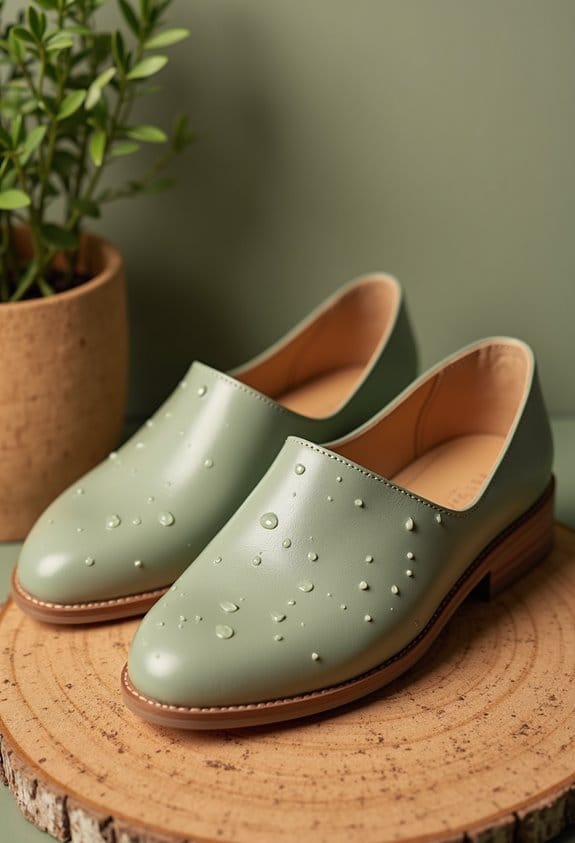
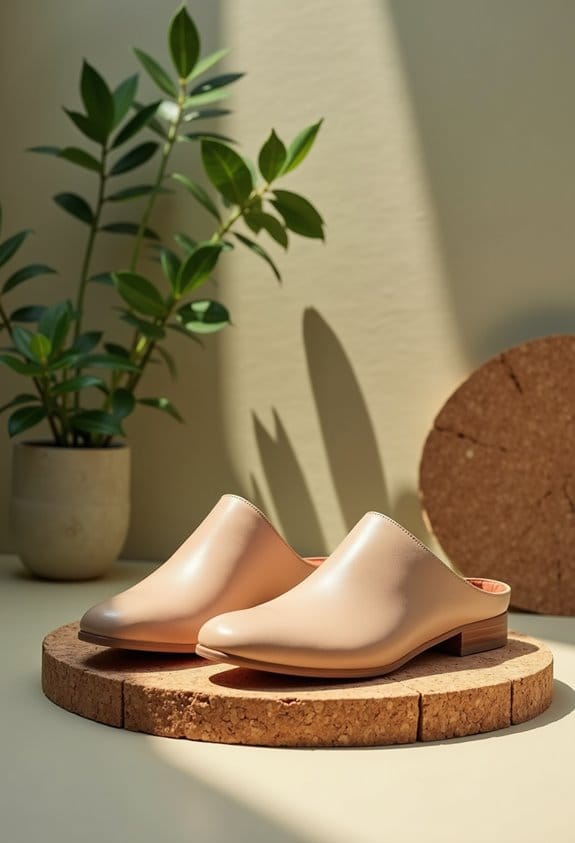
Materials make the shoe, right? Vegan footwear relies on synthetic leather and high-durability microfibers to match traditional leather’s toughness. Ever wondered how recycled plastics fit in? They boost durability while giving Mother Earth a break—talk about multitasking! Plant-based materials, like Piñatex from pineapple leaves and Mylo from mushrooms, serve as innovative alternatives, blending eco-friendly charm with surprising strength. The durability of vegan shoes isn’t just about the materials; quality construction methods such as reinforced soles and double-stitching guarantee they can withstand daily adventures. Plus, advancements have brought impressive water resistance to these shoes, making puddles less of a worry. So, vegan shoes combine style, sustainability, and practical durability, proving that going cruelty-free doesn’t mean compromising on quality. In fact, mushroom leather sneakers are known for their durability and flexibility, resisting cracking and peeling far better than traditional options.
Comparing Material Strength in Vegan Footwear
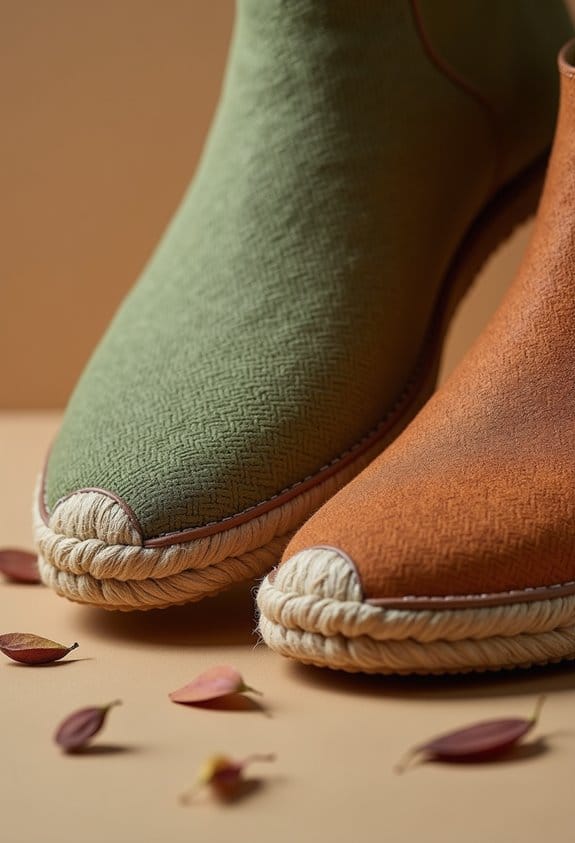
While traditional leather has long set the standard for shoe strength, vegan footwear isn’t lagging behind—quite the opposite, in fact! Synthetic alternatives like PU leather offer impressive material strength and durability, often rivaling natural leather in toughness. Recycled plastics bring serious tensile strength, making these shoes durable enough to handle day-to-day wear and some unexpected adventures. Microfiber, known for flexibility and abrasion resistance, often outperforms leather in durability. Plant-based materials such as Piñatex offer a greener option, though they usually support moderate loads rather than heavy-duty tasks. Clever design features, like reinforced stitching and premium adhesives, boost structural integrity, ensuring vegan footwear doesn’t just look good but stands up to life’s challenges. Additionally, many vegan trekking boots incorporate waterproofing technologies to enhance durability and performance in harsh outdoor conditions. Who said eco-friendly can’t be strong? Vegan shoes prove strength and sustainability can go hand in hand.
The Role of Innovative Materials Like CF

Stepping beyond common alternatives, CF+ emerges as a game-changer in vegan shoe materials. This innovative synthetic material mimics leather’s strength and durability, capable of handling higher loads without breaking a sweat (literally!). CF+ stands out for being waterproof and robust, resisting scratches and wear even under daily challenges. Its unique microfiber mesh promotes breathability, letting feet breathe while maintaining comfort—no more soggy socks! Plus, CF+ excels in moisture absorption, wicking sweat away to keep feet dry, important for active wearers. These synthetic materials require minimal maintenance, proving both practical and long-lasting for vegan shoes. So, could CF+ be the future of cruelty-free footwear innovation? With its blend of performance and comfort, it certainly makes a strong, durable case for itself. Combining such innovative materials with eco-friendly bamboo fibers offers a sustainable yet high-performing future for vegan footwear.
Durability Tests and Performance Under Load
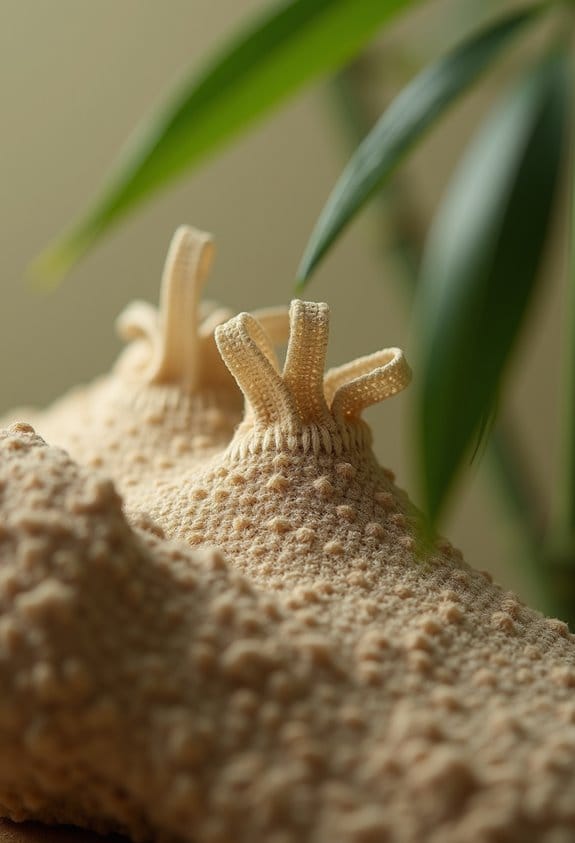
Because durability matters just as much as style, vegan shoes have been put through their paces in various load and stress tests to prove their worth. Durability tests reveal that high-quality materials like PU leather and reinforced microfiber provide impressive material strength, matching traditional leather’s resistance to wear and tear. Synthetic leathers often showcase excellent abrasion resistance, making them ideal for daily wear without falling apart too quickly. What about performance under load? Surprisingly, many vegan shoes, especially those with recycled rubber soles, handle moderate to heavy loads as well as (or sometimes better than) their leather counterparts. So, can vegan shoes keep up with your busy lifestyle? The evidence says yes—well-made vegan shoes endure stress and active use without complaining (or squeaking). Who knew eco-friendly could be this tough? Additionally, features like shock-absorbing outsoles contribute to both comfort and durability during extended wear.
Waterproof and Scratch-Resistant Properties
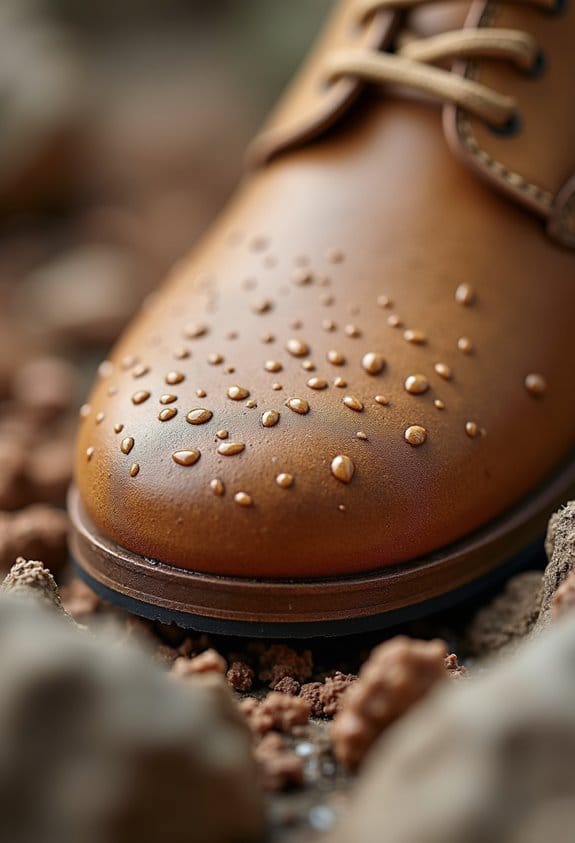
Material strength is only part of the story; many vegan shoes also boast impressive waterproof and scratch-resistant qualities that make them stand out. Crafted from synthetic materials such as polyurethane and microfiber, these shoes offer waterproof protection that often surpasses traditional leather. This keeps feet dry and materials intact, even in unexpected downpours. Scratch-resistant engineered textiles add an extra layer of durability, shrugging off daily scuffs like a pro. High-quality vegan shoes cleverly balance flexibility with toughness, using recycled plastics to withstand higher loads without losing shape. Of course, a little maintenance—like applying water-repellent sprays—can boost waterproof and scratch-resistant performance, extending a shoe’s life span. Who knew ethical footwear could be so tough yet nimble? These features make vegan shoes excellent candidates for those seeking long-lasting style and function. Additionally, the use of recycled materials in production supports sustainability while enhancing durability.
Environmental Benefits of Durable Vegan Materials
Countless eco-conscious consumers are discovering that durable vegan materials do far more than just look good—they help protect the planet, too. Materials like high-quality synthetic leather and recycled plastics offer surprising strength while supporting sustainable practices. By using biodegradable materials such as Piñatex and Mylo, manufacturers reduce environmental impact without sacrificing material strength—who knew pineapples and mushrooms could save the Earth and hold up shoes? Plus, these vagdua options require less water and energy during production, contributing to a lower carbon footprint. Incorporating eco-friendly production techniques means vegan shoes last longer and need fewer replacements, which benefits both the environment and the wallet. Overall, durable vegan materials prove that being kind to the planet doesn’t mean compromising on quality or style. Additionally, biodegradable shoes made from organic materials, like those with jute outsoles, can decompose within 6 months to 5 years, significantly reducing waste in landfills.
Maintaining Strength and Longevity in Vegan Shoes
While vegan shoes are often praised for their ethical appeal, their strength and longevity deserve equal attention. Durable vegan shoes, crafted from synthetic leather and other advanced materials used in vegan shoe production, can rival traditional leather in both longevity and load-bearing capacity. Vegan alternatives like recycled plastics bring impressive wear resistance and environmentally friendly benefits to the table—score one for sustainability! Ethical brands, emphasizing sustainable production practices, often deliver superior durability and performance. But how do these shoes last longer? Proper care matters: regular cleaning and moisture management can boost their lifespan, helping these shoes endure heavy use (without becoming sole-less casualties). So, when it comes to maintaining strength, the right materials and care strategy guarantee vegan shoes not only look good but perform well, too. Additionally, features like water-resistant materials help protect the shoes in demanding conditions, further extending their usability.
Choosing Vegan Shoes for Heavy-Duty Use
Selecting vegan shoes built for heavy-duty use means looking beyond style and ethics to the nuts and bolts of durability. Can vegan shoes handle tough jobs? Absolutely, when made with reinforced synthetic leather and advanced plant-based leathers that boast impressive tensile strength. These materials rival traditional leather, showing true grit under pressure. Craftsmanship matters too—double-stitching and quality adhesives increase structural integrity, ensuring the shoe stays put during demanding activities. Some brands even subject their footwear to intense testing, guaranteeing tough performance. Proper care—yes, vegan shoes need it—like regular cleaning and conditioning, greatly extends their lifespan. Additionally, features like slip-resistant soles enhance safety and functionality in heavy-duty environments. So, if durability and heavy-duty use top the list, materials and workmanship should guide the choice, proving vegan shoes aren’t just a statement—they’re a serious tool for the job!
Frequently Asked Questions
Are Vegan Shoes Durable?
Vegan shoes demonstrate notable material longevity, appealing to consumer preferences valuing sustainability benefits and reduced environmental impact. Vegan shoe brands embrace ethical production processes, avoiding animal cruelty, while offering style versatility, competitive cost comparisons, and aligning with evolving market trends.
What Is the Downside of Vegan Leather?
Vegan leather’s Achilles’ heel lies in longevity issues and sustainability concerns, as production methods sometimes worsen environmental impact. Despite reducing animal cruelty and boosting design versatility, cost considerations and evolving consumer preferences reveal ongoing challenges shaped by market trends and care instructions.
What Is the Strongest Material for Shoes?
The strongest material for shoes integrates advanced polymer technologies and reinforced material composition, offering high tensile strength, load bearing capacity, and abrasion resistance. Innovations in breathable fabrics and eco friendly alternatives enhance footwear longevity and performance comparisons in manufacturing innovations.
What Is the Difference Between Vegan and Non Vegan Shoes?
Like two branches of the same tree, vegan and non-vegan shoes differ in ethical fashion through material sourcing, animal welfare, and production processes. Vegan options emphasize sustainability, eco-friendly methods, style versatility, comfort, with varying pricing and market availability.