As an Amazon Associate, we earn from qualifying purchases. Some links on this site are affiliate links at no extra cost to you. Our recommendations are based on thorough research and editorial judgment.


Are Vegan Shoes Always Cheaper? Pricing Myths Explained

Are vegan shoes always cheaper? Not exactly! Though they skip animal leather, many use cutting-edge materials like pineapple fiber and recycled plastics, which can elevate costs. Plus, ethical production and durability add value that sometimes rivals traditional shoes. Surprising, right? The vegan market is booming, expected to grow from $1.2 billion in 2026 to $2.5 billion by 2033, reflecting quality and care. Curious to uncover how style, brand, and innovation shape these prices?
Key Takeaways
- Vegan shoes often cost more due to advanced synthetic materials and sustainable production methods.
- Avoiding animal products doesn’t guarantee lower prices; quality and ethical sourcing impact cost.
- Premium vegan brands charge higher prices for craftsmanship and eco-friendly innovations.
- Some vegan shoes match or exceed traditional leather prices because of durability and unique materials.
- Budget vegan footwear exists, but pricing varies widely based on brand and material quality.
Understanding the Cost Factors of Vegan Shoes
You may be interested


Although vegan shoes might seem pricey at first glance, there’s more to their cost than meets the eye. Many vegan shoes use advanced synthetic materials like microfibers, recycled plastics, and plant-based fabrics which often raise production costs compared to traditional leather. These sustainable materials help reduce environmental impact while supporting animal welfare, but require innovative production techniques and ethical sourcing. So, is paying more just a pricing myth? Not quite! Higher prices often reflect a commitment to durability, style, and cruelty-free manufacturing. Plus, brands face fluctuating costs as demand for eco-friendly footwear grows. Affordable vegan options exist, but premium choices emphasize quality and sustainability—making them a smart investment for those prioritizing planet-friendly shoes that don’t sacrifice fashion or conscience. Who said cruelty-free couldn’t be classy too? Additionally, factors like waterproof or water-resistant materials contribute to both the functionality and pricing of vegan footwear.
Common Misconceptions About Vegan Shoe Pricing
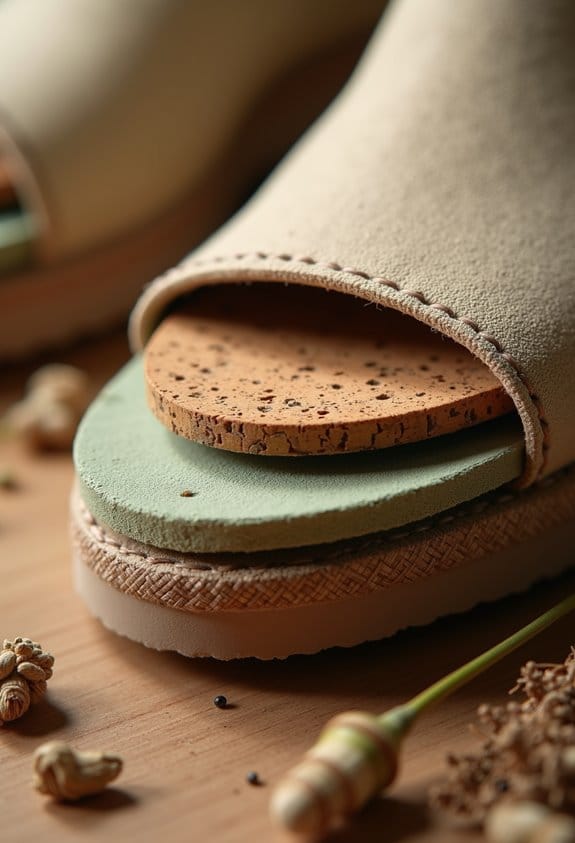
Vegan shoe pricing often sparks confusion—are these shoes always cheaper, or is it just a stylish rumor? Many believe vegan footwear must cost less since they avoid animal products, but that’s a common pricing myth. In reality, high-quality vegan options often feature advanced synthetic materials and sustainable sourcing, which can raise costs. Demand for vegan shoes is booming, and ethical production adds layers of care that impact prices too. As the market grows—from $1.2 billion in 2026 to a predicted $2.5 billion by 2033—buyers find themselves choosing long-term value over bargain basement deals. So, are vegan shoes a steal or a splurge? Sometimes a bit of both, depending on brand and craftsmanship! Many reputable brands incorporate eco-friendly materials such as organic cotton and algae-based insoles, which contribute to product quality and pricing.
Materials and Their Impact on Price

The world of shoe materials is far from simple, especially when synthetic and plant-based options enter the mix. Vegan materials like advanced synthetic materials, recycled plastics, and innovative plant-based leathers demand careful production, which can raise pricing. Animal-free shoes aren’t always cheap knockoffs; ethical and environmentally friendly sourcing often nudges costs up. Features such as water resistance and enhanced comfort technology add to the investment, making these shoes price competitive—even rivaling traditional leather boots! Does higher price equal better quality? Often yes, since durability can offset upfront expense. So, while some vegan shoes seem pricier, their ethical and eco-conscious appeal justifies this—proving you can look good, feel good, and still make a smart purchase (no guilt included). Vegan footwear pricing is about more than just materials—it’s a lifestyle choice, wrapped in innovation. Additionally, choosing shoes made from bamboo fibers supports sustainability through the use of renewable, biodegradable materials that also offer breathability and comfort.
The Role of Brand and Craftsmanship
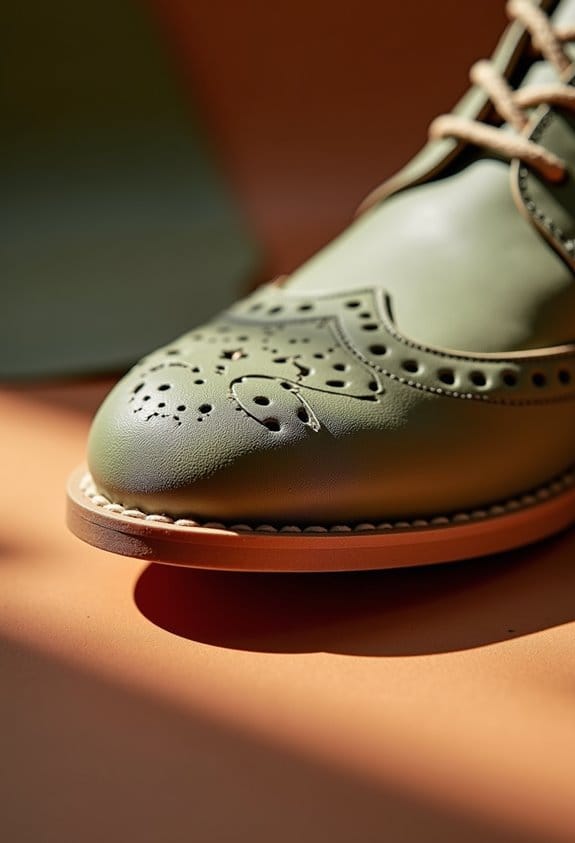
Since not all shoes are created equal, a brand’s reputation can heavily influence the price tag on vegan footwear. Established brands, known for quality and warranties, often charge more, reflecting their commitment to craftsmanship and ethical footwear standards. Advanced materials like plant-based leathers and recycled fabrics, combined with sustainable sourcing, raise production costs and, yes, pricing too. High-quality vegan boots aren’t just trendy—they’re durable and built to last, sometimes matching or outpricing traditional leather boots. Artisan or limited-run vegan shoes sparkle with handcrafting detail, attracting buyers willing to pay a premium for uniqueness. So, is the price just about fashion? Nope! Brand reputation and expert craftsmanship work together, ensuring these vegan shoes deliver value beyond looks—proof that sometimes, quality truly does come at a cost worth paying. Additionally, incorporating durable vegan leather significantly boosts the longevity and overall value of vegan footwear.
Comparing Vegan Shoes to Traditional Leather Footwear

Although many assume traditional leather footwear always commands a higher price tag, vegan shoes can surprise shoppers with comparable, or even loftier, numbers at checkout. The pricing twist often comes down to materials—vegan shoes may use advanced synthetics like pineapple leather or mushroom-based fabrics, boosting production costs and sustainability credentials. Meanwhile, traditional leather benefits from established supply chains but relies on animal products, which some consumers find controversial. Can innovations in vegan shoe production justify sometimes higher prices? Absolutely! Yet, budget-friendly vegan options exist, leveraging cost-effective synthetic materials. Pricing comparisons are far from black-and-white since brand reputation, craftsmanship, and material quality all weigh in. So, are vegan shoes just cheaper knockoffs? Not really—these shoes blend ethics and innovation, challenging leather’s longstanding reign (and sometimes, the price tags) in a surprisingly competitive market. Many leading brands also emphasize transparent supply chains to boost consumer trust and accountability in their sustainable practices.
How to Find Quality Vegan Shoes Within Your Budget
How can shoppers land quality vegan shoes without emptying their wallets? It helps to explore brands with a thoughtfully made vegan shoe collection, prioritizing materials used like plant-based leathers or recycled synthetics over animal by-products. While these choices often cost more due to sustainable sourcing and ethical practices, the durability pays off! Hunting during sales or seasonal discounts can reveal budget-friendly options without sacrificing quality. Online filters and certifications from groups like the Vegetarian Society streamline finding trustworthy pairs. Shoppers should also compare direct-to-consumer brands and various retailers for better deals. After all, finding quality vegan shoes isn’t about skimping (because who wants shoes that fall apart?) but about smart choices blending style, ethics, and affordability in one neat package. Prioritizing material quality can ensure your vegan shoes remain both stylish and long-lasting.
Frequently Asked Questions
Are Vegan Shoes More Expensive?
Vegan shoes are not always cheaper; like choosing a green apple over a red, price comparison reveals higher production costs and material sourcing for sustainability affect brand perception. Market trends show consumer demand valuing ethical considerations and environmental impact.
What Is the Downside of Vegan Leather?
The downside of vegan leather includes synthetic materials causing comfort levels issues, environmental impact concerns, durability concerns, and maintenance challenges. Consumer perceptions may doubt its style in fashion trends, while ethical considerations inspire choice despite these drawbacks.
Are Vegan Leather Shoes Worth It?
Vegan leather shoes stand as beacons of ethical fashion choices, balancing vegan shoe durability and style variety. With lower maintenance costs, reduced environmental impact, animal rights considerations, and brand transparency, they increasingly shape consumer perception as truly worth the investment.
Do Luxury Brands Use Vegan Leather?
Luxury fashion brands do use vegan leather, responding to consumer demand for sustainable materials and ethical production. These eco friendly practices enhance brand reputation, align with market trends, and promote animal welfare, reflecting evolving priorities in the industry.