As an Amazon Associate, we earn from qualifying purchases. Some links on this site are affiliate links at no extra cost to you. Our recommendations are based on thorough research and editorial judgment.

Vegan Shoes Vs Sustainable Shoes: Same or Different?

Vegan shoes and sustainable shoes aren’t exactly twins, despite their ethical vibes. Vegan kicks skip animal materials like leather and suede, opting for synthetics or plant-based alternatives (pineapple leather, anyone?). Sustainable shoes zoom in on eco-friendly stuff—recycled plastics, organic cotton—and fair factory work to shrink carbon footprints. So, vegan equals cruelty-free, but not always eco-perfect. Curious how they balance animals versus the planet? Keep exploring to uncover their surprising overlaps and clear differences!
Key Takeaways
- Vegan shoes avoid animal products, focusing on cruelty-free materials like synthetic or plant-based options.
- Sustainable shoes prioritize eco-friendly materials, ethical labor, and reducing environmental impacts across the supply chain.
- Vegan footwear may use synthetic materials with limited biodegradability, while sustainable shoes emphasize recyclability and low carbon footprints.
- Choosing vegan versus sustainable involves balancing animal welfare with environmental and ethical manufacturing considerations.
- Transparency in sourcing and production is crucial for verifying vegan and sustainable footwear claims and ensuring informed consumer choices.
Defining Vegan Shoes and Their Core Principles
You may be interested


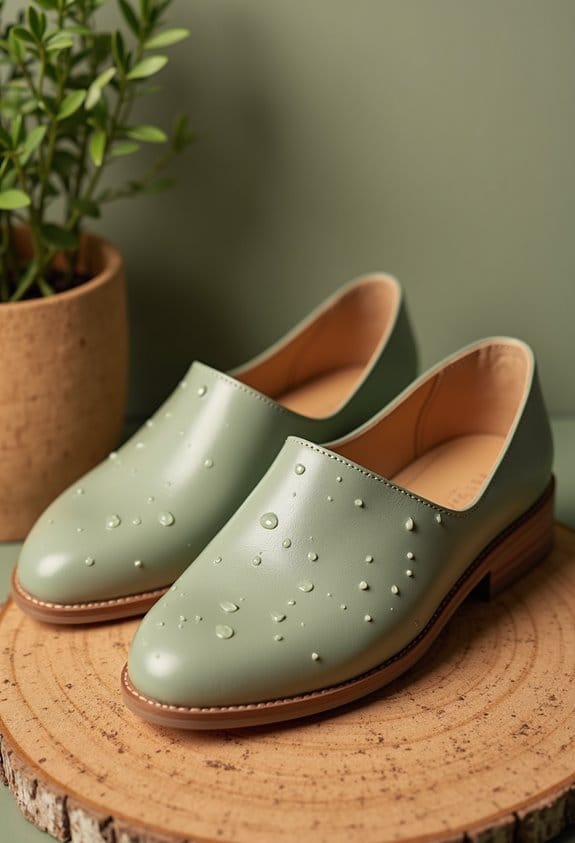
Vegan shoes represent a fascinating blend of ethics and innovation in footwear. These shoes completely avoid animal products like leather, wool, or suede, putting animal welfare front and center—a truly ethical approach. Instead, vegan footwear relies on synthetic materials such as polyurethane or plant-based alternatives, including cotton, hemp, and even quirky innovative materials like pineapple or apple leather. While vegan shoes are celebrated for being cruelty-free, it’s worth noting that synthetic materials may have some environmental impact (not quite perfect, but better for furry friends!). This growing trend reflects changing consumer values toward compassionate choices without sacrificing style or comfort. So, vegan shoes stand not only as a fashion statement but a symbol of thoughtful innovation and kind-hearted creativity in the shoe world. Many vegan sneakers also incorporate eco-friendly BLOOM Foam insoles made from algae-based material, enhancing their environmental sustainability while providing comfort.
Understanding Sustainable Footwear and Its Environmental Goals
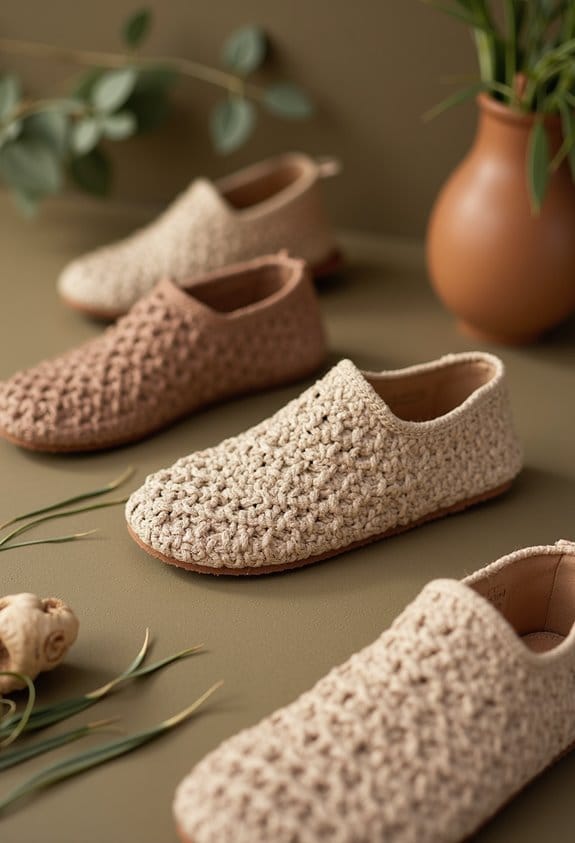
If fashion choices had a superhero, sustainable footwear might just wear the cape—with a mission to protect the planet one shoe at a time. Sustainable shoes aim to slash environmental impact by using eco-friendly materials like recycled plastics, organic cotton, and the materials used in vegan designs. But it’s not just about fabrics; ethical manufacturing practices guarantee fair treatment of workers while cutting energy consumption and waste. Brands embrace innovative materials—think algae and pineapple leather—to boost conservation efforts and reduce carbon footprints. Isn’t it impressive how these shoes balance style and sustainability? The global market, worth $7.5 billion in 2019, keeps growing as more consumers seek footwear that’s kind to both people and the planet—one step forward for Mother Earth! Additionally, materials such as hemp fibers are gaining popularity due to their minimal water usage and biodegradability, enhancing the eco-friendly appeal of sustainable shoes.
Key Materials Used in Vegan and Sustainable Shoes

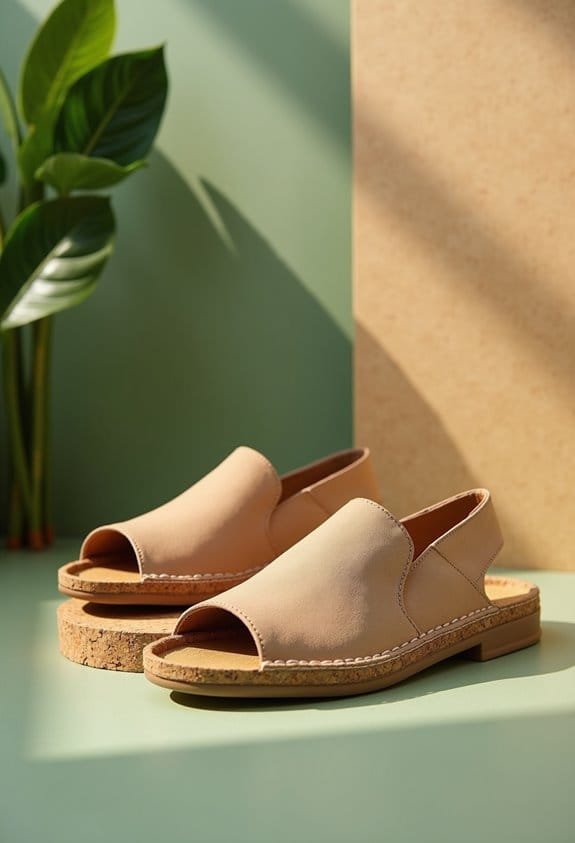
Three key material categories dominate the world of eco-friendly footwear, each with its own environmental story to tell. Vegan shoes avoid animal-derived materials, relying heavily on synthetic materials like polyurethane (PU) and PVC, plus plant-based options such as cork, hemp, and pineapple leather—which sound almost too good to be true! Sustainable shoes, however, prioritize eco-friendly materials like organic cotton, recycled plastics, and responsibly-sourced leather, aiming to minimize environmental impact through smart choices. Recycled materials feature prominently here, enabling waste reduction and less resource extraction. While vegan shoes often favor new synthetic fabrics that might not score top marks for eco-friendliness, sustainable shoes invest in durability and recyclability, ensuring they tread lightly on the planet. It’s a fascinating material mix—who knew shoes could tell such green stories? Additionally, innovations like apple leather derived from sustainable apple waste are advancing the footwear industry toward greater environmental responsibility.
Environmental Impacts: Vegan Shoes Compared to Sustainable Shoes

How do the environmental footprints of animal-free shoes stack up against those made with sustainable practices? Vegan shoes often rely on synthetic materials like polyurethane—petroleum-based and less biodegradable—which raises questions about long-term pollution and waste reduction. Sustainable shoes, however, prioritize eco-friendly materials such as organic cotton and recycled plastics, helping them reduce carbon footprints considerably. Additionally, sustainable footwear emphasizes responsible sourcing and low-impact manufacturing, tackling both pollution and environmental impact head-on. While vegan shoes proudly avoid animal products, they sometimes miss the mark on biodegradability and material renewability. Sustainable shoes balance ethical practices with environmental accountability, making them strong contenders for those seeking greener options. So, is going vegan always greener? Not necessarily—sometimes, the planet prefers sustainable over strictly animal-free. Many sustainable shoes now incorporate innovative plant-based leather alternatives derived from pineapple leaves, mushrooms, and cactus, which significantly reduce water usage and emissions compared to traditional synthetic materials.
Ethical Considerations in Vegan Versus Sustainable Footwear

Ethics can be a tricky labyrinth when it comes to choosing the right footwear. Vegan shoes avoid animal leather entirely, favoring vegan materials like polyester or polyurethane, but these synthetics might pose a tougher environmental impact than expected. On the flip side, sustainable footwear champions eco-friendly and sustainable practices, often using recycled or natural materials to reduce their footprint. But what about people? Ethical businesses examine fair labor practices, ensuring the production process respects workers’ rights, which is a crucial step beyond just skipping animal products. So, is choosing vegan shoes always more ethical than sustainable ones? Not necessarily. Conscious consumption requires weighing the importance of animal welfare, environmental impact, and the fairness of labor conditions. High-quality materials paired with fair practices truly elevate a shoe’s ethical status—because doing good never goes out of style! Many leading brands also emphasize ethical manufacturing practices that include fair wages and safe workspaces, further enhancing the overall sustainability of their footwear.
Overlapping Qualities and Clear Differences Between Vegan and Sustainable Shoes
Footwear choices often spark lively debates because vegan and sustainable shoes share some important traits while clearly diverging in others. Both prioritize ethical values, but vegan footwear strictly avoids animal products to support animal welfare. Meanwhile, sustainable shoes focus on reducing environmental impact, often using recycled plastics, natural rubber, or responsibly sourced animal materials—yes, some sustainable shoes aren’t vegan! Vegan shoes usually rely on plant-based materials like hemp or synthetic options like polyurethane, which may not always be eco-friendly. Brands that blend both ideals cleverly use eco-conscious, synthetic, or recycled materials, achieving a balance between animal-friendly and earth-friendly. So, while they overlap in ethics, the materials and environmental footprints of vegan and sustainable footwear often tell different stories—can shoes really be both? Some brands say yes, and the choice depends on what values one steps into daily. Additionally, production transparency is essential to verify the ethical and environmental claims of footwear brands.
How to Choose Between Vegan and Sustainable Footwear Based on Your Values
Picking between vegan and sustainable footwear often comes down to what really matters to the person stepping into those shoes. Is it animal welfare, nudging them toward vegan shoes that avoid all animal products? Or is it the broader environmental impact, making sustainable shoes—crafted from recycled or eco-friendly materials—a better fit? Materials used play a huge role here. Vegan shoes sometimes rely on synthetic fabrics (cue the environmental eye-roll), while sustainable shoes might feature high-quality materials like responsibly sourced leather. Durability also matters: can these shoes last long enough to reduce waste? Savvy shoppers should dig into manufacturing processes, seeking transparency and ethical consumption. After all, combining values with quality is the best way to step lightly (and stylishly) into the future! Additionally, paying attention to durability and grip can ensure your footwear remains both stylish and safe during summer activities.
Frequently Asked Questions
Are Vegan Shoes More Sustainable?
Vegan shoes can offer cruelty-free options prioritizing animal welfare, but sustainability depends on vegan materials, production methods, and use of renewable resources. Their environmental impact and carbon footprint vary, necessitating lifecycle assessment and increased consumer awareness within ethical fashion.
What Does “Sustainable Shoes” Mean?
Sustainable shoes balance sustainable fashion and ethical production, utilizing eco friendly materials to reduce environmental impact. They emphasize supply chain transparency, lifecycle assessment, carbon footprint reduction, renewable resources, and waste reduction, fostering consumer awareness and long-term responsibility.
What Is the Healthiest Material for Shoes?
The healthiest shoe materials combine natural fibers like organic cotton with plant-based leathers, cork soles, and breathable fabrics. Biodegradable materials, recycled plastics, eco-friendly adhesives, water-resistant options, and renewable resources enhance durability and environmental benefits.
Are Vegan Products Sustainable?
Like a garden thriving only with proper care, vegan products’ sustainability hinges on vegan certifications, ecological impact, plant-based materials, carbon footprint, manufacturing processes, recycling options, consumer awareness, ethical labor, long-term durability, and waste reduction.