As an Amazon Associate, we earn from qualifying purchases. Some links on this site are affiliate links at no extra cost to you. Our recommendations are based on thorough research and editorial judgment.

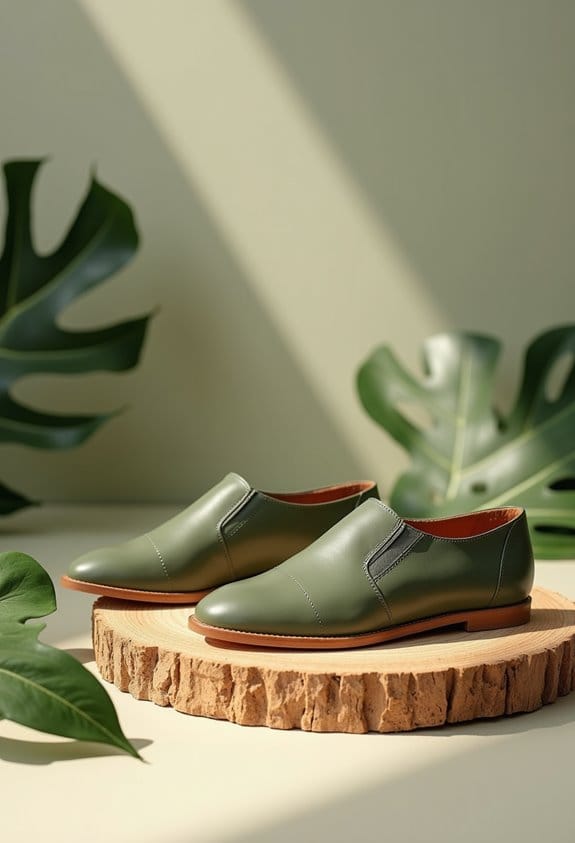
What “Plant-Based Leather” Means in Footwear Labels

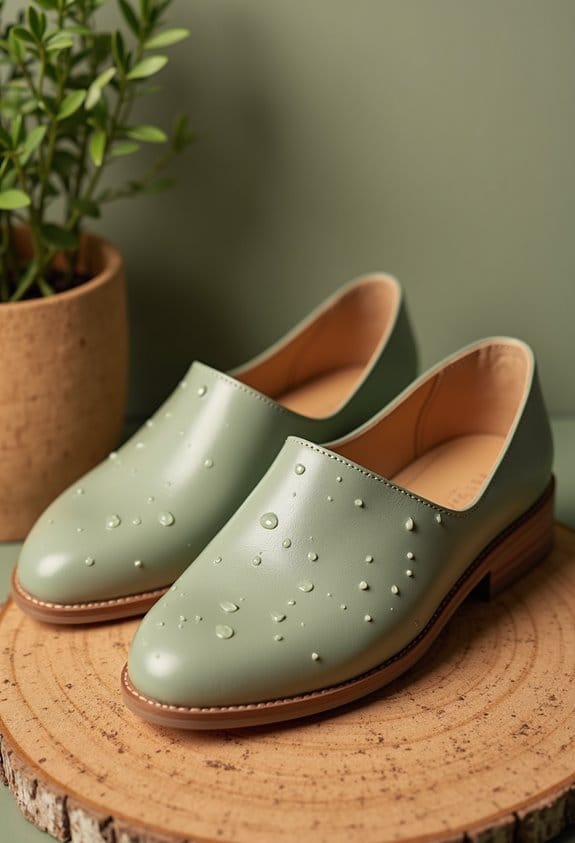
“Plant-based leather” on footwear labels usually means the material is mostly made from natural stuff like pineapple leaves, cactus pads, or mushrooms. Sounds great, right? However, many still include plastic binders (sneaky synthetic helpers) to boost durability and water resistance, which muddles the eco-friendly story a bit. These materials often reuse agricultural leftovers, reducing waste, but watch out—labels can be tricky. Curious about what makes some plant leathers greener than others? There’s plenty more to uncover!
Key Takeaways
- Plant-based leather in footwear uses natural materials like pineapple, cactus, cork, or mushrooms to reduce environmental impact compared to synthetic leather.
- These materials often combine natural fibers with synthetic binders like PU or PVC, affecting biodegradability and sustainability claims.
- Labels may not clearly disclose the percentage of synthetic additives, making it challenging for consumers to gauge eco-friendliness.
- Common plant-based leathers include Piñatex, Desserto (cactus), Mylo (mushrooms), which prioritize sustainability and lower water usage.
- Consumers should look for transparency on material composition and manufacturing practices to make informed, greener footwear choices.
Defining Plant-Based Leather in Footwear
You may be interested



Although traditional leather often steals the spotlight, plant-based leather in footwear is making a strong, sustainable entrance by using natural materials like pineapple leaves, cactus, and cork. This eco-friendly alternative aims to reduce the environmental impact linked to synthetic leathers, which mostly come from petroleum-based plastics. Materials such as Piñatex, made from agricultural waste like pineapple fibers, offer impressive durability and breathability—perfect for shoes that need to perform and last. But can plant-based leather truly replace animal hides? While some versions cleverly turn farm leftovers into footwear, a dash of synthetic binders occasionally pops in, complicating the sustainability story. Still, with brands embracing this greener path, plant-based leather stands out as a promising, earth-loving choice for modern footwear, balancing style, function, and conscience. One notable example is cactus leather, which uses sustainably harvested cactus pads to create a durable and eco-friendly material.
Common Materials Used in Plant-Based Leather
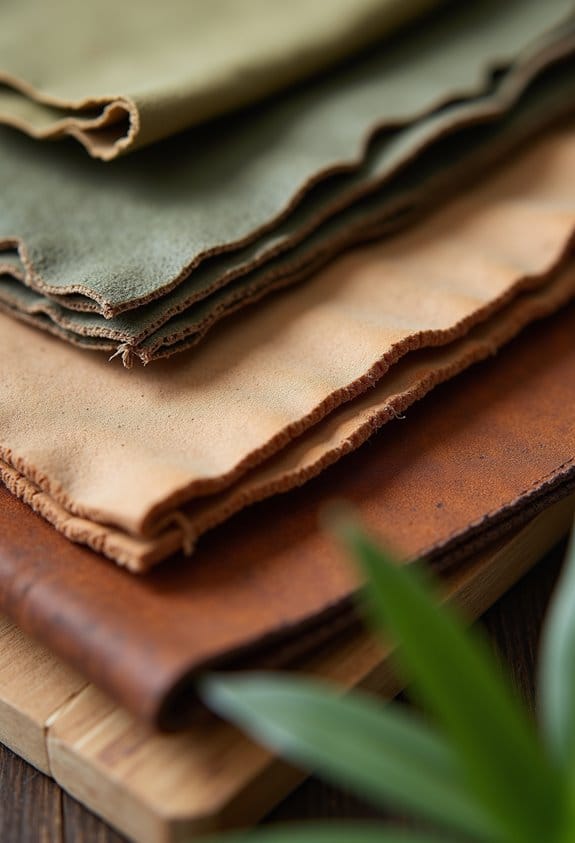
The world of plant-based leather is a surprisingly diverse garden of materials, each with unique traits that challenge traditional leather’s reign. From pineapple leaves—yes, agricultural waste recycled as Piñatex—to cork leather harvested gently from bark without harm, the options are impressive. Mycelium, the root-like mushroom structure, becomes Mylo leather, a biodegradable option that’s supple and eco-friendly. Ever heard of grape leather (Vegea) or apple leather (Appleskin)? They cleverly reuse vineyard and apple production leftovers. Cactus leather, especially from nopal leaves, combines durability with a smaller water footprint—score for sustainable fashion! These plant-based leathers offer fresh, earthy alternatives to the usual. Who knew scraps and plants could be the shoe material of tomorrow, all while helping the planet (and your conscience) breathe easier? One standout example is pineapple leather, which significantly reduces carbon emissions compared to cow leather, making it a powerful choice for eco-conscious footwear.
Recommended Products
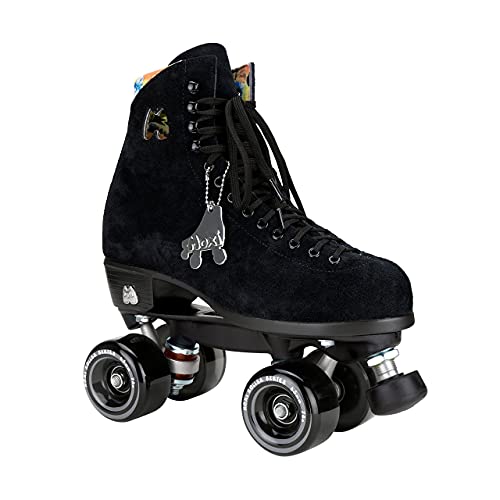
Durable Roller Skates : These roller skates are hand-made using a soft suede leather material that can be broken in with minimal discomfort. The skates have a high-impact PowerDyne Thrust nylon plate with strong metal trucks for optimal support.

150 th. Anniversary branding

FuelCell foam delivers a propulsive feel to help drive you forward
The Role of Plastic in Plant-Based Leather Products
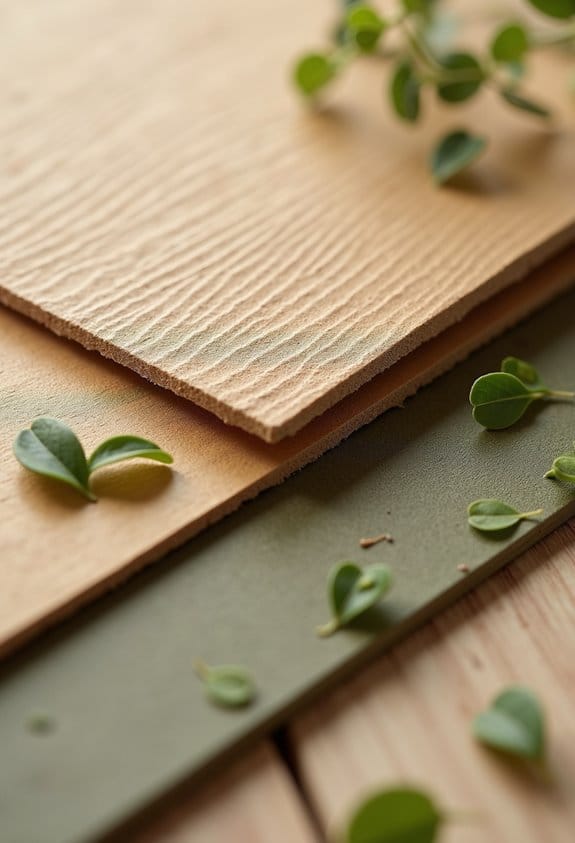
Since many so-called “plant-based” leathers actually blend natural fibers with plastics like polyurethane (PU) or polyvinyl chloride (PVC), the sustainability story gets a bit complicated. While these plastics help make the material durable and water-resistant, they also reduce biodegradability, leaving a bigger ecological footprint than expected. Some plant-based leather products contain over 50% synthetic polymers, turning what sounds eco-friendly into a plastic-partnered hybrid (not quite a plant miracle!). This mix raises questions about plastic pollution and environmental impact, especially when marketing glosses over the plastic content. Misleading labeling can confuse consumers enthusiastic to make greener choices, which has sparked calls for clearer regulations. So, while plant-based leather is a step away from traditional animal hides, the plastic inside reminds us that not all that glitters is entirely green! Brands prioritizing eco-friendly manufacturing practices and using synthetic materials thoughtfully can help address these concerns.
Recommended Products

Lace up silhouette: adding support and style to your look

Lace up silhouette: adding support and style to your look

The classic lace up silhouette, adding support and style to your look
Environmental Impact of Plant-Based Leather
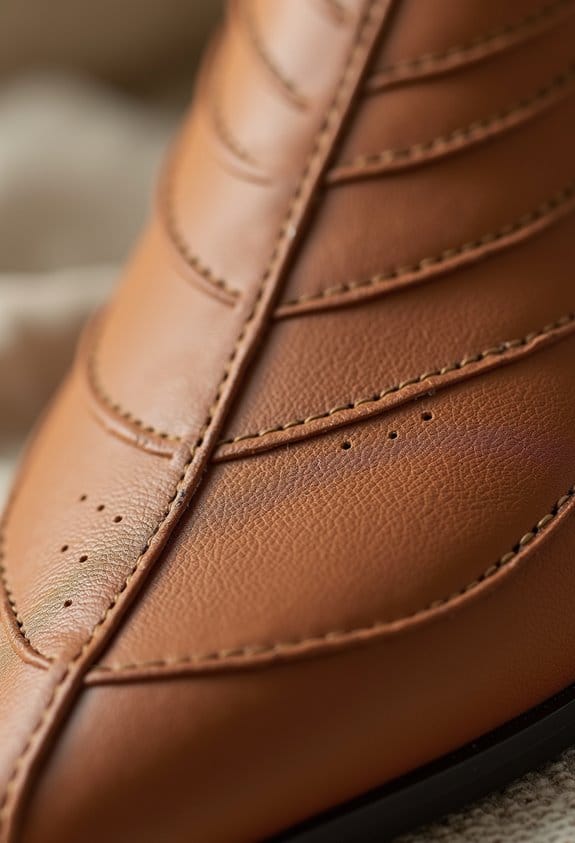
While plant-based leathers, like those made from cactus and pineapple fibers, promise a smaller environmental footprint than traditional animal leather, the reality is a bit more complex. These leather alternatives use less water—good news for thirsty crops—but often blend in synthetic materials like PU or PLA. This mix can threaten biodegradability, leading to plastic pollution woes if discarded improperly. Still, many production methods cleverly repurpose agricultural waste, turning byproducts that would be trash into treasure, a truly sustainable move. Yet, some plant-based options release greenhouse gases during processing, reminding consumers that “plant-based” isn’t always clean green. It’s crucial for consumer awareness to grow so buyers understand what’s inside their shoes. After all, isn’t informed shopping the best footprint to leave behind? Additionally, innovative materials such as mushroom leather provide an eco-friendly alternative that is both biodegradable and durable, highlighting the evolving landscape of sustainable footwear.
Comparing Plant-Based Leather to Synthetic Alternatives
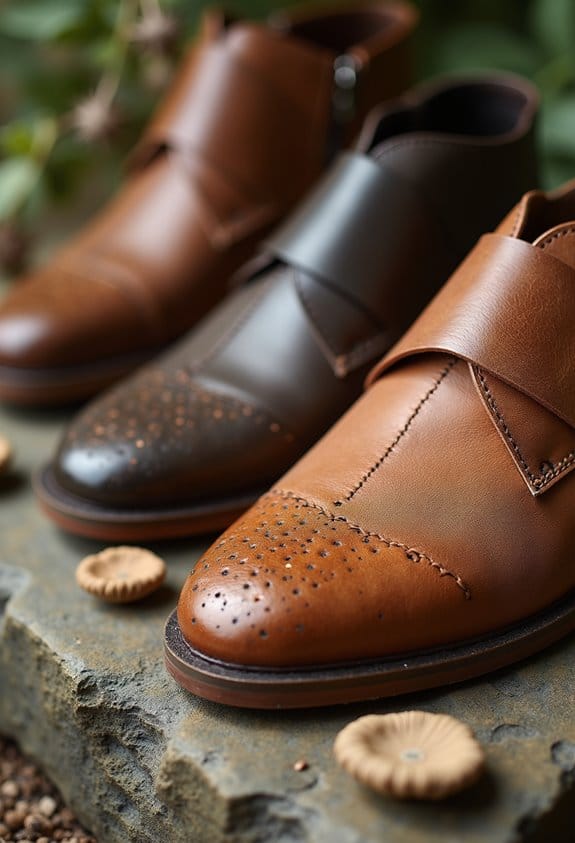
Though both plant-based and synthetic leathers aim to reduce animal harm, their environmental footprints differ quite a bit. Plant-based leather, made from renewable resources like Mylo mushroom leather or cactus, generally offers better breathability and less environmental impact than synthetic alternatives such as PU or PVC—both fossil fuel-based. But is plant-based always greener? Not quite! Some plant-based leathers still use synthetic binders like PU, complicating their sustainability. Synthetic alternatives often crack earlier, losing charm, while plant-based versions can develop a unique patina over time. However, Mylo and other innovative materials aren’t yet widely accessible, making synthetic options easier to find. So, when comparing these leathers, it’s a trade-off between eco-friendliness, durability, and availability—a balancing act that consumers should consider carefully! Additionally, materials like apple leather combine plant waste with non-toxic binders to create durable and biodegradable alternatives that offer comfort and longevity.
Recommended Products

Classic Bed Stu craftsmanship and rustic design, the Glaye has every ounce of style you desire.
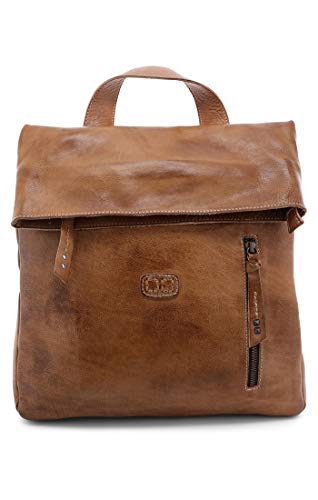
Find a new daily staple with the Bed Stu Howie Backpack made of a rich, vegetable-tanned leather.

Casual boot from Bed:Stu
The Manufacturing Process Behind Plant-Based Leather
Delving into plant-based leather’s making reveals an inventive blend of nature and technology. The manufacturing process uses agricultural byproducts like pineapple leaves, mushroom mycelium, and cactus pads to replicate texture and appearance similar to traditional leather. Natural fibers are extracted, then treated chemically to boost durability and sometimes coated with bio-resins or synthetic polymers for added water resistance and flexibility—a flexible material perfect for footwear! Cactus leather’s sun-dried pads transform into a soft yet strong product, exemplifying this method. While aiming to reduce environmental impact by reusing waste, the process’s chemical treatments raise questions about the exact mix of natural versus synthetic components. Curious consumers should consider this balance to appreciate the eco-friendly innovation driving plant-based leather forward—an exciting alternative, indeed! Additionally, cactus leather offers advantages like lower water use and reduced carbon emissions compared to traditional leather production.
Misleading Labels and Consumer Perception
Labels on plant-based leather products can feel like a tricky puzzle for many shoppers. Misleading labels often blur the line between true plant-based leather and those loaded with synthetic materials like polyurethane or polyvinyl chloride. Consumers hoping for pure vegan leather that champions animal welfare may end up with plastic components, complicating claims of ecological benefits. Over 74% of buyers find “vegan leather” confusing, assuming it’s all eco-friendly and biodegradable—surprise! This mix raises questions about the real environmental impact beneath shiny tags. Thankfully, 75% of consumers support transparent labeling, enthusiastic to know exactly what’s inside their shoes. Clearer info could help align perception with reality, turning puzzling plant-based leather labels into a straightforward story about sustainability and style that everyone can trust. Prioritizing materials with GOTS or OEKO-TEX certifications can help consumers identify truly sustainable vegan leather options.
Challenges in Transparency and Regulation
Because many footwear labels boldly claim “plant-based leather” without explaining what’s really inside, shoppers are often left scratching their heads. What exactly is this mystery material? Transparency is sorely lacking, as many “vegan leather” products contain unknown amounts of plastic content—confusing sustainability claims even further. Over 54% of consumers don’t fully understand what “vegan leather” means, prompting calls for clearer labeling laws. Countries like Portugal and Italy have introduced regulations banning non-animal products from being labeled as “leather,” aiming to curb misleading marketing. Meanwhile, in the UK, 75% of buyers want footwear labels that clarify these materials. How can consumers make informed choices without solid rules? Without consistent definitions and better consumer awareness, the true nature of plant-based leather remains a puzzling tangle in the shoe aisle! Ensuring brands provide transparency in manufacturing can help consumers align their purchases with genuine sustainable and ethical practices.
Durability and Performance of Plant-Based Leather in Footwear
Although plant-based leather is still carving out its niche in the footwear world, it shows impressive potential that might just surprise skeptics. Take cactus leather, for example—it can last up to a decade under normal wear, boasting durability comparable to traditional leather. But not all plant-based leathers are equally tough; some with excessive synthetic binders may lose abrasion resistance and resilience, raising questions about long-term performance. Comfort? These materials often excel at moisture management, offering breathability that helps keep feet dry (and less stinky). While brands like Mylo and Piñatex are making strides, the challenge remains to enhance flexibility and repairability without sacrificing durability. So, is plant-based leather poised to outlast your old boots? Maybe not yet—but its evolving performance certainly makes it worth watching. Additionally, incorporating high-performance textiles can significantly improve the durability and abrasion resistance of plant-based leathers in footwear.
Recommended Products

Add a touch of vintage to your look in the Bed Stu Protege boot.

This luxe leather bag is the perfect companion for workdays and weekend trips

This luxe leather bag is the perfect companion for workdays and weekend trips
Innovations Driving Sustainable Plant-Based Leather
When it comes to reimagining leather for a greener future, plant-based innovations are stepping up impressively. Take Mylo, made from mycelium, which boasts a low carbon footprint of just 2.76 kg per m² and offers a biodegradable alternative to traditional leather. Piñatex uses pineapple leaf fibers, turning agricultural waste into a strong, breathable material that’s perfect for eco-conscious fashion. Then there’s Desserto, or cactus leather, grown quickly with minimal water—talk about sustainable options! TômTex, crafted from shrimp shells and mushroom waste, adds a non-toxic, biodegradable choice to the mix. Even hybrid versions blending mushroom leather with polyurethane aim to balance durability with sustainability, though environmental impacts still spark debates. Could plant-based leather finally be the footwear game changer? It sure looks promising! Additionally, many plant-based leather shoes today incorporate recycled materials to further reduce their environmental footprint while maintaining style and comfort.
Tips for Choosing Truly Sustainable Leather Alternatives
Steering through the growing market of plant-based leathers can feel like a treasure hunt—with a map drawn in pineapple leaves and cactus spines! When choosing truly sustainable vegan leather, prioritizing materials like Piñatex (from pineapple leaves), Desserto (cactus), or Mylo (mycelium) guarantees lower environmental impact and less plastic. But watch out—many “plant-based” options sneak in synthetic binders like PU, which muddle eco-friendly claims. Checking for certifications and clear labels signals genuine sustainable sourcing. Durability matters too; quality alternatives can last nearly a decade, reducing waste compared to flimsy fakes that fall apart quickly. While some plant-based leathers biodegrade, industrial processing can still affect sustainability, so seek products highlighting eco-friendly methods. After all, choosing smarter animal alternatives supports both the planet and your style!
Frequently Asked Questions
What Is Plant-Based Leather?
Plant-based leather comprises sustainable materials offering eco-friendly alternatives through innovative production methods. It often carries vegan certification, balances durability comparison with traditional leather, influences fashion trends, enhances consumer awareness, reflects brand innovations, and undergoes cost analysis considering environmental impact.
What Is the Lowest Quality of Leather Called?
“All that glitters is not gold” aptly describes bonded leather as the lowest quality among leather grades. Among leather types, it ranks below full grain, top grain, split leather, and corrected grain in leather durability, often resembling faux leather.
What Is the Healthiest Material for Shoes?
The healthiest material for shoes combines breathable shoe fabrics with non toxic shoe production, favoring organic textile options and sustainable shoe materials. Innovative shoe technology fosters eco friendly footwear, offering long lasting shoe alternatives, biodegradable shoe choices, and cruelty free footwear for fashionable eco footwear.
What Is the Downside of Vegan Leather?
Vegan leather faces durability and performance issues, often requiring higher maintenance. Its environmental impact varies due to production methods. Consumers may hold misconceptions about cost comparison, ethical considerations, comfort levels, and available style options, complicating purchasing decisions.