As an Amazon Associate, we earn from qualifying purchases. Some links on this site are affiliate links at no extra cost to you. Our recommendations are based on thorough research and editorial judgment.

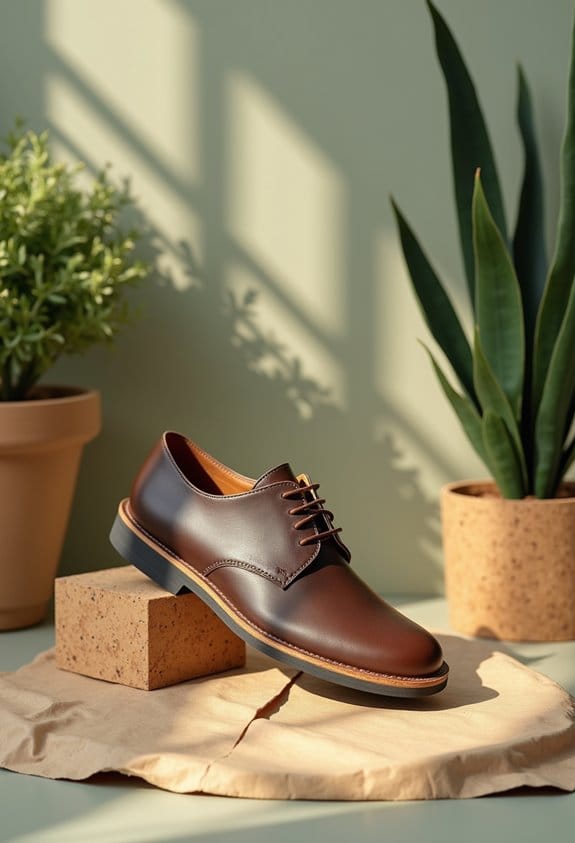
Why Durable Shoes Can Be More Sustainable Than “Green” Materials

Durable shoes often outperform “green” materials when it comes to real sustainability. Why replace shoes every six months if one sturdy pair lasts years? High-quality materials like recycled rubber and organic cotton boost lifespan, cutting waste and carbon emissions by up to 30%. Plus, less frequent shoe shopping means fewer shipping emissions (goodbye, carbon bootprint!). Sure, eco-friendly fabrics sound great—but without durability, they just pile up in landfills. Curious how durability and eco-design join forces?
Key Takeaways
- Durable shoes reduce the need for frequent replacements, significantly lowering overall resource consumption and waste compared to shoes made with green materials alone.
- Extending shoe lifespan decreases carbon footprint and landfill waste by 20-30%, outweighing the environmental benefits of using eco-friendly materials.
- High-quality, rugged designs like advanced traction outsoles enhance shoe longevity, offering more sustainability than trendy but less durable green alternatives.
- Durable shoes support a circular economy by promoting reuse, whereas solely sustainable materials may still contribute to faster disposal and waste.
- Consumer preference for long-lasting footwear drives smarter sustainability by minimizing manufacturing impacts beyond material choice alone.
The Environmental Cost of Frequent Footwear Replacement
You may be interested



Although shoes might seem like humble daily necessities, their environmental impact is anything but small. Frequent replacement of footwear drives significant negative environmental impacts, from increased resource use to soaring carbon emissions during production and shipping. Sustainable footwear aims to counter this by promoting durable products—shoes designed to last longer and, hence, reduce the carbon footprint. But can ethically minded consumers beat the “fast shoe” culture? Absolutely! Investing in durability means fewer pairs end up in landfills, pushing the industry toward ethical practices and responsible consumption. While some “green” materials sound promising, without durability, they simply fuel more waste. So, isn’t choosing tough, long-lasting footwear a step toward a greener future? Yes! It’s a smarter, kinder way to tread lightly on the planet (and one’s conscience). Brands that use water-based adhesives or adopt carbon-neutral processes further help reduce production emissions.
How Durability Reduces Resource Consumption and Waste

Many durable shoes can dramatically cut down on resource use and waste by lasting far longer than their flimsy counterparts. Durable shoes reduce resource consumption by minimizing how often replacements are needed, which lowers demand for new materials and manufacturing processes. Surprisingly, extending a shoe’s lifespan by just nine months can shrink the carbon footprint, water use, and waste by 20-30%, according to the Ellen MacArthur Foundation. While sustainable materials like recycled plastics sound great, they sometimes break down faster, ironically increasing waste unless durability is built in. High-quality footwear embraces longevity, supporting a circular economy focused on reusing rather than discarding products. With stronger manufacturing techniques, these shoes tackle the environmental impact of fast fashion head-on—proving that durability isn’t just practical, but a smart step toward real sustainability! For example, choosing footwear with advanced traction outsoles built for multiple terrains can enhance durability and safety in the long run.
Comparing Material Sustainability Versus Product Longevity

Several factors determine a shoe’s true sustainability, but how much should material choices weigh against the product’s longevity? In the footwear industry, sustainable materials like recycled or eco-friendly compounds often get praised—but what if these shoes don’t last? Durable shoes, crafted for long-lasting footwear, can reduce the environmental impact by cutting waste and lowering the carbon footprint. Think of it this way: a sturdy pair might outlive several “green” pairs made from recycled materials, which wear out quicker and fill landfills faster. Shifting the consumer mindset toward durability encourages smarter sustainability practices, proving that material choice isn’t the whole story. Sometimes, classic, well-made shoes triumph over trendy eco-friendly ones, making product longevity just as essential for true environmental responsibility. Who knew sustainability could be so tough (and smart)? Additionally, incorporating recycled materials in durable shoe construction helps to reduce waste while maintaining longevity.
Key Factors That Influence Shoe Durability

Understanding what makes shoes truly durable starts with the materials they’re made from. High-quality, long-lasting materials like recycled rubber and organic cotton often outperform fragile eco-friendly alternatives, offering both durability and sustainability. Why settle for shoes that wear out quickly? Durable shoes reduce how often replacements are needed, cutting waste and lessening environmental impact. Plus, they usually demand less maintenance (saving time and patience). Responsible consumption isn’t just a buzzword; it’s reflected in brands adopting sustainable production methods, such as eco-friendly adhesives and careful craftsmanship. These choices extend a shoe’s lifespan, proving that sustainability isn’t only about “green” materials but also about building products ready to stand the test of time. Durable shoes: better for feet and the planet—win-win! Additionally, using materials like recycled polyester and foam can provide cushioning and support similar to traditional shoes, enhancing comfort without sacrificing durability.
Balancing Eco-Friendly Materials With Long-Lasting Design

A sturdy pair of shoes does more than just protect feet; it also tells a story about smart sustainability. Balancing eco-friendly materials with long-lasting design isn’t always easy, but durable shoes prove it’s possible. Brands now use recycled textiles and natural rubber—materials used to resist wear and tear—showing a true commitment to sustainability. Long-lasting design means shoes aren’t just thrown away when the going gets tough; instead, repairs and refurbishment keep them going, championing circular fashion. This approach shrinks the environmental footprint by avoiding frequent replacements. So, why settle for shoes that quickly lose their sole (pun intended) when durable options offer a smarter environmental impact? Sustainable practices don’t have to mean short-lived products; in fact, tough and eco-friendly can walk hand in hand. Incorporating features like recycled internal components enhances both durability and eco-consciousness, ensuring shoes last longer while reducing waste.
Consumer Habits and the Impact on Sustainable Footwear Choices
Consumer choices play a powerful role in steering the footwear industry toward sustainability. When shoppers favor durable shoes, they lower the frequency of new purchases—good news for reducing production and its environmental impact. Imagine a shoe lasting 50% longer; fewer replacements mean less landfill waste and significantly reduced carbon emissions—up to 30% less per pair. Consumer habits shifting toward longevity rather than flashy “green” materials reflect a more mindful approach to sustainable footwear choices. Recycling is great, but buying lasting shoes often trumps recycled materials because it cuts down on manufacturing and transport emissions. With roughly 300 million pairs tossed annually in the U.S. alone, choosing durability is a surprisingly simple way to make a big eco-friendly difference. Who knew being tough on shoes could be so soft on the planet? Additionally, features like Adiwear outsoles that resist wear and extend shoe life play a crucial role in enhancing durability and reducing waste.
Frequently Asked Questions
What Is the Difference Between Durable and Sustainable?
Durability focuses on material lifespan and wear resistance, ensuring long-term savings and reduced environmental footprint. Sustainability encompasses eco-friendly choices, resource management, production impact, recycling efficiency, and consumer behavior to minimize overall ecological harm beyond just longevity.
What Is the Most Sustainable Shoe Material?
The most sustainable shoe material combines recycled rubber, organic cotton, and biodegradable materials, emphasizing sustainable sourcing and reduced water usage. Lifecycle analysis and advanced footwear technology minimize carbon footprint, while eco-friendly leather and synthetic fibers balance durability with environmental impact.
What Is the Most Durable Sustainable Fabric?
Hemp fiber is widely recognized as the most durable sustainable fabric, offering strength and longevity. Recycled polyester, Econyl nylon, organic cotton, Tencel Lyocell, bamboo fabric, cork material, organic linen, merino wool, and biodegradable leather also provide durability with eco-friendly benefits.
Can Shoes Be Environmentally Friendly?
Shoes can be environmentally friendly through eco friendly footwear initiatives, sustainable manufacturing, biodegradable shoe options, and vegan shoe alternatives. Ethical sourcing practices, durable design principles, local production benefits, shoe recycling programs, and consumer awareness campaigns reduce carbon footprint impact.