As an Amazon Associate, we earn from qualifying purchases. Some links on this site are affiliate links at no extra cost to you. Our recommendations are based on thorough research and editorial judgment.

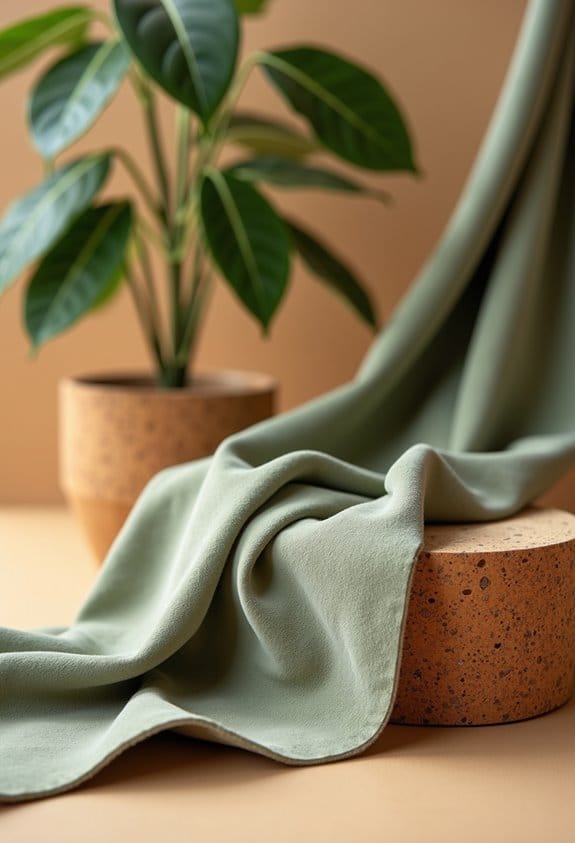
Vegan Suede Explained: What It’s Made From (And How It Feels)

Vegan suede feels just like traditional suede but is made from recycled PET plastic bottles—yes, those water bottles get a chic makeover! This fabric not only reduces plastic waste but also saves 3.8 barrels of oil and cuts CO2 emissions by 180 metric tons per ton produced. Soft, durable, and cruelty-free, it suits everything from jackets to cushions. Curious how this eco-friendly material takes shape and outperforms leather? There’s more to discover beyond the surface!
Key Takeaways
- Vegan suede is made from recycled PET plastic bottles, creating a soft fabric resembling traditional suede without animal products.
- The fabric is produced by cleaning, crushing, spinning plastic chips into yarn, and weaving it into suede-like material.
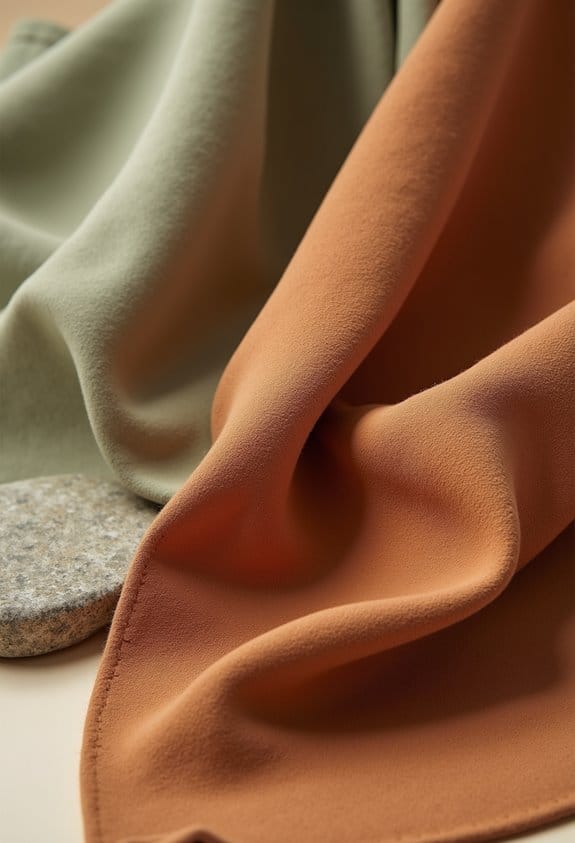
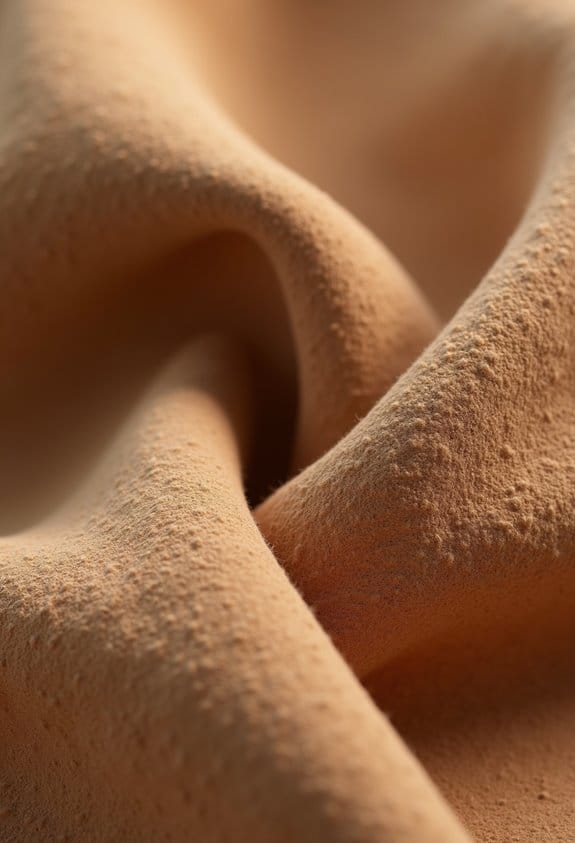
- It has a texture similar to classical suede, with smooth, soft, and luxurious feel like Ultrasuede or microsuede.
- Vegan suede is water-resistant, durable, and easier to care for than traditional suede, often machine washable or cleanable with a damp cloth.
- Its cruelty-free origin and eco-friendly production offer a sustainable alternative to animal leather with a comparable tactile experience.
What Is Vegan Suede?
You may be interested



Vegan suede might sound like a paradox—how can suede, known for its animal origins, be vegan? In reality, vegan suede is a synthetic fabric made mostly from recycled PET plastic bottles. These bottles are sorted, cleaned, and spun into soft yarn threads, creating a material that mimics traditional suede’s texture without using any animal ingredients. This clever alternative addresses ethical issues tied to animal cruelty and environmental harm inherent in real suede production. Unlike real suede, vegan suede proudly avoids animal products, aligning well with cruelty-free lifestyles. It’s also eco-friendly: recycled plastics reduce waste, lower CO2 emissions, and use less energy compared to new plastics. So, could vegan suede be the guilt-free suede substitute everyone’s been waiting for? It certainly feels like it! Additionally, emerging options like apple leather provide even more sustainable and biodegradable alternatives to traditional animal leather.
How Vegan Suede Is Made

Crafting suede without a single animal in sight might sound like magic, but it’s actually smart chemistry and recycling know-how in action. Vegan suede starts as recycled PET plastic bottles, carefully sorted, sterilized, and crushed into tiny chips. These chips are heated and spun into yarn, then woven into soft fabric that mimics traditional suede’s coveted look and feel. This faux suede isn’t just about style—it features a slightly grippy texture perfect for activities like yoga or exercising. Even the inks used for printing are water-based and free from nasty oils, keeping things eco-friendly. Plus, the entire process uses less energy than making leather. So, vegan suede combines sustainability with that plush suede vibe—pretty neat, right? Unlike cactus leather, which uses natural plant pads, vegan suede is a fully synthetic option derived from recycled materials, highlighting diverse sustainable material choices in eco-friendly fashion.
Benefits of Using Recycled Plastic Bottles
Millions of plastic bottles tossed every day don’t just disappear—they pile up in landfills and oceans, creating a serious mess. Using recycled plastic bottles to make vegan suede offers clear benefits. This clever process transforms sorted, sterilized bottles into soft fabric, conserving resources by saving 3.8 barrels of oil per ton recycled—no small feat! Plus, it slashes CO2 emissions by 180 metric tons per ton of plastic recycled. Even better, producing vegan suede needs eight times less energy than creating new plastic fibers. Not only does this cushion the planet, but it also lowers demand for virgin plastics. Who knew turning trash into trendy suede could be so smart? Comments must be approved, but one thing’s certain—recycled plastic bottles give vegan suede a win-win edge. Many innovative products, like ocean plastic sneakers, demonstrate how recycled materials can reduce marine pollution while offering durable, eco-conscious alternatives.
Environmental Advantages of Vegan Suede
Turning discarded plastic into a stylish alternative isn’t just clever—it’s downright green! Vegan suede’s creation from recycled PET bottles considerably trims plastic waste, nudging sustainable fashion forward. Imagine saving eight times the energy compared to traditional leather production, which heavily leans on intensive animal agriculture. That’s not just smart; it’s ethical production in action. Even better, recycling PET cuts a hefty 180 metric tons of CO2 emissions per ton, dialing down the climate impact. Water-based inks further boost eco-friendliness by avoiding toxic oils while delivering crisp prints. Choosing vegan suede means consumers embrace a planet-friendly option—who knew cutting ties with animal leather could benefit the environment so greatly? It’s a winsome mix of style and conscience, all while giving Mother Earth a much-needed breather. Incorporating recycled materials like those used in eco-friendly athletic shoes further demonstrates the fashion industry’s commitment to sustainability.
Comparing Vegan Suede and Real Suede

When weighing vegan suede against real suede, the differences go beyond just their origins—one comes from recycled PET plastic bottles turned into soft yarn threads, while the other hails from the underside of animal hides. Vegan suede durability shines in practical use, resisting spills and wear better than delicate real suede. Real suede pricing often surprises shoppers with its high cost, partly due to intensive care requirements to keep it stain-free. Texture comparison reveals both materials share a velvety feel, yet vegan suede delivers a more consistent finish, free from the natural imperfections real suede proudly flaunts. So, is vegan suede a smarter choice? For those seeking style with easier upkeep and ethical peace of mind, it certainly offers an appealing alternative without sacrificing softness or sophistication. Additionally, many vegan suede products incorporate eco-friendly materials that promote sustainability while maintaining high performance.
Common Uses for Vegan Suede
Vegan suede’s blend of style and practicality makes it a favorite choice across various industries. Embracing current fashion trends, it appears in jackets, skirts, shoes, and accessories like handbags, hats, and belts—perfect for those seeking chic, animal-friendly options. Interior design also benefits from vegan suede; its durability and easy cleaning make it ideal for cushions and upholstery, effortlessly combining comfort and longevity. Plus, crafting projects love vegan suede due to how easily it cuts and sews, sparking creative possibilities without the guilt. Don’t forget its water-resistant charm—perfect for outdoor gear or busy environments where traditional suede might sulk (or worse, stain). So, whether in trendy wear, stylish homes, or DIY masterpieces, vegan suede proves itself a versatile, practical choice worth considering! Additionally, many products made from vegan suede incorporate water-resistant materials to enhance durability and protect against moisture, ensuring long-lasting use in different conditions.
Sustainability in Vegan Suede Production
Although it might sound surprising, some of today’s stylish vegan suede actually begins its life as recycled plastic bottles. By transforming sorted, cleaned PET bottles into yarn threads, producers use sustainable materials that help shrink plastic waste piles. This clever process not only saves about 3.8 barrels of oil per ton but also cuts roughly 180 metric tons of CO2 emissions—talk about eco friendly practices making a real difference! Plus, printing with water-based inks guarantees no nasty oils sneak into the atmosphere. This approach supports a circular economy, where materials get a second chance instead of ending up in landfills or oceans. Isn’t it great when fashion meets responsibility so smoothly? Vegan suede stands as a thoughtful, energy-efficient alternative to traditional fabrics, blending style with sustainability effortlessly. Many brands also focus on breathability and ventilation to ensure these materials contribute to comfortable, healthy footwear.
Caring for Vegan Suede Products
Caring for vegan suede products blends simplicity with sustainability, making maintenance less of a chore and more of a savvy choice. Light stains usually respond well to stain removal techniques like gently wiping with a damp cloth—no magic potions needed! Since many vegan suedes are crafted from recycled PET plastic, fabric care is straightforward, with some items even machine washable (but always check those labels first!). Regular maintenance isn’t just about looks; it’s a key longevity tip that helps this durable fabric stay soft and gripping over time, perfect for everyday wear. So, why fuss when caring for vegan suede is easier—and greener—than traditional methods? It’s like giving your outfit a spa day while helping the planet at the same time! Incorporating materials with durable stitching and rubber outsoles can further enhance the lifespan and functionality of vegan suede footwear.
Innovations in Vegan Suede Fabric
When considering alternatives to animal suede, the latest innovations truly shine by transforming recycled PET plastic bottles into luxurious, soft fabrics. These fabric innovations involve sorting, sterilizing, and processing plastic into yarn, then weaving it to create materials like Ultrasuede and microsuede that feel remarkably similar to traditional suede. Texture advancements are achieved by heating plastic chips, producing a plush yet grippy surface perfect for various uses—who knew yoga mats could inspire fashion? Meanwhile, eco-friendly dyeing techniques utilize water-based inks, avoiding harmful oils and reducing pollution. With sustainability driving demand, these developments not only offer cruelty-free options but also emphasize durability and style. Isn’t it fascinating how science crafts softness from recycled bottles, giving fashion a greener future without compromising feel or flair? These innovations align closely with the growing trend of using biodegradable materials that break down safely and support environmental sustainability.
Why Choose Vegan Suede Over Traditional Leather
Why opt for vegan suede rather than traditional leather? For starters, it’s a champion in ethical fashion choices, offering cruelty free alternatives that spare animals from the hide-and-seek games of leather production. Vegan suede often uses recycled PET plastic bottles, tackling plastic waste instead of animal suffering—now that’s a win-win! It requires eight times less energy than leather’s new production, aligning perfectly with sustainable material trends. Plus, many versions employ water-based inks, cutting down on environmental pollution compared to traditional tanning. The best part? Its soft, grippy texture doesn’t skimp on quality or style, proving you don’t have to compromise aesthetics for ethics. So, why not choose vegan suede—a smart, kinder fabric that fits today’s eco-friendly wardrobe like a glove (or should we say, a shoe)? Additionally, many brands pair vegan suede with eco-friendly materials to enhance sustainability in footwear production.
Frequently Asked Questions
What Does Vegan Suede Feel Like?
Vegan suede feels like a whisper of silk embraced by resilient earth, offering a smooth texture comparison to traditional suede. Its durability assessment reveals enduring strength, while comfort evaluation highlights softness and grippiness, ensuring a sustainably luxurious tactile experience.
What Is Vegan Suede Made Of?
Vegan suede is made from sustainable materials, primarily recycled PET plastic bottles. Its production processes involve sterilizing and transforming plastic into yarn threads, appealing to consumer preference for ethical, eco-friendly, and cruelty-free alternatives to traditional fabrics.
What Is the Downside of Vegan Leather?
The downside of vegan leather includes sustainability concerns due to petroleum-based materials, environmental pollution from toxic manufacturing, durability issues leading to shorter lifespan, and temperature sensitivity causing deformation or damage under heat or cold conditions.
What Are the Disadvantages of Faux Suede?
Faux suede’s durability concerns are monumental, as it often pills and mats. Its environmental impact is significant due to synthetic fibers, while care instructions are complex and less forgiving than natural suede, demanding specialized maintenance for longevity.