As an Amazon Associate, we earn from qualifying purchases. Some links on this site are affiliate links at no extra cost to you. Our recommendations are based on thorough research and editorial judgment.

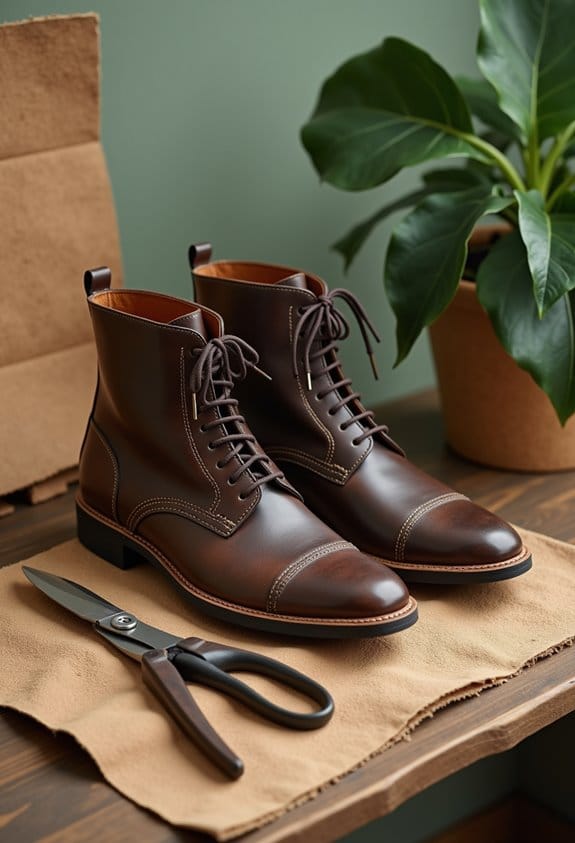
When to Resole Vs Replace: a Sustainability-First Mindset

Deciding to resole or replace shoes? If soles show cracks or lose support, resoling often saves 50-70% and extends life by months—a win against 300 million landfill-bound pairs yearly! But when structural damage or pricey repairs loom, replacement might be wiser. Plus, swapping worn styles for modern, eco-friendly materials cuts waste and carbon footprints. DIY resoling even makes saving your kicks easier (and cheaper). Curious about shoe savior strategies? There’s more to explore here.
Key Takeaways
- Resole shoes when sole damage is repairable and structural support remains intact for extended wear and landfill waste reduction.
- Replace shoes if damage is severe, repair costs approach new shoe prices, or structural integrity is compromised for safety.
- Opt for resoling to extend shoe lifespan by 6-12 months, saving energy, resources, and money compared to new purchases.
- Prioritize replacement when older shoes lack modern sustainable materials or comfort features to improve environmental impact.
- Use DIY resoling kits and tutorials to repair soles affordably while supporting sustainability and reducing footwear waste.
The Environmental Impact of Shoe Disposal
You may be interested



Although shoes might seem like small everyday items, their impact on the environment is anything but small. Every year, about 300 million pairs of shoes end up in U.S. landfills, creating massive waste and pollution headaches. With 85% of footwear discarded, these shoes often contain plastics and rubber—materials that stubbornly refuse to decompose anytime soon. Making new products demands energy and resources, driving up the carbon footprint with each pair crafted. Luckily, embracing a repair culture offers a smarter solution to reduce waste. By choosing to resole instead of replace, consumers extend footwear life, cutting down landfill volume and the need for fresh manufacturing. Could this be the step toward a greener, less shoe-hungry future? It’s certainly worth putting one foot forward. Choosing biodegradable sneakers made from biodegradable materials can further reduce long-term environmental impact by ensuring shoes break down more efficiently.
Assessing Sole Damage and Repairability
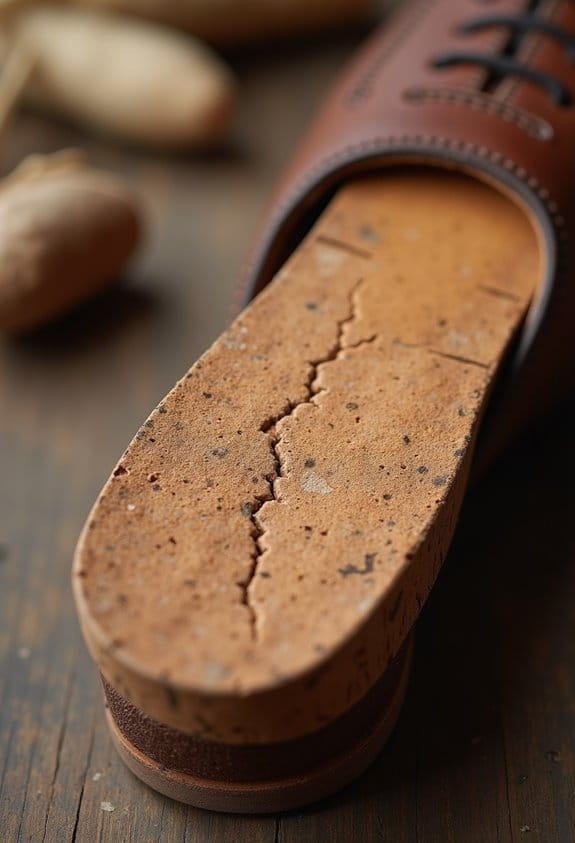
Sole damage isn’t always obvious at first glance—sometimes it’s more like a sneaky villain hiding in plain sight. Evaluating sole damage involves more than spotting holes or thinning rubber; it means checking whether the sole still supports the foot properly or if cracks threaten safety. Repairability matters because many quality shoes are designed for shoe resoling, which prolongs service life and reduces waste. Isn’t it wiser to fix than toss? Shoe resoling also supports environmental sustainability by diverting footwear from landfills, where shoes can linger decades. Plus, repairing costs 50% to 70% less than buying new. So, when damage compromises function but the structure holds, resoling is a smart, eco-friendly choice that balances durability with planet care—proof that evaluating sole damage can be a small act with big impact. Choosing shoes made with durable materials specifically designed for longevity further enhances the benefits of repair over replacement.
Benefits of Resoling for Longevity and Sustainability

While many might rush to buy new shoes at the first sign of wear, resoling offers a smart alternative that adds serious value. Resoling markedly extends shoe lifespan—often by 6 to 12 months—helping minimize waste and tackling the global waste problem one sole at a time. The environmental benefits extend beyond reduced landfill; this process uses fewer resources and energy than manufacturing new footwear, cutting down carbon emissions. Economically, resoling saves 50-75% compared to new shoes and supports local cobblers, boosting community economic growth. Isn’t it invigorating to think that fixing shoes can promote sustainability and smart spending? Through resoling, consumers conserve materials, reduce demand for new products, and encourage a culture that values repair over disposal—a simple step with impactful benefits. Additionally, choosing footwear made from durable hemp fibers can further enhance the longevity of your shoes, reducing the frequency of resoling or replacement.
When Replacement Is Necessary: Key Considerations

How does one decide when a trusty pair of shoes has truly reached its final step? When significant structural damage affects function—think worn-out soles or broken support systems—replacement parts and repairs might no longer cut it. If reparations edge too close to the cost of a new pair, especially after the shoe’s expected service life, buying new is often smarter. Outdated materials lacking today’s cushioning or breathability can also justify replacement, ensuring foot comfort doesn’t take a nosedive. Plus, if cracks or tears burst in multiple areas, the shoe’s charm and function fade fast. Curiously, swapping to shoes made with advanced sustainable materials can minimize waste and reduce environmental impacts, pointing toward greener choices. Sometimes, stepping forward means saying goodbye to worn-out footwear! Additionally, choosing boots crafted from cruelty-free materials enhances durability and aligns with ethical values.
DIY Resoling Tips and Techniques

Many shoe owners discover that resoling at home is not only doable but also surprisingly rewarding. DIY resoling kits, usually containing rubber soles, adhesive, and simple tools, empower anyone to breathe new life into an old item without much fuss. Not only does this approach considerably reduce waste, but it can also cut shoe replacement costs by up to 75%. Wondering how to manage your preferences when selecting soles? Online tutorials break down the process step-by-step, making resoling shoes accessible—even for beginners. Taking the time to replace worn soles can reduce the need to discard favorite pairs prematurely, preserving comfort and fit. So why toss when you can stick (literally) and save? DIY resoling might just become your new favorite sustainability hack! Additionally, choosing shoes made from durable, sustainable materials enhances the longevity benefits of resoling and supports circular economy principles.
How Resoling Fits Into a Circular Consumption Model
Because every pair of shoes has a story, resoling offers a clever way to extend its life instead of tossing it out after a few worn-out steps. This approach fits perfectly into a circular consumption model, where sustainability and waste reduction take center stage. Instead of demanding new materials—which means more environmental impact from production and shipping—resoling reuses existing components, cutting down landfill waste while keeping footwear functional. Plus, it supports local craftsmanship, preserving skills (and maybe even some shoe cobblers’ ancient secrets) that thrive alongside eco-friendly values. Consumers save money and help shift society toward valuing quality over quantity. So, why just replace when you can resole smartly? It’s a small step with a big footprint in the right direction! Additionally, choosing boots with durable welt construction facilitates easy resoling, making it an even more sustainable choice.
Frequently Asked Questions
How Do Different Sole Materials Affect the Resoling Process?
Different sole materials affect resoling by their attributes: rubber durability and Vibram traction resist wear, leather flexibility allows easier replacement, synthetic longevity extends lifespan, EVA comfort complicates layering, and cork breathability influences adhesive bonding during resoling.
Can Resoling Improve Shoe Comfort and Performance?
As rain coincides with a slippery path, resoling offers comfort enhancement and a performance boost through cushioning materials and arch support. This fit adjustment promotes foot health, effectively balancing renewed agility with enduring stability and protection.
What Tools Are Needed for Professional-Level Resoling?
Professional-level resoling requires resoling techniques, necessary equipment like stitching machines and pressure molds, various adhesive types tailored to shoe types, and knowledge of resoling cost. While DIY resoling exists, expert tools guarantee durability and precision.
How Often Should Shoes Be Inspected for Resoling Needs?
Shoe inspection should occur as often as the tide meets the shore—regularly. Monitoring visible wear, sole condition, and heel damage throughout the shoe lifecycle guarantees ideal inspection frequency, extending shoe longevity and preventing unexpected footfall failures.
Are There Specific Brands Known for Easier Resoling?
Certain brands are noted for easier resoling due to robust shoe construction, material compatibility, and brand reliability. Consumer reviews often highlight resole durability and reasonable resole costs, making these brands preferred choices for sustainability-conscious buyers.