As an Amazon Associate, we earn from qualifying purchases. Some links on this site are affiliate links at no extra cost to you. Our recommendations are based on thorough research and editorial judgment.


Upcycled Footwear Explained: Simple Examples That Clarify It

Upcycled footwear turns everyday waste—like old tires, worn fabrics, and tossed plastic bottles—into cool, wearable shoes that save roughly seven pounds of trash per pair. Brands use quirky materials such as grape waste and wind turbine blades—yes, actual turbine parts!—to create unique designs while keeping over 300 million pairs from landfill each year. It’s fashion with a conscience, challenging fast fashion’s throwaway culture. Curious about the clever ways this trend benefits people and planet? You’re about to find out.
Key Takeaways
- Upcycled footwear transforms old shoes and fabric into new, wearable designs without dismantling the original materials.
- Common examples include sneakers made from recycled plastic bottles and shoes repurposed from worn-out bus seat covers.
- Brands like TOKYO KIMONO SHOES use unused kimono fabric to craft unique, sustainable footwear.
- Upcycled shoes reduce landfill waste by reusing materials like rubber from car tires and textile scraps.
- This process supports environmental sustainability by lowering resource use and promoting a circular economy in fashion.
Understanding Upcycled Footwear
You may be interested


Although traditional footwear often ends up in landfills, upcycled footwear offers a revitalizing alternative that turns trash into fashion treasures. This approach uses repurposed materials—discarded shoes or fabric—to create unique designs without dismantling the original items, showcasing creative upcycling at its finest. Not only does this reduce waste, but it also lessens the environmental impact typically linked to shoe production. Have you ever wondered how old soles can find new life? Brands and small businesses embracing sustainable practices make this possible, contributing to a circular economy where materials keep cycling rather than piling up. Each pair tells a story of transformation, blending artistry with eco-consciousness. Isn’t it fantastic that waste reduction can also mean one-of-a-kind footwear? Additionally, many upcycled shoes use recycled plastic bottles as a core material, reducing landfill waste and ocean pollutants.
Popular Materials Used in Upcycled Shoes

Upcycled footwear shines by turning all kinds of discarded treasures into stylish, wearable art. Upcycled shoes often employ discarded materials like old textiles, textile waste, and rubber from car tires, giving these forgotten goods a second life. Ever thought a worn-out bus seat cover could become fashionable footwear? Creative ideas like these tackle environmental issues by reducing waste and conserving resources. Recycled materials such as plastic bottles transformed into sneakers highlight the fusion of function and eco-consciousness. From vintage kimono fabric to industrial scraps and denim pieces, these ingredients make sustainable footwear both unique and responsible. Isn’t it amazing how turning trash into treasure not only protects the planet but also showcases incredible craftsmanship? Upcycled shoes prove that sustainability can be stylish and smart at the same time! Some brands even incorporate recycled ocean plastic to reduce marine pollution while creating durable, eco-friendly sneakers.
Notable Brands and Their Upcycled Creations
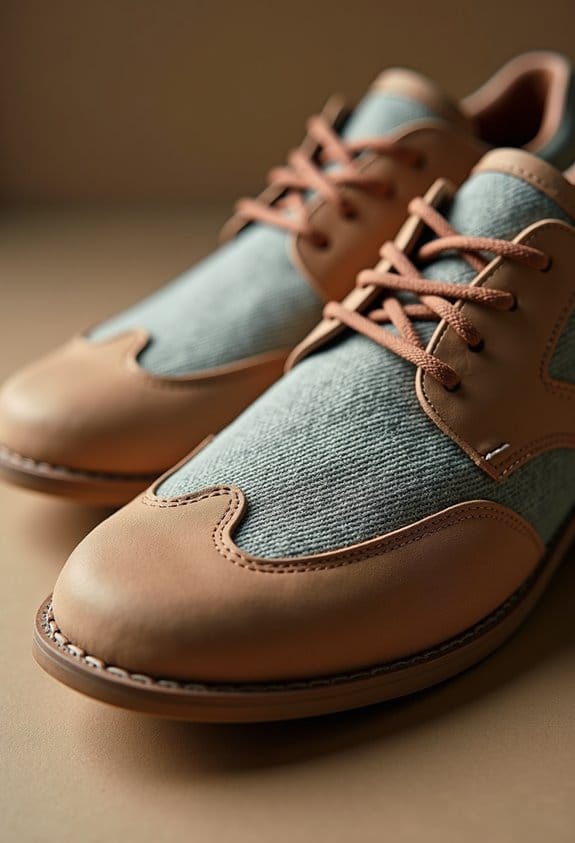
When innovation meets sustainability, some footwear brands create truly remarkable upcycled designs. Helen Kirkum Studio transforms discarded shoes into new sneaker patterns, blending creativity with upcycling brilliance. PANGAIA’s grape sneakers repurpose wine industry waste into sustainable alternatives to traditional leather—talk about recycling with taste! ACCIONA ENERGÍA x EL GANSO produces sneakers from wind turbine blades, saving over 5,000 tonnes of CO2, showcasing innovation in environmental impact. TOKYO KIMONO SHOES craft unique footwear from unused kimono fabric, preserving cultural heritage in a sustainable way. Finally, NAT-2 FOOTWEAR uses upcycled aluminum foil and bubble wrap, proving that unconventional materials can create fresh, eco-friendly footwear. These brands highlight how new materials and smart environmental choices redefine shoe fashion through upcycling. Who knew saving the planet could look this cool? Additionally, innovative options like apple leather shoes are emerging, crafted from leftover apple peels and cores for a sustainable and biodegradable leather alternative.
Environmental Advantages of Upcycling Footwear

Because footwear contributes a large share of textile waste, rethinking shoe production can truly benefit the environment. Upcycled shoes give discarded materials new life, diverting over 300 million pairs from filling landfills each year—talk about a landfill diet! Each pair can save around seven pounds of waste, showing how simple changes in production processes reduce environmental harm. By favoring upcycled and recycled components, companies cut down on resource use and energy consumption, lowering the carbon footprint tied to making new shoes. This approach challenges the wasteful habits of fast fashion, promoting sustainable practices instead. So, choosing upcycled footwear isn’t just trendy; it’s a smart way to fight pollution while enjoying unique, eco-friendly kicks—good for the planet and your conscience! Moreover, selecting shoes made from durable materials helps to extend their lifespan, further decreasing environmental impact through reduced need for replacements.
How Upcycled Footwear Supports Communities
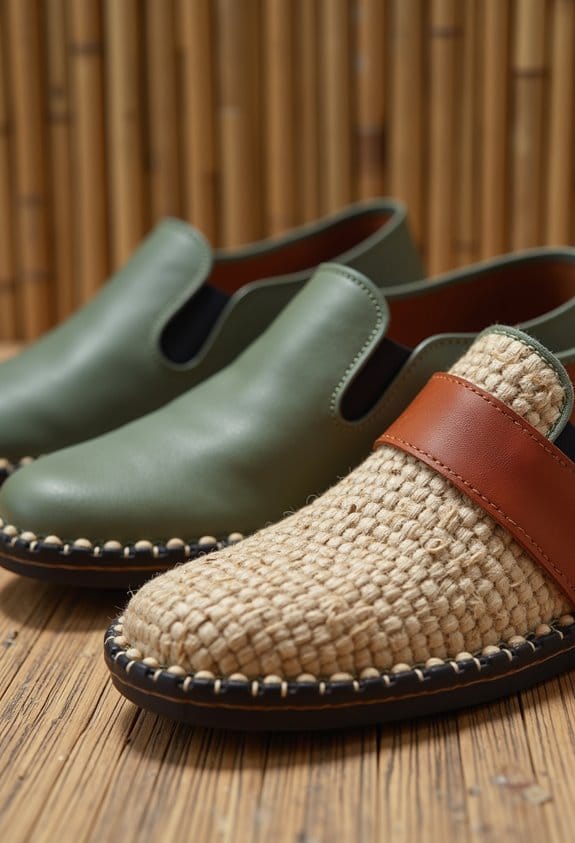
Countless communities around the world benefit from initiatives that transform discarded shoes into valuable assets, turning waste into opportunity. Upcycling shoes, including old shoes and used shoes, creates limited edition and vegan shoes, supporting local economies and poverty alleviation simultaneously. Programs like Soles4Souls have provided millions with essential footwear, boosting employment and education in places such as Haiti and Honduras. But it’s not just about shoes made—it’s about community engagement raising environmental awareness and encouraging sustainable practices. Turning old shoes into new products reduces landfill waste and also empowers local entrepreneurs with new business opportunities. Who would’ve thought that saving the planet could start by saving a pair of sneakers? Upcycled footwear truly steps up for both people and the planet. Additionally, the rise of vegan climbing shoes shows how sustainable materials can meet high-performance needs while enhancing comfort and breathability.
Frequently Asked Questions
What Are Upcycling Shoes?
Upcycling shoes are a mosaic of sustainable design and creative reuse, transforming waste into eco friendly materials that fuel fashion innovation. They embody artisanal craftsmanship and unique aesthetics, advancing a circular economy through brand collaborations and boosting consumer awareness and waste reduction.
What Are Some Successful Examples of Upcycling?
Successful examples include brands using sustainable materials like discarded shoes and local craftsmanship, embracing creative design and recycled textiles. These brand initiatives reduce environmental impact, align with consumer trends, showcase artistic expression, promote waste reduction, and engage in fashion collaborations.
How to Upcycle a Shoe?
Upcycling a shoe involves using various shoe materials and creative techniques in DIY projects, guided by tutorial resources or community workshops. These crafting methods promote personal expression, align with fashion trends, offer sustainability benefits, and incorporate eco-friendly tips for lasting impact.
What Is an Example of Upcycling Fashion?
An example of upcycling fashion includes transforming denim jackets and vintage clothing into unique designs or T-shirt quilts, combining sustainable fabrics and recycled accessories through creative reusing and DIY projects, often promoted by eco-friendly brands using waste materials.