As an Amazon Associate, we earn from qualifying purchases. Some links on this site are affiliate links at no extra cost to you. Our recommendations are based on thorough research and editorial judgment.

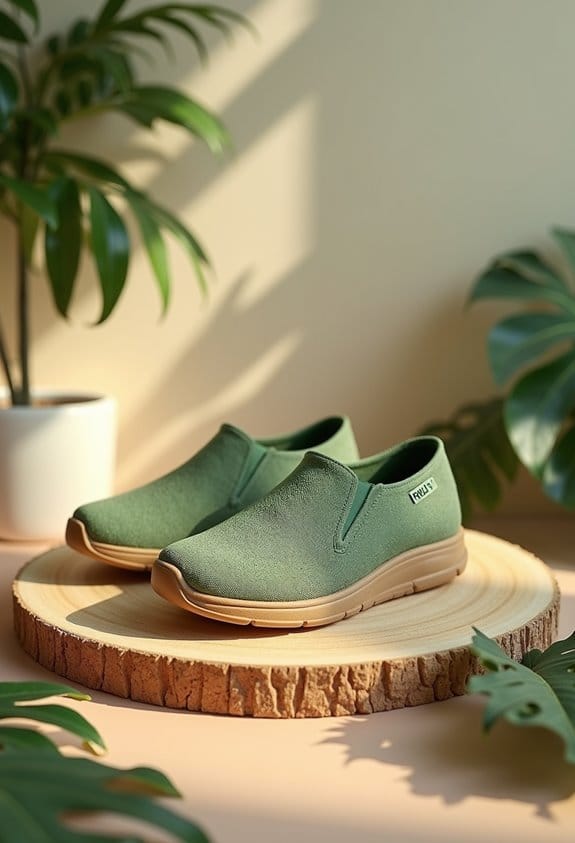
Recycled PET (rPET) in Shoes: From Bottles to Uppers

Recycled PET (rPET) in shoes cleverly turns old plastic bottles into durable, eco-friendly uppers, usually using 1.5 to 9 bottles per pair—talk about stepping lightly on the planet! This process cuts carbon emissions and reduces landfill waste, producing soft, breathable fabrics from melted pellets spun into fibers. Brands like VEERAH lead with stylish collections saving multiple bottles per shoe. Curious how these recycled treasures become your next favorite kicks? There’s plenty more to uncover about this green innovation.
Key Takeaways
- rPET is made by collecting, cleaning, and shredding PET bottles into pellets, then melting and spinning them into fibers for shoe uppers.
- Each pair of rPET shoes saves 1.5 to 9 plastic bottles from landfills and oceans, reducing plastic pollution.
- Uppers of rPET footwear are constructed from recycled PET fibers, with linings and laces also made from 100% post-consumer recycled materials.
- The rPET fabric production lowers carbon emissions and energy use, supporting sustainable and circular fashion practices.
- Brands like VEERAH use rPET in stylish shoes, integrating recycled ocean plastics and eco-friendly packaging to minimize environmental impact.
What Is Recycled PET (Rpet)?
You may be interested



Recycled PET (rPET) is a clever solution turning old plastic bottles into something new and useful, like shoe materials anyone can appreciate. But what exactly is recycled PET? It starts with collecting plastic bottles, mainly PET bottles, that have already served their purpose. These bottles are thoroughly cleaned and power-washed to remove any residue (not the fun kind of washing but necessary!). Then, they’re shredded into small pellets before being melted and spun into fibers suitable for textile production. This process transforms waste plastic bottles into sustainable materials that shoe makers love using. Surprisingly, one pair of shoes can contain fibers from 1.5 up to 9 plastic bottles, combining creativity with environmental responsibility. Who knew shoe fashion could be this smart? The use of recycled PET in footwear significantly helps in reducing landfill waste and ocean pollution, making it a key material in eco-conscious shoe designs.
The Environmental Benefits of Using Rpet in Footwear

Although plastic waste often ends up cluttering landfills and oceans, turning those discarded bottles into shoe materials offers a smart environmental win. Each pair of shoes uses recycled PET, or rPET material, sourced from 1.5 to 9 plastic bottles. This clever reuse not only cuts down on landfill clutter but also lowers carbon emissions, since making rPET releases far less CO2 than producing brand-new plastic. Isn’t that a win-win? Plus, by relying on rPET material, shoe manufacturers support a circular economy—keeping materials in use instead of tossing them after one round. Beyond eco-friendliness, rPET shoes are soft and durable, proving sustainability and comfort can go hand in hand. So, every step in those shoes is a small yet meaningful push against the tide of plastic pollution. Clever, right? Many leading brands ensure their recycled shoes contain at least 20% recycled materials to balance environmental benefits with performance and durability.
The Process of Transforming Plastic Bottles Into Rpet Fabric
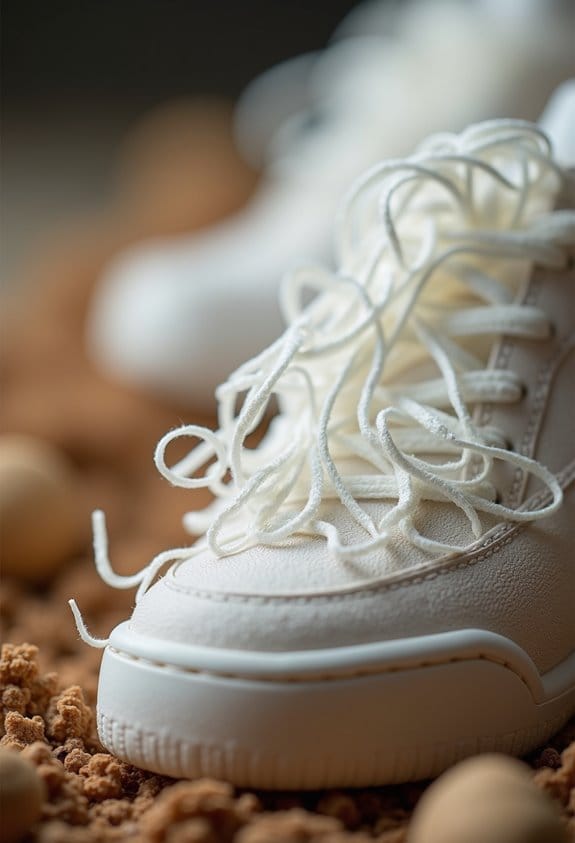
Turning old plastic bottles into soft, durable fabric may sound like modern magic, but it’s really a clever, step-by-step process grounded in recycling science. First, discarded PET bottles are collected and power-washed to scrub away dirt (because who wants socks smelling like a landfill?). Next, these clean bottles are shredded into small pellets. These pellets then melt down and are spun into fine fibers of recycled polyethylene terephthalate (rPET). These fibers become the fabric used in shoe uppers and more, blending sustainability with style. Depending on design, one pair of shoes can save 1.5 to 9 PET bottles from ending up as waste. This process not only tackles plastic pollution but does so while cutting energy use and carbon emissions—a win for shoes and the planet! Brands employing this method also often incorporate eco-conscious design to enhance sustainability and style.
Materials That Matter: Components Made From Rpet
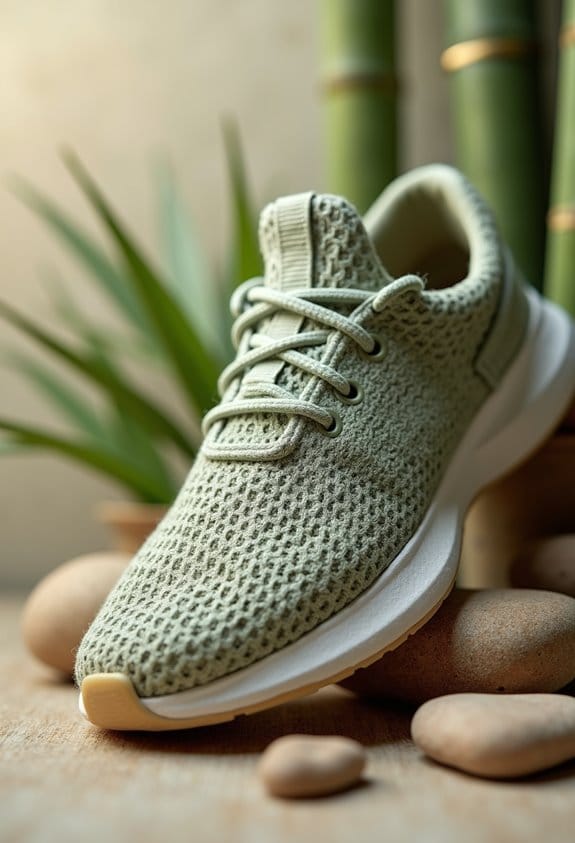
When it comes to making shoes eco-friendly without sacrificing style, the materials chosen speak volumes. For example, uppers are made using recycled PET (rPET) derived from about 1.5 plastic bottles per pair—talk about a wardrobe upgrade that tackles pollution! The linings also get a green makeover, crafted from 100% post-consumer recycled materials. This means every shoe is a small victory against landfills and ocean waste. The process transforms discarded bottles into durable fibers suitable for footwear, reducing the need for new plastics. Footwear manufacturers embracing rPET are advancing a circular economy, turning old plastics into fresh fashion statements. So, who thought shoes could be both stylish and eco-warriors? It’s a clever swap from trash to trend, proving sustainability can walk hand-in-hand with design. Many designs also integrate recycled ocean plastics, helping to reduce landfill waste by approximately 30% and promote environmental sustainability.
Knit and Berber Uppers: Softness Meets Sustainability
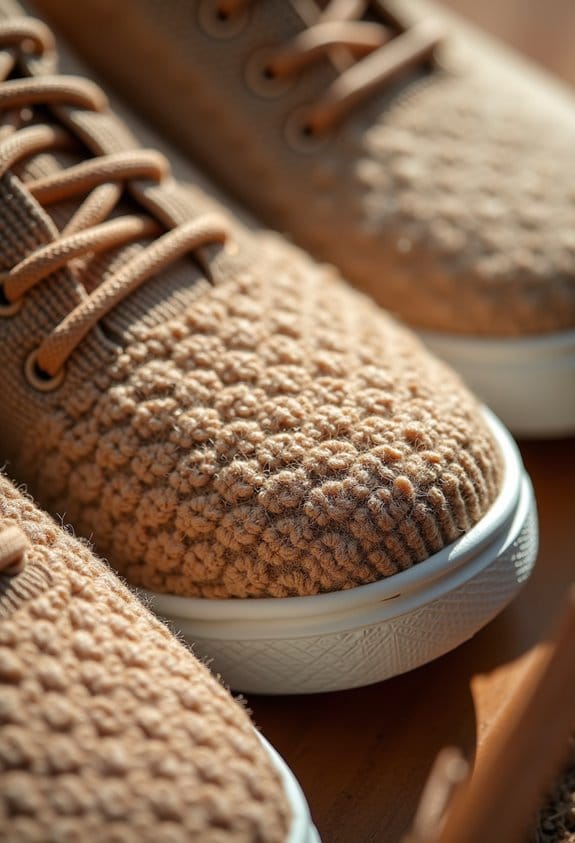
Because comfort and sustainability can go hand in hand (or foot in shoe), knit and Berber uppers offer a fresh way to think about footwear. Knit shoes use rPET from about 1.5 plastic bottles per pair, while Berber styles incorporate rPET from one bottle, marrying eco-friendly practices with style versatility. These uppers deliver softness and impressive comfort factors, making every step enjoyable without sacrificing the planet. As fashion trends increasingly favor sustainable choices, these materials help reduce plastic waste and support a circular economy. Who knew that recycled bottles could become cozy, stylish shoe tops? Brands focusing on these uppers not only contribute to less landfill waste but also prove that sustainability doesn’t mean compromising on comfort or trend appeal. It’s a win-win for feet and Earth! Additionally, the use of recycled plastics in uppers significantly reduces environmental impact while maintaining durability and performance.
Innovations in Footbeds and Laces Using Recycled Materials
Although often overlooked, footbeds and laces play a surprisingly important role in sustainable shoe design. Footbed innovations now include using 30% eco-friendly materials, which boost comfort and shock absorption—making every step feel greener. Plus, many shoes feature removable footbeds, a clever way to keep footwear fresh and extend its lifespan. Laces crafted from 100% recycled plastic offer impressive lace durability, reducing waste without compromising performance—who knew shoelaces could be superheroes? Incorporating recycled polyester in footbeds helps divert plastic bottles from landfills, supporting strong sustainability metrics that appeal to eco-conscious consumers. Together, these advancements prove that sustainability isn’t just about looks—it’s woven into every detail, from uppers down to laces and footbeds. Now that’s walking the talk! Additionally, the integration of Flywire cables for foot stability enhances both support and sustainable design in modern athletic shoes.
Sugarcane EVA Midsoles: Combining Plant-Based and Recycled Materials
While many footwear features have embraced recycled materials, midsoles are now stepping up with innovative plant-based solutions like sugarcane EVA. This material blends sugarcane resin with EVA, a flexible foam, offering striking sugarcane sustainability benefits. Not only does it absorb carbon during growth—helping reduce greenhouse gases—but it also outperforms traditional petroleum-based midsoles with superior shock absorption and lightweight comfort. Who knew your shoes could fight climate change and keep your feet happy at the same time? The performance enhancing properties of sugarcane EVA improve durability, flexibility, and overall shoe cushioning, making it a star in eco friendly production. By combining recycled content with crop-based materials, brands show serious dedication to sustainable innovation that’s both practical and planet-friendly. Is this the future of midsoles? It sure steps in the right direction. Additionally, midsoles with bio-based content have been shown to provide excellent cushioning while supporting reduced carbon footprints, aligning with the industry’s move towards more sustainable manufacturing practices.
Leather Alternatives and No-Metal Designs for Eco-Friendly Shoes
Many eco-conscious shoe brands are rethinking traditional leather by introducing promising alternatives like apple leather, crafted from repurposed apple peels—a fruity twist that’s as kind to the planet as it is stylish. These vegan footwear innovations extend beyond fruit-based materials to chromium-free leather and genuine suede alternatives made with sustainable sourcing practices. But what about those pesky metal parts? No-metal designs are gaining traction, eliminating environmental harm often linked to metal production while keeping shoes durable and comfortable. These eco-friendly material trends not only reduce chemical use but also offer breathable, flexible uppers that meet modern style and comfort demands. Isn’t it great when sustainability and fashion walk hand in hand—minus the metals (and the cringe-worthy carbon footprint)? Apple leather’s production process, involving transforming apple waste into thin leather-like sheets, highlights its impressive sustainability and biodegradability.
Case Study: Veerah’s Use of Rpet in Sustainable Collections
Stepping beyond leather alternatives and metal-free styles, Veerah brings recycled PET (rPET) to the forefront of sustainable shoe design. This case study analysis highlights how Veerah’s Signature Orchid saves four plastic bottles per pair, while their Venus collection ups the count to nine—a clever way to turn waste into wearable art. The rPET fibers come from power-washed, pelletized bottles transformed into soft, durable uppers. Such innovation fits squarely within sustainable fashion’s hottest rPET trends, demonstrating practical steps against plastic pollution. Could saving bottles be the new saving grace for eco-conscious shoppers? Veerah’s commitment not only reduces landfill waste but also pushes the circular economy forward, balancing style and responsibility. It’s a smart move in a world where every recycled bottle counts (and a good excuse to wear your eco-pride on your feet).
Industry Leaders Advancing Rpet Applications in Footwear
Innovation is shaping the future of sustainable footwear, with industry leaders like VEERAH and Far Eastern New Century Corp. (FENC) taking bold steps to turn plastic waste into fashionable shoes. VEERAH’s Signature Orchid collection, for example, saves four plastic bottles per pair, while their Venus sandals save nine—talk about making every step count! FENC pushes eco friendly materials further by producing rTPEE from recycled PET, reducing carbon emissions by up to 30% compared to virgin plastics. These companies transform washed and ground bottles into soft yet durable fibers, crafting shoes that combine style with sustainability. As consumer behavior shifts toward greener choices, is it any surprise that sustainable fashion is stepping up its game? Clearly, rPET is becoming a key player in the shoe industry’s eco-friendly evolution. Additionally, many biodegradable sneakers incorporate sustainable materials such as organic cotton and recycled rubber to further minimize environmental impact.
The Role of Rpet in Reducing Plastic Pollution in Oceans
Footwear made from recycled PET (rPET) is doing more than just turning heads—it’s fighting a growing environmental menace beneath the waves. By transforming plastic bottles through ocean cleanup efforts into durable fibers, rPET partnerships in the shoe industry play a vital role in reducing plastic pollution in oceans. For example, each pair of VEERAH shoes saves four plastic bottles from becoming marine litter—a simple step with big impact. This approach not only supports recycling but also advances consumer education, encouraging buyers to think twice before tossing plastics. With projections warning of more plastic than fish by 2050, isn’t it time consumers kicked plastic pollution to the curb? Shoes made from rPET blend style and sustainability, proving eco-conscious choices can be both responsible and runway-ready. Many ocean plastic shoes feature water resistance and quick-dry technology, making them perfect for both casual wear and active use.
Packaging and Production Innovations Supporting a Circular Economy
Reducing waste doesn’t stop at recycled materials—it extends to the very boxes shoes arrive in. VEERAH’s packaging innovations highlight this well, using 100% recycled paper to minimize waste while promoting a circular economy. Who knew a shoe box could be so eco clever? Their shipping boxes avoid glue or cement, cutting down excess materials with a clean and sustainable shipping approach. Even the inks are green—water-based and low-impact, supporting eco friendly design principles. Production steps follow suit. FENC’s rTPEE, made from recycled PET, skips harmful chemicals common in usual manufacturing. This clever loop transforms plastic bottles into footwear materials, keeping recycling cycles strong. Together, these packaging and production innovations exemplify how sustainability dresses every detail—from bottle to box!
Frequently Asked Questions
Is Rpet Safe to Wear?
rPET is safe to wear, meeting strict safety standards with no harmful chemical leaching. Its durability supports sustainability benefits, while positive consumer perceptions continue to grow, reinforcing confidence in rPET footwear for everyday use.
What Is Recycled PET Rpet?
Recycled PET (rPET) is a material made from processed plastic bottles, contrasting waste with resourcefulness. Its production reduces environmental impact and supports sustainable fashion by lowering virgin plastic demand, promoting eco-friendly manufacturing practices and circular economy principles.
Are Rothy’s Really Made From Recycled Plastic?
Rothy’s are genuinely made from recycled plastic, reflecting fashion innovation that supports sustainability debate. Their transparency enhances consumer awareness, promoting responsible choices and advancing eco-friendly practices within the footwear industry through recycled materials and zero-waste production techniques.
What Is the Healthiest Material for Shoes?
Like a knight seeking pure steel, the healthiest shoe materials are eco-friendly, biodegradable options made with sustainable practices. These naturally derived fibers guarantee non-toxic comfort while supporting environmental well-being, blending tradition with modern ecological responsibility.