As an Amazon Associate, we earn from qualifying purchases. Some links on this site are affiliate links at no extra cost to you. Our recommendations are based on thorough research and editorial judgment.

Piñatex Vs PU Coatings: What Piñatex Usually Contains

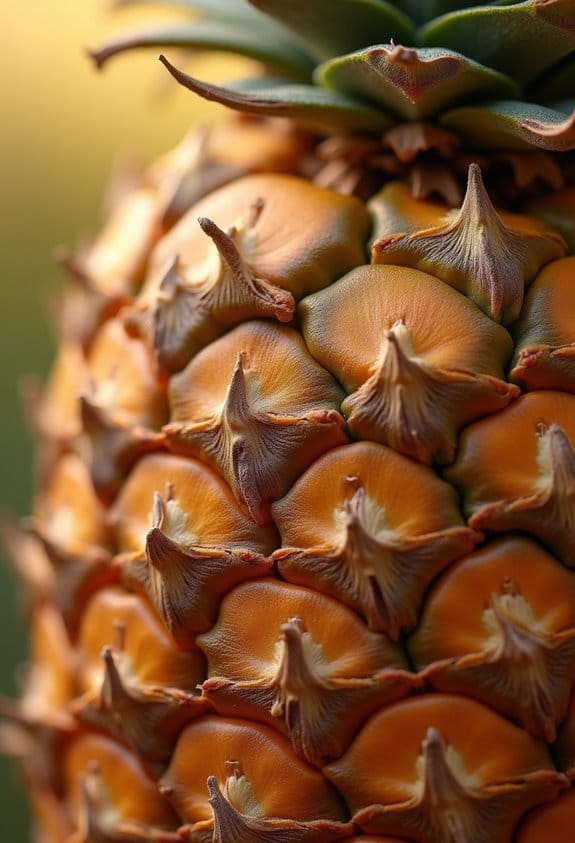
Piñatex combines natural pineapple leaf fibers—about 80%—with 20% plant-based polylactic acid to craft its sturdy base. But what about the PU coating? It’s a water-based polyurethane that adds durability and water resistance, giving Piñatex that leather-like feel (without the moo). This clever mix transforms farm waste into fashion, though PU layers can slow biodegrading—nature’s little plot twist! Curious how these materials stack up and impact farmers and the environment? There’s more to uncover!
Key Takeaways
- Piñatex mainly contains 80% pineapple leaf fibers forming a non-woven textile base.
- It includes 20% polylactic acid (PLA), a renewable material from plant sugars.
- Piñatex features a water-based PU coating that enhances durability and water resistance.
- PU coatings provide a leather-like feel but reduce biodegradability of the product.
- The combination balances eco-friendly fibers with protective PU to meet usability needs.
Composition of Piñatex Material
You may be interested


At the heart of Piñatex lies a surprising blend: 80% pineapple leaf fibers woven together with 20% polylactic acid (PLA), a renewable material that’s as eco-friendly as it sounds. Sourced from pineapple farming by-products, these fibers turn waste into a strong, non-woven textile base. PLA, derived from plant sugars, adds structure without relying on fossil fuels—smart, right? Together, they create a unique vegan leather alternative, balancing natural and synthetic material qualities. While mostly made of biodegradable materials, Piñatex’s environmental impact shines when you consider this clever upcycling. Yet, despite these green credentials, the presence of a PU coating (more on that later) nudges its biodegradability. So, Piñatex offers a compelling mix: sustainability, durability, and style—proof that pineapple isn’t just for dessert (or piña coladas). Many sustainable sneaker brands emphasize material source transparency to showcase their commitment to eco-friendly practices.
Role of PU Coatings in Piñatex

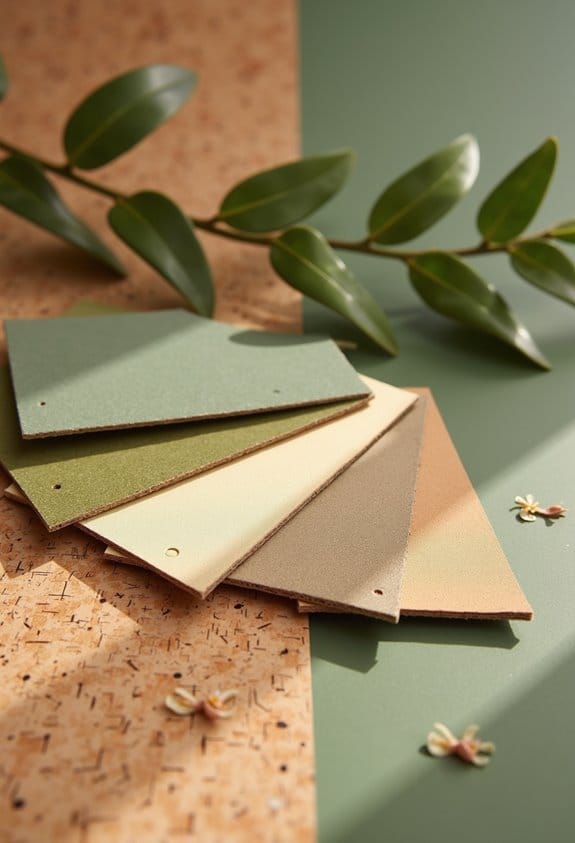
Enhancing Piñatex’s natural pineapple leaf fibers is a crafty water-based PU resin coating that adds more than just shine—it boosts durability and water resistance, too. By applying PU coatings, Piñatex achieves that familiar leather alternative feel, making it tougher against daily wear and environmental conditions like rain or heat. But here’s the catch: while the pineapple leaf base is fully biodegradable and a truly sustainable material, the petroleum-based PU coating slows down breakdown. So, is it still eco-friendly? Researchers think so, and they’re hunting for bio-based coatings to make Piñatex even greener without losing its durable charm. In the end, PU coatings strike a clever balance between nature’s gifts and consumer needs, perfect for those wanting style and substance in one innovative fabric. This approach to combining natural fibers with protective coatings is similar to how cactus leather sneakers blend sustainability with durability in fashion.
Environmental Impact of Piñatex and PU
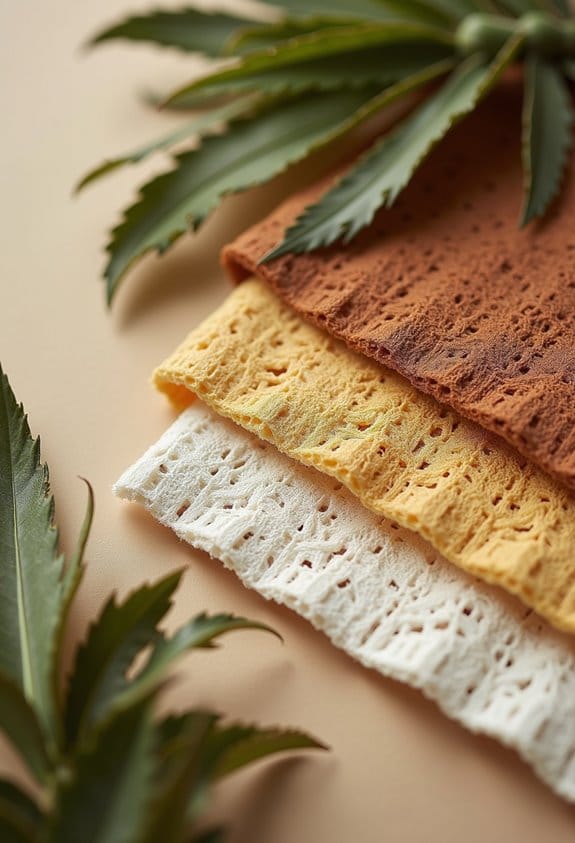
While Piñatex’s foundation of 80% pineapple leaf fiber and 20% polylactic acid offers an eco-friendly alternative to traditional leather, the environmental story doesn’t end there. Piñatex helps reduce greenhouse gas emissions by using agricultural waste, turning pineapple farmers’ leftover leaves into valuable fabric instead of letting them rot or burn. This clever reuse supports vegan fashion while lowering environmental impact. On the flip side, PU coatings—though useful for durability—are made from petroleum, releasing harmful chemicals during production and resisting biodegradation like an uninvited guest. That means long-lasting waste problems for the planet. Could Piñatex evolve with more biodegradable bio-based coatings soon? One hopes! For now, Piñatex scores better on greenhouse gas emissions and eco-friendliness, making it a smarter choice than PU-coated alternatives aiming for sustainability without sacrificing style. Additionally, incorporating breathable materials in products like Piñatex can enhance user comfort while maintaining eco-conscious benefits.
Durability and Maintenance of Piñatex Products
How tough is Piñatex when put to the test? While not as durable as traditional leather, Piñatex holds its own with reasonable durability thanks to its PU resin coating, providing water-resistant qualities that repel everyday splashes. However, repeated exposure to moisture can weaken the material—so careful care is essential. Maintenance is a breeze: just a simple wipe with water and a microfiber cloth keeps Piñatex looking fresh. Sunlight can fade the surface, and without proper conditioning, it might dry out faster than your favorite houseplant. Regular treatments extend the lifespan, helping products stay in shape despite wear and tear. So, while Piñatex might require a bit more attention than leather, it rewards users with easy upkeep and a unique feel that’s both eco-friendly and surprisingly resilient. Considering shoes with machine-washable options can significantly simplify their upkeep and support an eco-friendly lifestyle.
Benefits for Farmers and Sustainability
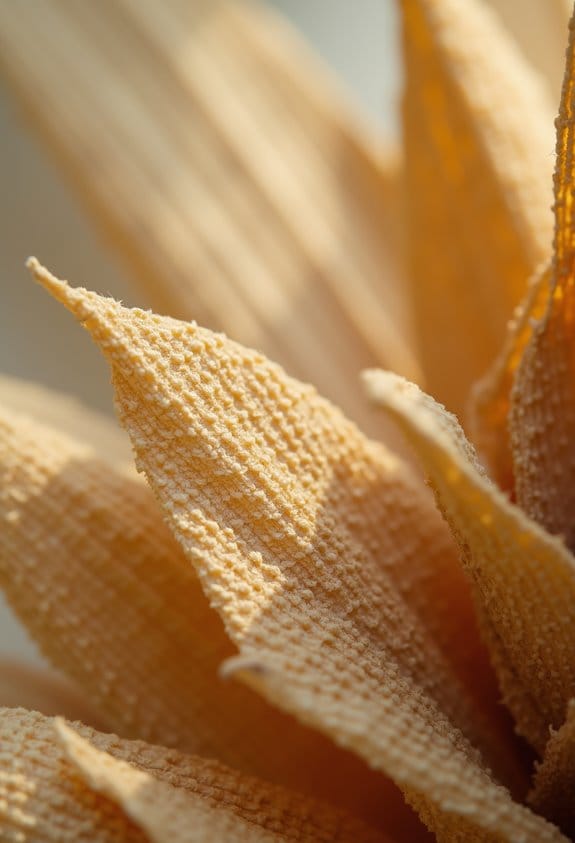
Three key benefits emerge from Piñatex’s use of pineapple leaf fibers, which might seem like humble farm leftovers but are actually goldmines for pineapple growers in the Philippines. First, Piñatex provides farmers with an alternative income, turning what was once agricultural waste into valuable pineapple leather. This helps reduce waste considerably—who knew discarded leaves could be so handy? Second, the company Ananas Anam champions sustainable agricultural practices with this environmentally friendly approach, supporting rural communities without the environmental baggage of animal leather. Finally, by incorporating Piñatex, brands promote eco-conscious choices, encouraging farmers to diversify earnings and build economic resilience. So, this clever use of pineapple leaves is not just smart fashion; it’s a win-win for farmers and the planet alike. Additionally, using biodegradable materials in products like Piñatex supports sustainable practices that contribute positively to the environment.
Comparing Piñatex With Other Vegan Leathers
Turning pineapple leaves into an eco-friendly leather alternative is impressive, but how does Piñatex stack up against other vegan leathers? Piñatex blends 80% pineapple leaves with 20% polylactic acid, transforming agricultural waste into a textured, natural-looking fabric. Unlike PU leather, which is fully synthetic and petroleum-based, Piñatex offers a unique aesthetic while supporting farmers and reducing environmental impact. However, when it comes to durability, PU leather generally beats Piñatex—it is more heat-resistant and water-repellent. Piñatex often needs a water-based PU coating for protection, which somewhat blurs the line between natural and synthetic. But isn’t a bit of plant power better than pure plastic? In the end, Piñatex proves a compelling choice—less about perfection, more about innovation and sustainability within the vegan leathers sector. Choosing materials certified by OEKO-TEX Standard 100 can further ensure the absence of harmful chemicals in products like Piñatex.
Frequently Asked Questions
What Is Piñatex Made Of?
Like woven threads of tropical resilience, Piñatex is crafted from pineapple fiber, offering sustainable material alternatives and vegan leather options. Its eco-friendly production methods enhance durability, reducing Piñatex’s environmental footprint, influencing consumer awareness and the fashion industry impact.
What Are the Disadvantages of Piñatex?
Piñatex faces durability concerns, including heat and abrasion sensitivity, impacting market acceptance. Its production process and coatings raise environmental impact and sustainability issues, prompting consumer awareness about ethical considerations and cost comparison with traditional leather alternatives.
What Is the Disadvantage of PU Leather?
Beneath PU leather’s sleek surface lie durability concerns, often leading to premature wear. Environmental impact analysis reveals significant emissions and waste. Cost comparison studies, consumer preferences, and ethical debates highlight its synthetic nature, demanding higher maintenance amid shifting market trends.
What Is PU Coated Leather?
PU coated leather is a synthetic material valued for PU leather benefits like durability and water resistance, widely used in fashion applications. However, sustainability in fashion promotes eco friendly materials and PU leather alternatives, impacting PU leather care and production choices compared to genuine leather.