As an Amazon Associate, we earn from qualifying purchases. Some links on this site are affiliate links at no extra cost to you. Our recommendations are based on thorough research and editorial judgment.


How to Read Sustainability Claims on Shoe Packaging

Sustainability claims on shoe packaging often sound impressive but can be tricky to trust. Look for clear recycled content percentages—brands should show at least 60% local recyclability or third-party certifications like GRS or HIGG. Beware of vague buzzwords like “eco-friendly” or “100% natural” without proof. Vegan doesn’t always mean green; synthetic materials may stick around forever (no thanks!). Curious how labels and regulations shape honest marketing? There’s more to uncover about making smarter, greener shoe choices!
Key Takeaways
- Look for specific recycled content percentages and verified certifications like GRS or RCS on shoe packaging.
- Avoid vague terms such as “eco-friendly” or “100% natural” without supporting evidence or detailed descriptions.
- Check for third-party certifications like HIGG or GRS to confirm the authenticity of sustainability claims.
- Verify claims like “biodegradable” or “compostable” with proper certification and real-world effectiveness.
- Prioritize transparency in materials, supply chain, and life cycle information over marketing buzzwords.
Understanding Common Sustainability Terms on Shoe Packaging
You may be interested



Although shoe packaging often boasts sustainability claims, it pays to look a little closer before getting excited. Words like “contains recycled content” might seem green, but without specific percentages—say, 30% recycled material—they risk misleading marketing that’s more fluff than fact. Labels waving “environmentally friendly” flags can be just that: a flag, not a guarantee. Terms like “biodegradable” and “compostable” sound great but need closer inspection to confirm real-world breakdown and proper certifications. Otherwise, the product might require special facilities most consumers don’t have. So, when spotting these buzzwords, ask yourself: is this a true eco-hero or just clever packaging? Being a savvy shopper means demanding clarity, not letting vague sustainability slogans do the talking alone. That’s how actual green wins are spotted! Look for certifications like GOTS as a credible sign of sustainable material sourcing and processing.
Importance of Verifiable Sources in Sustainability Claims

How can consumers separate genuine eco-friendly footwear claims from clever marketing tricks? The secret lies in verifiable sources, like third-party certifications such as GRS or HIGG. These stamps of approval turn vague green claims into trustworthy evidence, helping shoppers make smarter, eco-conscious choices. According to the Green Claims Code, brands must show current, solid proof to back environmental statements—otherwise, it’s just marketing fluff. Transparency plays a key role here; when brands share detailed, accessible data about their products’ life cycle impact, trust naturally builds. Considering that 40% of online green claims in 2026 might mislead, relying on verifiable sources is no joke. Without them, labels like “recycled” or “biodegradable” could just be buzzwords, not guarantees. So always check if the claim kicks the tires on proof! Ethical brands that publish third-party certifications and production transparency reports help ensure consumers get accurate information.
Identifying Labels for Recycled and Sustainably Sourced Materials

Verifying sustainability claims often starts with spotting the right labels on shoe packaging. Look for tags that mention “recycled content” clearly stating the percentage of recycled materials—it’s transparency, not guesswork! Certifications like the Global Recycled Standard (GRS) or Recycled Claim Standard (RCS) back these claims, ensuring that recycled materials meet strict guidelines. But beware: not all vague terms like “eco-friendly” dodge greenwashing accusations; they often lack proof. What about “recyclable”? That means at least 60% of consumers can recycle the product locally (even if you can’t, maybe your neighbor can). For “sustainably sourced” materials, only trust third-party certifications confirming responsible harvesting. So, the next time you buy shoes, remember—labels matter. They separate genuine sustainability claims from clever marketing buzzwords! Many leading brands also emphasize ethical manufacturing practices as a critical part of their sustainability commitments.
Recognizing Ambiguous Claims and How to Spot Them
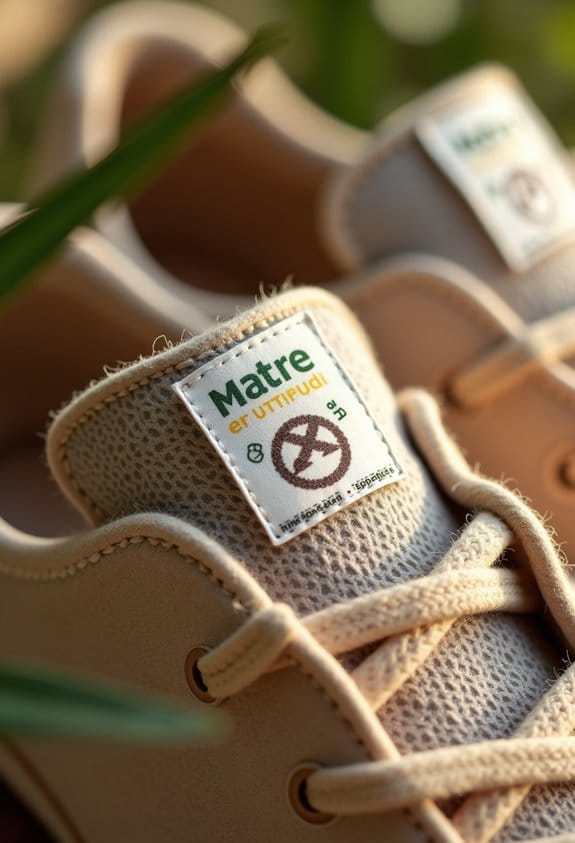
Why do so many shoe brands throw around terms like “eco-friendly” without clear details? Unfortunately, vague terms often mask the truth. Many green claims made online, such as “100% natural,” sound great but can be misleading when they fail to specify material sourcing or environmental impact. Studies reveal up to 40% of such claims lack clarity or proof, leaving consumers puzzled. Transparency matters—without it, brands risk legal trouble and public trust erosion. Spotting ambiguous claims means questioning buzzwords and demanding evidence instead of taking labels at face value. So, next time “sustainable” pops up on packaging, ask: where’s the proof? Clear, credible information should shine through the marketing haze, helping shoppers make smarter, greener choices (and avoid getting duped by fuzzy jargon). Fair trade certifications, verified through annual inspections, can provide that transparency in manufacturing and confidence consumers need.
Detailed Disclosures: What to Look for Regarding Materials and Processes
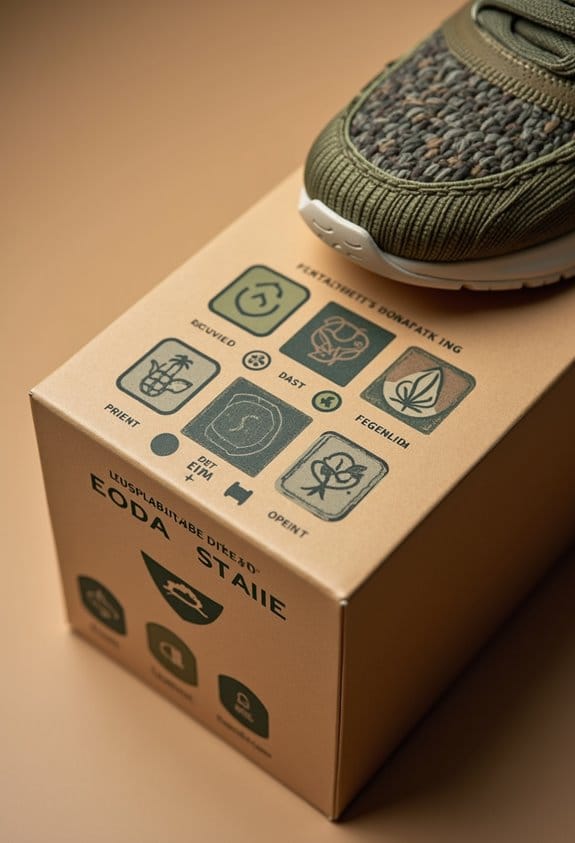
Detailed disclosures on shoe packaging act as a trust signal to shoppers craving clear facts over fancy terms. Instead of vague marketing claims like “contains recycled materials,” look for exact percentages of recycled content—10%, 30%, or more? That specificity reveals real effort. Curious about the supply chain? Transparent brands often share info on ethical sourcing and responsible production, not just buzzwords. Beware of “biodegradable” labels without clear testing methods; how will the shoe actually break down? Plus, does the packaging mention recycling programs? A product claiming to be recyclable should truly be accessible to at least 60% of consumers. These detailed disclosures cut through the greenwash and help shoppers separate genuine sustainability from clever marketing tricks—because isn’t it nice when shoes try a little harder than just sounding eco-friendly? Additionally, certifications like GOTS or OEKO-TEX provide verified assurance of materials’ safety and sustainability, making it easier for consumers to trust the claims.
Certifications From Reputable Third Parties to Trust
A trustworthy certification can turn a vague “eco-friendly” label into a claim you can actually believe. Certifications like the Global Recycled Standard (GRS) and the HIGG Index offer verified assurances that shoes meet specific environmental and ethical standards. Ever heard of Green Seal? It signals that a product has passed rigorous sustainability tests, making those claims less marketing fluff and more fact. OEKO-TEX Standard 100 guarantees textiles used in shoes are free from harmful substances—good for you and the planet. Fair Trade certification assures fair labor and sustainable sourcing, while Cradle to Cradle assesses a shoe’s impact across materials, energy, water, and social fairness. With these certifications, sustainability claims on shoe packaging become clearer—and a lot more trustworthy. Who wouldn’t trust that? Many vegan athletic shoe brands also emphasize material transparency to ensure truly ethical production and sourcing.
The Role of Carbon Neutrality Claims and Supporting Data
Although it sounds impressive to claim carbon neutrality on shoe packaging, understanding what lies behind these bold statements is key. Carbon neutrality means a company balances its carbon emissions by offsetting an equal amount, but how exactly? Consumers should look for clear data showing emissions from production and shipping, along with details on offset projects such as reforestation or renewable energy investments. Green claims aren’t always green—about 40% of online carbon neutrality assertions have been found misleading! Transparency matters: labels should explain how the neutrality was reached and any caveats. Without verifiable evidence and recognized standards, these claims risk being empty promises (and buyers deserve more than a fancy buzzword). So next time you spot “carbon neutral” shoes, dig deeper—it’s not just about saving trees but checking the math behind the message! When evaluating such claims, also consider the sustainability of materials used in the shoes, as eco-friendly components significantly impact the overall environmental footprint.
Differentiating Between Vegan and Sustainable Products
While many shoppers assume that vegan shoes automatically mean greener choices, the reality is a bit stickier than that. Vegan products often use synthetic materials like polyurethane or nylon, which are far from eco-friendly—they take ages to biodegrade and rely heavily on fossil fuels. So, is a vegan label enough? Not quite. Misunderstanding vegan with sustainable can lead to greenwashing, where brands green up their image without true environmental benefits. Instead, consumers should seek certifications that prove genuine eco-conscious practices. And, of course, it’s essential to take into account the entire life cycle of the shoe—manufacturing, materials, and disposal—before calling it sustainable. After all, what’s green on the box might not be green for the planet! Choosing materials like BLOOM Foam, an algae-based insole, demonstrates a more eco-friendly alternative in vegan sneaker design.
Why Transparency Matters in Environmental Marketing
Just because a shoe claims to be vegan or sustainable doesn’t mean the story ends there. Transparency in environmental marketing is essential to cut through the green haze. With 40% of online green claims proven misleading, clear insight into a brand’s supply chain and sustainability efforts matters more than ever. Consumers rightfully ask, “What’s behind the fancy label?” Brands transparent about product life cycles and credible evidence build trust and avoid the dreaded charge of greenwashing—no one wants a shoe scandal! Marketing that honestly shares supply practices not only respects shoppers but also secures a competitive edge, especially since 73% of EU consumers factor environmental impact into buying choices. Isn’t it time marketers stepped up transparency and made every claim count? Participating in third-party audits or obtaining certifications adds valuable credibility and reassures consumers about genuine sustainability efforts.
How Regulatory Developments Affect Footwear Sustainability Claims
How will new rules reshape what shoe brands say about sustainability? Regulatory bodies are tightening the screws, demanding brands back environmental claims with data, not just good intentions. The Green Claims Code stresses that vague promises won’t fly anymore—brands must prove their eco-friendly materials and fair labor practices with solid evidence. The EU’s new directives, like the CSDDD and CSRD, push for full transparency about supply chains, so consumers see the real story behind every pair of shoes. Meanwhile, the EPR tax proposal nudges brands toward clearer messaging about recyclability and waste management. Even the FTC’s updated Green Guides remind companies to avoid greenwashing. So, next time you squint at a sustainability claim, remember: new rules aim to make those claims honest, clear, and trustworthy—no need for a magnifying glass! Consumers are encouraged to look for material source transparency as a key indicator of genuine environmental commitment.
Practical Tips for Making Informed Sustainable Shoe Purchases
When shopping for sustainable shoes, the devil is truly in the details—so what should savvy buyers look for to separate green facts from greenwashing? Start by checking for specific certifications like GRS or HIGG index scores, which back up sustainability claims with real data. Don’t be fooled by vague buzzwords like “eco-friendly” (nice, but what does it really mean?). Instead, look for clear labels revealing recycled content, specifying actual percentages—say, “30% recycled content”—so you know exactly what you’re getting. Go beyond the label: consider the shoe’s full environmental impact, including how materials are sourced, made, and recycled or disposed of. Transparency is key! Detailed product info beats marketing slogans any day, helping consumers make informed, greener choices without falling for clever packaging tricks.
Frequently Asked Questions
What Are the 7 R’s of Sustainable Packaging?
The 7 R’s of sustainable packaging are Refuse, Reduce, Reuse, Repair, Recycle, Reclaim, and Rot. They emphasize recyclable materials and eco-friendly practices, driving packaging innovation to minimize waste and enhance resource efficiency.
How Can Sustainability Claims Be Verified?
Sustainability claims can be verified through third party certifications and adherence to recognized eco label standards. Transparency practices, such as providing detailed material reports and compliance audits, further guarantee the authenticity and credibility of these environmental claims.
How to Read Material Label on Shoes?
Like deciphering ancient scripts, reading material labels on shoes requires scrutiny for recycled materials, claims of eco friendly production, and biodegradable options. Clear percentages and certification symbols illuminate the true sustainability embedded within the packaging.
What Are the Criteria for Sustainable Packaging?
Sustainable packaging criteria include the use of eco friendly materials, consideration of the entire life cycle, and incorporation of biodegradable options. Transparency and verifiable claims guarantee environmental benefits and reduce greenwashing in packaging practices.