As an Amazon Associate, we earn from qualifying purchases. Some links on this site are affiliate links at no extra cost to you. Our recommendations are based on thorough research and editorial judgment.


Ethically Made” Shoes: What That Usually Means in Practice

Ethically made shoes mean fair wages (unlike the 93% that fall short), safer factory conditions, and transparency about who made them. They use eco-friendly materials like pineapple fibers and recycled leather to cut pollution—no cow tipping involved! Brands reveal their supply chains to prove they’re serious. Plus, certifications guarantee workers aren’t working 18-hour marathons. Curious about how these materials and practices actually reshape your footwear? There’s more to discover beyond the surface!
Key Takeaways
- Ethically made shoes ensure fair wages and safe working conditions for factory workers, avoiding exploitative labor practices.
- Brands emphasize supply chain transparency by disclosing supplier information and undergoing third-party audits.
- Sustainable materials like recycled leather, Piñatex, and plant-based options reduce environmental impact.
- Fair Trade certification guarantees social responsibility, equitable trading, and environmental standards in production.
- Consumer demand for ethically made shoes promotes market growth and encourages brands to adopt responsible practices.
Principles of Fair Labor in Footwear Production
You may be interested



In the world of footwear production, a surprising number of brands—93%, to be exact—fall short when it comes to paying workers a living wage. Ethical labor means more than just money; it includes humane working conditions where long hours—sometimes 10 to 18 daily—aren’t the norm. Fair wages guarantee workers can cover basic needs, while safe working environments protect their health. Ethical footwear brands champion these values and promote responsible purchasing to avoid exploiting supply chains. Transparency plays a key role, enabling consumers to see who makes their shoes and under what conditions. After all, wouldn’t you want to support footwear that respects both people and progress? When companies commit to these principles, shoes become more than fashion—they become a statement of fairness. Many of these brands also ensure certifications such as Fair Trade, reflecting their commitment to ethical manufacturing standards.
Transparency and Supply Chain Accountability
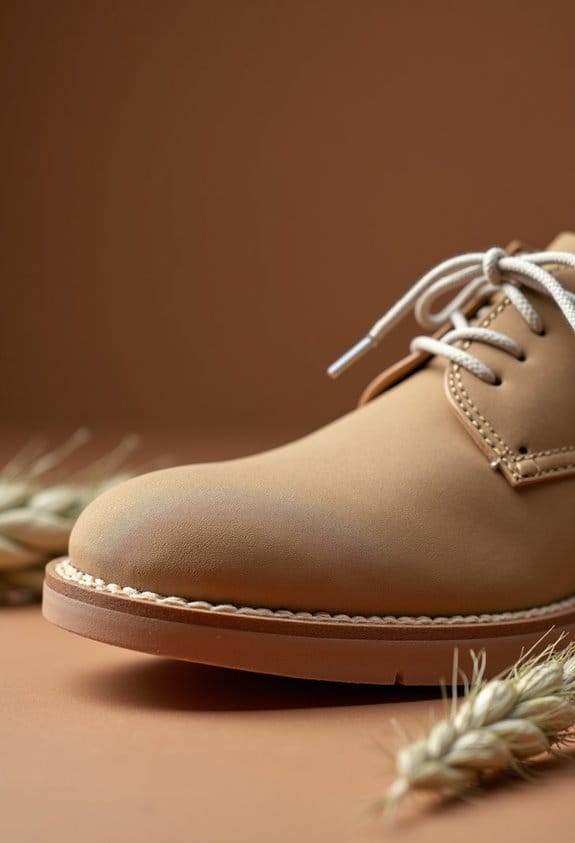
Fair wages and safe workplaces are impressive goals, but how can shoppers be sure brands actually deliver? Transparency in supply chains is key. Ethical brands like Allbirds and Dr Martens boost accountability by publishing their first-tier supplier information, showing who’s making their shoes—and under what conditions. Some, like Clarks and VF Corporation, go even further, revealing multiple supply chain layers to prove serious commitment. Workers’ welfare matters just as much as customers’ satisfaction, so providing clear details on sustainability initiatives and labor practices builds trust. The Ethical Trade Initiative champions this transparent approach, helping prevent unsafe working conditions that cause tragedies like the 2022 Bangladesh factory fire. In the end, knowing exactly where shoes come from makes a real difference—now that’s a footprint worth tracking! This transparency often includes verification through certifications and audits that ensure adherence to ethical standards.
Sustainable Materials Used in Ethical Shoes
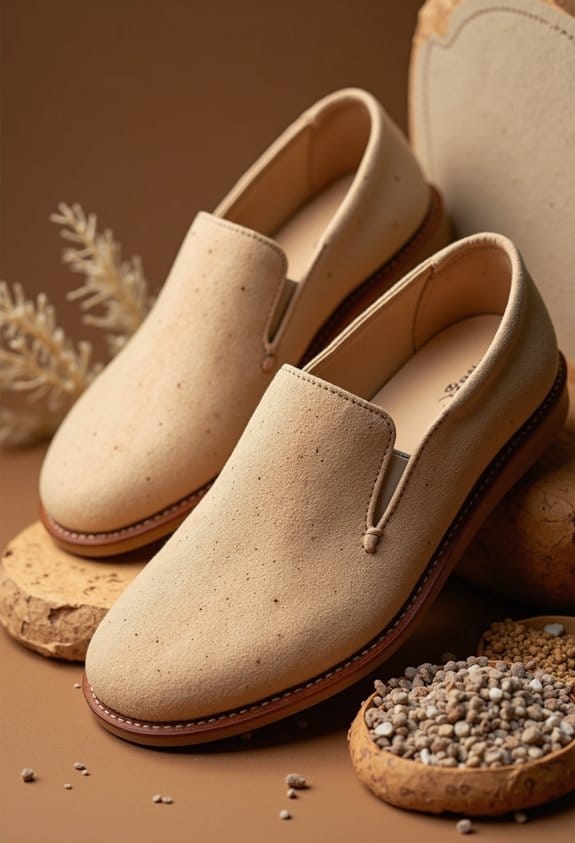
Many ethical shoe brands now spotlight sustainable materials as a core part of their mission—why settle for plastic when pineapple leaves and leftover leather scraps can do the trick? Sustainable materials in ethical shoes range from recycled leather, made from leftover scraps reducing carbon emissions, to innovative vegan alternatives like Piñatex, crafted from pineapple fibers. Plant-based options such as hemp and organic cotton are popular too, offering eco-friendly materials that produce fewer greenhouse gases than synthetics. Even vegetable-tanned leather shows promise by creating biodegradable products using natural tannins. These choices align closely with fair labor practices, ensuring a responsible footprint from both environment and workforce perspectives. In a world full of waste, choosing these materials offers a fresh step forward—comfortable, conscientious, and surprisingly stylish. Who knew being ethical could feel so good? Additionally, innovative options like apple leather derived from sustainable apple waste highlight the growing trend of transforming agricultural byproducts into durable, eco-friendly shoe materials.
Environmental Impacts of Leather and Alternatives

While sustainable materials like pineapple fibers and vegetable-tanned leather are making strides, it’s important to understand the environmental toll of traditional leather production before celebrating too soon. Leather accounts for just 5-10% of an animal’s sale value, yet over half goes into shoes, causing substantial environmental impact through water use, toxic tanning chemicals, and waste pollution. The footwear industry’s carbon footprint is being challenged by ethical brands adopting plant-based alternatives and vegan alternatives such as Pinatex, which promise lower emissions and fewer toxins. But with 24 billion pairs of shoes made annually, recyclable materials remain a tricky puzzle—mixing plastics, leather, and synthetics makes easy recycling a challenge. Still, the rise of innovative, sustainable materials hints at a greener future for our shoe choices—step by step! Pineapple leather, made from fiber-rich pineapple leaves, offers a cruelty-free and energy-efficient alternative with excellent durability and breathability.
Worker Welfare and Factory Conditions

Because shoe factories often push workers to extreme hours—sometimes 10 to 18 hours daily during peak seasons—questions about worker welfare are more urgent than ever. Many face unsafe factory conditions, with 68% of women in Cambodia feeling unsafe at work. Shockingly, 93% of brands still don’t pay living wages, spotlighting ethical standards that must improve. Ethical footwear brands commit to safe working conditions, transparency, and strictly prohibit forced labor and child labor. They also practice non-discrimination, treating workers fairly regardless of background. Transparency means brands openly share their labor practices—because, honestly, who doesn’t want to know their shoes came from a safe, fair place? Worker welfare isn’t just a box to check; it’s foundational to truly sustainable footwear. Now, that’s a step in the right direction! Many ethical brands also prioritize using cruelty-free materials, ensuring their products are both socially and environmentally responsible.
Recycling, Upcycling, and Shoe Disposal Practices
Though the shoe industry dazzles with 24 billion pairs produced yearly, it also kicks off a massive waste problem, as roughly 22 billion pairs pile up in landfills each year. Recycling such shoes is tricky due to the complex materials used in shoe manufacturing—think metal eyelets tangled with leather and foam—making waste management a puzzle. Luckily, some ethical brands available, like Allbirds and Clarks, have embraced upcycling, incorporating recycled liners and outsoles to reduce environmental impact. Others, such as Dr Martens and Po-Zu, take it further by using recycled leather, enhancing sustainable shoe disposal practices. Could banning metal parts ease recycling? Perhaps! These shifts show promise in transforming footwear waste into stylish, earth-friendly options. Who knew saving the planet could look so good? Moreover, selecting shoes made from renewable materials like hemp offers added benefits of biodegradability and sustainability, reducing long-term waste.
The Role of Brands and Consumer Responsibility
Recycling shoes and using recycled materials is a step forward, but who makes these ethical shoes in the first place? Brands play a big role in crafting sustainable shoes by ensuring fair worker rights, transparency in supply chains, and using eco-friendly materials and practices. Ethical and sustainable fashion brands often back their claims with certifications like SA8000 or BSCI, showing they care about labor standards. But what about consumer responsibility? Shoppers can influence environmental performance by choosing brands committed to these values—after all, every purchase is a vote! Tools like Good On You help consumers decode brand claims and pick shoes that meet both ethical and eco-criteria. So, the next time shoes catch your eye, remember: who made them matters almost as much as how they look. Fair trade certifications also undergo annual verification to ensure compliance with fair wages and environmental standards.
Frequently Asked Questions
What Is an Ethical Shoe?
An ethical shoe walks a green path by embracing sustainable production, fair wages, worker safety, and labor rights. It values eco-friendly materials, animal welfare, artisanal craftsmanship, supply chain transparency, reduced carbon footprint, and positive community impact throughout its journey.
What Do Practical Shoes Mean?
Practical shoes are casual footwear emphasizing everyday comfort through functional styles and supportive features. They often incorporate versatile designs, eco-friendly materials, and durability factors, balancing budget considerations with diverse lifestyle preferences for ideal wearability and value.
Which Shoe Brand Is the Most Ethical?
Ethical Wares leads in ethicality, emphasizing sustainable materials, fair wages, and animal welfare. Its commitment to eco-friendly production, local sourcing, reduced carbon footprint, supply chain transparency, worker empowerment, longevity focus, and brand transparency exemplifies industry standards.
What Is the Healthiest Material for Shoes?
The healthiest material for shoes embraces sustainable materials like natural fibers and biodegradable options, offering breathability factors and comfort levels. Vegan leathers and recycled plastics balance durability concerns with injury prevention, reflecting eco friendly production’s mindful footprint.