As an Amazon Associate, we earn from qualifying purchases. Some links on this site are affiliate links at no extra cost to you. Our recommendations are based on thorough research and editorial judgment.


The Truth About “Eco-Friendly Shoes”: A Buyer’s Reading Guide

Eco-friendly shoes aren’t just trendy—they’re crafted from recycled polyester, organic cotton, and plant-based leathers like mushroom or cactus, reducing environmental footprints impressively. They rely on water-based adhesives and ethical factories using renewable energy. Durable, repairable designs mean your shoes won’t quit after one season, resisting fast-fashion’s waste trap. Certifications such as GOTS and LWG prevent greenwashing (yes, that fake green gloss!). Curious about their circular fashion impact and pickup programs? Keep exploring for deeper insights.
Key Takeaways
- Eco-friendly shoes use recycled, organic, or plant-based materials to reduce environmental impact while offering breathability and comfort.
- Look for certifications like GOTS, GRS, LWG, and OEKO-TEX to verify ethical sourcing and sustainable manufacturing.
- Ethical manufacturing includes fair labor practices, renewable energy use, and waste reduction through take-back programs and recyclable packaging.
- Durable, repairable designs extend shoe lifespan, preventing waste and countering the disposable footwear trend.
- Beware of misconceptions: vegan leather isn’t always sustainable, and recycled materials can be strong; verify claims through trusted certifications.
Understanding What Makes Shoes Eco-Friendly
You may be interested


Although many shoes look similar on store shelves, understanding what makes a shoe truly eco-friendly requires a closer look at the materials and methods behind its creation. Sustainable shoes stand out by using recycled materials and natural materials, reducing environmental impact considerably. Ever hear of water-based adhesives? They replace harsh chemicals, making manufacturing processes safer for both workers and the planet. Speaking of workers, ethical labor is key—fair wages and safe conditions aren’t just buzzwords but essential pillars of sustainable footwear. Waste reduction practices, like take-back programs and recyclable packaging, help close the loop, proving eco-friendly brands think beyond just the shoe. So, when choosing sustainable shoes, it’s more than style or comfort; it’s about a thoughtful, well-rounded approach to caring for the Earth and its people. Many leading brands also prioritize breathability and comfort features to ensure their shoes benefit both the environment and the wearer.
Key Sustainable Materials in Footwear

Exploring the materials that make shoes eco-friendly reveals a colorful palette of nature-inspired choices and clever recycled solutions. Sustainable materials like organic cotton, prized for its breathability and lower environmental footprint, are staples in eco-friendly shoes. Recycled polyester (rPET) offers durability while diverting plastic from landfills—footwear brands love this win-win! Natural rubber, often sustainably harvested from FSC-certified plantations, guarantees soles stay environmentally friendly. But wait—plant-based leathers made from mushrooms, grapes, or cacti are turning heads, offering stylish alternatives without relying on traditional leather or petroleum. Not to be forgotten, hemp adds durability with fewer pesticides. These ingredients prove that sustainable manufacturing is more than a buzzword—it’s craftsmanship meeting conscience. Pineapple leather, made from leftover pineapple leaves, is an emerging eco-friendly material that reduces water usage and landfill waste, making it a promising option for sustainable footwear. So, who said eco-friendly can’t be fabulous and functional?
The Role of Certifications in Verifying Sustainability
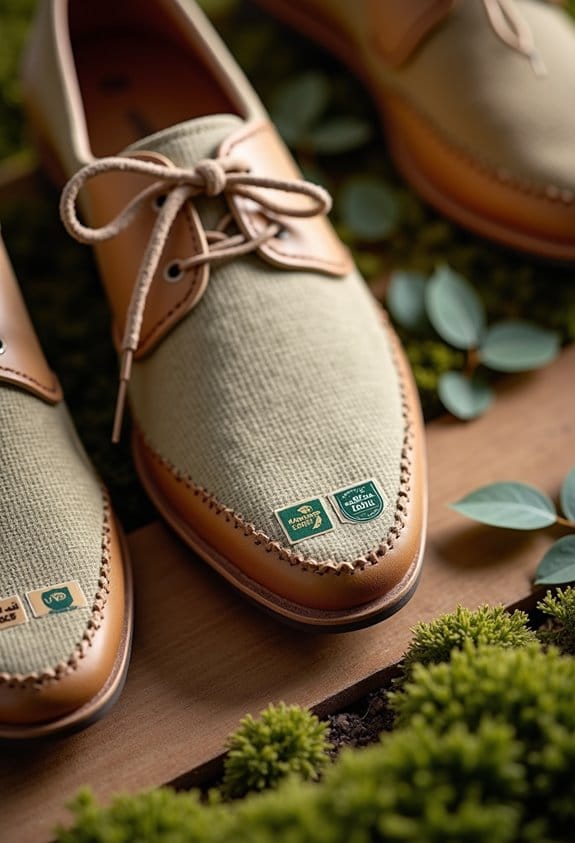
Many certifications act like eco-friendly shoe detectives, helping shoppers spot genuine green claims amid marketing buzz. Sustainable certifications such as the Leather Working Group (LWG) evaluate tanneries on environmental impact and ethical labor practices, making certain leather goods aren’t just a pretty face. Meanwhile, the Global Organic Textile Standard (GOTS) verifies organic fibers, reassuring buyers about natural content. What about recycled content? The Global Recycled Standard (GRS) keeps track of that with impressive transparency. OEKO-TEX steps in to guarantee textiles are free from harmful substances, protecting health and planet alike. Plus, Certified B Corp status demands high standards of social and environmental performance, proving some brands walk the talk. These badges cut through the greenwashing jungle, helping consumers shop smarter and guilt-free—because who doesn’t want trustworthy eco-friendly shoes? Additionally, many top ethical shoes emphasize vegan-friendly options to promote animal welfare alongside environmental responsibility.
Manufacturing Practices That Reduce Environmental Impact
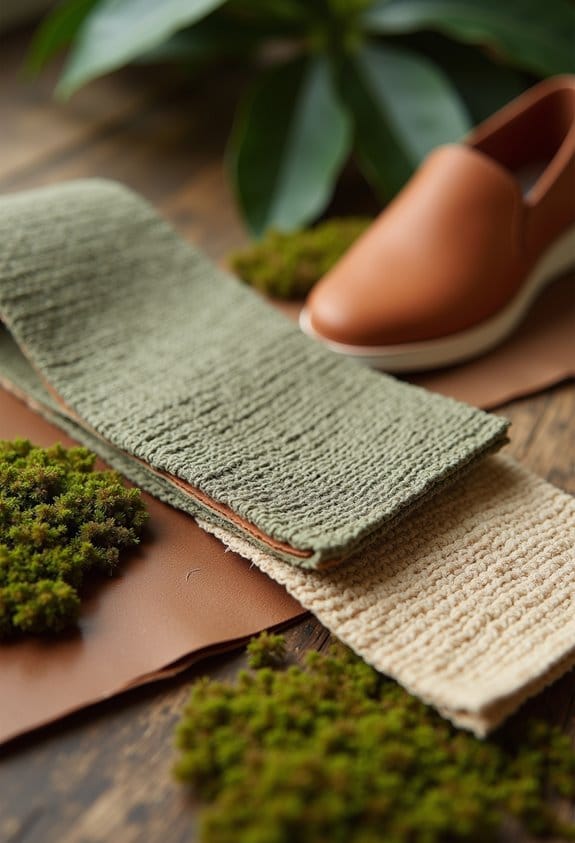
When it comes to making eco-friendly shoes, how green can the factory really be? Sustainable materials are just the start; ethical production matters, too. Many manufacturers now power their factories with renewable energy, slashing carbon emissions dramatically. Waste reduction programs aren’t just buzzwords—they help create a circular economy by recycling scraps and encouraging take-back initiatives. Plus, choosing local production not only trims transportation’s carbon footprint but also supports fair labor practices—a win-win! Brands aiming for real environmental impact rely on an eco-friendly supply chain from start to finish, using safer chemicals like water-based adhesives. So, can factories be environmentally conscious? Absolutely—when they embrace these smart, practical steps, they turn good intentions into greener shoes for all. Additionally, integrating recycled materials into shoe construction contributes significantly to reducing environmental impact.
The Importance of Durability and Repairability

Factories can go green all day, but if shoes fall apart after a few wears, is that really eco-friendly? Durability and repairability are the true power players in sustainable footwear. Designs like Goodyear-welted or Blake stitch constructions use responsibly sourced materials and smart production processes to promote longevity—meaning shoes last longer and landfills see less waste. Repairability, often overlooked, allows replacement of parts like insoles or laces, making wear and tear less of a death sentence for your favorite kicks. Brands emphasizing a clear repair pathway don’t just protect the planet; they save your wallet too (because who wants a “throwaway” shoe?). So, when buying eco-friendly shoes, durability and repairability matter as much as the “green” label—because sustainability shines brightest when shoes can stand the test of time. Incorporating plant-based leathers and recycled fabrics ensures that the materials themselves also contribute to a reduced ecological footprint.
Ethical Labor Practices in Shoe Production
Ethical labor practices in shoe production encompass more than just fair pay—they guarantee workers enjoy safe spaces, reasonable hours, and a voice that matters. Sustainable shoe brands committed to fair treatment prioritize transparency, making supply chains visible and accountable. Fair trade certifications help ascertain living wages and support community well-being by promoting responsible production and reducing exploitation. Regular audits verify that companies meet labor and environmental standards, keeping shoes guilt-free beyond style. Who wants to wear footwear built on forgotten workers’ backs? By choosing brands embracing these principles, buyers support fair trade efforts that uplift producers through minimum price agreements and safer working conditions. Ethical labor practices are the sole sole-ution (yes, pun intended!) to fostering a kinder, cleaner shoe industry while protecting people behind the scenes. Moreover, integrating sustainable materials in production not only benefits the environment but also aligns with ethical labor commitments by reducing reliance on environmentally harmful processes.
The Circular Fashion Model and Shoe Recycling
Although shoes often seem like simple items, their impact on the environment is surprisingly complex and significant—did you know the average American throws away about 300 million pairs every year? The circular fashion model tackles this problem by promoting a lifecycle approach, encouraging sustainable brands to design shoes that are easier to repair, reuse, or recycle. Shoe recycling often involves repurposing rubber outsoles and other parts, cutting down on the need for new resources and helping reduce waste. Leading companies combine eco-friendly materials with transparent processes to manage shoe manufacturing responsibly from start to finish. With such efforts, recycled materials breathe new life into footwear, proving that circular fashion isn’t just a buzzword but a practical step toward greener shoes everyone can appreciate (and maybe even brag about!). Many sustainable sneakers now incorporate recycled plastics to reduce landfill waste and support this circular approach.
Common Misconceptions About Eco-Friendly Shoes
Stepping into the world of eco-friendly shoes can feel a bit like maneuvering through a forest of myths and half-truths. For instance, many believe all vegan leather shoes are automatically sustainable, but some still use harmful chemicals or tricky manufacturing methods. Then there’s responsible leather—it’s not all bad! Certified tanneries actually practice sustainable manufacturing, reducing the carbon footprint considerably. What about recycled materials? They’re often thought weaker, yet when made from recycled polyester (rPET) and other fibers, they stand strong. Is eco-friendly always pricey? Not really! Many sustainable shoes match regular prices, sometimes lasting longer or easier to repair. Finally, some say one purchase won’t help—but each pair supports better labor practices, cuts waste, and shrinks your footprint. Plus, innovations such as apple leather derived from fruit waste are advancing sustainability in fashion. Eco-friendly shoes: myth-tested, shoe-approved!
How to Identify and Avoid Greenwashing
Sorting fact from fiction in eco-friendly footwear can feel like decoding a secret language. How can one spot greenwashing amid buzzwords like “recycled” or “natural”? Start with trusted certifications—Leather Working Group (LWG) or Global Organic Textile Standard (GOTS)—which guarantee real eco-friendly claims. Supply chain transparency is a must; brands serious about responsible sourcing openly share production details, unlike those hiding behind vague promises. Does the company address waste reduction and energy use, or just slap “sustainable materials” on a label? Durable footwear designed to last and be repaired signals genuine commitment. If a brand’s only green claim is a single recycled component, buyer beware! True sustainability is a full story, not just a pretty tagline. Who knew shoe shopping required a magnifying glass? Checking for features like modular designs for easy recycling can also help confirm a brand’s authentic eco-friendly efforts.
Tips for Making Informed and Responsible Shoe Purchases
Many consumers aiming to shop sustainably wonder where to begin when choosing eco-friendly shoes. First, focusing on sustainable materials like organic cotton, recycled plastics, and plant-based leathers slashes environmental harm. Certifications such as GOTS and LWG act as trustworthy badges, confirming eco and ethical standards are met. Curious about a brand’s real impact? Investigate their use of renewable energy and circular fashion efforts—take-back programs and recyclable packaging are huge bonuses! Comfort and durability aren’t just buzzwords; reading customer reviews reveals if these shoes stand the test of time (and terrain). After all, what’s the point of eco-friendly kicks if they fall apart on day two? Making informed purchases means balancing planet-friendly choices with practical needs—now, that’s a win for conscious consumers everywhere! Additionally, looking for Fair Trade certifications helps ensure your purchase supports fair wages and community well-being.
Frequently Asked Questions
What Is the Most Eco-Friendly Shoe Brand?
Actions speak louder than words; Allbirds exemplifies sustainable footwear innovation with plant-based fabrics, carbon neutral production, and recycled rubber soles. Their use of vegan shoe materials, biodegradable shoe options, minimalist shoe designs, fair trade practices, and ethical manufacturing processes sets industry standards.
What Is the Healthiest Material for Shoes?
The healthiest materials for shoes include organic cotton, hemp fabric, bamboo fibers, and natural jute, combined with cork soles and recycled rubber. Sustainable leather and biodegradable materials outperform synthetic alternatives in promoting foot health and environmental safety.
Are Hoka Shoes Eco-Friendly?
Hoka shoe sustainability remains limited due to modest integration of recycled materials and underdeveloped recycling programs. Hoka production practices and supply chain transparency lack eco certifications, hindering assessment of environmental impact and carbon footprint. Consumer feedback urges improvement.
What Is the Most Eco-Friendly Brand?
Allbirds is often considered the most eco-friendly brand due to its use of sustainable materials, ethical manufacturing, low carbon footprint, recycling practices, biodegradable options, fair labor, vegan footwear, local sourcing, and high supply chain transparency.