As an Amazon Associate, we earn from qualifying purchases. Some links on this site are affiliate links at no extra cost to you. Our recommendations are based on thorough research and editorial judgment.


Ocean Plastic Shoes: How Plastic Is Collected and Re-Made

Ocean plastic shoes start as discarded waste—like bottles and fishing nets—collected from beaches, rivers, and mangroves where volunteers sort plastic by type and color. This waste is cleaned, shredded, and turned into pellets through advanced recycling, then spun into durable yarn for stylish, eco-friendly footwear. With over 8 million tons of plastic entering oceans yearly, such efforts help reduce pollution and promote sustainability. Curious how community programs and cutting-edge tech give trash new life?
Key Takeaways
- Ocean-bound plastics are collected via community programs targeting litter hotspots like beaches, parks, and coastal mangroves to maximize waste interception.
- Volunteers sort plastics by type and color at collection points for efficient recycling and quality control.
- Collected plastics undergo cleaning, flaking, and pelletizing at certified facilities, ensuring ethical recycling standards and suitability for reuse.
- Advanced recycling techniques transform pellets into durable yarn, which is spun into eco-friendly, high-performance footwear materials.
- Collaborations between brands and organizations ensure traceability, certifications, and community engagement for producing stylish ocean plastic shoes.
The Threat of Plastic Pollution in Marine Environments
You may be interested


How bad is plastic pollution in our oceans? Seriously bad! Over 8 million metric tons of plastic waste flood marine environments each year, turning them into accidental plastic playgrounds (if sea creatures liked toys, that is). Five trillion plastic pieces float around, threatening marine life by causing deadly entanglements and filling food chains with toxic chemicals. Most of this mess comes from single-use items—like 500 billion plastic bags and 35 billion water bottles tossed annually just in the U.S. alone. Recycling? Only about 5% of plastic gets reclaimed, making it no surprise that ocean plastic remains a huge problem. This relentless plastic pollution doesn’t just dirty the water; it endangers habitats, creating a real crisis that calls for smart solutions and even smarter sneakers. Utilizing recycled ocean plastics in products like footwear helps reduce this overwhelming waste and supports ocean cleanup efforts.
Community-Based Plastic Collection Programs

Community-based plastic collection programs tackle ocean pollution head-on by mobilizing local teams to clean up beaches, schools, and parks—those hot spots where plastic waste loves to hang out. These programs play an essential role in intercepting marine plastic waste, especially in places like the Maldives, Dominican Republic, and Sri Lanka. Volunteers sort collected plastics by type and color, prepping them for recycling partners who transform this clutter into usable materials. But it’s not just about tidying up; these efforts empower communities by offering economic incentives and promoting sustainable habits. Organizations like Parley for the Oceans show how teamwork turns trash into treasure (or shoes!). So, who knew that picking up litter could help save marine life and create eco-friendly footwear? That’s community power in action! Many ocean plastic sneakers are designed with recyclable materials or offer take-back programs to reduce waste, further supporting eco-friendly practices.
Key Locations for Plastic Waste Interception

Plastic waste doesn’t just vanish once it leaves our hands—it often piles up in places where litter-loving plastics gather, like schools, parks, and beaches. In regions such as the Maldives, Dominican Republic, and Sri Lanka, Parley’s strategy targets these hotspots, intercepting plastic waste before it reaches the ocean. Community programs focus on coastal areas, including mangroves, rivers, and islands, where waste can sneakily hide. But why these spots? They’re high-density plastic zones, meaning more waste to collect (and less chance for plastic to play hide-and-seek underwater). Strategically placed collection points help maximize local involvement while effectively capturing millions of metric tons of plastic annually. Thanks to Parley’s Ocean Plastic® framework, plastic waste gathered here transforms into materials for shoes—giving trash a second chance at life! This approach also significantly reduces landfill waste by diverting plastic bottles from disposal and integrating them into sustainable products.
Sorting and Quality Control of Collected Plastic

Sorting is the first vital step in turning messy plastic waste into something wearable—and yes, it’s a bit like sorting laundry, but way cooler. Collected plastic undergoes meticulous sorting by type and color at certified facilities, chosen carefully for quality control and fair labor practices. This step guarantees only the right recycled plastic moves forward, maintaining integrity through baling for easier transport. These trusted partners have proven ethical track records, so the process benefits people and the planet alike. After sorting, materials are cleaned, flaked, and pelletized before being crafted into Parley Ocean Plastic® products with various colors and finishes. Who knew sorting trash could lead to trendy, eco-friendly shoes? This vital quality control step sets the foundation for turning ocean plastic into stylish, sustainable footwear. Additionally, using recycled plastics helps reduce landfill waste and supports durable sneaker production.
Advanced Recycling Techniques for Ocean Plastics
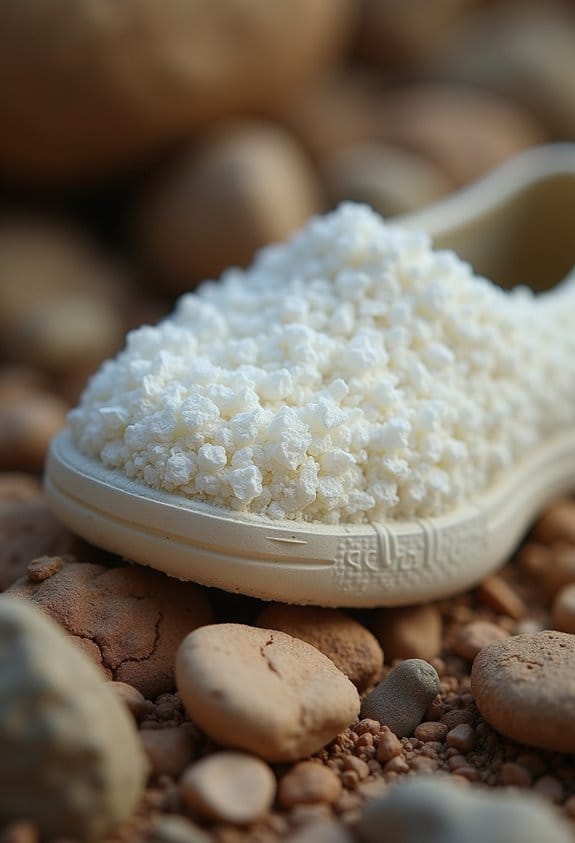
Turning sorted ocean plastics into wearable goods calls for some clever science and smart engineering. Advanced recycling techniques gather marine plastic waste from hotspots like the Maldives and Dominican Republic, using community programs to intercept trash before it sinks into oblivion. After collection, plastics are meticulously cleaned, sorted by type and color, then transformed into small pellets. This process, adopted by companies such as adidas, guarantees products made from marine plastic reduce fossil fuel use while cleaning oceans. Certified for traceability and ethics, these advanced techniques follow global standards like the Global Recycled Standard—no plastic surprises here! Who knew ocean debris could become stylish shoes? It’s a smart, sustainable fusion of technology and conservation, turning pollution problems into fashion solutions, all while giving marine plastic a second chance to shine. Additionally, brands adopting these methods often emphasize brand transparency to ensure their eco-friendly claims are trustworthy and verifiable.
From Plastic Pellets to Polyester Yarn
Once plastic waste is thoroughly cleaned and chopped into tiny flakes, it enters a fascinating transformation phase. These flakes turn into plastic pellets—tiny but mighty raw materials ready for a makeover. Certified recyclers spin and extrude these pellets into polyester yarn, creating a versatile thread that’s far more interesting than it sounds. This yarn forms the backbone of shoes, apparel, and accessories, turning ocean plastic into everyday essentials. High-quality sorting by type and color guarantees this recycled raw material matches the standards of virgin plastic. The process also sticks to strict guidelines like the Global Recycled Standard, assuring ethical sourcing. Who knew ocean plastic could become such a stylish, responsible yarn? It’s not just plastic—it’s potential woven into every stitch. This transformation supports the creation of products with durability and comfort comparable to traditional materials, ensuring long-lasting wear.
Uses of Recycled Ocean Plastic in Product Manufacturing
Countless products today owe their existence to recycled ocean plastic, showcasing how environmental challenges can spark creative solutions. Recycled ocean plastic is made from cleaned, shredded plastics turned into durable pellets and yarns, ideal for diverse manufacturing. Footwear giants like adidas craft shoes from ocean plastic, using materials collected from beaches like the Maldives—talk about a global cleanup made stylish! Beyond shoes, apparel brands like G-Star RAW and accessory makers such as Norton Point transform these fibers into eco-friendly clothing and sunglasses, proving versatility in even high-performance textiles. Isn’t it impressive how recycled ocean plastic can reduce reliance on virgin materials while adding environmental flair? This evolving use extends to furniture and more, showing that what once polluted oceans now fuels innovation, one product at a time. Many companies ensure their products maintain performance standards by integrating recycled ocean plastic without compromising on durability or comfort.
Collaborations Between Brands and Environmental Organizations
Although brands could attempt recycled ocean plastic projects alone, partnerships with environmental organizations have proven far more effective and impactful. Collaborations between brands and environmental organizations, like Adidas working with Parley for the Oceans, turn marine plastic waste into footwear, aiming for five million pairs from bottles gathered on Maldivian beaches. These alliances combine eco-innovation with social responsibility, as seen when the Plastic Bank engages local communities to collect ocean plastic for fair compensation. Even skeptical manufacturers come around, such as Norton Point’s success making sunglasses from recycled ocean plastics. Fashion brands like G-Star RAW boldly incorporate ocean debris into clothing lines, proving sustainability isn’t just a buzzword. Together, these collaborations boost transparency, ethical sourcing, and inspire a wider movement toward protecting our blue planet—pretty impressive teamwork, don’t you think? These initiatives often use recycled materials to create durable and stylish products while reducing landfill waste.
Certifications Ensuring Ethical and Transparent Supply Chains
Working with environmental partners is only half the story when it comes to crafting shoes from ocean plastics. Certifications play an essential role in ensuring supply chain transparency and ethical sourcing, making sure every step is accountable. Standards like the Global Recycled Standard and Recycled Claim Standard verify recycled materials’ traceability—from polluted shores to stylish soles. Consumers can track the environmental impact of their kicks (pretty cool, right?). Compliance with REACH regulations and the RoHS Directive further guarantees that harmful substances stay out of these ocean-bound plastics. Continuous audits act as watchdogs, maintaining quality and trust throughout the supply chain. With certifications in place, shoe brands prove they’re serious about sustainability—showing it’s not just plastic cleanup but a transparent, responsible process toward eco-friendly footwear. These standards also encourage the use of recycled plastic bottles as a primary material, reinforcing circular economy initiatives in footwear production.
Innovations in Eco-Friendly Fashion and Footwear
A growing number of footwear brands are stepping up with cool innovations that turn ocean plastic into trendy, eco-friendly shoes. Adidas, partnering with Parley for the Oceans, leads this trend by collecting plastic from coastal hotspots like the Maldives, where marine waste threatens sea life. This plastic is carefully cleaned and recycled into pellets, then spun into durable yarn to create new products—shoes and apparel alike. By 2026, Adidas plans to produce five million shoe pairs using ocean plastic, markedly cutting down virgin plastic use. Innovations such as high-performance fabrics made from recycled materials prove sustainability and style can mix well. Who knew trash from the ocean could become tomorrow’s sneaker? These efforts highlight how fashion can be part of the solution, not just the problem. Many leading brands also focus on material sustainability to reduce their environmental footprint while maintaining durability and comfort.
Recognitions and Awards for Ocean Plastic Recycling Initiatives
Recognition often serves as a powerful motivator for environmental innovators, especially in the tough battle against ocean plastic pollution. Take #tide, for example: this company has received multiple recognitions for turning ocean-bound plastic into quality recycled materials. In 2020, the Swiss Plastics Award applauded their sustainability achievements, while the Hong Kong International Business Award honored their pioneering recycling methods that same year. Moving forward, the Swiss Ethics Award in 2022 highlighted their commitment to solving environmental challenges creatively. Even more recently, #tide earned second place in the 2026 Prix Strategis Award for best Swiss start-ups. Certifications like the Global Recycled Standard and Ocean Bound Plastic compliance back up these honors, proving that recycled materials can be both responsible and innovative. Who knew saving the ocean could come with so many trophies?
Frequently Asked Questions
Where Does 90% of the Plastic in the Ocean Come From?
Ninety percent of ocean plastic originates from specific source locations, mainly ten major rivers. Ocean currents then transport this waste from land-based sources, such as densely populated urban areas, into marine ecosystems worldwide.
How Is Plastic Collected for Adidas Parley?
Plastic for Adidas Parley is collected through ocean cleanup efforts and community initiatives in coastal areas. Local teams intercept waste from beaches and parks, enabling recycling partners to process plastic into materials for footwear production.
Where Do 79% of All Plastic Products End Up?
Seventy-nine percent of all plastic products end up in landfills, incinerators, or the environment, much like knights of old facing peril. This mismanagement drives marine debris, considerably worsening the environmental impact on ecosystems.
How Are Recycled Shoes Made?
Recycled shoes are made by collecting plastic waste, which undergoes a recycling process involving sorting, cleaning, shredding, and pelletizing. These sustainable materials are then transformed into yarn, maintaining durability for eco-friendly footwear manufacturing.