As an Amazon Associate, we earn from qualifying purchases. Some links on this site are affiliate links at no extra cost to you. Our recommendations are based on thorough research and editorial judgment.


3 Best Recycled Hiking Boots for Eco-Friendly Trailblazing

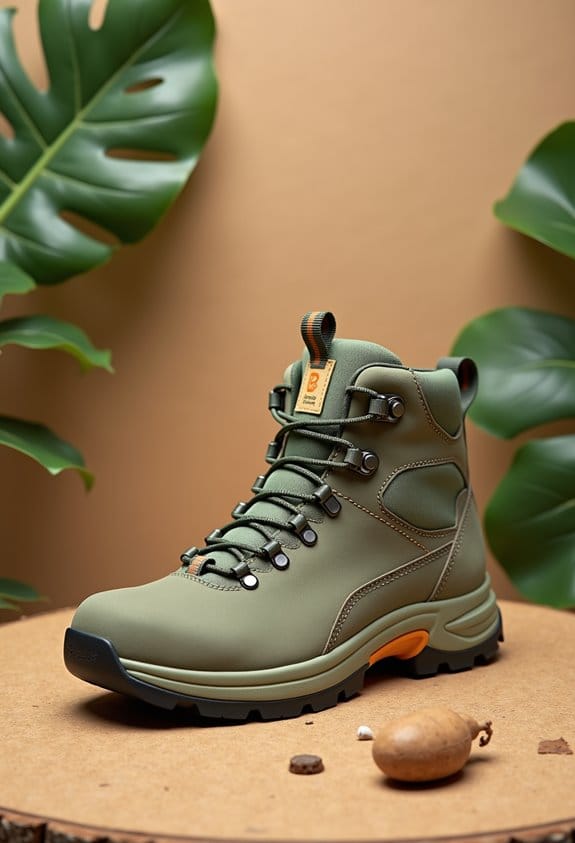
Looking for eco-friendly boots that can tackle trails without trashing the planet? Timberland’s Mt. Maddsen uses 100% waterproof leather from a top-rated tannery and recycles 15% rubber in its soles—talk about stepping lightly! Merrell’s Moab 3 Mid offers comfy cushioning and recycled fabrics, perfect if you want comfort plus green cred. Columbia’s Newton Ridge blends waterproof mesh and recycled materials for lightweight durability. Curious about what makes these boots both tough and eco-smart? Keep going—you’ll find out!
Key Takeaways
- Timberland Mt. Maddsen boots feature 100% waterproof leather and 15% recycled rubber outsole for durable, eco-friendly hiking.
- Merrell Moab 3 Mid boots use partially recycled fabrics and Vibram outsoles for comfort and sustainable trail performance.
- Columbia Newton Ridge Plus II combines waterproof mesh and leather with lightweight cushioning and eco-conscious design.
- Choosing boots with recycled PET materials and Bluesign certification ensures durability and environmental responsibility.
- Supporting brands with transparent, ethical manufacturing and community conservation efforts promotes sustainable outdoor gear.
Timberland Men’s Mt. Maddsen Hiking Waterproof Boots
You may be interested



If you’re looking for hiking boots that blend rugged durability with eco-friendly smarts, Timberland’s Mt. Maddsen boots are worth your attention. You get 100% waterproof leather sourced from a tannery rated LWG Silver, paired with TimberDry’s eco-friendly membrane to keep your feet dry—no soggy socks here! The outsole uses 15% recycled rubber, showing Timberland’s commitment to sustainability without sacrificing grip or toughness. Plus, these boots come with a removable anti-fatigue footbed and cushy EVA midsole, so your feet stay comfy on the trail or around town. Who said eco-friendly can’t be tough and stylish?
Best For: Outdoor enthusiasts and casual wearers seeking durable, waterproof hiking boots with eco-friendly materials and comfortable support.
Pros:
- Made with 100% waterproof leather from an LWG Silver-rated tannery and TimberDry eco-friendly membrane.
- Outsole includes 15% recycled rubber, promoting sustainability without compromising durability or grip.
- Features a removable anti-fatigue footbed and compression-molded EVA midsole for all-day comfort.
Cons:
- Warranty is limited and does not cover purchases from unauthorized sellers.
- The shaft height (5 inches) may not provide enough ankle support for extremely rugged terrain.
- The style and construction might be less breathable in warmer weather.
Merrell Women’s Moab 3 Mid Waterproof Hiking Boots
Sale


Merrell Women's Moab 3 Mid Waterproof, Granite, 11
- Waterproof membrane seals out water and lets moisture escape Pigskin leather and mesh upper 100% recycled laces and webbing Bellows tongue keeps out debris Protective toe...
- Merrell is focused on merging performance, styling, and comfort to empower all people to confidently explore the outdoors
- Merrell Air Cushion in the heel absorbs shock and adds stability
Anyone seeking reliable hiking boots that blend comfort and eco-conscious design will appreciate the Merrell Women’s Moab 3 Mid Waterproof Hiking Boots. With a longtime reputation—as over 20 million hikers have trusted the Moab line—you know these are no rookie shoes. The boots feature a softer cushioned midsole and a grippier Vibram outsole, helping your feet stay comfy and steady on all sorts of trails. Made with partially recycled fabrics, they tread lightly on the planet—because who said you can’t hike and care about green? Just remember to size up; your feet will thank you after the first trail.
Best For: Outdoor enthusiasts and hikers seeking durable, comfortable, and eco-conscious waterproof boots for various trail conditions.
Pros:
- Exceptional out-of-the-box comfort with a softer cushioned midsole
- Durable and grippy Vibram outsole for reliable traction on diverse terrains
- Made with partially recycled fabrics, supporting environmentally-friendly practices
Cons:
- Recommended to size up, which may cause confusion or inconvenience for first-time buyers
- Mid-height design may not provide enough ankle support for some users
- Waterproof feature might increase overall boot weight compared to non-waterproof options
Columbia Men’s Newton Ridge Plus Ii Waterproof Hiking Shoe
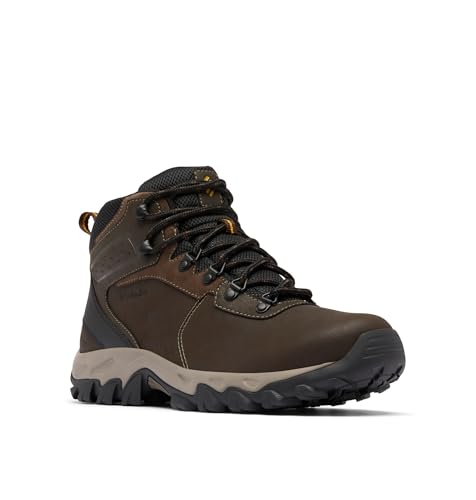
Columbia Mens Newton Ridge Plus II Waterproof Hiking Boot, Cordovan/Squash, 11
- ADVANCED TECHNOLOGY: Columbia Men's Newton Ridge Plus II Waterproof Hiking Boot features our lightweight, durable midsole for long lasting comfort, superior cushioning...
- HANDY FEATURES: Treacherous days out on the trail are comfortable and worry-free with this boot's waterproof full-grain leather and mesh bootie construction and its...
- ADJUSTABLE FEATURES: The Newton Ridge Plus II Waterproof Hiking Boot features a lace-up closure for an adjustable, secure fit.

Hiking fans who crave a blend of rugged durability and all-day comfort will find their match in the Columbia Men’s Newton Ridge Plus II Waterproof Hiking Shoe. Crafted with waterproof mesh and leather, these shoes guard your feet against unpredictable weather and terrain. Wondering about grip? The advanced traction outsole grips trails like a pro, so slipping isn’t on your itinerary. Plus, Columbia’s lightweight midsole offers cushioning and impact absorption to keep you energized mile after mile. Coming in various colors and sizes, you’ll want to check the sizing chart—because comfy boots are happy boots, right? Ready for your next eco-friendly adventure?
Best For: Outdoor enthusiasts and hikers seeking durable, comfortable, and waterproof footwear with reliable traction for varied terrains.
Pros:
- Waterproof mesh and leather exterior provide excellent protection in wet and rugged conditions.
- Advanced traction outsole ensures superior grip to prevent slipping on diverse surfaces.
- Lightweight midsole delivers long-lasting comfort, cushioning, and energy return for extended hikes.
Cons:
- May require careful sizing using the chart to achieve the best fit.
- Limited fashion-forward design options, focusing more on function than style.
- Could be less breathable than non-waterproof hiking shoes in hot, dry conditions.
Factors to Consider When Choosing Recycled Material Hiking Boots

Ready to pick recycled hiking boots that won’t quit on you or the planet? You’ll want to check if they use materials like recycled PET from plastic bottles—that’s both sturdy and eco-friendly, plus certifications like Bluesign show they mean business. Don’t forget comfort features and ethical brands; after all, your feet (and conscience) deserve a good workout without any shady business!
Material Sustainability Impact
When you choose hiking boots made from recycled materials, you’re stepping into a smart, eco-friendly future—quite literally! Using recycled fabrics cuts down the demand for virgin resources, so fewer trees are chopped, and less habitat is damaged. Isn’t that a win for Mother Earth? Plus, recycled components lower greenhouse gas emissions since they need less energy to produce. That means your boots leave a smaller carbon footprint with every trek. By supporting brands that embrace recycled materials, you’re helping push the footwear industry toward a circular economy—one where products get reused, not tossed in landfills (no more sad boot graves!). And here’s a fun twist: some recycled fabrics actually offer better weather resistance. So, you get sustainable, functional boots all wrapped in one eco-friendly package.
Durability and Longevity
Although recycled materials might sound like a compromise, they actually pack a punch when it comes to durability and longevity. Advances in technology have made recycled rubber and fabrics tough enough to handle rough trails, often matching or beating traditional materials. Imagine your boots surviving countless hikes without falling apart—that’s what happens when manufacturers test these materials for endurance and wear resistance. Plus, buying recycled boots doesn’t mean you’re skimping on quality; you’re investing in footwear designed to face harsh conditions head-on. Want your boots to last even longer? Proper care and maintenance can extend their lifespan beyond what you’d expect (goodbye, fast wear-out!). So, why not choose boots that are both eco-friendly and built to endure? It’s a win-win for you and the planet!
Comfort and Support Features
Since comfort can make or break your hiking experience, recycled boots need special features that keep your feet happy mile after mile. Look for cushioned midsoles and insoles that support your arches while absorbing impact—because who wants tired feet after a long trek? A lightweight design helps you move swiftly without feeling weighed down, saving energy on rough trails. Don’t forget fit! Sizing up is smart to accommodate thicker socks and foot swelling (your feet aren’t shrinking mid-hike, promise). Removable footbeds are a bonus if you need custom orthotics or extra support, making the boot truly yours. Plus, enhanced traction outsoles provide grip on slippery rocks and mud, so you stay steady—and less likely to do an accidental impression of a flailing flamingo!
Environmental Certifications Importance
How do you know if your recycled hiking boots are truly eco-friendly and not just greenwashed marketing? Look for environmental certifications! These badges prove the boots meet tough sustainability standards, from production to recycling. Certifications from reputable groups mean the materials—like recycled plastics or rubber—aren’t just tacked on as a sales gimmick. Instead, products undergo real testing to confirm their recycled content and eco-friendly manufacturing practices. When you choose certified boots, you’re not only getting a quality product but also supporting brands serious about reducing their environmental footprint. Plus, certifications boost trustworthiness, making your shopping decision way easier. So, next time you hit the trail, it’s nice to know your boots earned their green stripes (unlike some hikers, right?).
Brand Ethical Practices
When you pick hiking boots made from recycled materials, it’s smart to dig a little deeper into the brand’s ethical practices. Why settle for just eco-friendly materials when the whole production story matters? Look for brands that are transparent about their supply chains—this means you can actually see how your boots impact the planet. Water-saving processes and efforts to cut carbon footprints show they care beyond marketing buzzwords. Certifications like the LWG ratings are a handy shortcut to spotting brands committed to responsible leather use. Plus, many companies support environmental projects or outdoor communities (because who doesn’t love a brand that gives back?). So, when you grab your next pair, check if the brand walks the talk—it’s a step toward truly trailblazing responsibly!
Frequently Asked Questions
How Do Recycled Hiking Boots Compare in Durability to Conventional Boots?
Recycled hiking boots can be just as durable as conventional ones, thanks to materials like recycled PET and rubber, which offer strong resistance against wear and tear. You might wonder if using “leftovers” means giving up quality—surprisingly, no! Many brands reinforce these boots with tough soles and weatherproof membranes. While some might feel break-in periods are a bit longer, you’ll still get solid traction and support on rugged trails without fluff or fuss.
Can Recycled Hiking Footwear Be Resoled or Repaired Easily?
You can absolutely get recycled hiking boots resoled or repaired, but it depends on the brand and materials used. Many use durable rubber soles and recycled PET fabrics designed for fix-ups. Still, since eco-friendly boots sometimes mix innovative materials, not all cobblers are experts. Think of it like a puzzle—some pieces fit perfectly, others need special attention. So, ask about warranty and service options before buying! It’s worth it for longer trails.
Are Recycled Hiking Boots Generally More Expensive Than Traditional Ones?
Yes, recycled hiking boots often cost a bit more than traditional ones, usually around 10-20% higher. That’s because they use eco-friendly materials like recycled plastic bottles and rubber, plus sustainable manufacturing steps that aren’t cheap. But hey, investing a little extra helps reduce landfill waste and pollution. So when you slip on those boots, you’re not just hiking—you’re helping the planet. Pretty cool, right?
What Types of Recycled Materials Are Most Commonly Used in These Boots?
You’ll find recycled polyester, often from plastic bottles, topping the list for hiking boots—it’s durable and water-resistant, perfect for trail adventures. Recycled rubber usually forms the outsoles, giving you solid grip without wasting new materials. Sometimes, manufacturers use recycled foam or cork for cushioning, which feels surprisingly comfy. Did you know some even incorporate reclaimed leather? It’s like giving old stuff a second chance to help you tread lightly (literally) on the planet!
Do Recycled Hiking Boots Provide Adequate Support for Long-Distance Hikes?
Yes, recycled hiking boots can definitely provide adequate support for long-distance hikes! Many use EVA midsoles and reclaimed rubber outsoles that offer excellent cushioning and grip. Brands often reinforce these with recycled PET mesh for breathability and durability. So, you’re not sacrificing comfort or strength just because your boots are eco-friendly. Who knew saving the planet could feel this good on your feet (and keep you steady on those rocky trails)?